Why Summer is the Best Time for Commercial Roof Repairs

Roofing in the Sun:
Why Summer Reigns Supreme for Roof Repairs
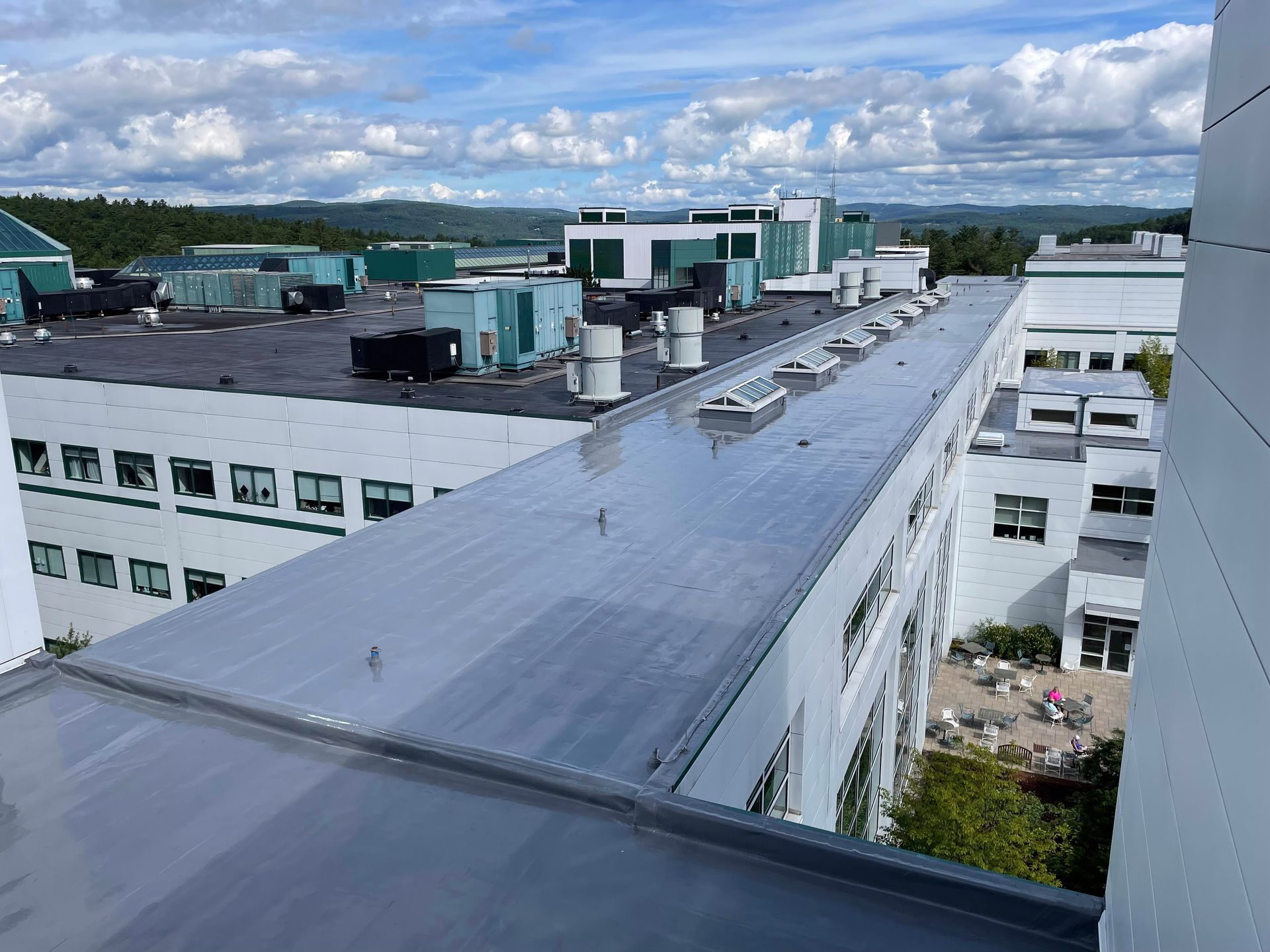
Summer, with its clear skies and warm weather, presents an ideal opportunity for maintaining and repairing commercial flat roofs. While roof maintenance is a year-round necessity, the summer months offer unique advantages that can make repairs more efficient, effective, and long-lasting. Here's why summer stands out as the best time for addressing the needs of your commercial roof.
Ideal Weather Conditions
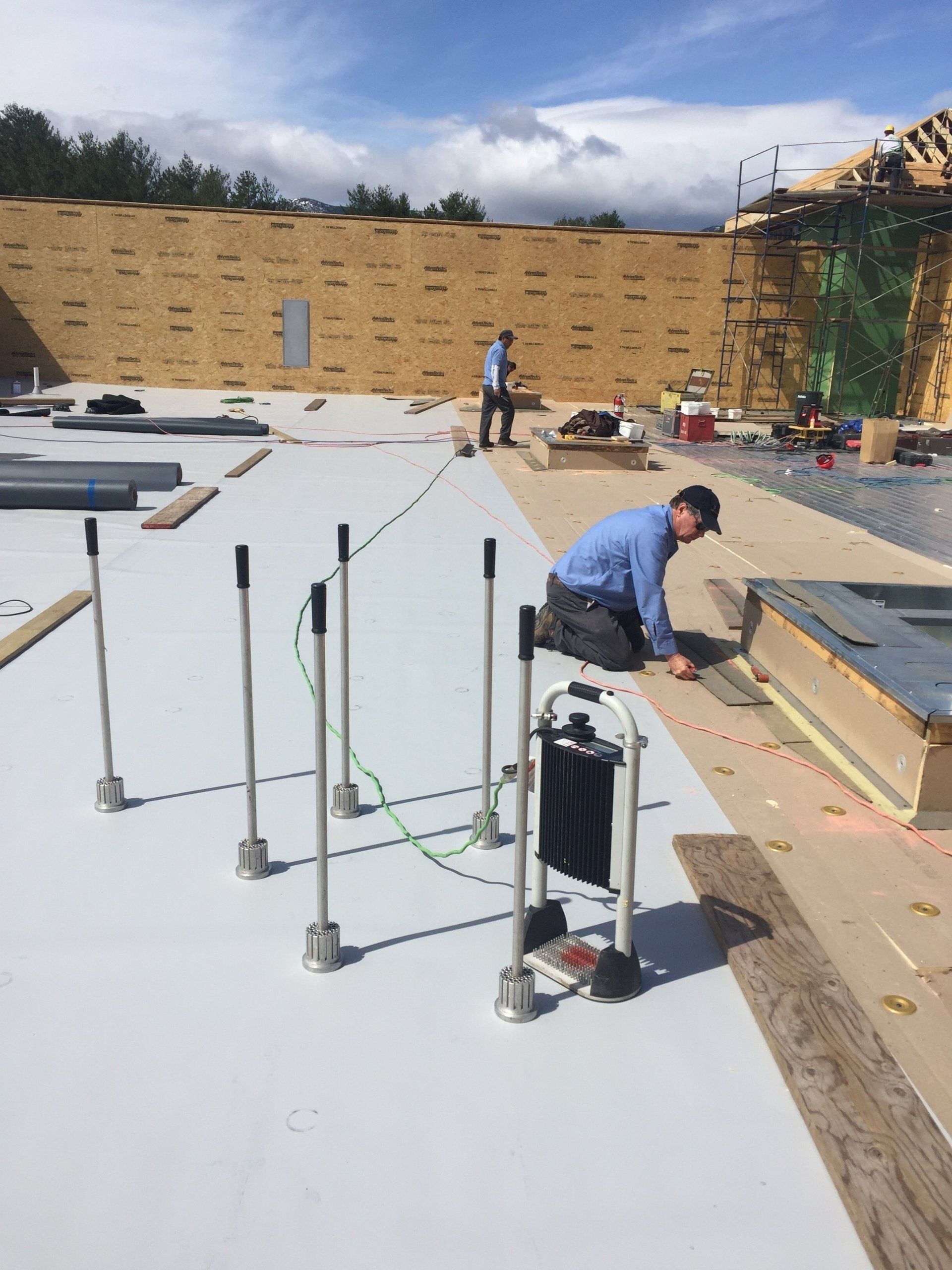
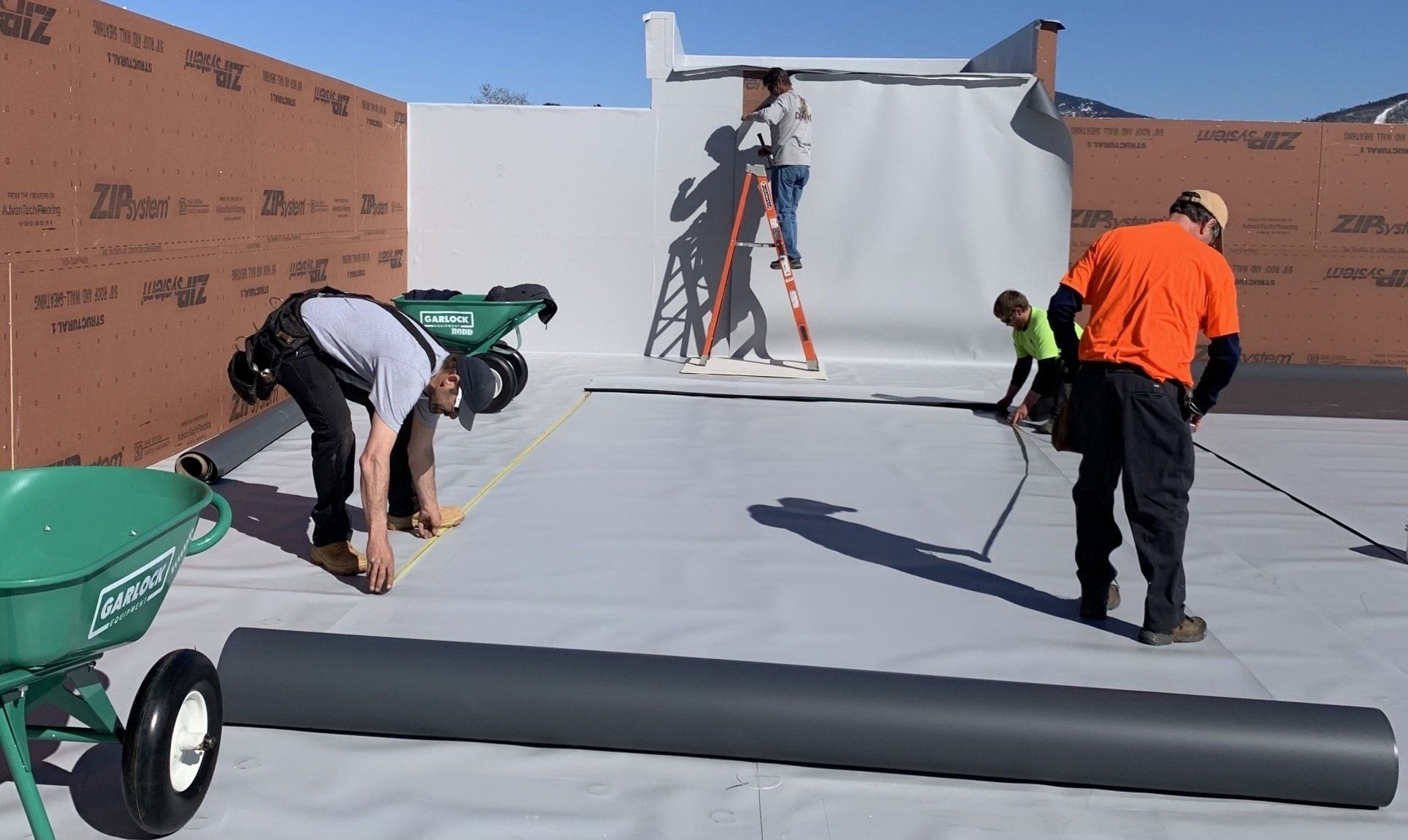
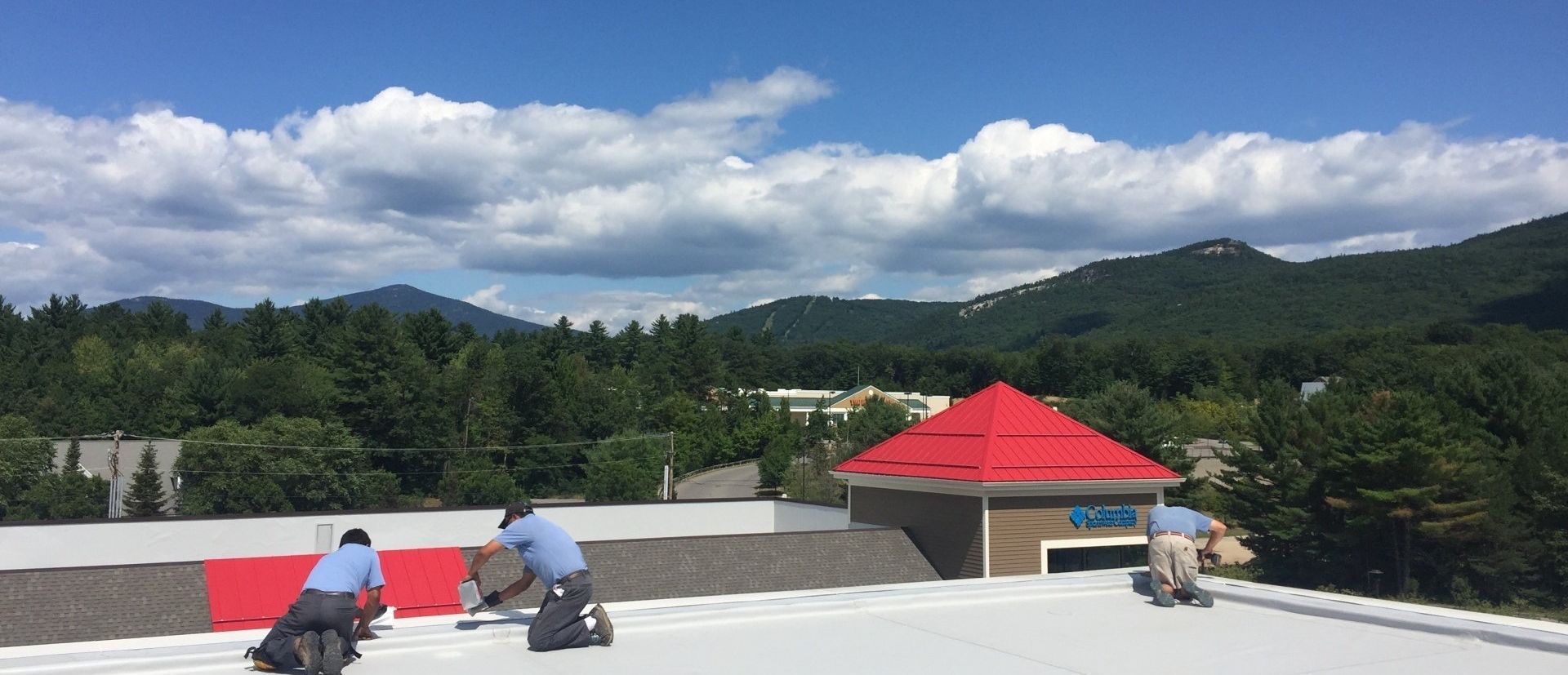
Summer weather is typically more predictable and stable than other seasons, providing perfect conditions for roofing work. The risk of rain delays is minimized, allowing roofing contractors to complete projects on schedule. Moreover, warm temperatures help roofing materials, especially those that require heat for proper adhesion, to cure and settle correctly. For instance, bitumen-based materials used in many flat roofs need warm temperatures to effectively bond, making summer an optimal time for application.
Extended Daylight Hours
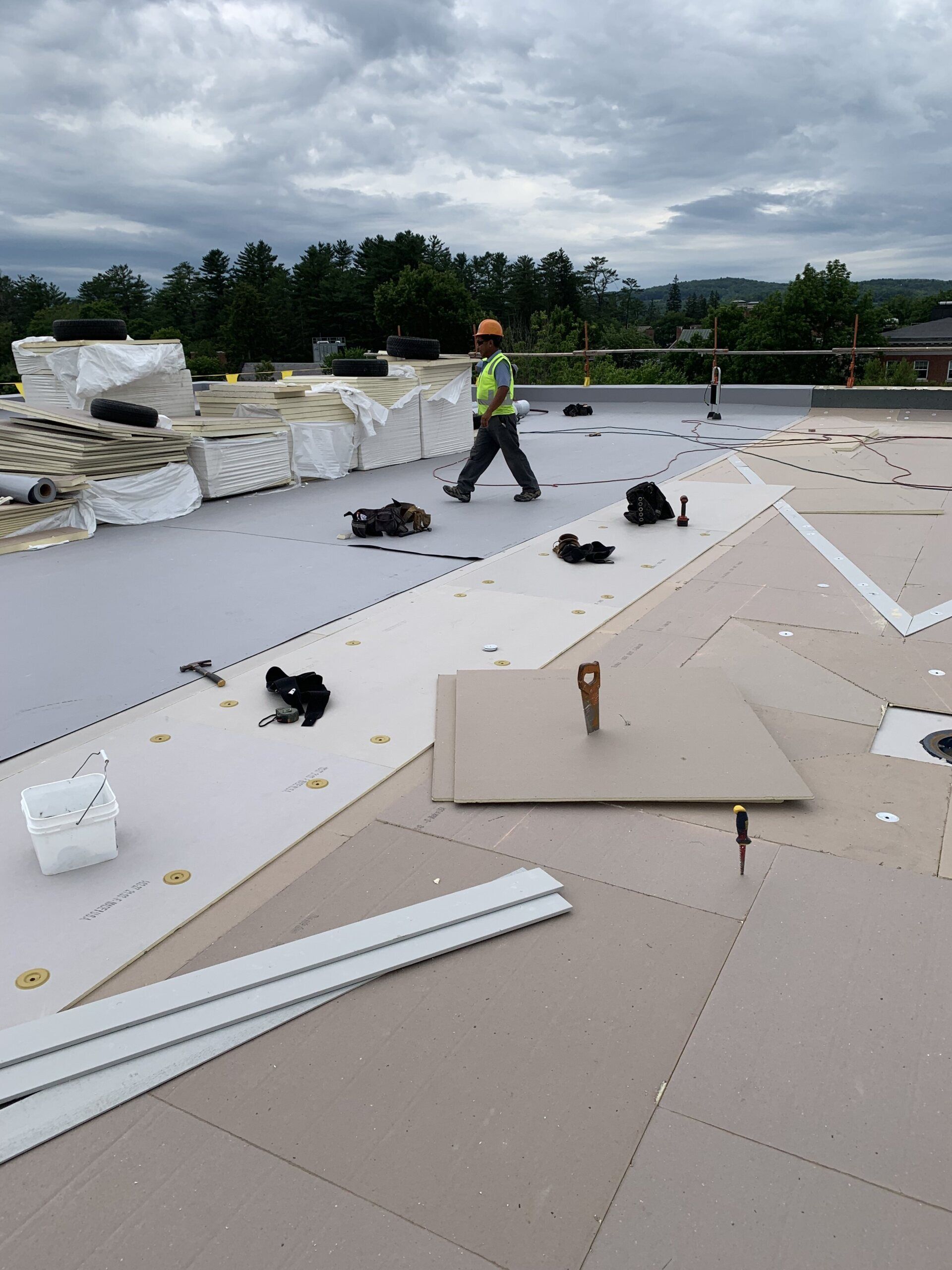
Longer daylight hours in summer mean more work can be accomplished each day. This is particularly beneficial for larger commercial roofing projects that require significant time and labor. Extended daylight allows for a more efficient workflow and can significantly shorten the overall project duration, reducing the impact on your business operations.
Be Proactive, Not Reactive
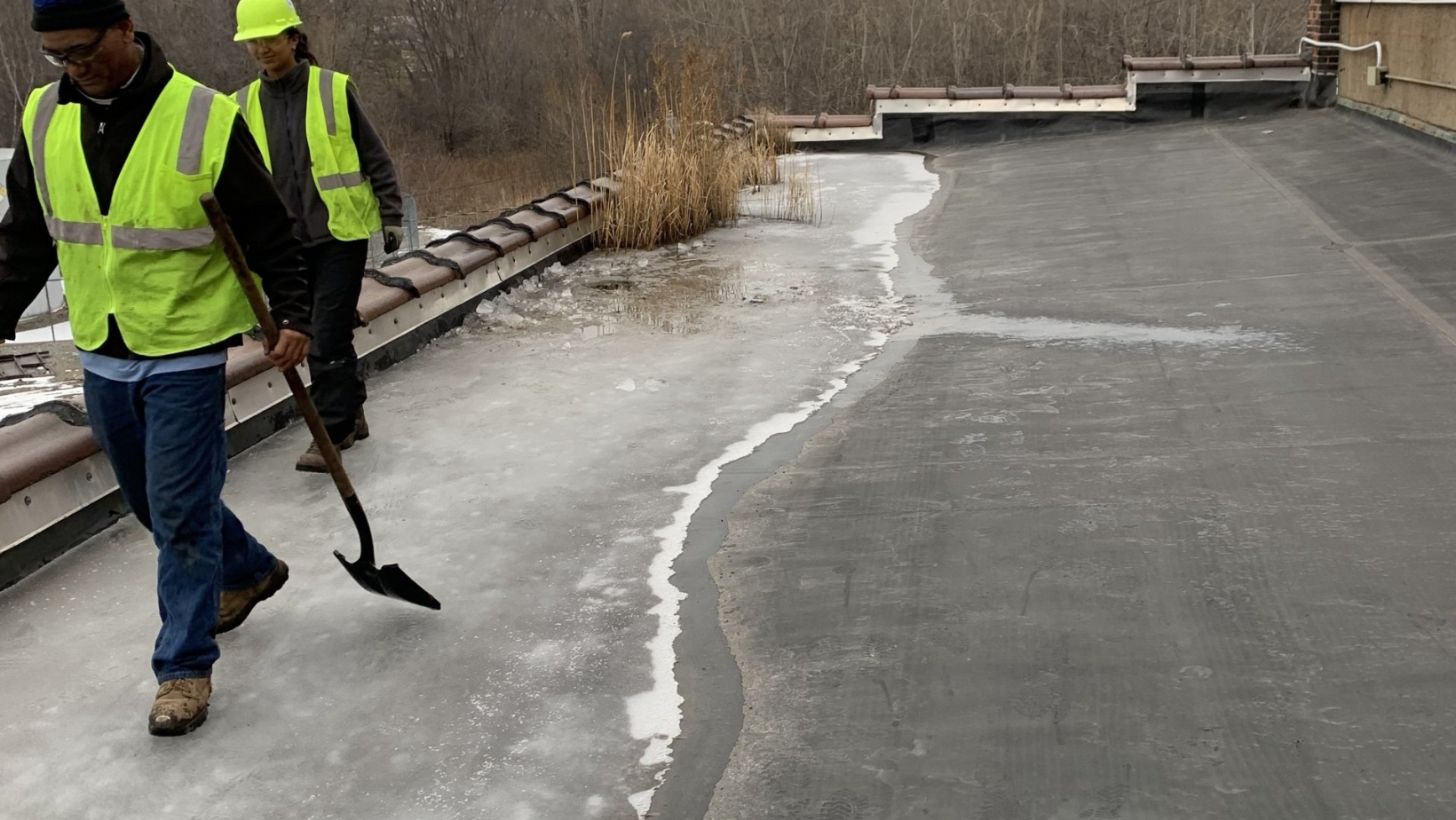
Repairing your flat roof in the summer prepares your building for the harsher conditions of fall and winter. Addressing leaks, improving drainage, and reinforcing the roof's structure during the summer can prevent water damage and structural issues caused by heavy rains, snow, and ice. Proactive summer repairs can save businesses from costly emergency fixes and potential closures due to weather-related damage later in the year.
Better Leak Detection
Summer is an excellent time for comprehensive roof inspections and repairs because it's easier to identify and address potential leak sources. The dry conditions make it simpler to spot cracks, splits, and other weaknesses in the roof membrane and flashing. Addressing these issues in summer ensures the roof is watertight and ready to withstand future storms.
Energy Efficiency Improvements
Summer repairs can also enhance the energy efficiency of your commercial building. Installing or upgrading roof insulation and reflective coatings can reduce cooling costs during the hot months and improve overall thermal performance year-round. These energy efficiency measures not only contribute to a more comfortable indoor environment but also offer significant cost savings over time.
Less Disruptions to Business
Scheduling roof repairs during the summer can also minimize disruptions to your business operations. Many businesses experience a seasonal slowdown during these months, making it a more convenient time for construction activities. Furthermore, completing repairs in the summer avoids the complications and delays that bad weather in other seasons can cause, ensuring your business can operate smoothly without unexpected interruptions.
Taking advantage of the summer months to conduct repairs and maintenance on your commercial roof offers numerous benefits, from improved weather conditions to enhanced energy efficiency and minimized business disruptions. Planning your roofing projects for the summer not only ensures that your building is well-prepared for the year ahead but also maximizes your investment in roofing maintenance and repairs. Don't wait for the first signs of leaks or damage to become evident. Proactively scheduling summer roof inspections and repairs with a reputable roofing company can save time, money, and hassle, keeping your commercial property in top condition.