
Understanding Roof Valleys: One of the Most Important Parts of Your Roof
Why Roof Valleys Need Extra Attention Before a Vermont Winter
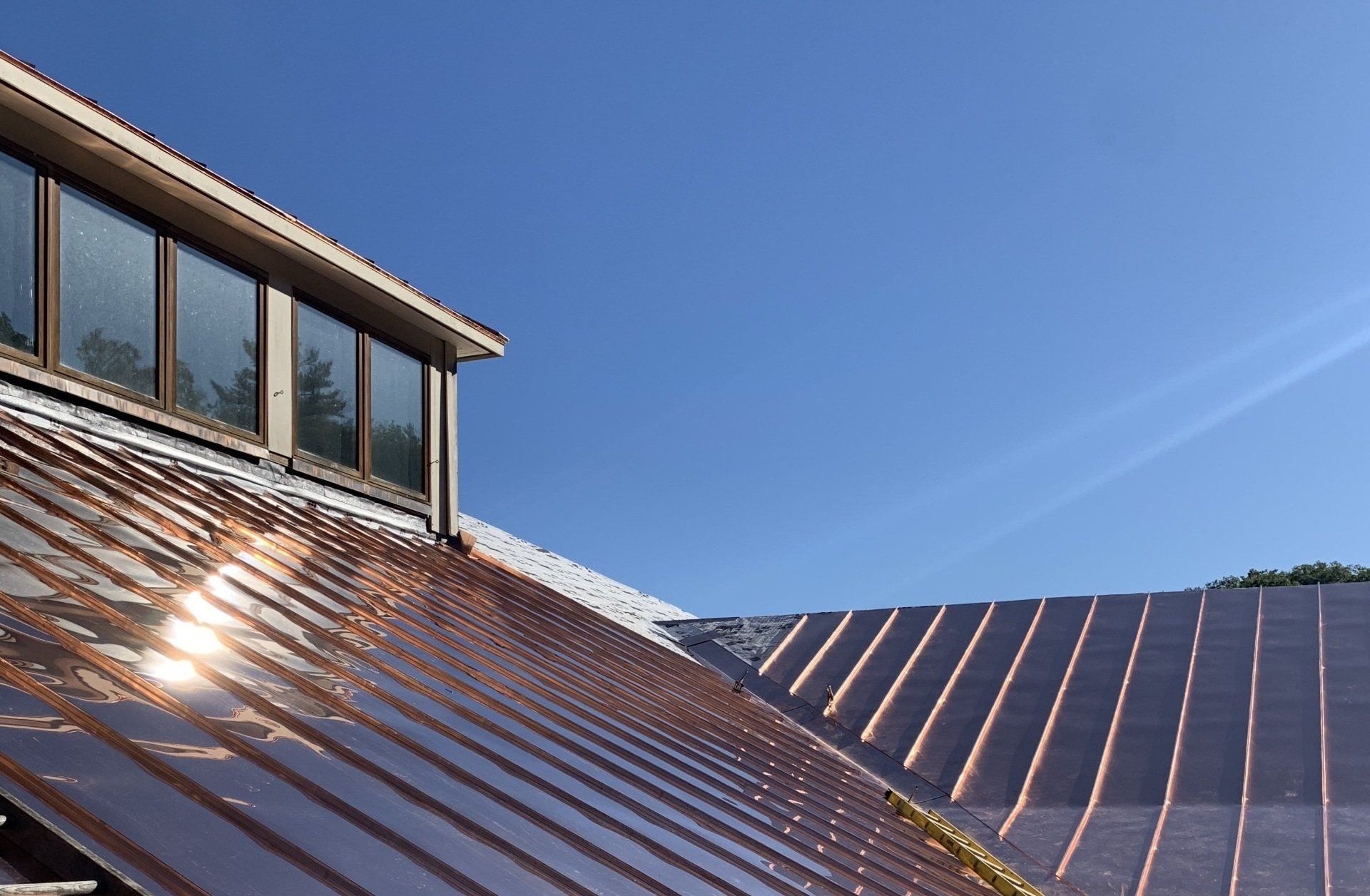
When you look at your roof, your attention probably goes first to the shingles, chimney, or gutters. But some of the hardest-working areas of a residential roof are the roof valleys.
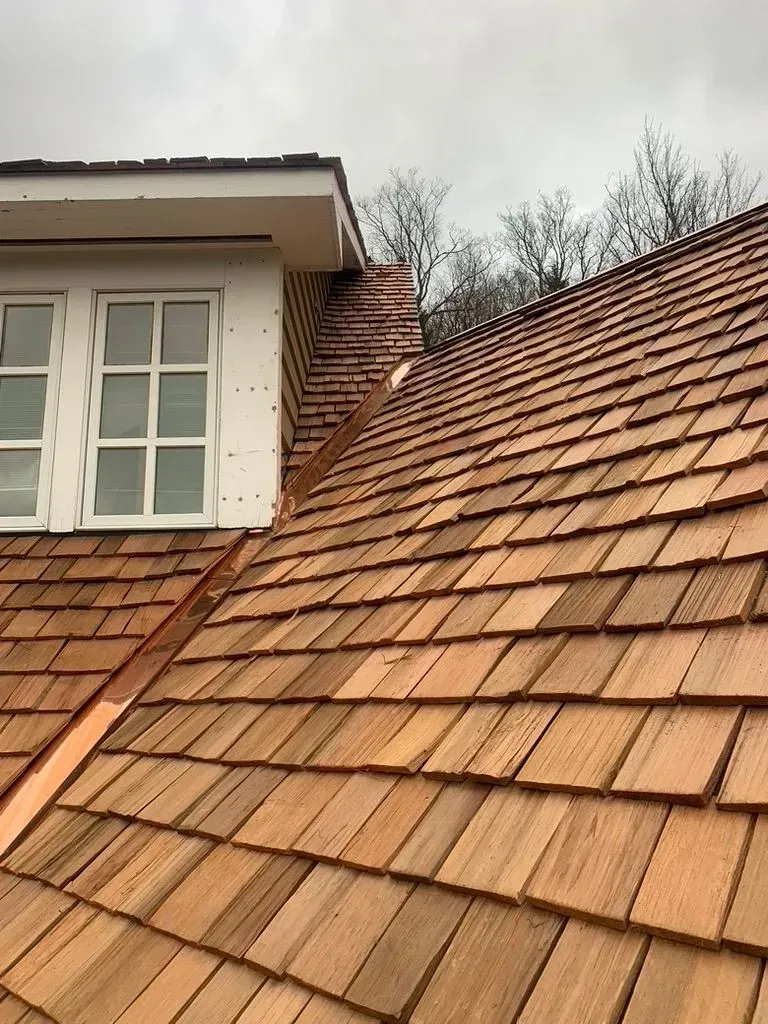
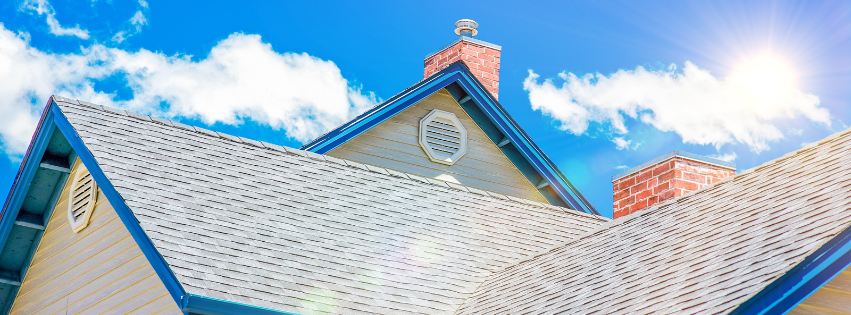
A roof valley is created where two sloping sections of a roof meet. Its job is to collect rainwater and melting snow from both roof surfaces and direct that water toward the gutters or drainage system. Because so much water is concentrated into a relatively narrow channel, valleys are especially important to the overall performance of your roof.
For homeowners in Vermont and New Hampshire, roof valleys deserve particular attention before winter. Snow, ice, debris, and repeated freeze-thaw cycles can expose weaknesses that might otherwise go unnoticed.
Understanding what happens in your roof valleys—and knowing the warning signs of a problem—can help you address small concerns before they turn into leaks and expensive repairs.
Why Roof Valleys Handle So Much Water
Think of a roof valley as a drainage channel built directly into your roof.
Rain falling on two adjoining roof slopes is directed toward the valley. During winter and early spring, melting snow follows the same path. That means the valley can carry significantly more runoff than many other individual areas of the roof.
The system is designed to handle this water when roofing materials, underlayment, and flashing are properly installed and maintained. But because valleys handle concentrated runoff, deterioration or damage in these areas can create an opportunity for water intrusion.
That makes valleys an important area to examine during routine roof inspections.
Common Signs of Wear in Roof Valleys
Roof valleys experience years of exposure to rain, snow, ice, sunlight, and temperature changes.
Depending on your roofing system and its condition, signs of trouble may include damaged or missing shingles near the valley, deteriorated roofing materials, exposed or damaged flashing, loose materials, or evidence that water isn't flowing as intended.
Flashing is particularly important because it helps direct water away from vulnerable roof intersections. Rodd Roofing recommends checking flashing for problems such as gaps, loose sealant, rust, cracking, or separation.
A problem doesn't necessarily mean the entire roof needs replacement. When caught early, localized roof damage may be repairable before moisture affects a larger portion of the roofing system.
How Leaves and Debris Can Cause Roof Valley Problems
Trees are part of what makes Vermont and New Hampshire beautiful—but leaves, pine needles, branches, and other debris can collect on a roof.
Roof valleys can naturally catch some of that material as water moves toward the gutters.
When enough debris accumulates, it can interfere with normal drainage. It may also hold moisture against roofing materials longer than intended.
The problem can become more significant as winter approaches. Debris that is already restricting water flow can become trapped beneath snow and ice, making it more difficult for melting snow to drain from the roof.
Keeping roof drainage areas clear is an important part of seasonal maintenance. Rodd Roofing similarly recommends keeping gutters and other drainage components free of debris before winter.
Why Ice Can Be a Problem in Roof Valleys
Vermont's freeze-thaw cycles add another challenge.
When temperatures rise above freezing, snow on the roof can begin to melt. That water moves down the roof—including through valleys—before temperatures drop again.
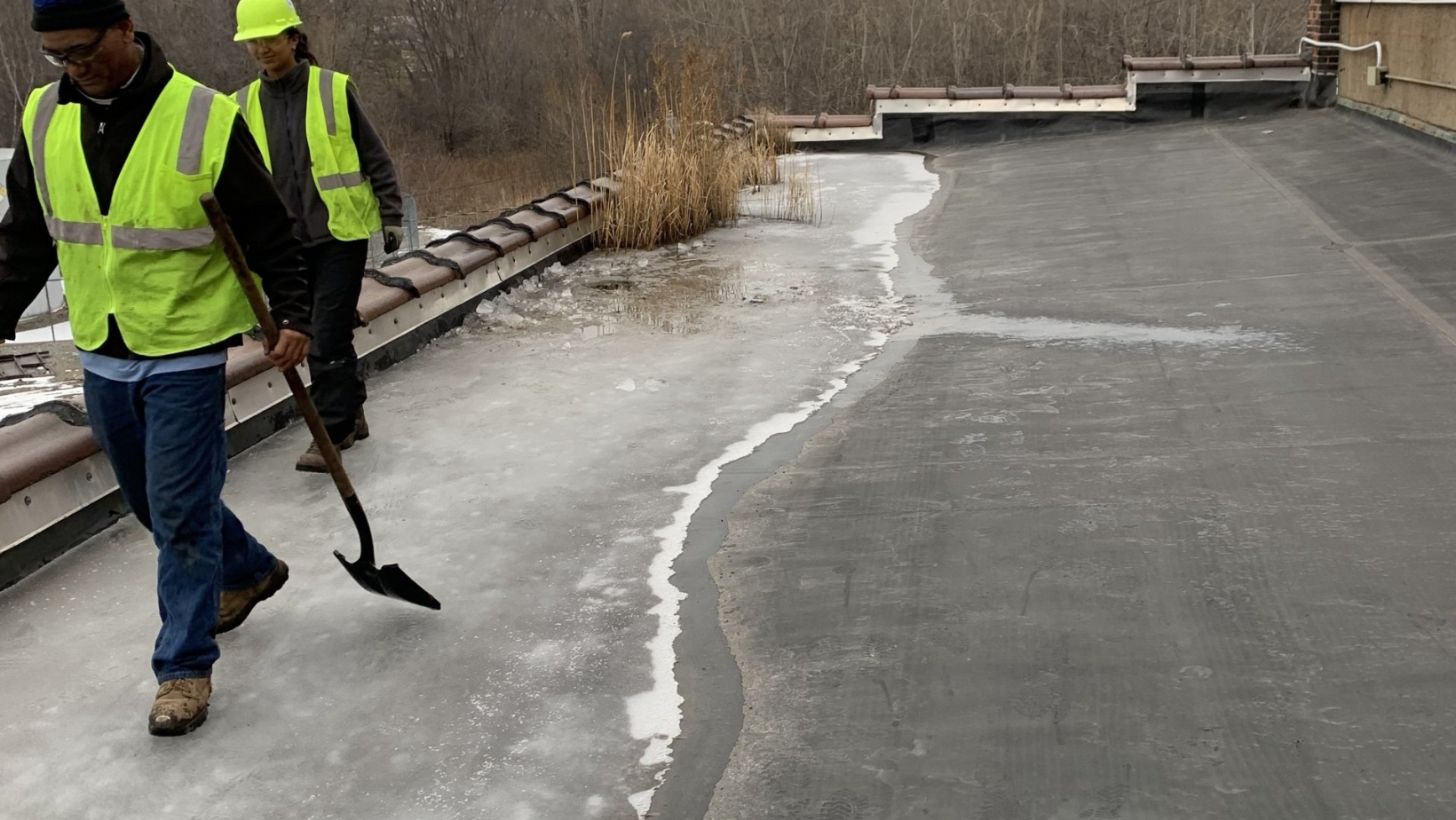
If the water refreezes, ice can accumulate in vulnerable areas. Repeated freezing and thawing can also worsen small gaps or weaknesses in roofing materials and flashing. Rodd Roofing notes that moisture entering small openings can freeze, expand, and gradually increase existing vulnerabilities.
Ice dams can create another concern. When ice prevents meltwater from draining normally, water can back up and potentially find its way beneath shingles or flashing. Proper insulation, ventilation, drainage, and roof maintenance all play roles in reducing ice-dam risk.
Signs Your Roof Valley May Need Attention
You don't have to climb onto your roof to spot every potential problem—and homeowners generally shouldn't put themselves at risk by walking on a steep, wet, icy, or snow-covered roof.
Instead, pay attention to visible warning signs from the ground and inside your home.
These can include:
- Missing, cracked, lifted, or deteriorated shingles near a valley
- Visible gaps or deterioration around flashing
- Leaves or other debris collecting in the valley
- Unusual ice accumulation during winter
- Water stains on ceilings or walls
- Dampness or signs of moisture in the attic
- Evidence that water isn't reaching the gutters normally
An interior water stain doesn't necessarily tell you exactly where water entered the roof. Water can travel after entering a roofing system, which is one reason a professional evaluation is valuable.
Why Professional Roof Valley Inspections Matter
Roof valleys involve more than the shingles you can see from the ground.
Flashing, underlayment, ice-and-water protection, surrounding shingles, and drainage all contribute to keeping the area watertight. Rodd Roofing identifies ice and water shield as a protective membrane commonly installed in vulnerable areas such as valleys and eaves.
A professional roofing inspection can assess the condition of visible roofing materials and identify warning signs homeowners may overlook.
This is particularly valuable before winter. An aging seal, damaged shingle, or flashing issue may be relatively minor during dry weather. Add months of snow, ice, and freeze-thaw cycles, however, and that vulnerability can become more significant.
Protect Your Roof Valleys Before Winter Arrives
Roof valleys don't receive much attention when they're doing their job correctly—and that's exactly how it should be.
But because they handle concentrated rainwater and snowmelt, they're an important part of your home's defense against Vermont and New Hampshire weather.
Keeping valleys clear, watching for visible deterioration, and having vulnerable areas professionally inspected can help identify problems before winter makes them harder to address.
Frequently Asked Questions About Roof Valleys
What is a roof valley?
A roof valley is the area where two sloping sections of a roof meet, creating a channel that directs rainwater and melting snow toward the roof's drainage system. Because runoff from both slopes enters this area, valleys are an important part of a pitched roof's water-management system.
Why do roof valleys leak?
Roof valleys can leak when shingles, flashing, underlayment, or other protective materials become damaged or deteriorated. Debris, ice, aging materials, and freeze-thaw cycles can also contribute to conditions that allow moisture to enter vulnerable areas.
How can I tell if my roof valley is damaged?
Look for missing or deteriorated shingles, damaged flashing, debris accumulation, unusual ice buildup, or interior water stains. Some roof valley problems aren't easily visible from the ground, so a professional inspection may be necessary to determine the condition of the area.
Should you clean leaves and debris out of roof valleys?
Keeping roof valleys and drainage areas free from excessive leaves, branches, and other debris helps water move off the roof properly. Homeowners should avoid climbing onto steep, wet, snowy, or icy roofs to clean them themselves; professional service is the safer choice when the area can't be accessed safely.
How do you prevent ice from building up in roof valleys?
Reducing winter ice problems involves looking at the entire roofing system, including insulation, ventilation, drainage, flashing, and the condition of the roofing materials. Proper insulation and ventilation can help reduce uneven snowmelt, while clear drainage provides melting snow with a path off the roof.
Should roof valleys be inspected before winter?
Yes, fall is a useful time to have vulnerable roofing areas inspected before snow and ice arrive. A professional can check valleys, flashing, shingles, gutters, and other areas for issues that may worsen during Vermont's winter weather.