How Professional Roof Documentation Can Save Property Owners Money
Why Good Roof Records Are an Important Part of Property Management

When property owners think about reducing roofing costs, maintenance and timely repairs usually come to mind first. But there is another valuable tool that is easy to overlook: professional roof documentation.
Inspection reports, photographs, maintenance records, repair histories, warranty information, and recommendations create a record of how your roof has performed and changed over time.
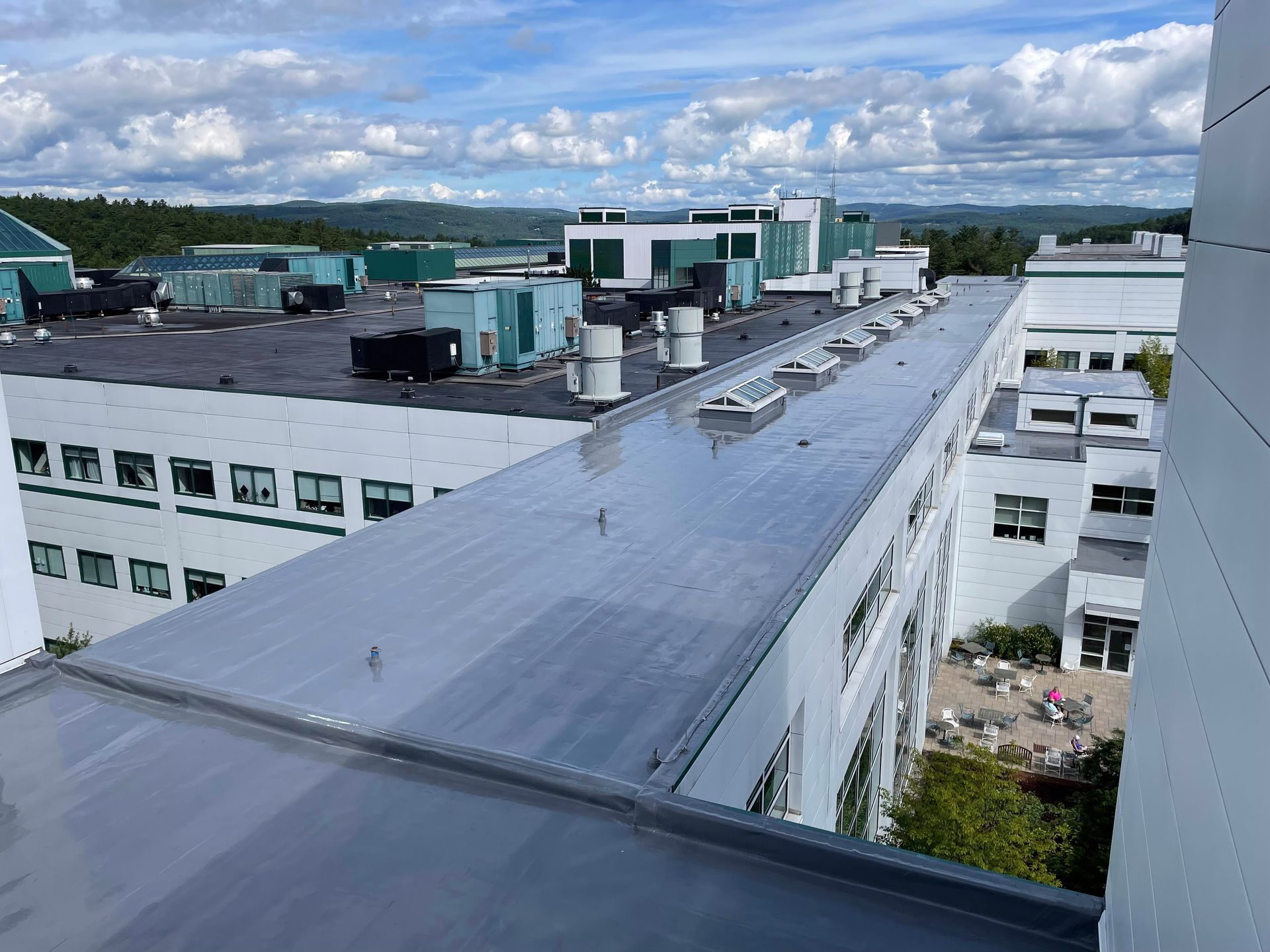
For commercial property owners and facility managers, that information can make it easier to budget for future work, manage warranties, respond to potential insurance claims, and determine when repairs, restoration, or replacement should be considered.
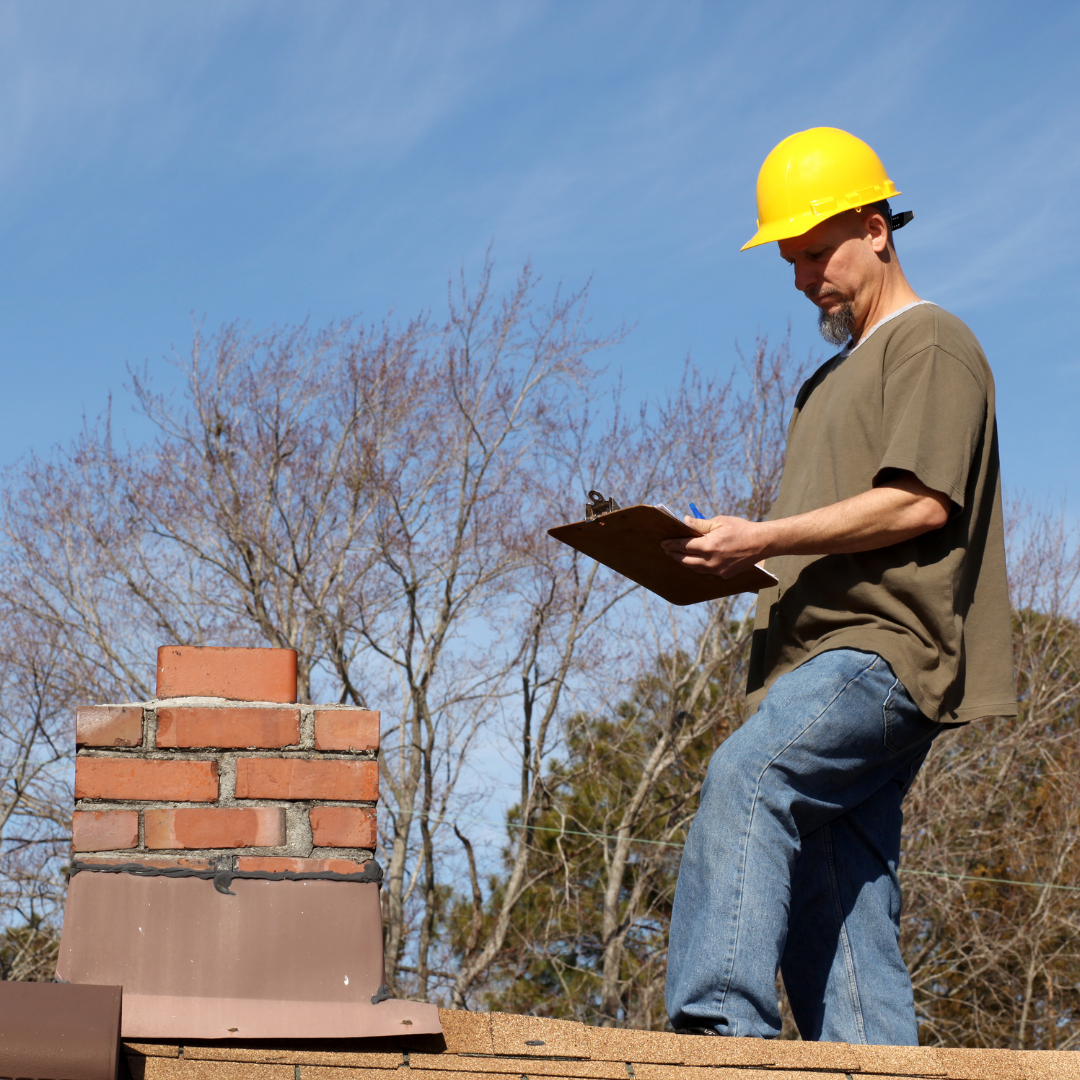
Rodd Roofing recommends that commercial building owners keep thorough records, including notes about roof condition, photographs of damage, and logs showing when and why people accessed the roof.
Here's how maintaining professional roof documentation can ultimately help protect both your building and your budget.
What Should Be Included in Professional Roof Documentation?
Good roof documentation should tell the story of your roofing system over time.
Depending on the property and roofing system, your records may include:
- Professional inspection reports
- Photographs of roof conditions
- Dates and descriptions of completed repairs
- Maintenance records
- Warranty information
- Records of roof access or rooftop work
- Notes about leaks or water intrusion
- Areas requiring continued monitoring
- Contractor recommendations
- Plans or estimates for future repairs and replacement
Instead of relying on memory—or trying to determine when a repair was made several years later—property owners have an organized history they can reference when making decisions.
Rodd Roofing specifically recommends recording roof conditions, photographing damage, and tracking who accesses a commercial roof and why.
Roof Documentation Can Help Support Warranty Requirements
Commercial roofing systems can represent a significant investment, making warranty information important to keep organized.
Warranty terms vary by roofing system and manufacturer, and some warranties may include requirements related to inspections, maintenance, repairs, or who is authorized to perform work.
Rodd Roofing notes that roofing warranties can require regular maintenance and inspections and warns that allowing unauthorized people to work on a roof may affect warranty coverage.
Keeping inspection and maintenance documentation provides a record of the care your roof has received.
That doesn't automatically guarantee that a warranty claim will be approved—the specific warranty terms always control—but organized records can make it considerably easier to demonstrate the roof's maintenance history when questions arise.
Roof Records Can Be Valuable During an Insurance Claim
After a major storm or unexpected roofing event, property owners may need to determine what damage is new and what conditions existed beforehand.
Documentation makes that much easier.
For example, dated photographs and inspection reports may establish what the roof looked like before a storm. A subsequent inspection can then document newly observed conditions.
Repair invoices and maintenance records can provide additional context about previous work.
Insurance coverage and claim requirements vary by carrier and policy, so documentation does not guarantee coverage or payment. However, maintaining an organized roof history can provide useful evidence when communicating with an insurer or claims professional.
Instead of trying to reconstruct years of roof history after damage occurs, you already have records available.
Better Records Make Roofing Budgets More Predictable
A roof shouldn't have to fail before it becomes part of your budget.
Professional inspections can help identify which areas require immediate attention, which conditions should be monitored, and which larger projects may need to be considered in future years.
When those findings are documented from one inspection to the next, property managers can begin seeing trends.
A particular flashing detail may have required repeated repairs. Perhaps drainage issues are becoming more frequent. Or an older section of the roof may be approaching the point where continued repairs need to be compared against restoration or replacement.
Rodd Roofing notes that a commercial maintenance program can include inspections, minor repairs, recommendations, and estimates and timelines for eventual replacement.
That turns roof maintenance into useful financial information.
Instead of being surprised by a major roofing expense, property owners can begin incorporating expected work into annual budgets.
Documentation Helps Property Managers Track Multiple Roofing Priorities
Roof management becomes even more important when you're responsible for a large commercial building—or multiple properties.
Facility managers may be tracking HVAC equipment, paving, electrical systems, plumbing, interiors, and dozens of other building needs at the same time. It's unrealistic to expect someone to remember every roof repair, leak, inspection finding, and maintenance recommendation without records.
Professional documentation creates a reference point.
A property manager can review what work has already been completed, determine which areas need monitoring, and understand what the roofing contractor recommended during the previous visit.
This can also be helpful when property management responsibilities change.
If a new facility manager takes over, they don't have to start from scratch. A well-maintained roof file gives them a history of the roofing system and the work performed on it.
Roof Documentation Supports Capital Improvement Planning
Commercial roofs eventually require significant investment.
The question is whether that expense comes as a planned capital project or an unexpected emergency.
Inspection and repair histories can help building owners understand how frequently problems are occurring and whether the overall condition of the roof is changing.
That information can support discussions about whether to continue repairing the existing system, investigate restoration options, or begin planning for replacement.
Rodd Roofing emphasizes the value of planning and budgeting for future roofing needs rather than relying exclusively on reactive repairs. Its commercial maintenance guidance also recommends keeping records to monitor roof condition over time.
For schools, municipalities, healthcare facilities, industrial buildings, and other large properties, this type of planning can be particularly valuable because major roofing projects may need to be incorporated into capital budgets well in advance.
Documentation and Maintenance Work Together to Extend Roof Service Life
Documentation by itself doesn't fix a roof.
Its value comes from helping property owners make better maintenance decisions.
If inspection reports repeatedly identify a developing issue and that information leads to timely repairs, the documentation has helped prevent a small concern from being forgotten until it becomes a larger problem.
Rodd Roofing's existing commercial guidance recommends regular inspections and prompt attention to minor repairs as a way to reduce long-term roofing expenses. Its preventative maintenance guidance also explains that catching problems early can help property owners maximize the value of an existing roof and potentially postpone larger replacement expenses.
The combination of inspection, documentation, maintenance, and follow-through gives property owners a clearer picture of their roof's condition.
And that can help owners get as much useful service as reasonably possible from their roofing investment.
Create a Roof History Before You Need One
The worst time to begin looking for roof records is after a major leak, storm, warranty question, or unexpected repair estimate.
Building that history over time gives property owners better information when important decisions need to be made.
Professional documentation can help you understand:
- What condition your roof is currently in
- What repairs have already been completed
- Which areas need continued monitoring
- What maintenance may be required
- What expenses may be coming next
- When a larger roofing project should enter your capital plan
For commercial property owners and facility managers throughout Vermont and New Hampshire, this turns roof maintenance from a reactive expense into a more manageable part of long-term property planning.
Want a clearer picture of your roof's condition and future needs? Ask Rodd Roofing about preventative maintenance programs and professional roof documentation.
FAQs About Commercial Roof Documentation
What records should I keep for my commercial roof?
Commercial roof records should include inspection reports, maintenance records, repair invoices, photographs, warranty documents, and information about significant roof access or alterations. Keeping these records together creates a history that property managers can use to monitor roof condition and plan future work. Rodd Roofing recommends keeping detailed condition records and photographs as part of commercial roof management.
How long should I keep commercial roof inspection reports?
It is generally useful to retain roof inspection and maintenance records throughout the time you own or manage the roofing system. Older reports can provide valuable comparisons that show how conditions have changed and what repairs were previously completed. Specific warranty, insurance, legal, or organizational record-retention requirements should also be followed when applicable.
Do I need roof maintenance records for my warranty?
Some roofing warranties have inspection, maintenance, or repair requirements, so keeping maintenance records can be important. Requirements vary by manufacturer and warranty, and property owners should review their specific warranty terms rather than assuming all warranties have the same rules.
Can roof inspection reports help with an insurance claim?
Roof inspection reports and dated photographs can provide useful evidence of the roof's condition before and after a damaging event. They may help establish maintenance history and document observed changes, although whether damage is covered depends on the individual insurance policy and claim.
How does roof documentation help with budgeting?
Roof documentation helps property owners identify upcoming repair and replacement needs before they become emergencies. Comparing inspection reports over time can show which problems are recurring or worsening, giving facility managers more opportunity to include roofing expenses in maintenance and capital budgets.
Can preventative maintenance extend the life of a commercial roof?
Regular inspections and timely maintenance can help a commercial roof reach its expected service life by addressing developing problems before they become more extensive. Rodd Roofing recommends regular inspections and prompt attention to minor repairs as part of controlling long-term roofing costs.