How Roofing Projects Are Planned for Large Commercial Buildings
What Goes Into Planning a Large Commercial Roofing Project?
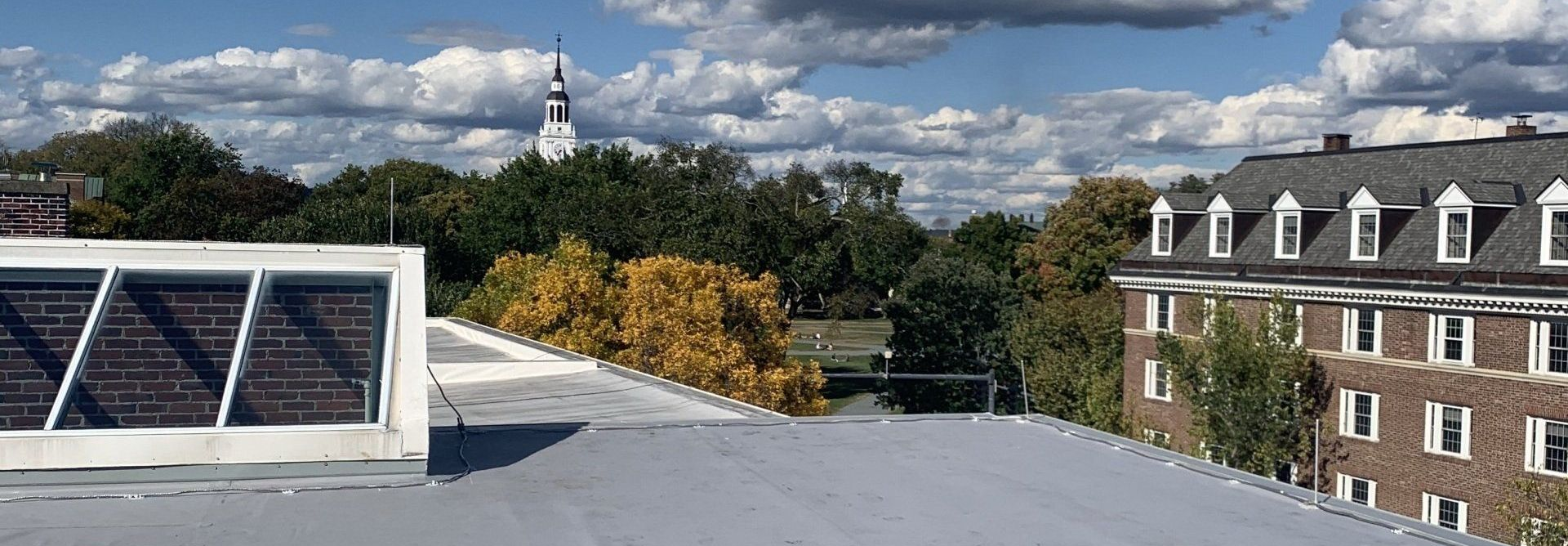
Replacing or installing a roof on a large commercial building requires much more planning than simply choosing a roofing material and scheduling an installation date.
Schools, hospitals, municipal buildings, industrial facilities, warehouses, and other large commercial properties each present different challenges. Building operations may need to continue throughout construction. Rooftop equipment has to remain accessible. Employees, customers, students, patients, or the public may be present around the building. Weather can change the schedule, and every roofing system must be selected with the building's long-term needs in mind.
Commercial roofs themselves are also complex systems. Insulation, drainage, waterproofing, flashing, fasteners, roof decks, penetrations, and the roofing material all work together to protect the building.
That is why successful commercial roofing projects begin well before installation.
Here's an inside look at how a large commercial roofing project is planned.
1. Commercial Roofing Projects Start With a Site Evaluation
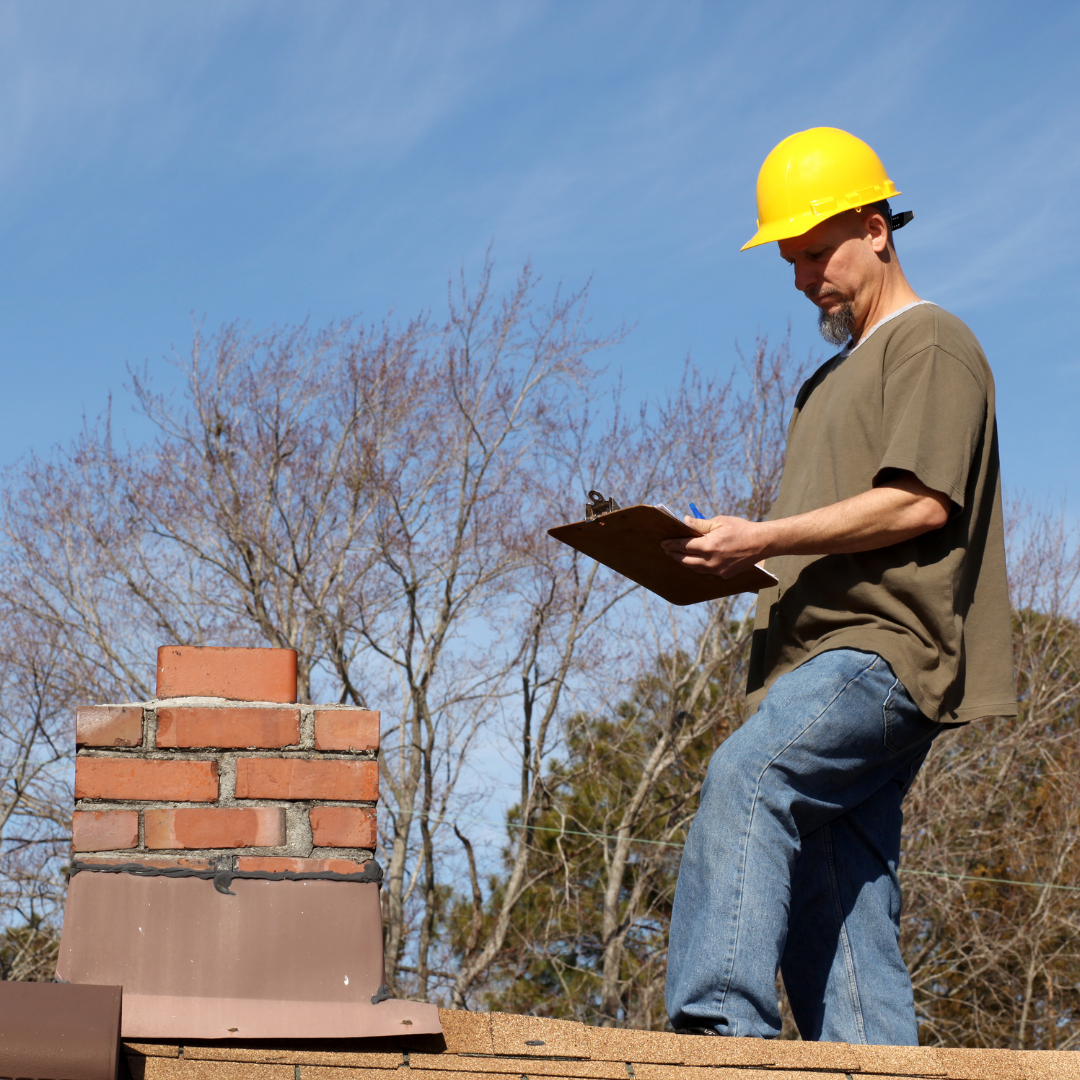
Before recommendations can be made, the roofing contractor needs to understand the building and its existing roof.
A site evaluation provides an opportunity to examine the condition of the current roofing system and identify factors that could affect the project.
Depending on the building and project, the evaluation may consider the existing membrane or roofing material, drainage, flashing, penetrations, insulation, roof deck conditions, access points, rooftop equipment, and areas showing signs of deterioration.
The size and configuration of the roof also matter. A large industrial facility with extensive rooftop equipment presents different planning considerations than a school, office building, or municipal property.
Understanding those conditions early helps establish the scope of work and allows the contractor and property owner to discuss repair, restoration, reroofing, or replacement options.
Rodd Roofing's commercial services include surveying existing roofs as well as helping customers plan and budget for future roofing projects.
2. Selecting the Right Commercial Roofing System
There isn't one roofing material that's right for every commercial building.
Material selection should account for the existing structure, roof slope, drainage, building use, budget, energy considerations, expected service life, and long-term plans for the property.
Rodd Roofing installs multiple commercial roofing systems, including single-ply membranes such as EPDM, TPO, and PVC, along with metal retrofit and liquid-applied membrane systems. Its single-ply portfolio includes commercial and industrial projects throughout Vermont and New Hampshire.
For example, single-ply membranes are commonly used for commercial and low-slope roofs. Rodd Roofing notes that these systems offer waterproofing characteristics and a variety of application methods, while certain systems also provide reflective or “cool roof” options.
In other situations, restoration may be worth evaluating. Rodd Roofing's liquid-applied membrane systems, for example, can be used in appropriate circumstances to restore an existing roof without a complete replacement.
The goal isn't simply to choose a popular material. It's to identify a roofing system appropriate for the particular building and its long-term needs.
3. Building Safety Into the Roofing Plan
Safety planning is an essential part of a large commercial roofing project.
On an occupied property, roofing activity may occur above employees, customers, students, patients, visitors, or members of the public. Materials and equipment may need to be moved around the property, and contractors need safe ways to access the roof.
Before work begins, the project team needs to consider how roofing operations will interact with the building and the people using it.
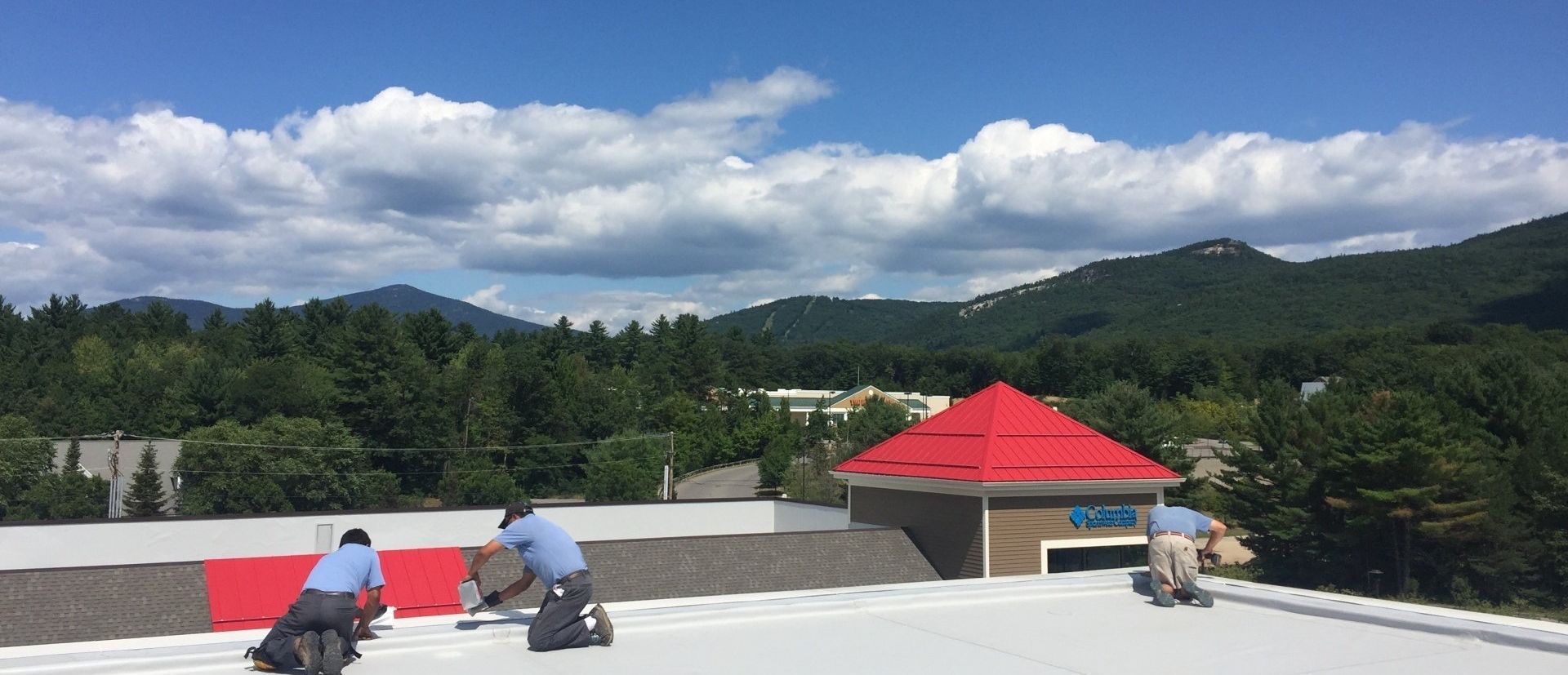
That can include planning access to work areas, material staging, equipment placement, fall protection, and ways to keep roofing activities separated from normal building traffic.
Safety is especially important on complex commercial projects involving large roof areas or specialized equipment.
Rodd Roofing has publicly emphasized workplace safety and received the Acuity Insurance Safety Award in 2021 for its safety efforts.
4. Scheduling Roofing Work Around Business Operations
For many commercial property owners, shutting down the building for a roofing project isn't practical.
A school still has students and staff. A hospital or healthcare facility may operate around the clock. A manufacturing plant has production schedules. Municipal buildings need to remain accessible to the public. Retail and commercial facilities have customers, deliveries, and employees moving throughout the property.
Those realities need to be considered when the roofing schedule is developed.
Project planning may consider building access, delivery schedules, operating hours, rooftop HVAC equipment, loading areas, parking, noise-sensitive activities, and other property-specific requirements.
Some projects may also be completed in phases so that roofing work progresses across different sections of a large building rather than affecting the entire roof area at once.
Communication between the roofing contractor and the building's facility or property management team becomes particularly important.
The objective is to complete the roofing work efficiently while minimizing unnecessary disruption to the organization operating underneath it.
5. Accounting for Vermont and New Hampshire Weather
Weather is always a factor in roofing, but it takes on additional importance when planning large projects in Vermont and New Hampshire.
Snow, freeze-thaw cycles, rain, wind, heat, and changing seasonal conditions can all affect roofing work and the long-term performance of the finished system.
Rodd Roofing notes that Vermont roofing systems face heavy snow loads, freeze-thaw cycles, spring rain, summer humidity, and high winds throughout the year.
Project schedules therefore need enough flexibility to account for changing conditions.
Weather also affects the roofing system selected for the building. For commercial and low-slope roofs, proper drainage is particularly important because water needs a reliable path away from the building. Rodd Roofing notes that even roofs described as “flat” are designed with slope for drainage.
Planning for Vermont and New Hampshire weather isn't only about choosing the best day to start construction. It's about designing and installing a roofing system capable of performing through the region's changing seasons.
6. Planning for Drainage, Equipment and Roof Penetrations
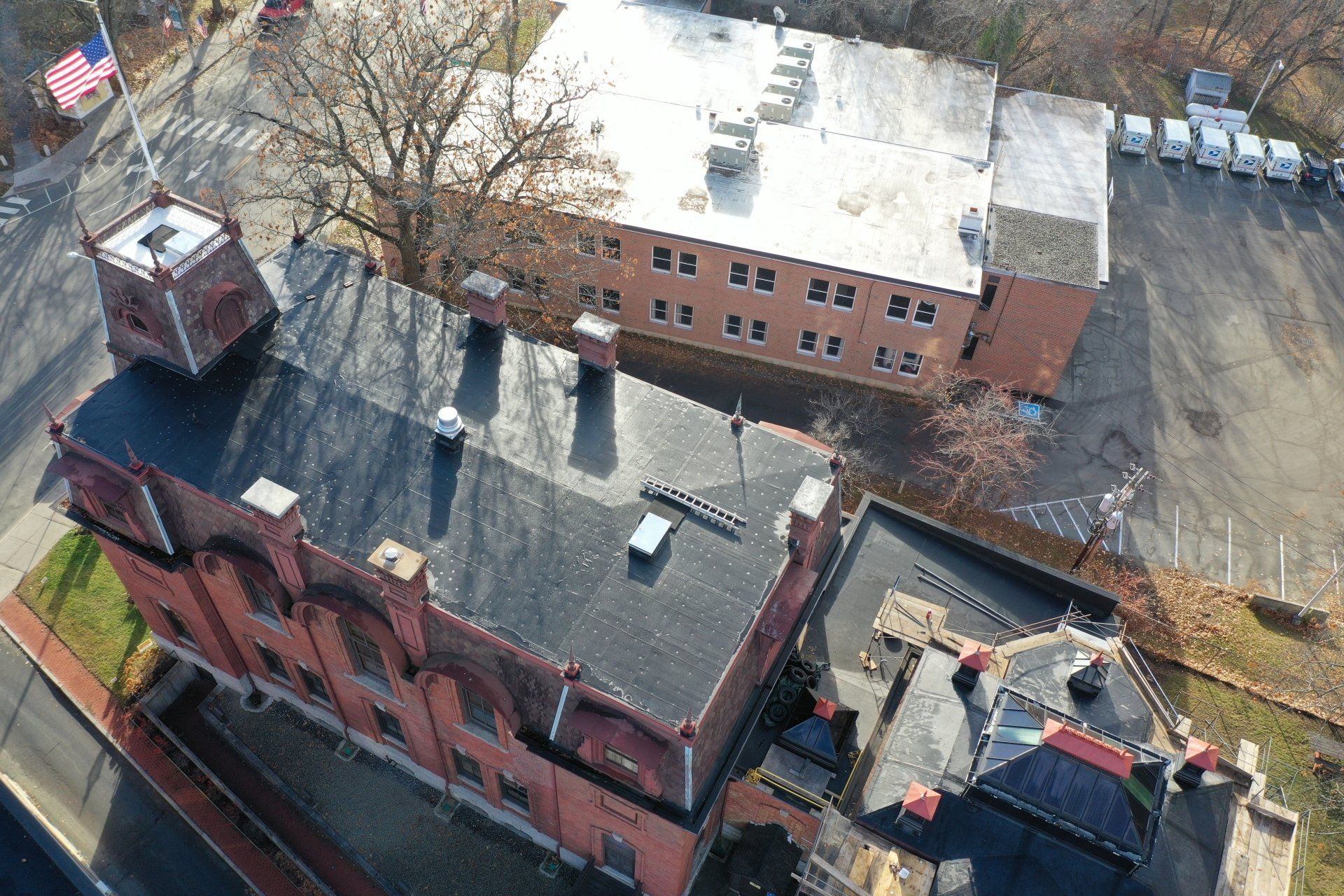
Large commercial roofs rarely consist of an uninterrupted roofing surface.
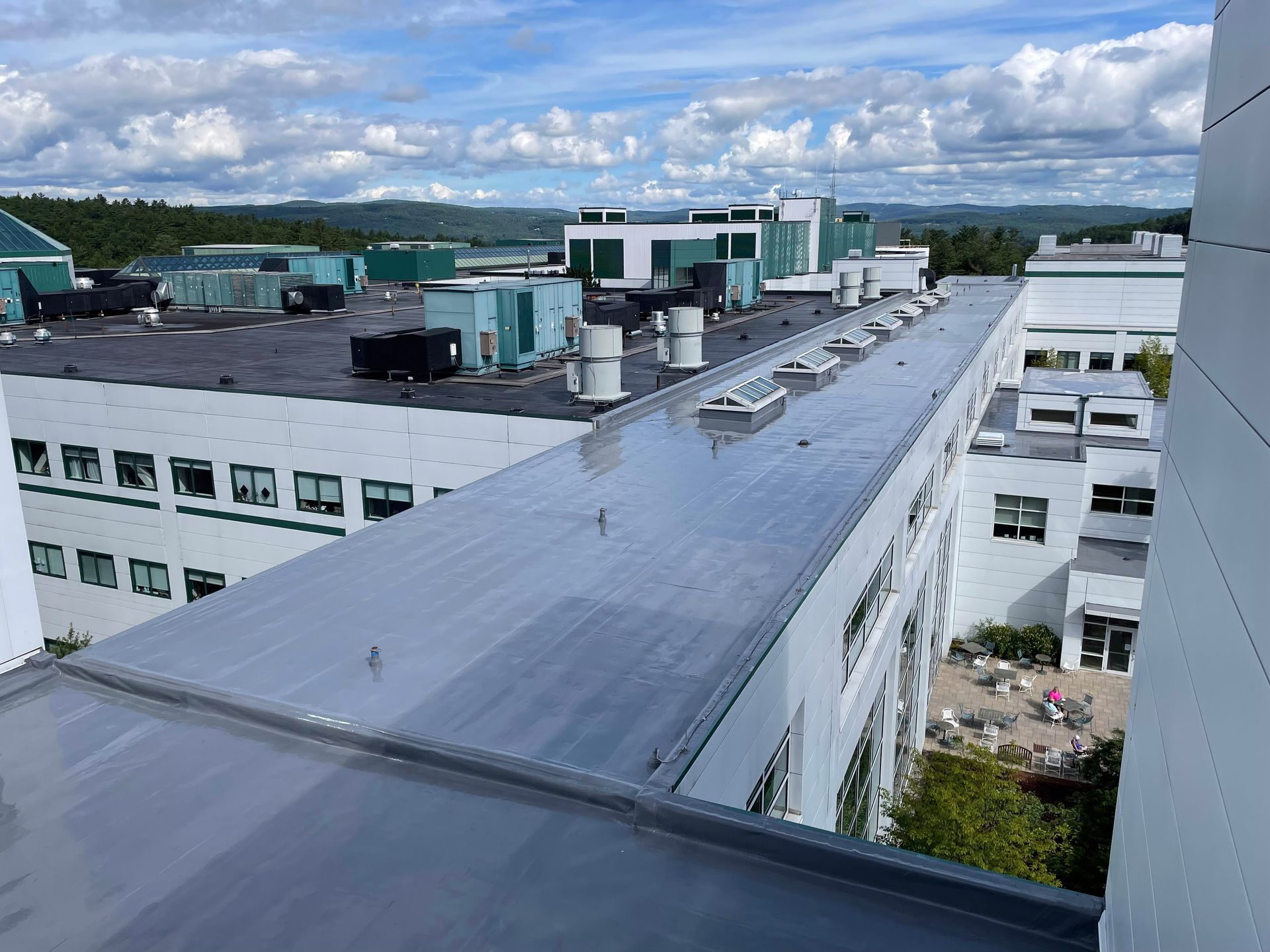
HVAC systems, vents, pipes, drains, skylights, curbs, electrical equipment, and other penetrations can make commercial roofing considerably more complex.
Each of these areas needs to be accounted for during project planning because transitions and penetrations require appropriate roofing details and flashing.
Drainage deserves particular attention.
Blocked or inadequate drainage can contribute to ponding water on low-slope roofs. Over time, water can affect roofing materials and insulation, while winter conditions introduce additional concerns from snow and ice. Rodd Roofing recommends monitoring drainage and ponding as part of commercial roof care.
Evaluating these details before installation allows them to become part of the roofing plan rather than problems that have to be addressed later.
7. Planning Commercial Roof Maintenance Before the Project Is Finished
A commercial roofing project shouldn't be planned only around installation day.
Property owners should also think about what happens in the years that follow.
Routine inspections and preventative maintenance can help identify changes in membranes, seams, flashing, drainage, and penetrations before they develop into larger problems.
Documentation is valuable as well. Rodd Roofing recommends keeping records of commercial roof conditions, inspections, repairs, photographs, and roof access so building owners can monitor their roofing systems over time.
For large facilities, this information can become part of broader capital planning.
Facility managers can track developing conditions, prioritize future repairs, budget for maintenance, and begin planning for eventual restoration or replacement rather than waiting for an unexpected roofing emergency.
A well-planned commercial roofing project therefore considers both how the new roof will be installed and how it will be managed throughout its service life.
Good Commercial Roofing Starts With Good Planning
The roofing system may be what you see when a project is finished, but planning is what helps get it there.
Site evaluation, material selection, safety, scheduling, weather, drainage, building operations, and long-term maintenance all need to be considered before work begins.
This becomes increasingly important as buildings get larger and operations become more complex.
With more than 100 years of experience, Rodd Roofing provides commercial roofing services throughout Vermont and New Hampshire and works with property owners from initial roof surveys through planning and budgeting for future roofing projects.
How long does a commercial roofing project take?
The timeline for a commercial roofing project depends on the roof's size, condition, roofing system, project complexity, weather, and building operations. Large roofs may also be completed in phases. A site evaluation allows the contractor to better understand the scope and develop an appropriate project schedule.
How do you plan a commercial roof replacement?
Commercial roof replacement planning begins with evaluating the existing roof and building conditions. From there, the contractor and property owner can consider roofing materials, drainage, insulation, penetrations, safety requirements, building operations, weather, scheduling, and long-term maintenance.
What is the best roofing material for a large commercial building?
There is no single best roofing material for every commercial building. The appropriate system depends on factors such as roof slope, existing construction, drainage, building use, budget, energy goals, and long-term plans. Commercial options offered by Rodd Roofing include EPDM, TPO, PVC, metal retrofit systems, and liquid-applied membranes.
Can a business stay open during a commercial roof replacement?
Many commercial buildings can remain operational during roofing work, depending on the project and site conditions. Careful scheduling, staging, access planning, communication, and sometimes phased construction can help reduce disruption. The specific plan should be developed around the building's operations and safety requirements.
How much does a commercial roof replacement cost?
Commercial roof replacement costs vary considerably from project to project. Roof size, existing conditions, tear-off requirements, insulation, drainage, roofing material, penetrations, accessibility, labor, and project complexity can all affect the final cost. A professional site evaluation is necessary for an accurate project estimate.
When should I start planning a commercial roof replacement?
Planning should begin before recurring leaks or major roof failure force an emergency decision. Routine inspections and maintenance records can help property owners understand how their roof is changing and provide more time to budget, evaluate roofing systems, and schedule work around business operations. Rodd Roofing's services specifically include surveying current roofs and helping customers plan and budget for future projects.
Frequently Asked Questions
About Large Commercial Roofing Projects