
How Trees Can Affect Your Roof: Summer Growth and Seasonal Maintenance
Protect Your Roof by Managing Nearby Trees
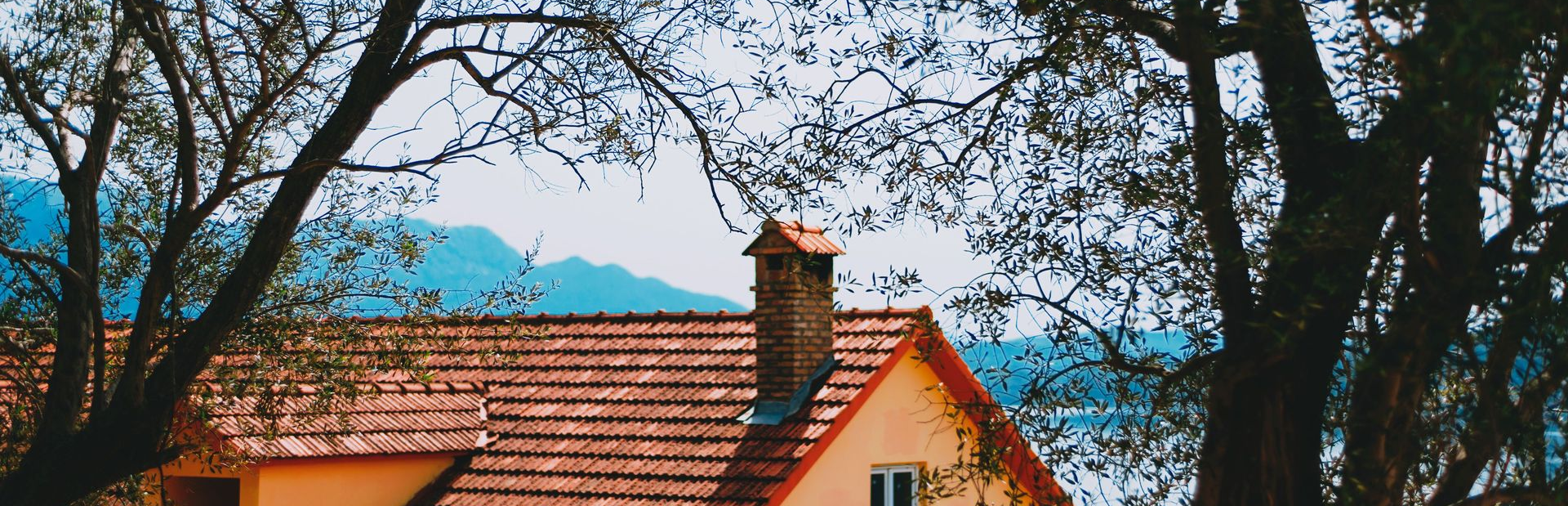
Mature trees can add shade, privacy, and natural beauty to a home, but they can also create problems for the roof overhead. By late summer, branches may have grown closer to the house, shaded areas may be holding moisture, and leaves or twigs may already be collecting in gutters and roof valleys.
August is an ideal time to inspect the vegetation around your home before autumn leaves begin to fall. Addressing tree-related concerns now can improve drainage, reduce the risk of roof damage, and help prepare your roofing system for Vermont and New Hampshire’s colder seasons.
How Do Trees Affect Your Roof?
Trees can affect a roof through direct contact, falling debris, excess shade, clogged drainage systems, and easier access for animals. A branch does not need to fall during a major storm to cause trouble. Repeated contact between a branch and the roof can gradually scrape or wear roofing materials, while debris can trap moisture in vulnerable areas.
The risk often increases during late summer, when branches are full and heavy. A tree that appeared safely separated from the house in spring may be much closer to the roof by August.
Overhanging Branches Can Damage Roofing Materials
Branches hanging above or beside the roof can cause both sudden and gradual damage. During high winds, they may strike shingles, flashing, gutters, or roof edges. Smaller limbs may scrape across the surface, loosening protective granules or damaging roofing materials over time.
A broken branch can also puncture or dislodge part of the roof, particularly if it lands near a valley, ridge, vent, skylight, or chimney. Even when the impact does not cause an immediate leak, it may create a vulnerable area that allows water to enter during future storms.
Homeowners should look for branches that touch the roof, hang directly above it, or appear weak, cracked, dead, or heavily weighted. These conditions should be evaluated before fall winds, snow, and ice place additional stress on the tree.
Shade Can Encourage Moss and Algae Growth
Shade helps keep a home cooler, but constant shade can also slow the roof’s drying process after rain or morning dew. When moisture remains on the surface, moss and algae may be more likely to develop.
Moss is especially concerning because it can grow beneath or between shingles. As it thickens, it may lift shingle edges and create pathways for moisture. Moss also holds water against the roofing surface, which can contribute to deterioration over time.
Dark streaks caused by algae are often more of an appearance issue, but any unusual growth or discoloration should be examined before a homeowner attempts to remove it. Aggressive pressure washing, scraping, or harsh cleaning methods can damage shingles and shorten their useful life.
Improving sunlight and airflow through appropriate tree pruning may help the roof dry more efficiently. Existing moss or algae should be assessed by a roofing professional who can recommend a method suitable for the roofing material.
Leaves and Debris Can Block Roof Drainage
Trees naturally deposit leaves, seeds, needles, bark, and small branches on nearby roofs. Much of this material eventually moves toward gutters, downspouts, valleys, and other drainage areas.
When those pathways become blocked, rainwater may back up beneath the roof edge, spill over gutters, or collect against fascia and exterior walls. Trapped debris can also hold moisture against shingles and flashing long after the rest of the roof has dried.
The problem often becomes more severe in autumn. Gutters that are already partially obstructed in August can quickly become overwhelmed once leaves begin falling. Clearing debris before fall helps rainwater and melting snow move away from the home as intended.
Gutter cleaning should be completed safely from an appropriate ladder or by a qualified professional. Homeowners should avoid walking on the roof, since steep slopes, loose debris, moss, and wet surfaces can create serious fall hazards.
Nearby Trees Can Give Animals Access to the Roof
Branches that extend toward the roof can act as pathways for squirrels, raccoons, and other animals. Once on the roof, animals may damage shingles, vents, soffits, fascia, or flashing while searching for shelter or an entry point.
Small openings are particularly vulnerable. Loose vent covers, damaged soffits, separated flashing, and gaps near the roof edge can allow animals to enter the attic. Nesting materials may also block vents or interfere with proper drainage.
Trimming nearby branches can make access more difficult, but homeowners should also watch for scratching sounds, disturbed shingles, damaged screens, droppings, or signs of nesting. Any opening in the roofing system should be repaired properly rather than covered temporarily without determining whether an animal is still inside.
Trim Trees Without Creating More Roof Damage
Tree trimming near a house requires careful planning. Cutting a large or poorly supported limb can cause it to swing, split, or fall onto the roof. Ladders, ropes, power tools, and nearby electrical lines introduce additional hazards.
Homeowners may be able to handle light pruning from the ground with appropriate tools. Large branches, tall trees, damaged limbs, or growth directly above the roof should generally be handled by a qualified tree-care professional.
Branches should not be cut or dropped onto the roofing surface, and workers should avoid using the roof as a staging area. After significant pruning is completed, the roof should be checked for impact damage, displaced materials, and debris left behind.
Tree work and roof repair are different specialties. An arborist can evaluate the health and tree structure, while a roofing professional can determine whether surrounding vegetation has damaged the roofing system.
Protect Shingles, Flashing, and Roof Edges
Tree-related damage is often concentrated in specific parts of the roof. Shingles beneath overhanging branches may show unusual wear, staining, moss, missing granules, or lifted edges. Metal flashing around chimneys, walls, vents, and other transitions may become bent or loosened by falling limbs.
Roof edges are also vulnerable. Heavy branches can damage gutters, drip edges, fascia, and soffits, while accumulated debris may conceal deterioration beneath the surface.
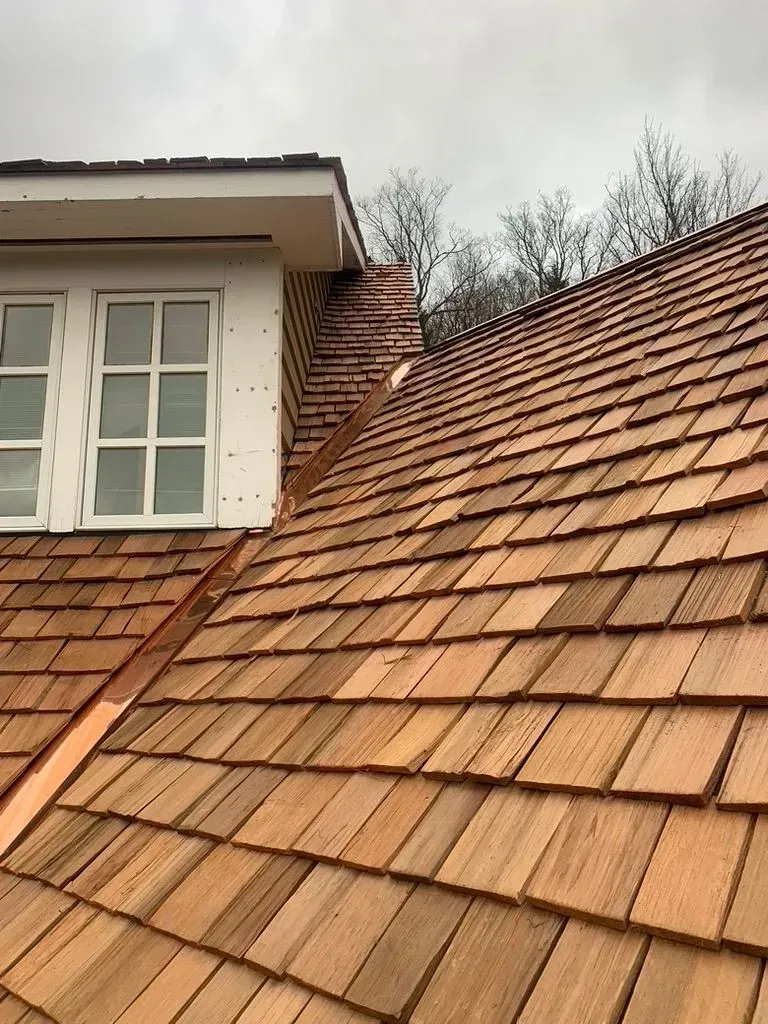
Rodd Roofing works with several residential roofing materials, including asphalt shingles, wood shingles, standing-seam metal, copper, and slate. Each system responds differently to impact, moisture, biological growth, and cleaning, so a professional evaluation is important before repairs or maintenance begin.
Why Late-Summer Maintenance Matters
Tree maintenance is most effective when it is proactive. Removing risky branches, improving airflow, and clearing drainage areas in late summer can reduce the amount of debris that reaches the roof in fall. It also provides time to identify damage before colder temperatures and winter precipitation arrive.
Routine roof inspections and preventative maintenance can help homeowners identify small concerns before they lead to more extensive repairs. Rodd Roofing’s blog emphasizes regular inspections and practical maintenance as important steps in extending roof performance and helping property owners make informed decisions.
A professional evaluation may uncover damage that cannot be seen safely from the ground, including loosened flashing, worn shingles, concealed impact points, deteriorated roof edges, and moisture trapped beneath debris.
Protect Your Roof Before Fall Arrives
Trees and roofs can coexist successfully, but they require regular attention. Keeping branches safely separated from the house, maintaining clear gutters, monitoring shaded areas, and addressing animal access points can help protect the roof throughout the year.
Late summer is a valuable opportunity to evaluate these conditions before autumn leaves, storms, and colder weather make existing problems worse.
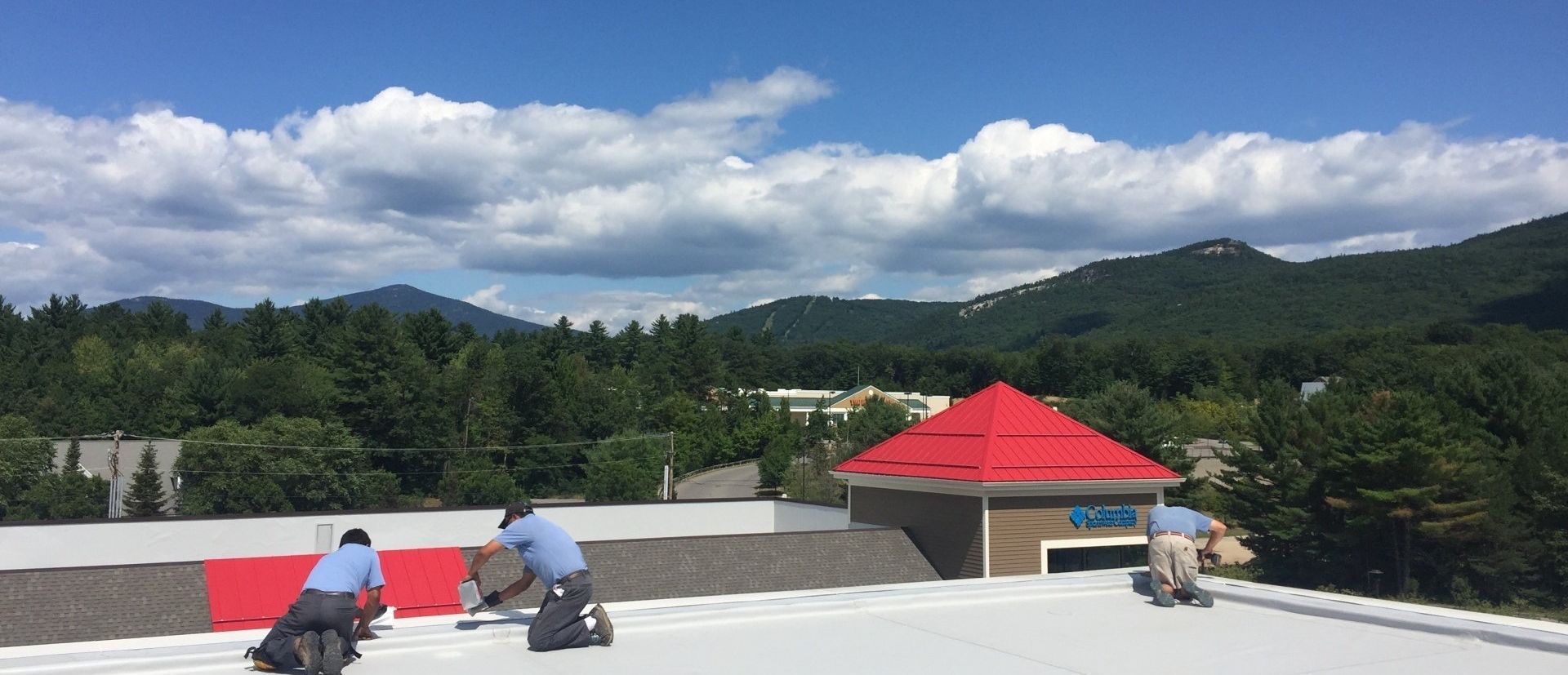
Rodd Roofing provides residential and commercial roofing services for new construction and reroofing projects in Vermont and New Hampshire.
Frequently Asked Questions
How far should tree branches be from a roof?
There is no single distance that is appropriate for every tree or property. Branches should be far enough away that they cannot touch or strike the roof during normal wind. A qualified arborist can recommend safe clearance based on the tree’s size, species, health, and location.
Can leaves damage roof shingles?
Leaves can trap moisture against the roof, collect in valleys, and contribute to blocked gutters. If they remain in place, the damp debris may encourage moss growth and slow the roof’s drying process.
Is moss on a roof a serious problem?
Moss can retain moisture and grow beneath shingle edges, potentially lifting or damaging them. Homeowners should avoid scraping, pressure washing, or using harsh chemicals without professional guidance.
Should I trim branches that hang over my roof?
Overhanging branches should be evaluated and trimmed when they could contact the roof, drop debris, or break during a storm. Large, high, or damaged limbs should be handled by a qualified tree-care professional.
Should the roof be inspected after tree trimming?
An inspection is useful when branches have fallen onto the roof, large limbs were removed directly overhead, or workers may have contacted the roofing surface. A roofer can check for impact damage, loose materials, and debris around gutters and flashing.