Why Late Summer Is the Best Time to Schedule a Roof Inspection
Inspect Now, Avoid Costly Repairs Later
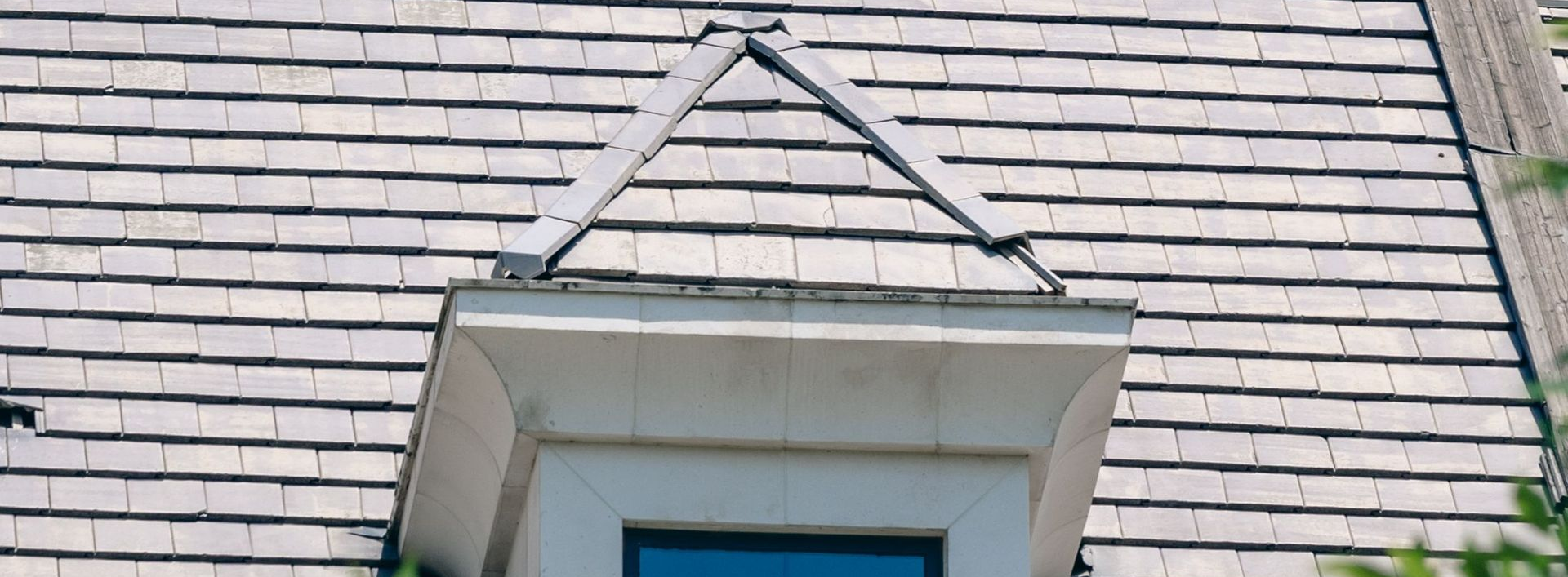
Late summer is one of the most practical times to have your roof professionally inspected. By August, months of heat, rain, wind, debris, and building activity may have left behind damage that is easy to overlook from the ground. At the same time, cooler temperatures, falling leaves, autumn storms, and winter weather are approaching.
Scheduling a roof inspection now gives homeowners and property managers time to identify developing problems and complete necessary repairs before harsher conditions arrive. A small opening, loose flashing, damaged seam, or blocked drainage area may not seem urgent during dry weather, but it can quickly become the source of a serious leak during a fall storm or winter freeze-thaw cycle.
Why Is Late Summer a Good Time for a Roof Inspection?
Late summer generally provides favorable conditions for examining a roofing system. Longer daylight hours and relatively stable weather can make it easier for roofing professionals to inspect the roof surface, drainage components, seams, flashing, penetrations, and other vulnerable areas.
August also creates an important maintenance window between two demanding seasons. Summer weather may have stressed the roof, while fall and winter will introduce additional moisture, wind, leaves, snow, ice, and fluctuating temperatures. An inspection during this transition helps establish whether the roofing system is ready for what comes next.
Rodd Roofing recommends routine roof assessments because finding and repairing small problems can help prevent larger, more expensive damage. Its maintenance inspections include checking seams, curbs, penetrations, parapets, coping, scuppers, gutters, flashing, roof surfaces, skylights, vents, and previous repairs.
Summer Can Leave Behind Hidden Roofing Problems
A roof does not need to experience a major storm to develop damage. Normal summer conditions can gradually affect roofing materials and details.
Prolonged sun and heat can place stress on exposed surfaces and sealants. Wind can loosen materials or deposit branches and other debris on the roof. Heavy rain can reveal drainage problems, while foot traffic from HVAC technicians, maintenance crews, or other contractors may result in cuts, punctures, or displaced components—particularly on commercial and low-slope roofing systems.
Some of this damage remains unnoticed because it has not yet caused an interior leak. A professional inspection can identify early warning signs before water reaches insulation, decking, walls, ceilings, or occupied areas.
Signs Your Roof May Need Professional Attention
Visible water inside the building is an obvious reason to call a roofing professional, but it is not the only warning sign. Ceiling stains, damp insulation, musty odors, peeling interior finishes, and unexplained moisture may indicate that water is entering somewhere in the roofing system.
Outside, warning signs may include cracked or worn roofing surfaces, damaged flashing, loose materials, open seams, deteriorated sealant, debris around drains, standing water, or damage near vents, skylights, curbs, and other penetrations.
Property managers should also pay attention to drainage performance. Water that remains on a low-slope roof or collects near blocked drains and scuppers can place unnecessary stress on the system. Sika’s commercial roof-maintenance guidance recommends preparing roofs before winter and inspecting them after severe wind or storm events.
Even when no damage is visible from the ground, an inspection may still be appropriate if the roof is aging, has experienced recent severe weather, has had frequent rooftop activity, or has not been evaluated in recent years.
Repairing Damage Before Fall Can Prevent an Emergency
Roofing problems rarely improve on their own. Once water finds an opening, repeated rain and temperature changes can allow the damage to spread beyond the original trouble spot.
Completing repairs in late summer can help protect the building before falling leaves obstruct drainage paths and colder temperatures complicate exterior work. It may also give property owners more time to review findings, understand repair options, plan around building operations, and budget appropriately.
Preventative work is typically less disruptive than responding to an active leak during a storm. It can also reduce the risk of damaged insulation, stained ceilings, interrupted business operations, wet inventory, structural deterioration, and emergency service calls.
Routine Inspections Can Help Extend Roof Service Life
Every roofing system eventually requires repair or replacement, but regular maintenance can help it perform effectively for as long as possible. The National Roofing Contractors Association notes that preventative maintenance and routine inspections are important to roof performance and service life.
The goal of an inspection is not simply to determine whether the roof is leaking today. It is to identify conditions that may become leaks later.
Repairing a small cut, restoring a vulnerable detail, securing loose flashing, clearing a drainage path, or correcting an aging sealant joint may help prevent moisture from reaching other parts of the assembly. Inspections also create an opportunity to monitor changes over time and confirm that previous repairs remain intact.
For property managers, this documentation can support more informed maintenance planning. Instead of reacting to unexpected failures, the roof can be managed as an important building asset.
What Happens During a Professional Roof Inspection?
A professional roof inspection should evaluate the roofing system as a whole rather than focusing only on one visible concern.
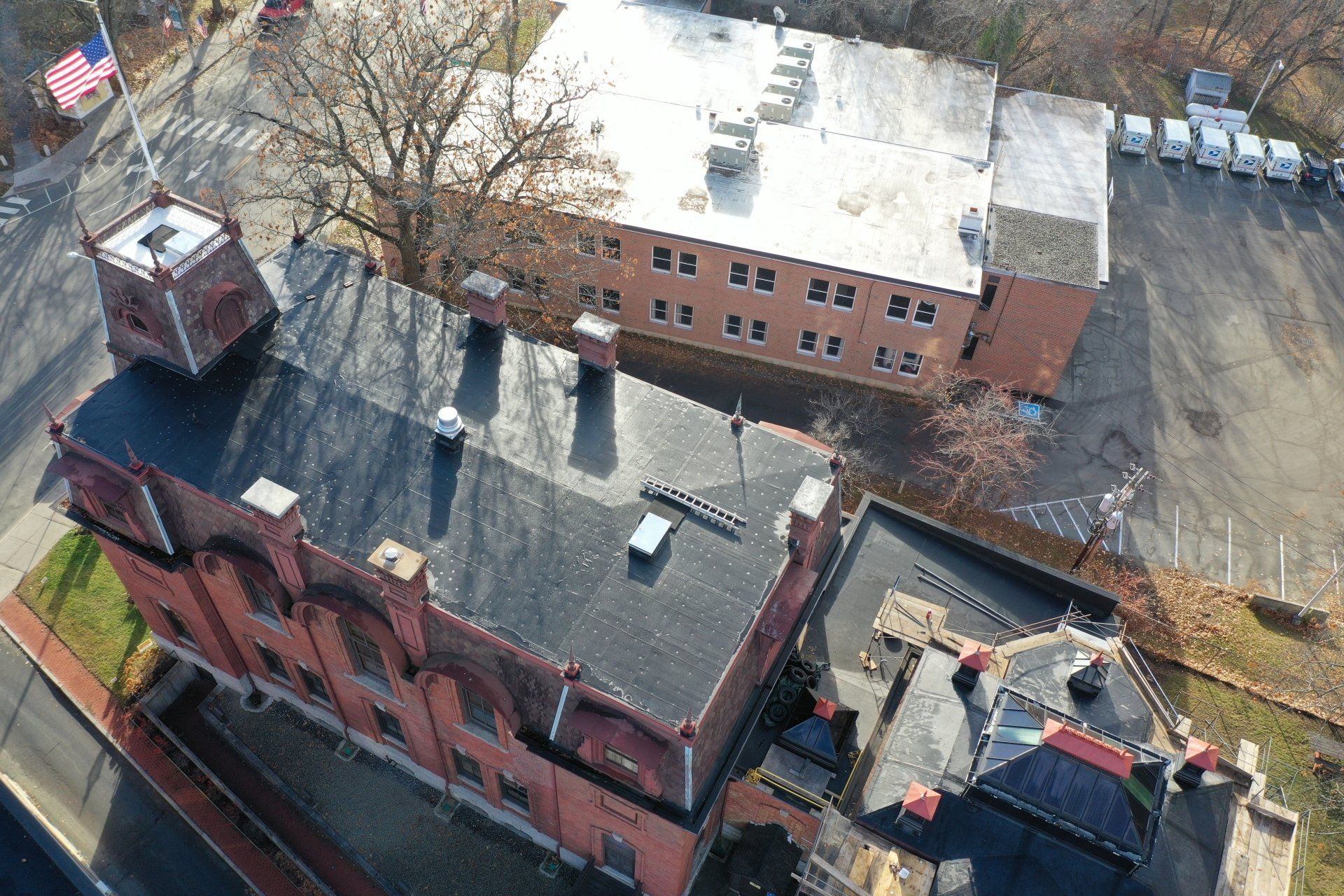
Depending on the roof type, the contractor may examine the general surface for cuts, cracks, wear, loose materials, open seams, or other deterioration. Flashing, parapets, metal coping, gutters, scuppers, drains, curbs, skylights, hatches, vents, and other penetrations should also receive attention because transitions and openings are common areas of vulnerability.
The inspector may look for accumulated debris, signs of ponding water, previous repair areas, drainage restrictions, and evidence of moisture entry. Carlisle SynTec’s inspection guidance similarly emphasizes examining the roof and its common details systematically.
After the evaluation, the roofing professional should explain any concerns discovered and recommend an appropriate next step. That may involve a minor repair, additional investigation, ongoing monitoring, or a broader maintenance plan.
Prepare Your Roof Before the Weather Changes
August offers a valuable opportunity to address roof maintenance while there is still time to act before fall storms and winter conditions arrive. A late-summer roof inspection can reveal damage from the warmer months, identify vulnerable areas, and help prevent minor concerns from turning into disruptive leaks or costly emergency repairs.
Rodd Roofing has provided residential and commercial roofing services in Vermont and New Hampshire for more than a century. Its repair and maintenance services are designed to help property owners identify small issues, protect their buildings, and get more value from their roofing systems.
Late-Summer Roof Inspection FAQs
When should I schedule a roof inspection?
A roof should be inspected regularly and after severe weather or any event that may have caused damage. Late summer is particularly useful because it allows time to address summer wear before fall storms, leaves, snow, and freezing temperatures arrive.
Can a roof have damage even when it is not leaking?
Yes. Open seams, damaged flashing, cuts, cracks, drainage problems, and deteriorated sealants may be present before water becomes visible inside the building. Finding these conditions early can help prevent more extensive damage.
What parts of a roof are checked during an inspection?
A professional inspection may include the roof surface, seams, flashing, penetrations, curbs, parapets, drains, scuppers, gutters, skylights, hatches, vents, metal components, and previous repair areas. The exact process depends on the roof’s design and materials.
How long does a professional roof inspection take?
The length of an inspection depends on the size, design, accessibility, and condition of the roof. Most inspections can be completed with minimal disruption to building occupants or daily operations.
Should a roof be inspected after a summer storm?
Yes. High winds, heavy rain, hail, and falling debris can damage roofing materials, flashing, seams, and drainage components. A professional inspection can identify storm damage before it leads to leaks or more extensive repairs.