Understanding Roof Ventilation: One of the Most Overlooked Parts of Your Roofing System
Better Airflow, Better Roof Performance
When homeowners notice curling shingles, ice dams, high indoor temperatures, or moisture in the attic, they may assume the roofing material is the problem. In many cases, however, the underlying issue may be poor attic ventilation.
A properly designed roof ventilation system helps move excess heat and moisture out of the attic throughout the year. During summer, it reduces the buildup of superheated air beneath the roof deck. During winter, it helps manage moisture that rises from the living space and can otherwise condense on cold attic surfaces.
Ventilation may not be the most visible part of a roofing system, but it plays an important role in protecting the roof, the attic, and the home below.
Proper Airflow Protects More Than Your Roof
Balanced attic ventilation helps control heat and moisture before they contribute to roof deterioration, condensation, mold, damaged insulation, or ice dams. It may also reduce the amount of heat transferred from an overheated attic into the occupied areas of the home.
Rodd Roofing identifies adequate ventilation as an important part of a healthy attic environment and long-term roof performance. Its roofing terminology guide explains that ridge vents allow warm, humid attic air to escape near the highest part of the roof.
How Does Roof Ventilation Work?
Most ventilated attic systems rely on two complementary components: intake ventilation and exhaust ventilation.
Intake vents are generally located near the lower edges of the roof, often in the soffits or eaves. They allow cooler, drier outdoor air to enter the attic. Exhaust vents are positioned higher on the roof, commonly along the ridge, where warmer air and moisture can leave.
When these components are properly sized and unobstructed, air can continuously move through the attic. Owens Corning describes effective attic ventilation as a system in which air has a clear way to enter and exit, while GAF recommends balancing intake near the soffits with exhaust near the roof’s upper areas.
A ridge vent alone does not necessarily provide effective airflow. If the soffit vents are blocked by insulation, painted over, covered by debris, or missing altogether, the system may not have enough intake air to function as intended.
The appropriate ventilation design depends on the home’s roof shape, attic layout, insulation, and construction. That is why simply adding more vents is not always the right solution.
What Are the Signs of Poor Attic Ventilation?
Poor ventilation can reveal itself in different ways depending on the season. Homeowners may notice that upper-floor rooms become unusually hot during summer or that the air-conditioning system runs frequently without keeping those rooms comfortable.
Inside the attic, warning signs can include condensation, damp or compressed insulation, rusted fasteners, stained roof decking, musty odors, or visible mold and mildew. On the exterior, cracked or curling shingles, uneven snowmelt, and repeated ice dams may indicate excessive heat or moisture beneath the roof.
GAF identifies excessive attic heat, visible moisture on roof decking, mold or mildew, curling shingles, and ice dams as potential signs of inadequate ventilation. These symptoms can have more than one cause, so a professional evaluation is needed to determine whether ventilation, insulation, air leakage, roofing damage, or a combination of issues is responsible.
Summer Heat Can Build Up Beneath the Roof
A roof absorbs significant solar heat on warm, sunny days. Without sufficient ventilation, heat can accumulate in the attic and raise temperatures around the roof deck, insulation, mechanical equipment, and rooms below.
This heat buildup can place additional stress on shingles and other roofing components. GAF notes that excess attic heat and moisture may contribute to premature deterioration of the roof system and its structural supports.
Ventilation does not replace proper insulation or air sealing, and it will not solve every comfort issue. However, balanced airflow can help prevent hot attic air from remaining trapped beneath the roof. Evaluating ventilation, insulation, and attic air leakage together provides a more complete picture of the home’s performance.
Winter Moisture Can Be Just as Damaging
Roof ventilation remains important after summer ends. Everyday activities such as cooking, bathing, cleaning, and using humidifiers add moisture to indoor air. Some of that warm, humid air can enter the attic through gaps around lights, wiring, attic hatches, ducts, and other openings.
When moisture reaches a cold roof deck, it may condense into liquid water or frost. Over time, repeated condensation can dampen insulation, stain roof decking, encourage biological growth, and contribute to deterioration.
Heat escaping into the attic may also warm parts of a snow-covered roof. Meltwater can then travel toward colder eaves and refreeze, contributing to ice dams. Rodd Roofing notes that proper attic insulation and ventilation can help maintain more consistent roof temperatures and reduce conditions associated with ice-dam formation.
Because ventilation alone cannot stop warm indoor air from leaking into the attic, air sealing and insulation may also need attention.
Does Roof Ventilation Improve Energy Efficiency?
Proper attic ventilation can support a home’s overall energy performance by helping release excessive summer heat and control moisture that can reduce the effectiveness of insulation.
When attic insulation becomes wet, compressed, or disturbed, it may not perform as intended. An overheated attic can also increase heat transfer into rooms below, particularly when insulation or air sealing is inadequate.
Ventilation should be viewed as part of a larger system that includes roofing, insulation, air sealing, and indoor moisture control. Adding vents without evaluating the rest of the attic may fail to resolve the problem and, in some cases, could disrupt the intended airflow.
A roofing evaluation can determine whether existing vents are properly placed, balanced, and clear of obstructions. Additional assessment by an insulation or building-performance professional may be appropriate when comfort, condensation, or energy concerns involve more than the roofing system.
Proper Ventilation Can Help Extend Roof Service Life
Roofing materials are designed to face rain, wind, snow, sunlight, and changing temperatures from the exterior. Poor ventilation can expose the underside of the roof system to additional heat and moisture from within the attic.
Over time, those conditions may contribute to damaged decking, premature shingle aging, corrosion, biological growth, or recurring winter problems. Owens Corning states that balanced intake and exhaust ventilation can help reduce heat and moisture buildup associated with roof deterioration and ice damming.
Ventilation cannot prevent normal aging or compensate for damaged shingles, failed flashing, or active leaks. It can, however, help create conditions that allow the roofing system and attic assembly to perform more effectively.
What Happens During a Roof Ventilation Evaluation?
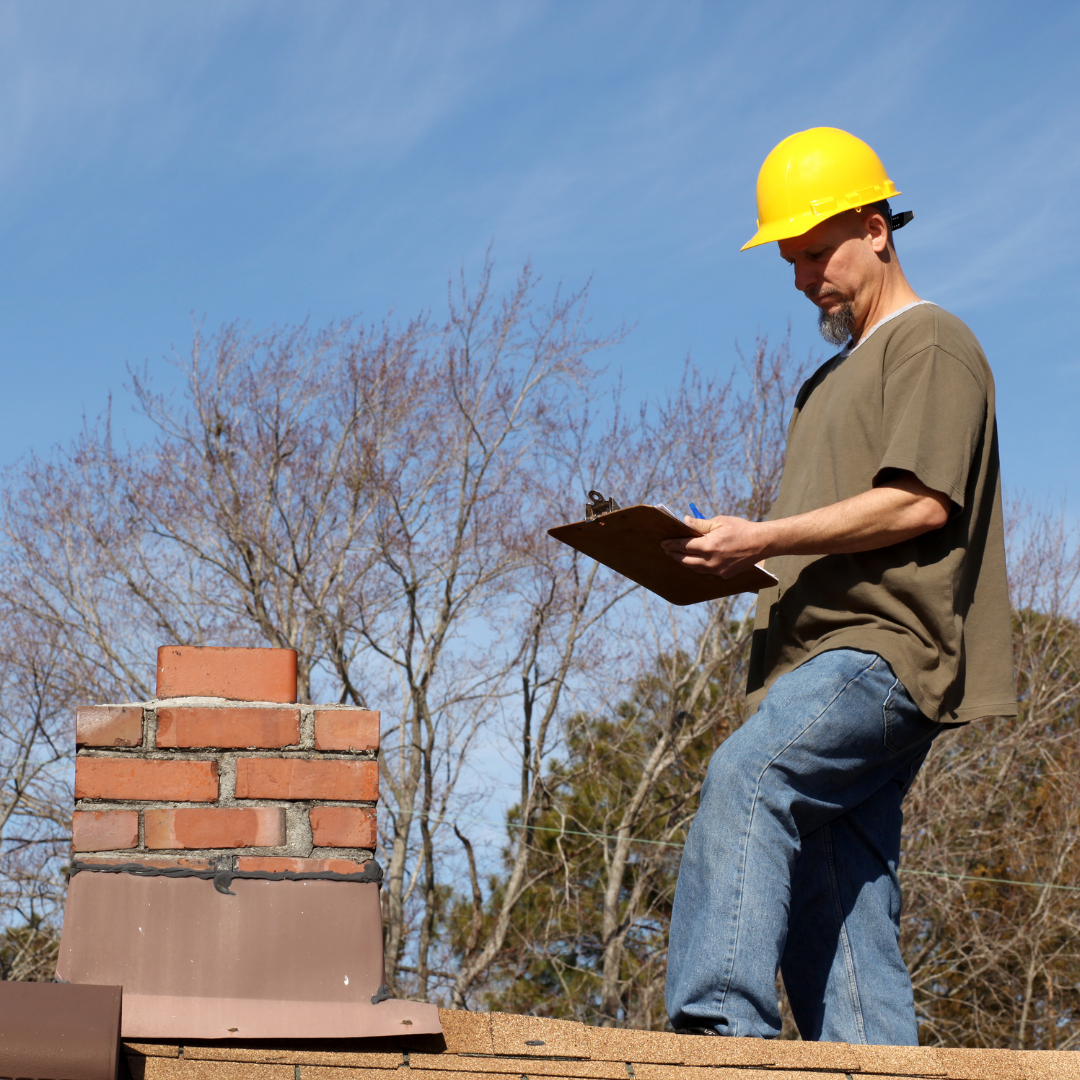
A professional evaluation begins with the entire roofing and attic system rather than a single vent.
The roofing contractor may examine the type, location, and condition of intake and exhaust vents. Soffit vents should be checked for blockages, and the attic should be reviewed to determine whether insulation is restricting airflow at the eaves. Baffles or rafter vents may be needed to preserve an air channel between the soffit and attic space. Owens Corning describes attic rafter vents as components that maintain space for air to move along the underside of the roof.
The evaluation may also include the roof deck, insulation, ridge, soffits, vents, flashing, and visible signs of moisture or overheating. The contractor should consider whether the system has enough ventilation for the attic area and whether intake and exhaust are reasonably balanced.
Because homes differ in design, the appropriate solution might involve clearing existing vents, correcting blocked airflow, repairing damaged components, improving intake ventilation, or modifying the exhaust system. Some homes with limited attic space may require a different approach than a conventional soffit-and-ridge arrangement.
Have Your Ventilation Checked Before Cold Weather
Roof ventilation works quietly behind the scenes, which makes it easy to overlook until visible damage appears. By then, moisture may already have affected insulation, roof decking, or interior finishes.
A late-summer or early-fall evaluation provides an opportunity to identify blocked soffits, inadequate airflow, damaged vents, attic moisture, and other concerns before colder temperatures arrive. It can also help homeowners determine whether a roofing symptom is truly caused by the shingles or by conditions beneath them.
Roof Ventilation FAQs
Does every roof need ventilation?
Most homes with unfinished attic spaces require some form of ventilation, but the correct design depends on the roof structure, attic configuration, insulation strategy, and applicable building requirements. Homes with compact or conditioned roof assemblies may use different methods and should be evaluated individually.
Is a ridge vent enough by itself?
Usually, a ridge vent needs adequate intake ventilation near the lower part of the roof to work effectively. Without sufficient intake, warm and humid air may not move out of the attic as intended.
Can attic insulation block roof ventilation?
Yes. Insulation placed directly over soffit vents can restrict incoming air. Properly installed baffles can help maintain an open path from the soffits into the attic.
Can poor ventilation cause ice dams?
Poor ventilation can contribute to the uneven roof temperatures associated with ice dams, especially when combined with insufficient insulation or attic air leakage. Proper ventilation, insulation, and air sealing should be considered together.
Will adding more vents fix a hot attic?
Not necessarily. The system must have correctly sized and balanced intake and exhaust ventilation. Insulation, air sealing, roof design, and blocked airflow should also be evaluated before vents are added.
How often should roof ventilation be inspected?
Ventilation should be reviewed during routine roofing evaluations and whenever homeowners notice excessive attic heat, condensation, musty odors, recurring ice dams, or unusual shingle deterioration. It should also be checked after insulation work or roof replacement to confirm that airflow paths remain open.