Commercial Roof Budgeting: Why August Is the Time to Plan for Next Year’s Capital Improvements
Plan Ahead to Protect Your Roof and Your Budget
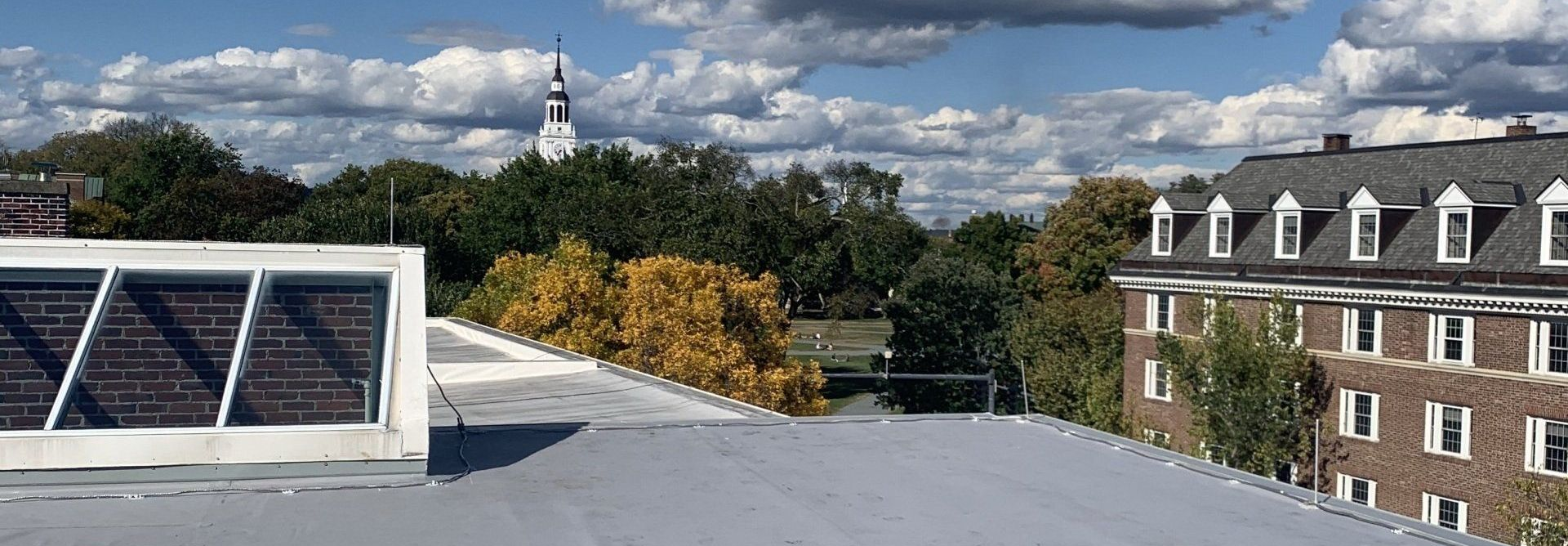
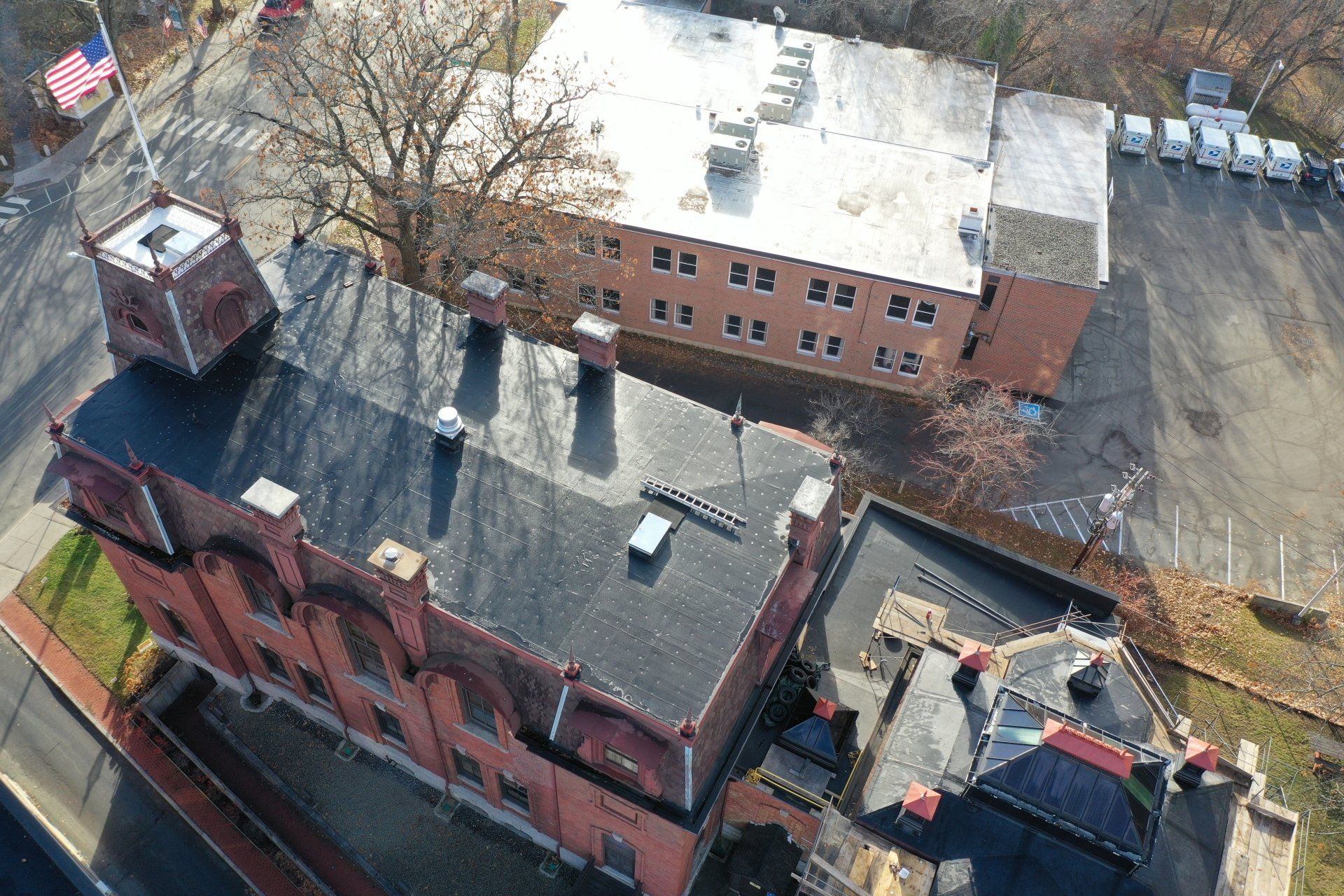
A commercial roof should not become a budget priority only after it begins leaking. For property owners, facility managers, municipalities, and schools, late summer is an important time to assess roof conditions and begin planning for the next fiscal year.
By August, organizations are often reviewing future capital needs, developing preliminary budgets, and determining which building improvements should take priority. Including the roof in those conversations can provide a clearer picture of upcoming repair, maintenance, restoration, or replacement needs.
Early planning does not require committing to a project immediately. It gives decision-makers time to understand the roof’s condition, compare options, estimate costs, and schedule work around operations. That preparation can reduce uncertainty and make it less likely that an unexpected leak will force an emergency decision later.
Plan Today for a More Predictable Roofing Budget
Proactive commercial roof budgeting helps replace unexpected expenses with informed capital planning. Instead of waiting for a leak or system failure, an organization can assess the roof, prioritize concerns, and determine which improvements should be addressed now, next year, or farther into the future.
This approach is especially valuable for schools, municipal buildings, manufacturing facilities, offices, retail properties, and other buildings where an unplanned roof problem can disrupt daily operations.
A routine assessment may identify small repairs that can be completed before they spread. It may also reveal that a larger project is approaching, giving the organization time to obtain approvals, establish funding, and coordinate schedules.
Rodd Roofing recommends routine roof assessments because small repairs can help prevent larger problems and costly damage. Its commercial maintenance process includes checking roof surfaces, seams, curbs, penetrations, parapets, coping, scuppers, gutters, flashing, skylights, vents, and previous repair areas.
Why Proactive Roof Budgeting Can Save Money
Emergency roof work is difficult to plan around. When water enters a building, the immediate goal is to stop the leak and protect the interior—not to carefully compare long-term solutions or fit the expense into a capital plan.
Proactive budgeting creates more choices. An owner may have time to complete targeted repairs, build a preventative maintenance program, plan a restoration, or prepare for replacement before the system reaches a critical condition.
It also allows organizations to consider the indirect costs of roof failure. Water intrusion can affect insulation, ceilings, walls, equipment, inventory, classrooms, offices, and occupied spaces. Even a localized leak may create operational disruption that costs more than the roofing repair itself.
Rodd Roofing notes that no roof lasts forever, but identifying small concerns early can extend roof service life and help prevent more costly damage.
Assess the Roof’s Remaining Service Life
A roof’s age is important, but age alone does not determine when it should be replaced. Its remaining service life also depends on the roofing system, installation quality, maintenance history, drainage, rooftop traffic, exposure, previous repairs, and current condition.
A professional commercial roof assessment can help answer several budgeting questions:
- How well is the roof currently performing?
- Are there isolated concerns or widespread deterioration?
- Have previous repairs remained intact?
- Are drainage components working properly?
- Is moisture entering the system?
- Are near-term repairs likely to extend service life, or should the organization begin preparing for a larger capital project?
The purpose of the assessment is not simply to label a roof as “good” or “bad.” It should provide useful information for planning. A facility manager may learn that the roof needs only maintenance this year, several repairs next year, and possible replacement within a longer planning window.
That kind of phased outlook is much more useful than discovering a major need after the annual budget has already been finalized.
Repair, Restore, or Replace?
One of the most important capital-planning decisions is whether a commercial roof should be repaired, restored, or replaced.
REPAIRS
Repairs may be appropriate when damage is limited and the larger roofing system remains serviceable. These projects might address cuts, cracks, open seams, damaged flashing, deteriorated penetrations, drainage concerns, or localized wear.
RESTORATION
Restoration may be an option for certain existing roofs when the underlying system is a suitable candidate. Rodd Roofing offers silicone roof coating restoration systems in addition to commercial repair, maintenance, single-ply roofing, standing-seam roofing, and metal retrofit services.
REPLACEMENT
Replacement may be the stronger long-term choice when deterioration is widespread, moisture has affected a significant portion of the assembly, repairs are becoming frequent, or the roof has reached the end of its practical service life.
The least expensive immediate option is not always the most economical over time. A condition assessment helps organizations compare the upfront cost, expected service life, maintenance requirements, and operational impact of each approach.
Schedule Roofing Work Around Building Operations
Commercial roofing projects rarely happen in isolation. They must often be coordinated with staff schedules, public access, deliveries, production, school calendars, events, tenant needs, and other construction work.
Beginning the planning process in August gives facility teams more opportunity to identify workable project windows. A school may prefer construction during a break. A municipality may need to complete bidding and approval requirements. A manufacturing facility may need work coordinated around shutdown periods, sensitive equipment, or delivery schedules.
Early coordination can also help determine whether a project should be completed in phases. A large property with multiple roof sections may not need every area addressed at once. Condition data can help prioritize the most vulnerable sections while allowing less urgent work to remain in a future capital plan.
Rodd Roofing specializes in commercial roofing for new construction and reroofing projects and works with multiple systems suited to different building conditions and project needs.
Include Energy Performance in the Conversation
A planned roofing project is also an opportunity to evaluate the building envelope more broadly. Depending on the existing roof and proposed scope, the project team may consider insulation, roof color, reflectivity, air and moisture control, and other design factors that can influence building performance.
These decisions should be based on the building’s use, roof assembly, local climate, code requirements, and long-term facility goals. A school, warehouse, office, and industrial building may have very different priorities.
Energy-related improvements may require a larger initial investment, but they should be considered as part of the total project rather than added after the roofing plan is complete. Including them early allows owners to evaluate costs, potential benefits, and compatibility with the selected roofing system.
Not every roof requires the same solution. A professional assessment provides the starting point for discussing which improvements are technically appropriate for the building.
Preventative Maintenance Supports Long-Term Planning
A preventative maintenance program is one of the most useful tools in commercial roof budgeting. Regular inspections create a documented history of roof conditions, repairs, and recurring concerns. Over time, that information can make capital forecasts more accurate.
Rodd Roofing recommends biannual roof checkups in the spring and fall. Its maintenance services include clearing debris from drains and waterways, evaluating seams and penetrations, inspecting metal components and flashing, examining the roof surface for damage, and confirming that earlier repairs remain intact.
For facility managers, those inspections can provide more than a maintenance checklist. They can help identify trends. A roof section that repeatedly requires repairs may need to move higher on the capital-improvement schedule. Another section may remain stable with routine maintenance and require no major investment for several years.
Preventative maintenance cannot make a roof last forever, but it can help organizations get more useful service from the system while preparing for its eventual replacement.
What Should a Commercial Roof Assessment Include?
A useful assessment should examine the entire roofing system and produce information that supports decision-making.
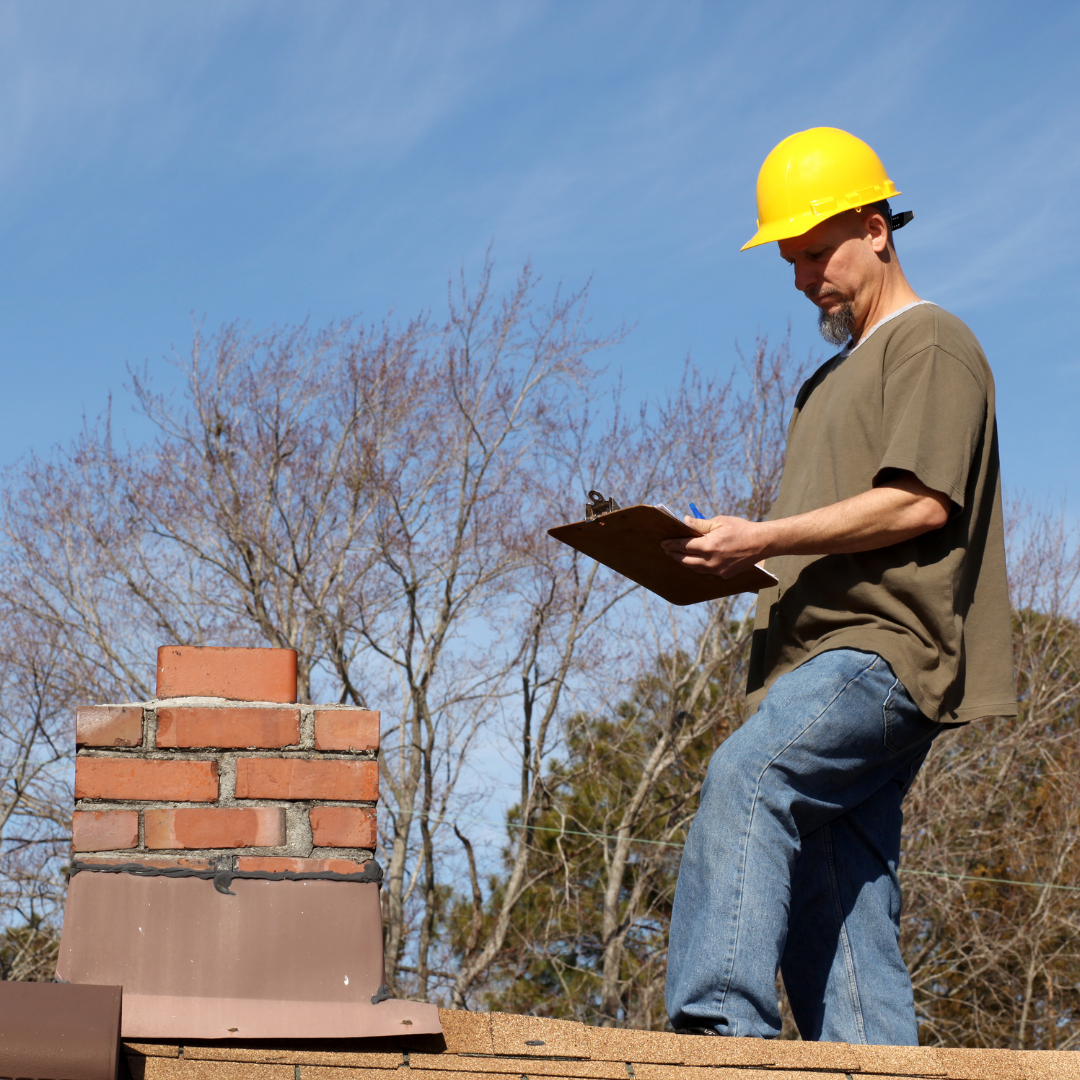
The roofing professional should review the roof surface, seams, penetrations, flashing, edges, drainage components, curbs, parapets, hatches, skylights, vents, and previous repair locations. The inspection should also consider visible wear, cracks, punctures, debris, standing water, loose materials, and other evidence of deterioration.
After the inspection, the organization should have a clearer understanding of existing concerns, recommended repairs, maintenance priorities, and potential future capital needs.
The scope may depend on the roof type and building, but the goal remains the same: Give owners and facility teams enough information to move from reactive spending to planned asset management.
Why August Is the Right Time to Begin
August provides a useful planning window before fall and winter weather places additional demands on commercial roofing systems. It gives organizations time to inspect current conditions, complete urgent repairs, and incorporate larger needs into the next budget cycle.
Starting early may also provide more scheduling flexibility. Waiting until a roof is actively leaking can limit project timing and reduce the opportunity to compare solutions. A planned project can be developed around operational requirements, procurement procedures, funding approvals, and seasonal conditions.
For organizations responsible for multiple facilities, August assessments can also help rank buildings by urgency. That allows limited capital funds to be directed toward the roofs with the greatest need.
Build Roofing Into Your Capital Plan
Commercial roof budgeting is not simply about estimating the cost of a future replacement. It is an ongoing process of assessing condition, completing maintenance, managing repairs, and planning improvements at the right time.
A professional assessment can help determine how much service life remains, whether repair or restoration is appropriate, and when replacement should enter the capital plan. The earlier that information is available, the easier it becomes to budget accurately and avoid emergency decisions.
Commercial Roof Budgeting FAQs
When should a commercial roof be included in a capital budget?
A roof should enter the capital-planning process before it reaches the point of failure. Regular condition assessments can help owners estimate upcoming repair, restoration, or replacement needs and assign them to an appropriate budget year.
How often should a commercial roof be inspected?
Rodd Roofing recommends biannual roof checkups in the spring and fall. An additional inspection may also be appropriate after severe weather, rooftop construction, or any event that could have damaged the system.
How can I estimate the remaining life of a commercial roof?
A roofing professional should evaluate the roof’s age, materials, condition, drainage, maintenance history, previous repairs, moisture concerns, and overall performance. The result is an informed planning estimate rather than a guaranteed expiration date.
Is repairing a commercial roof always less expensive than replacing it?
A repair usually has a lower immediate cost, but it may not be the best long-term investment if deterioration is extensive or problems are recurring. A condition assessment can help compare the expected cost and service life of repair, restoration, and replacement options.
Can a commercial roofing project be completed in phases?
In many cases, yes. Buildings with multiple roof areas may be able to prioritize the sections with the greatest need. Phasing should be planned carefully so transitions, drainage, warranties, and future work remain compatible.
What information should be included in a commercial roof budget?
A useful budget may account for routine inspections, preventative maintenance, near-term repairs, larger capital improvements, design or consulting needs, operational coordination, and an appropriate contingency for concealed conditions.