Commercial Roofing Warranties: What Property Owners Should Know
Protecting Your Commercial Roof Investment
Understanding Warranties, Responsibilities, and Coverage
A commercial roof is a significant investment, and understanding your roofing warranty is an important part of protecting it. While warranties can provide valuable coverage for certain roofing issues, they don't necessarily cover every type of damage or repair.
For commercial property owners and facility managers throughout Vermont and New Hampshire, knowing what your warranty includes, what it excludes, and what responsibilities you have can help prevent unexpected expenses down the road.
Understanding Different Types of Roofing Warranties
Not all commercial roofing warranties are the same. Coverage can vary depending on the roofing manufacturer, materials, installation contractor, and specific warranty agreement.
Common types of commercial roofing warranties include:
- Manufacturer Material Warranties: Typically cover qualifying defects in roofing materials, subject to specific terms and limitations.
- Manufacturer System Warranties: May provide broader coverage for certain roofing system failures, including qualifying leaks or installation-related issues, depending on the agreement.
- Contractor Workmanship Warranties: Generally address problems resulting from installation errors within a specified coverage period.
Understanding which warranties apply to your building is essential when evaluating coverage or requesting repairs.
What Might Not Be Covered?
One of the biggest misconceptions about commercial roofing warranties is that all roof damage is automatically covered.
In reality, warranties often contain exclusions for damage caused by outside factors.
Common exclusions may include:
- Severe weather events or storm-related damage
- Damage caused by unauthorized roof modifications
- Improperly installed rooftop equipment
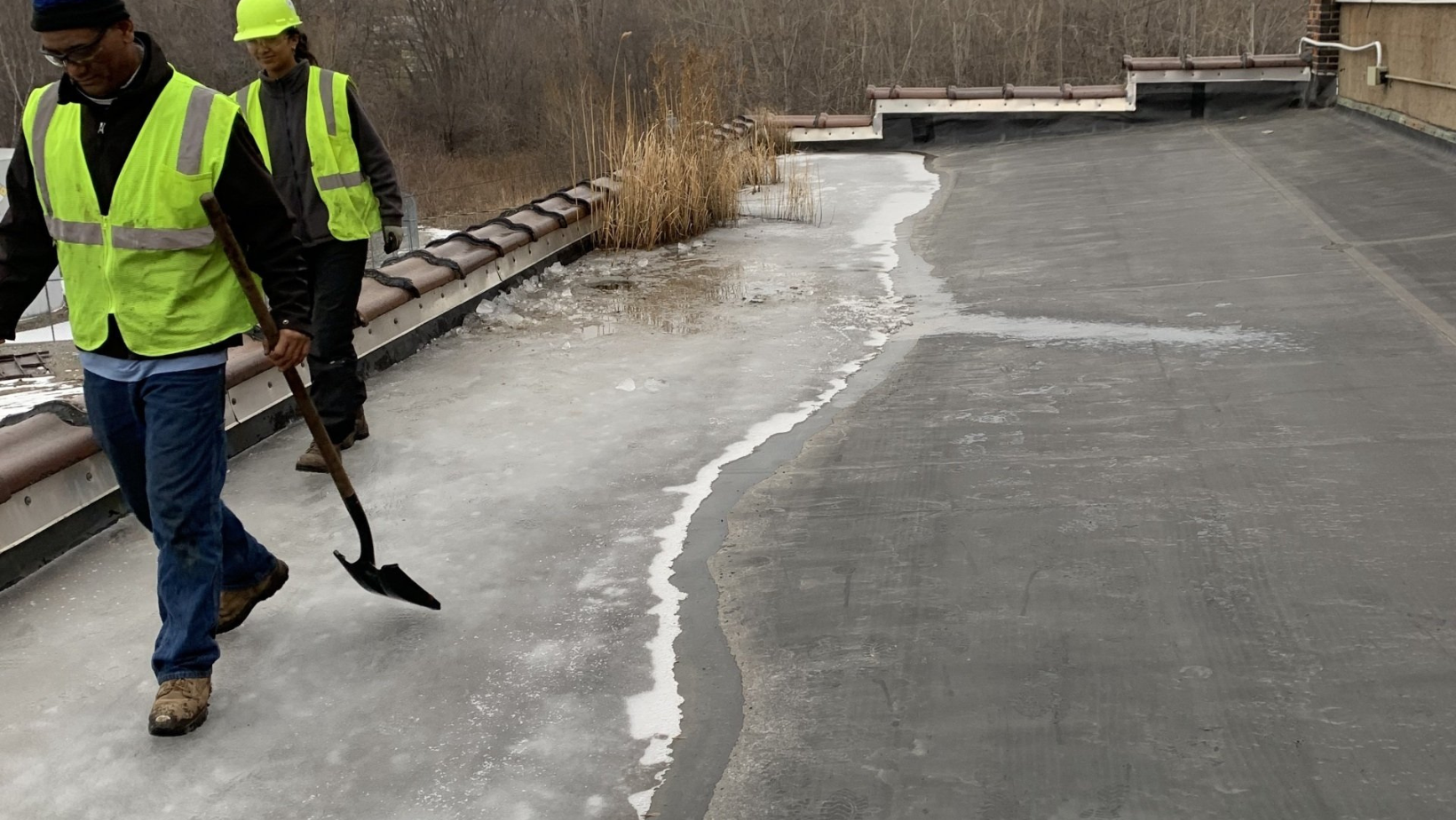
- Neglected maintenance or blocked drainage systems
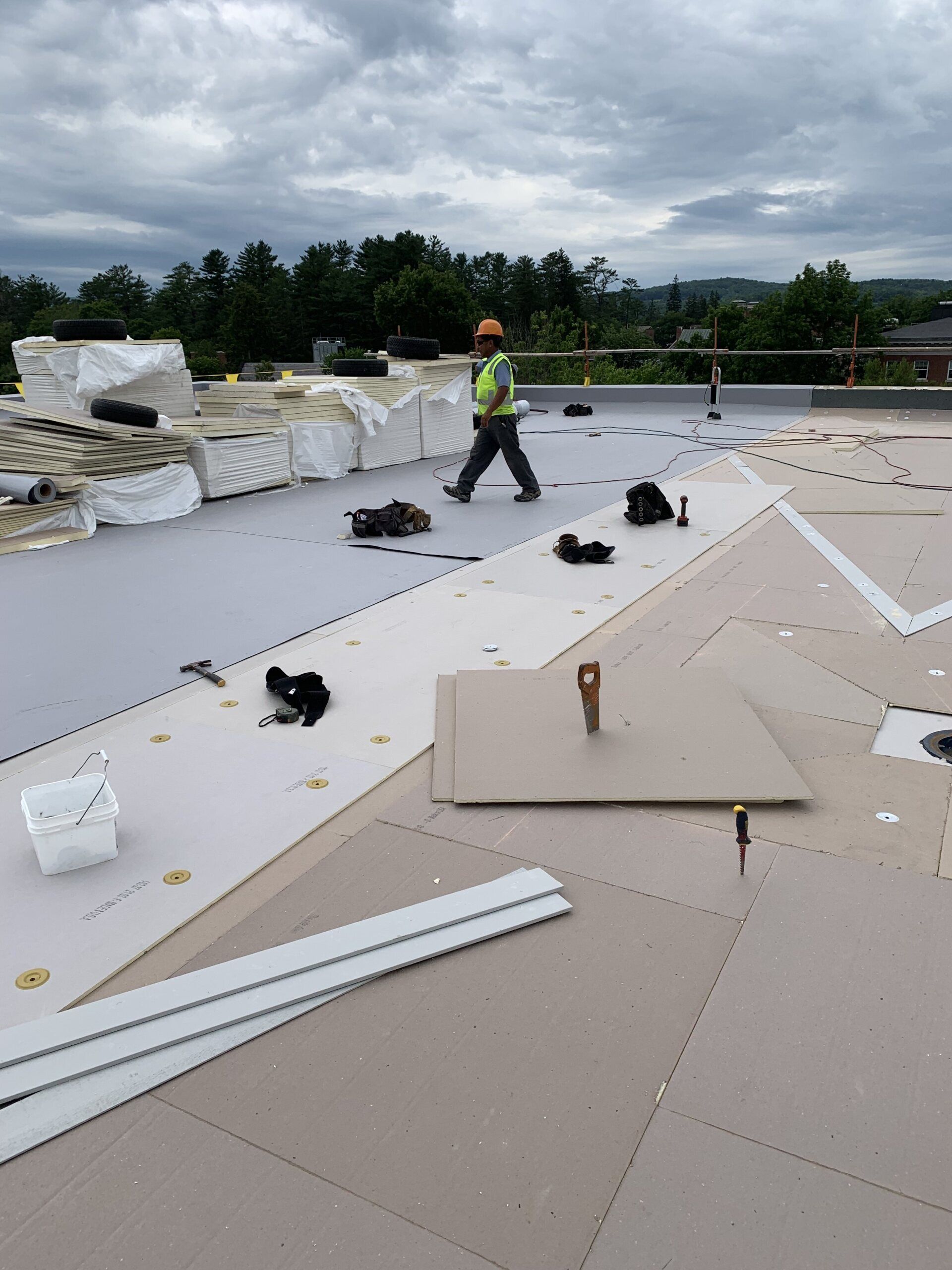
- Physical damage from foot traffic or other trades
Coverage varies, so property owners should review their specific warranty documents rather than assuming a particular issue is included.
Why Preventative Maintenance Matters
Many commercial roofing warranties include maintenance requirements that property owners must follow to preserve coverage.
Routine inspections can help identify deteriorating flashing, damaged membranes, drainage issues, and other concerns before they become more serious.
Maintaining records of inspections, completed repairs, and maintenance activities can also be valuable if a warranty claim becomes necessary.
Be Careful When Making Roof Modifications
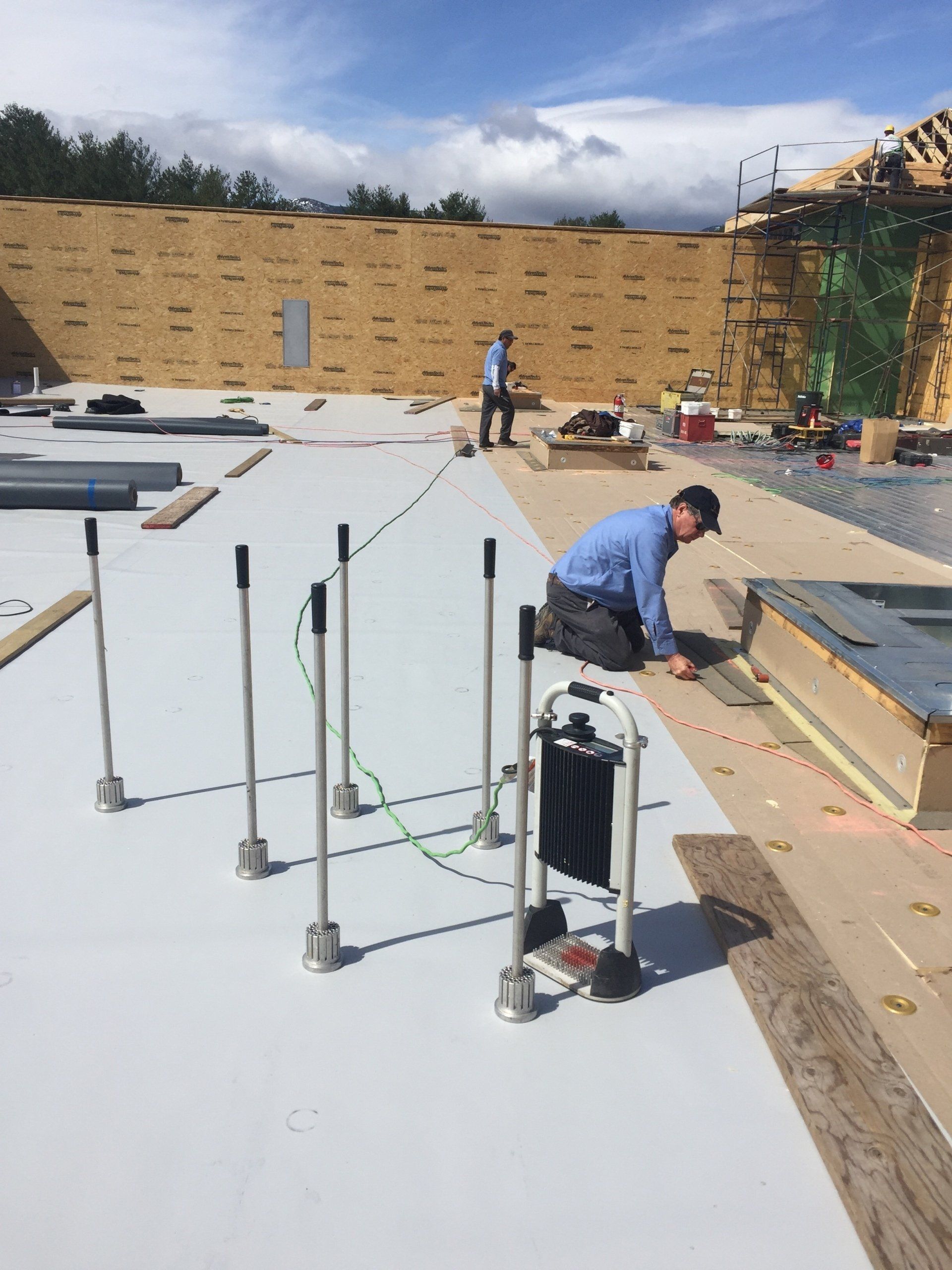
Adding HVAC equipment, installing solar panels, or modifying roof penetrations can affect existing warranty coverage.
Before making changes, property owners should consult their roofing contractor and review manufacturer requirements. Certain modifications may require approved materials, authorized installers, or additional documentation.
Taking these steps early can help avoid preventable warranty complications.
Protect Your Investment With Rodd Roofing
A commercial roofing warranty is only one part of a long-term roof management strategy. Understanding your coverage, addressing issues promptly, and keeping up with preventative maintenance are equally important.
Rodd Roofing provides commercial roofing inspections, repairs, and maintenance services throughout Vermont and New Hampshire, helping property owners make informed decisions about their roofing systems.
Have questions about your commercial roof or its maintenance needs? Contact Rodd Roofing today to schedule an inspection and discuss how to protect your roofing investment.