Rooftop Equipment & Commercial Roofing: What Property Owners Should Know
Protecting Your Commercial Roof
How Rooftop Equipment Impacts Performance and Maintenance
Commercial rooftops often serve more than one purpose. In addition to protecting the building from the elements, they frequently support HVAC units, ventilation systems, exhaust fans, and other essential equipment. While these systems are necessary for daily operations, they can also create unique challenges for commercial roofing systems.
For property owners and facility managers throughout Vermont and New Hampshire, understanding how rooftop equipment affects roof performance is an important part of protecting their investment.
How Rooftop Equipment Affects Your Roof
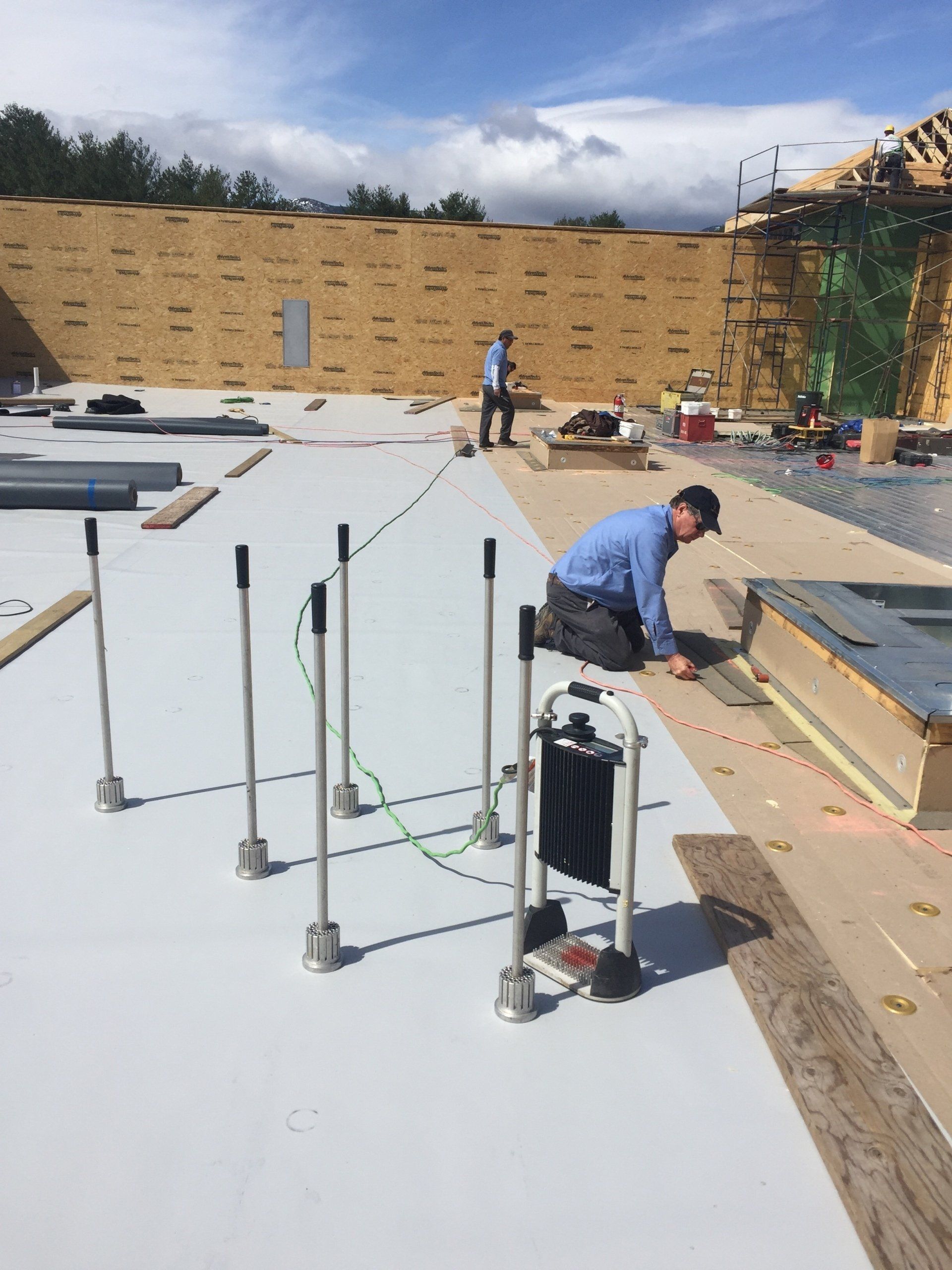
Commercial rooftop equipment requires careful planning, proper installation, and ongoing maintenance. Equipment installations often involve roof penetrations, mounting systems, and flashing details that must remain watertight.
When these components are improperly installed or begin to deteriorate, they can create opportunities for water infiltration.
Common roofing concerns around rooftop equipment include:
- Damaged or deteriorating flashing around equipment curbs
- Leaks near roof penetrations and mounting points
- Membrane damage caused by maintenance foot traffic
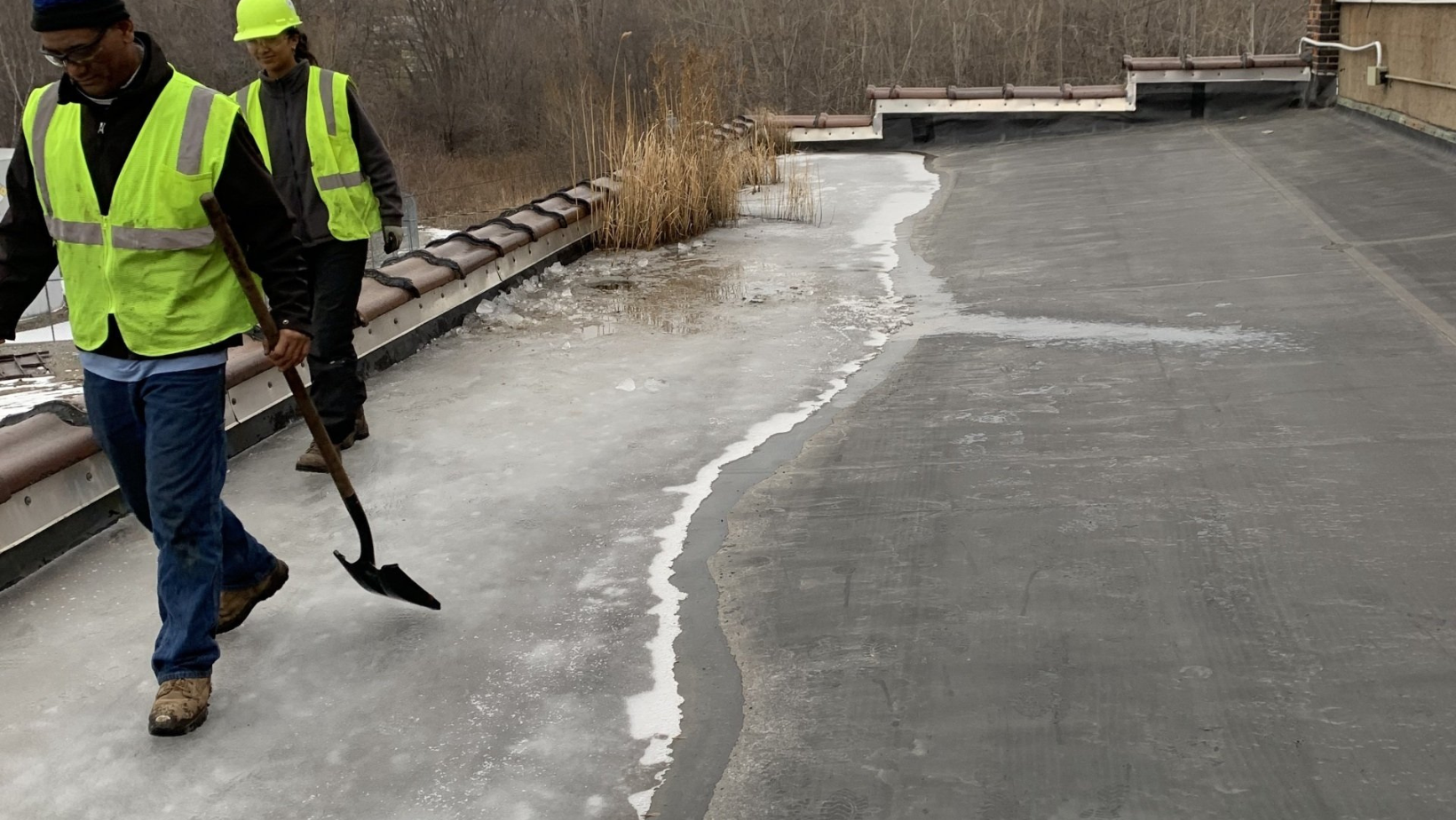
- Standing water around equipment installations
- Improperly supported equipment or modifications
Even small roofing issues around equipment can develop into larger problems when left unaddressed.
Why Proper Installation and Coordination Matter
Installing or replacing rooftop equipment isn't just an HVAC project. It can also affect the roofing system beneath and surrounding the equipment.
When new units are installed, existing equipment is relocated, or additional penetrations are created, roofing components may need to be modified.
Coordinating with a qualified commercial roofing contractor helps ensure that flashing, waterproofing, and other roofing details are properly addressed.
This coordination can also help property owners avoid unnecessary roof damage and potential warranty complications.
Protecting Your Roof During Routine Equipment Maintenance
Rooftop HVAC systems and other equipment require regular service, which means technicians may frequently access the roof.
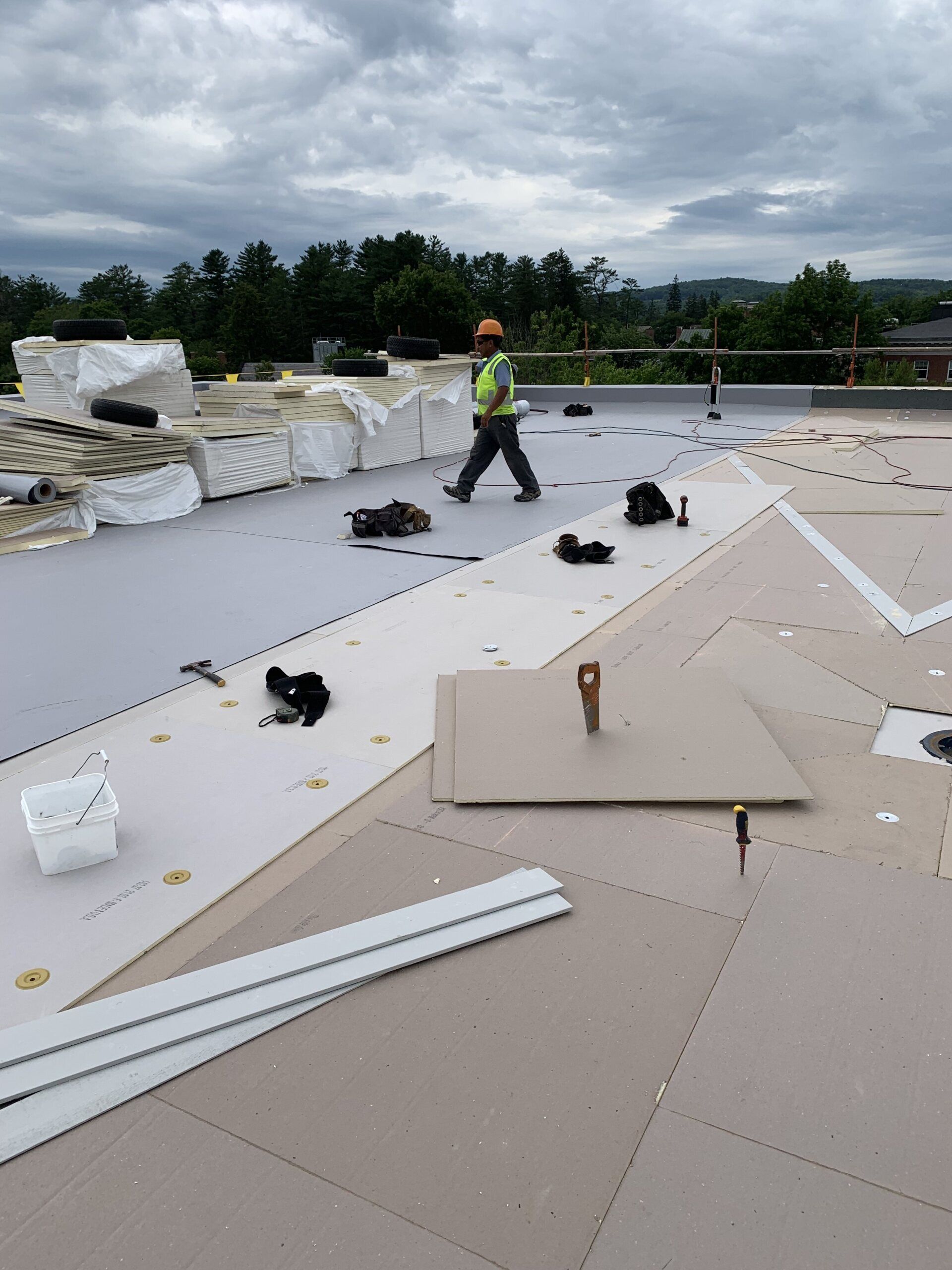
Over time, repeated foot traffic, dropped tools, and improperly placed equipment can damage roofing membranes, particularly on flat and low-slope systems.
Designated walkways or protective pads can help reduce wear in high-traffic areas. Facility managers should also encourage maintenance crews to report visible roofing concerns.
New England Weather Adds Another Layer of Complexity
Commercial roofs in Vermont and New Hampshire face heavy snowfall, ice accumulation, and frequent temperature fluctuations.
Snow drifting around rooftop equipment can create localized buildup, while freeze-thaw cycles may place additional stress on flashing and roof penetrations.
Routine inspections are especially valuable before and after winter to identify damage and drainage concerns around equipment installations.
Keep Your Commercial Roof Protected With Rodd Roofing
Rooftop equipment and roofing systems need to work together to protect your building. Proper installation, regular inspections, and preventative maintenance can help minimize leaks, extend roof life, and reduce unexpected repair expenses.
Rodd Roofing provides professional commercial roofing inspections, repairs, and maintenance services throughout Vermont and New Hampshire.
Planning a rooftop equipment installation or concerned about your existing roof? Contact Rodd Roofing today to discuss your commercial roofing needs and schedule a professional evaluation.