How Vermont’s Freeze-Thaw Cycles Can Damage Your Roof
When Winter Weather Takes a Toll
How Freeze-Thaw Cycles Damage Roofing
Vermont winters can be unpredictable. Temperatures may climb above freezing during the day only to drop well below freezing overnight. While these fluctuations might seem like a normal part of winter in New England, the repeated freezing and thawing can put significant stress on your roofing system. Understanding how freeze-thaw cycles affect your roof can help you identify problems early and prevent minor vulnerabilities from turning into costly repairs.
Water Finds the Smallest Openings
When snow and ice melt, water can work its way into small cracks, seams, gaps around flashing, or other vulnerable areas of a roof. If temperatures fall below freezing again, that trapped moisture can freeze and expand.
Repeated over the course of a Vermont winter, this process can gradually enlarge existing openings and weaken roofing materials. Eventually, water may find its way beneath the roofing system and into the building.
Flashing and Seams Can Become Vulnerable
Roofing materials naturally expand and contract as temperatures change. Repeated temperature swings can place additional stress on flashing, sealants, seams, and roof penetrations.
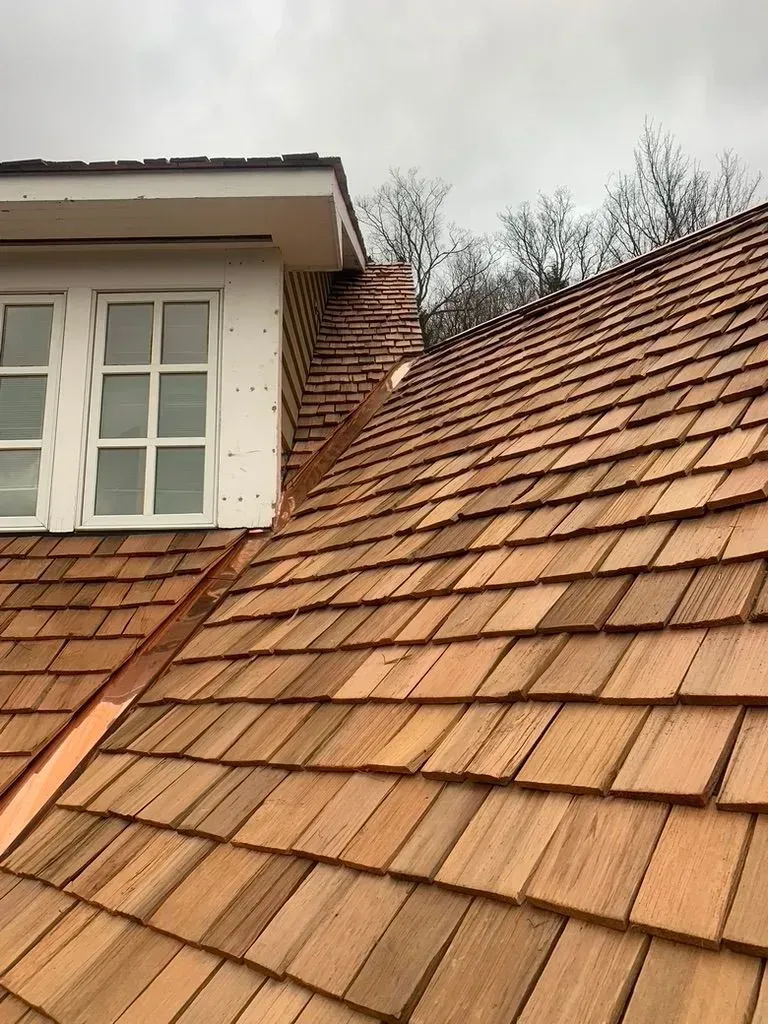
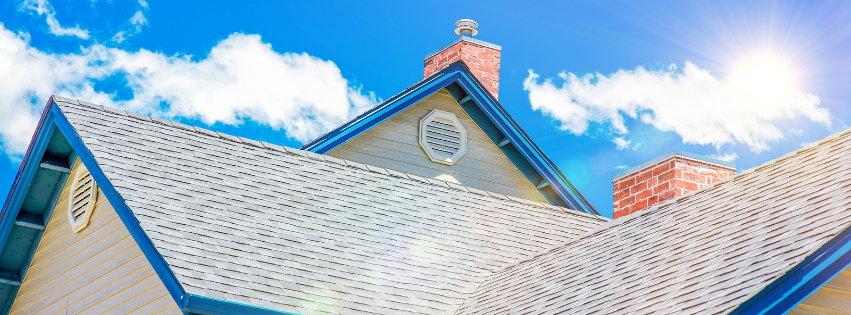
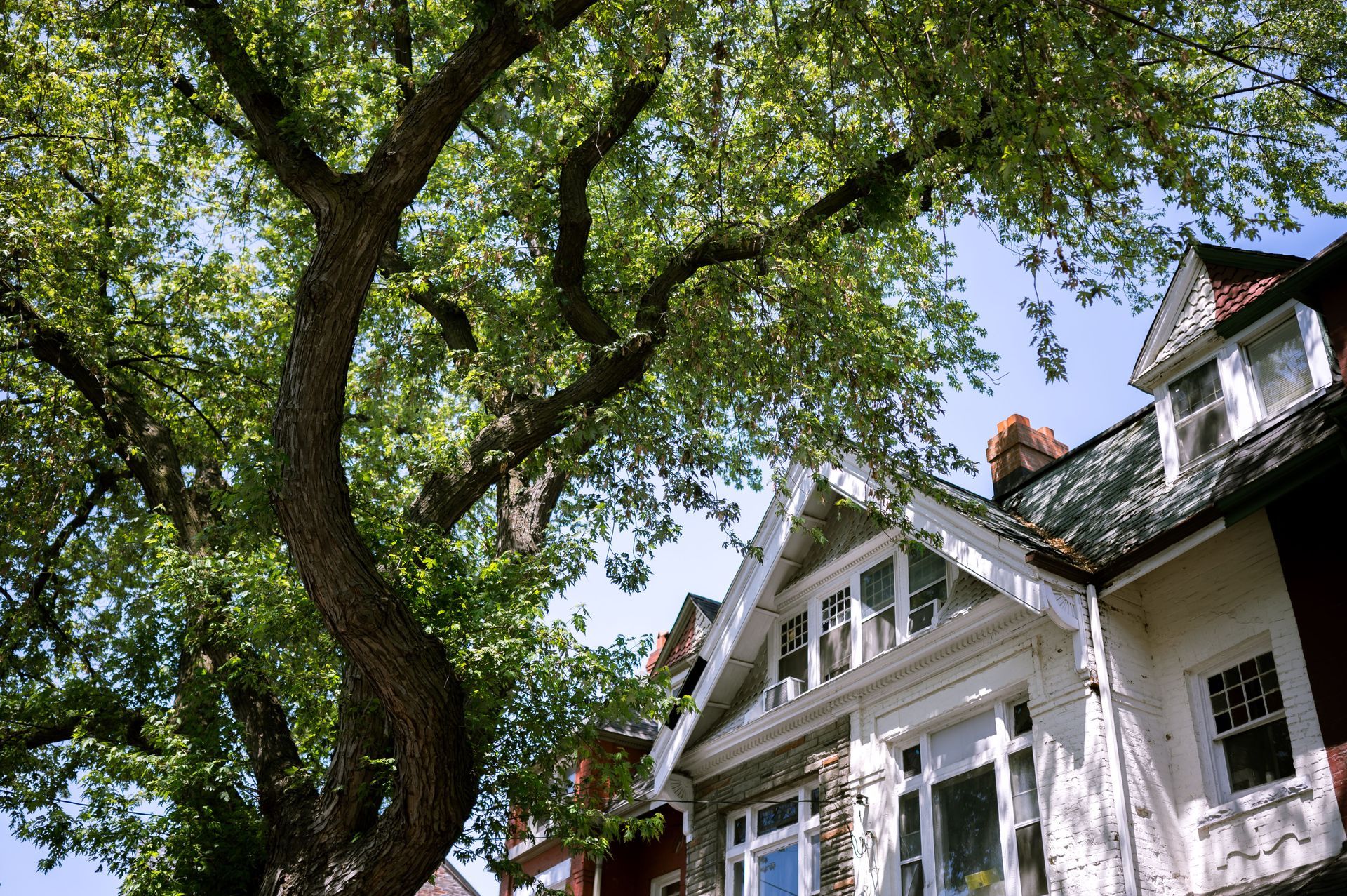
Areas around chimneys, vents, skylights, HVAC equipment, and roof edges can be particularly important to monitor. Even a small separation may create an opportunity for moisture to enter.
Ice Dams Can Make Problems Worse
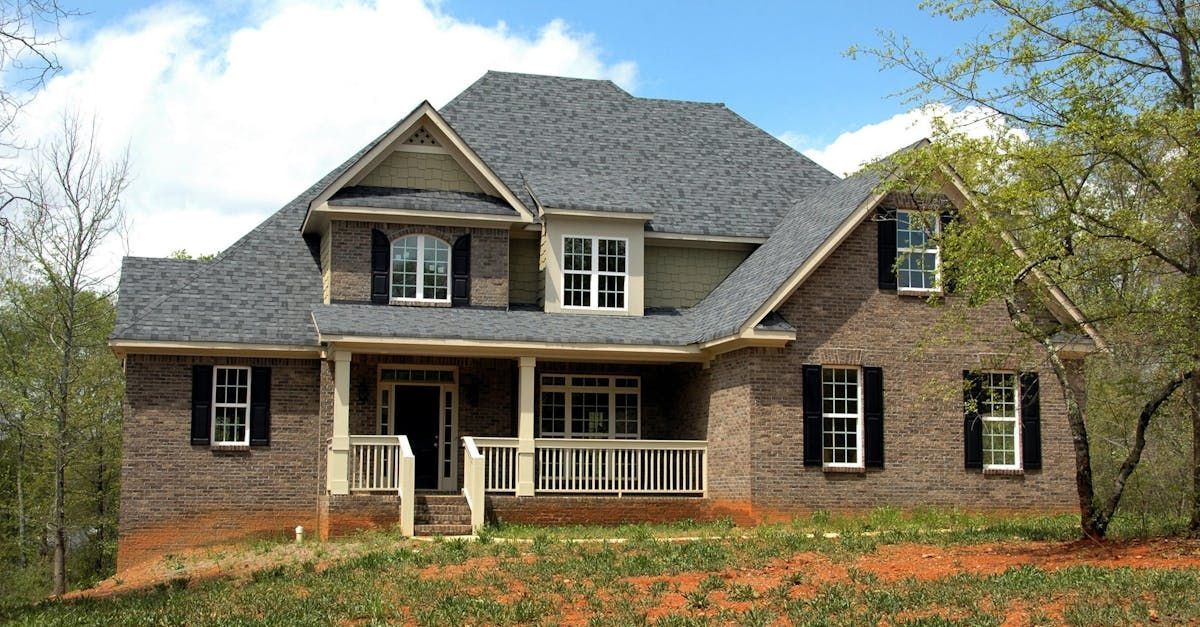
On sloped roofs, melting snow can travel toward colder roof edges and refreeze, creating an ice dam. Additional melting snow may then collect behind the ice instead of draining normally.
This backed-up water can work beneath shingles or into other vulnerable areas, potentially causing leaks, damaged insulation, and interior water damage.
Flat Roofs Face Their Own Challenges
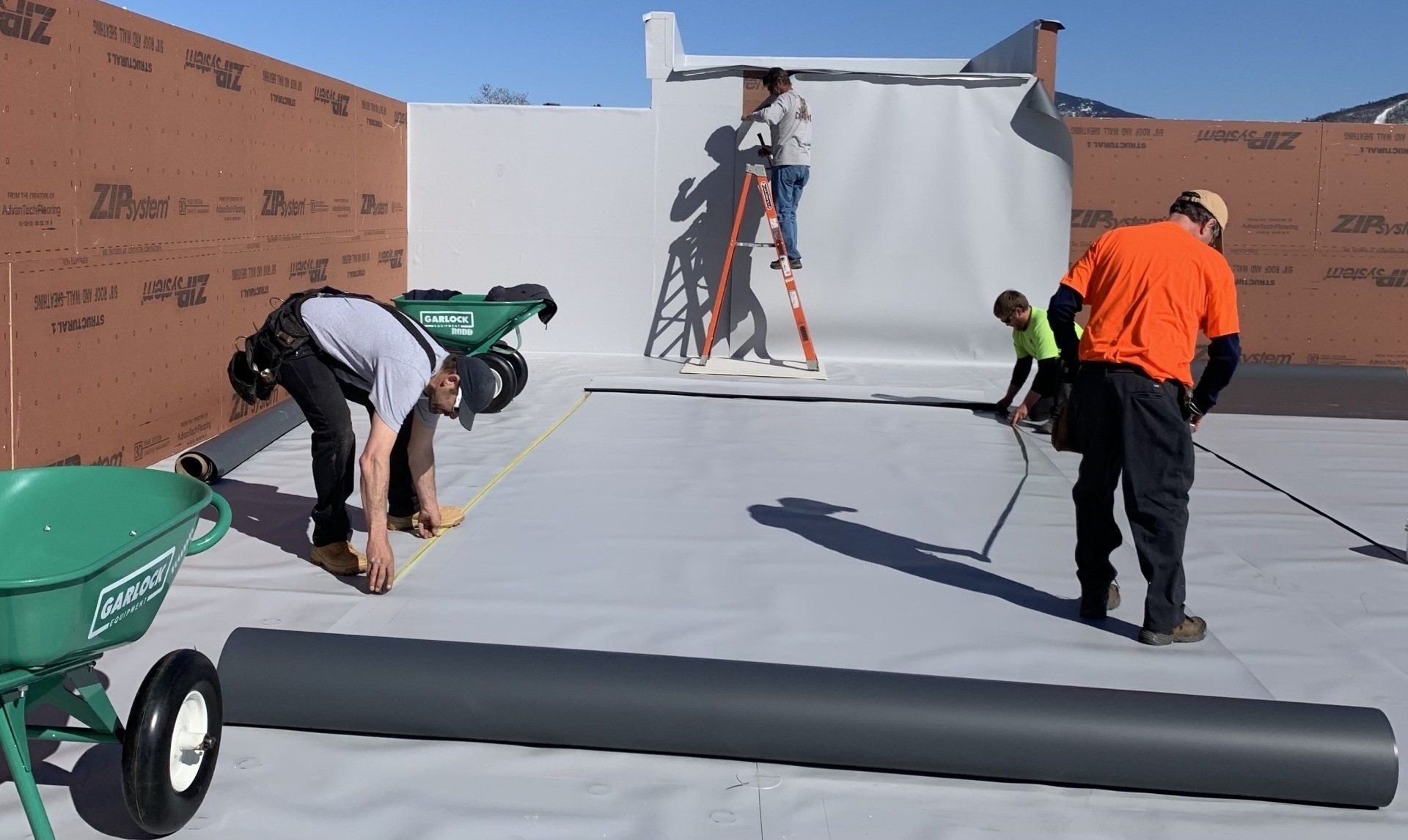
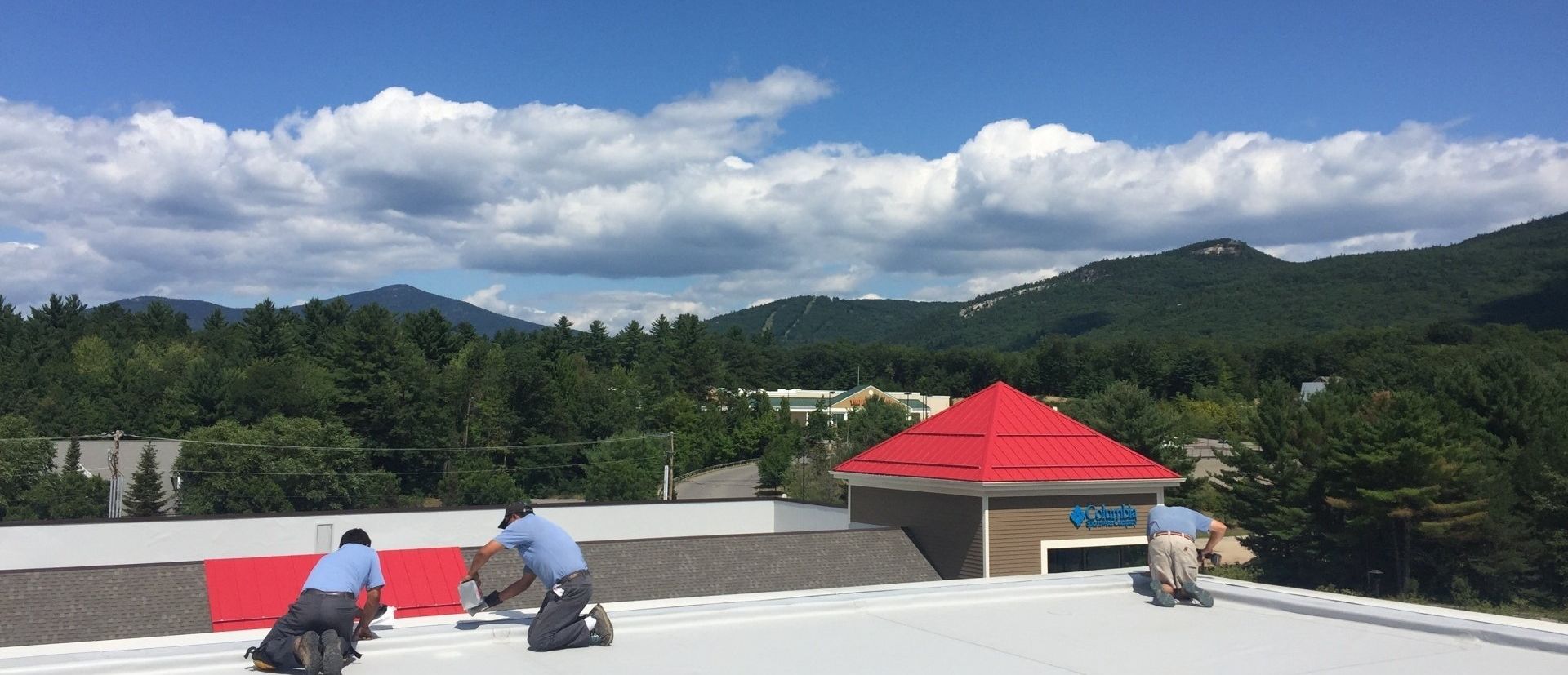
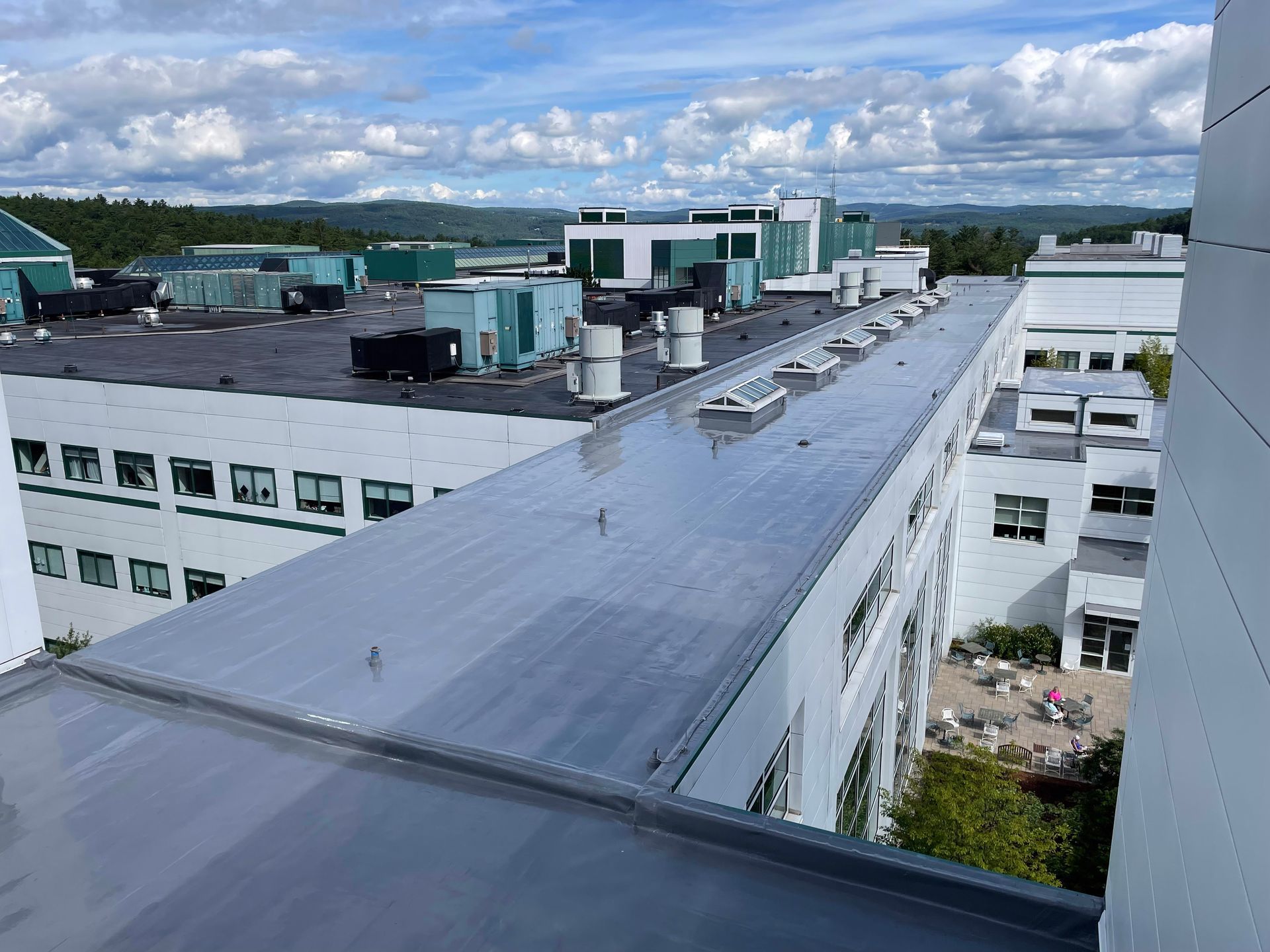
Commercial flat and low-slope roofs aren’t immune to freeze-thaw damage. Ponding water, blocked drains, accumulated snow, and ice around drainage systems can all create problems. As water repeatedly freezes and melts, existing weaknesses in membranes, seams, and flashing may become more significant.
Stay Ahead of Winter Roof Damage
Many freeze-thaw problems develop gradually and may not be obvious from the ground. Preventative roof inspections can help identify damaged flashing, deteriorating sealants, drainage issues, membrane problems, and other concerns before the next round of winter weather makes them worse.
Rodd Roofing understands the challenges Vermont weather presents for residential and commercial roofs. From preventative inspections and maintenance to repairs and winter roofing concerns, our team can help keep your property protected through Vermont’s changing seasons.