EPDM vs. TPO vs. PVC: Which Single-Ply Roofing System Is Right for Your Building?
Comparing Commercial Roofing Materials
Which Single-Ply System Fits Your Building?
When it comes to commercial flat and low-slope roofing, single-ply membrane systems are a popular choice for their durability, flexibility, and reliable performance. Three of the most common options are EPDM, TPO, and PVC—but each offers different advantages depending on the building, budget, and performance requirements. Understanding the differences can help property owners and managers make a more informed roofing decision.
EPDM: Proven and Dependable
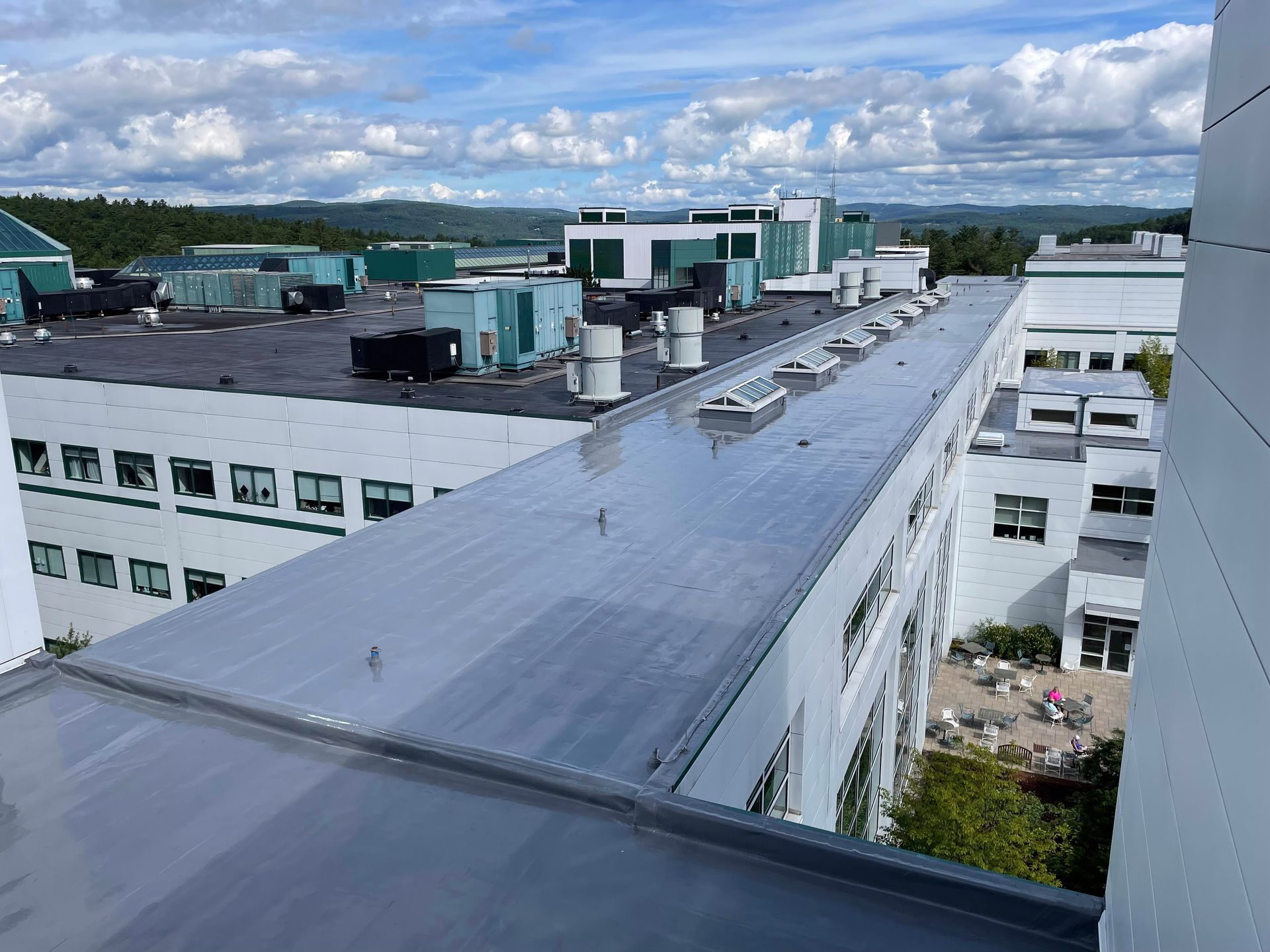
EPDM is a synthetic rubber roofing membrane with a long history of use on commercial buildings. Known for its flexibility and durability, EPDM performs well in areas that experience significant temperature changes—an important consideration in Vermont. Its traditional black surface can also help absorb heat during colder months. EPDM is commonly chosen for straightforward commercial roofing applications where long-term reliability is a priority.
TPO: Reflective and Versatile
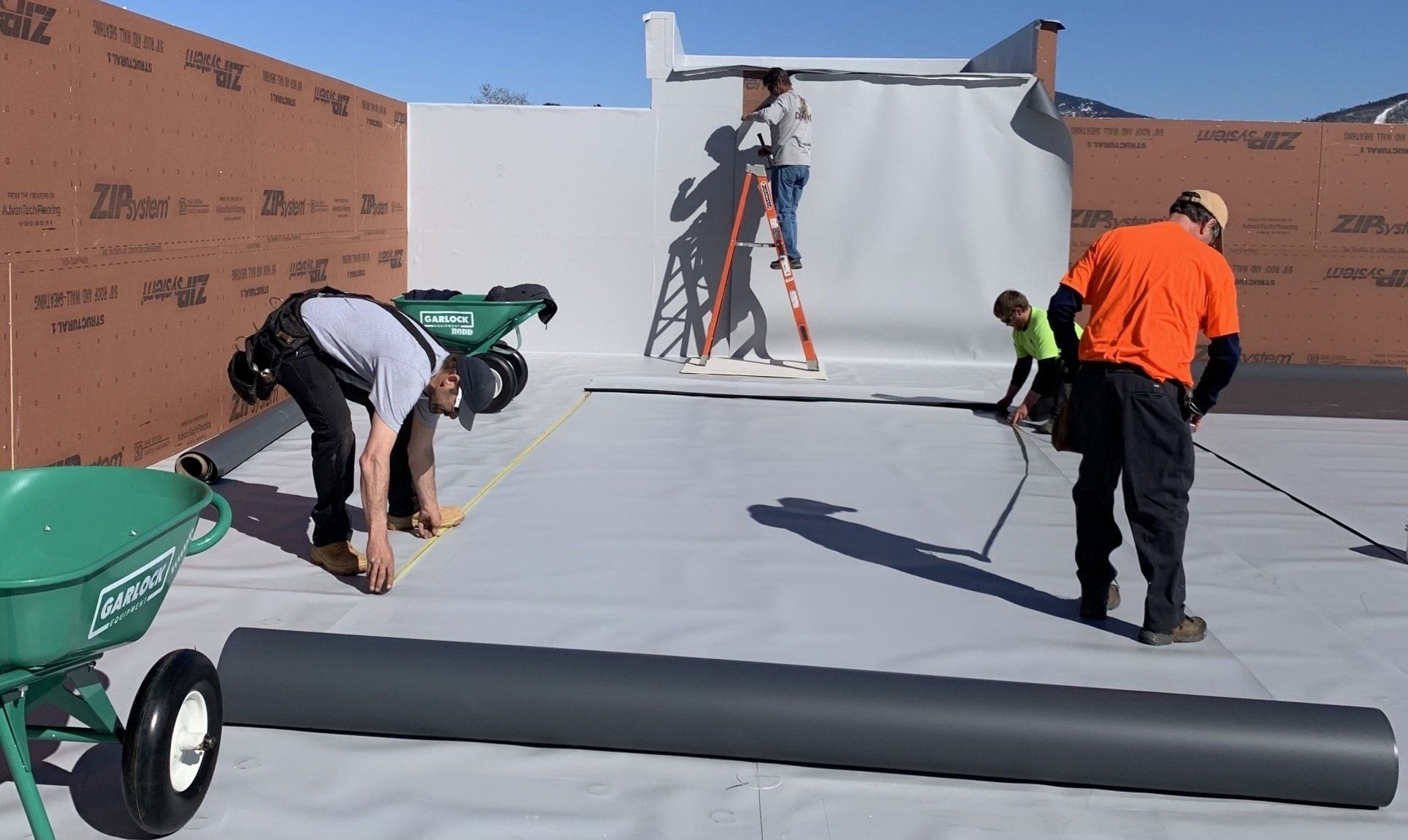
TPO is a thermoplastic membrane that has become a common choice for commercial roofing. Typically available in lighter, reflective colors, TPO can help reduce heat absorption during warmer weather. TPO seams are heat-welded to create a strong, watertight roofing surface. Its combination of performance, energy efficiency, and cost-effectiveness makes it an attractive option for many offices, retail buildings, warehouses, and other commercial properties.
PVC: Durable in Demanding Environments
Like TPO, PVC roofing uses heat-welded seams and is commonly available in reflective colors. One of PVC’s biggest advantages is its resistance to chemicals, grease, oils, and other substances that can damage some roofing materials. This can make PVC particularly well suited for restaurants, manufacturing facilities, and other commercial or industrial buildings where rooftop exhaust systems or chemical exposure are concerns.
Which System Is Right for Your Property?
There isn’t one single-ply roofing material that is best for every building. The right choice depends on factors such as the building’s use, roof design, existing roofing system, drainage, budget, energy goals, and exposure to Vermont’s changing weather.
Professional evaluation is especially important when replacing an existing commercial roof. The membrane itself is only one part of a complete roofing system; insulation, flashing, drainage, installation methods, and ongoing maintenance all play a role in long-term performance.
Rodd Roofing installs and services commercial roofing systems throughout Vermont. If you’re considering EPDM, TPO, or PVC for your property, contact our team to discuss which roofing solution best fits your building and long-term needs.