What Happens During a Commercial Roof Maintenance Visit?
What to Expect From Preventive Commercial Roof Maintenance
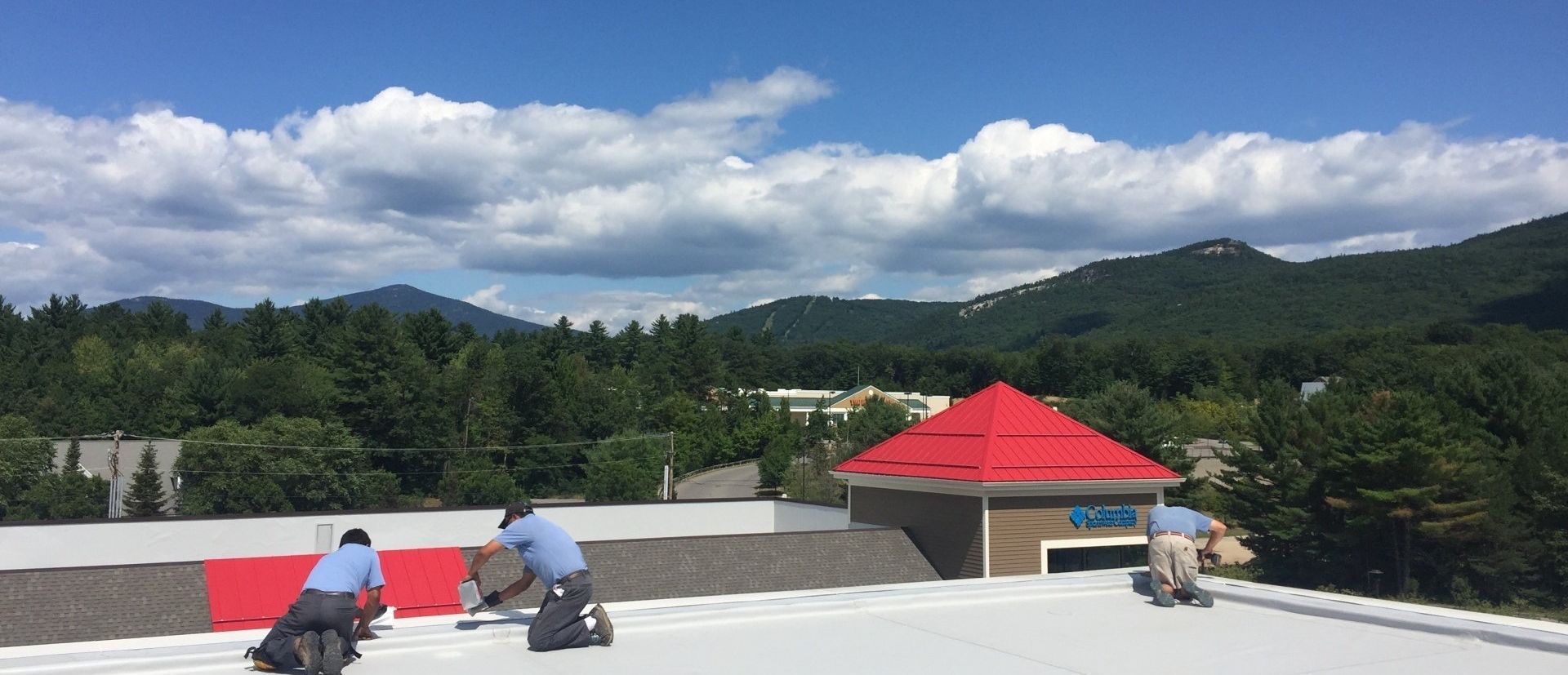
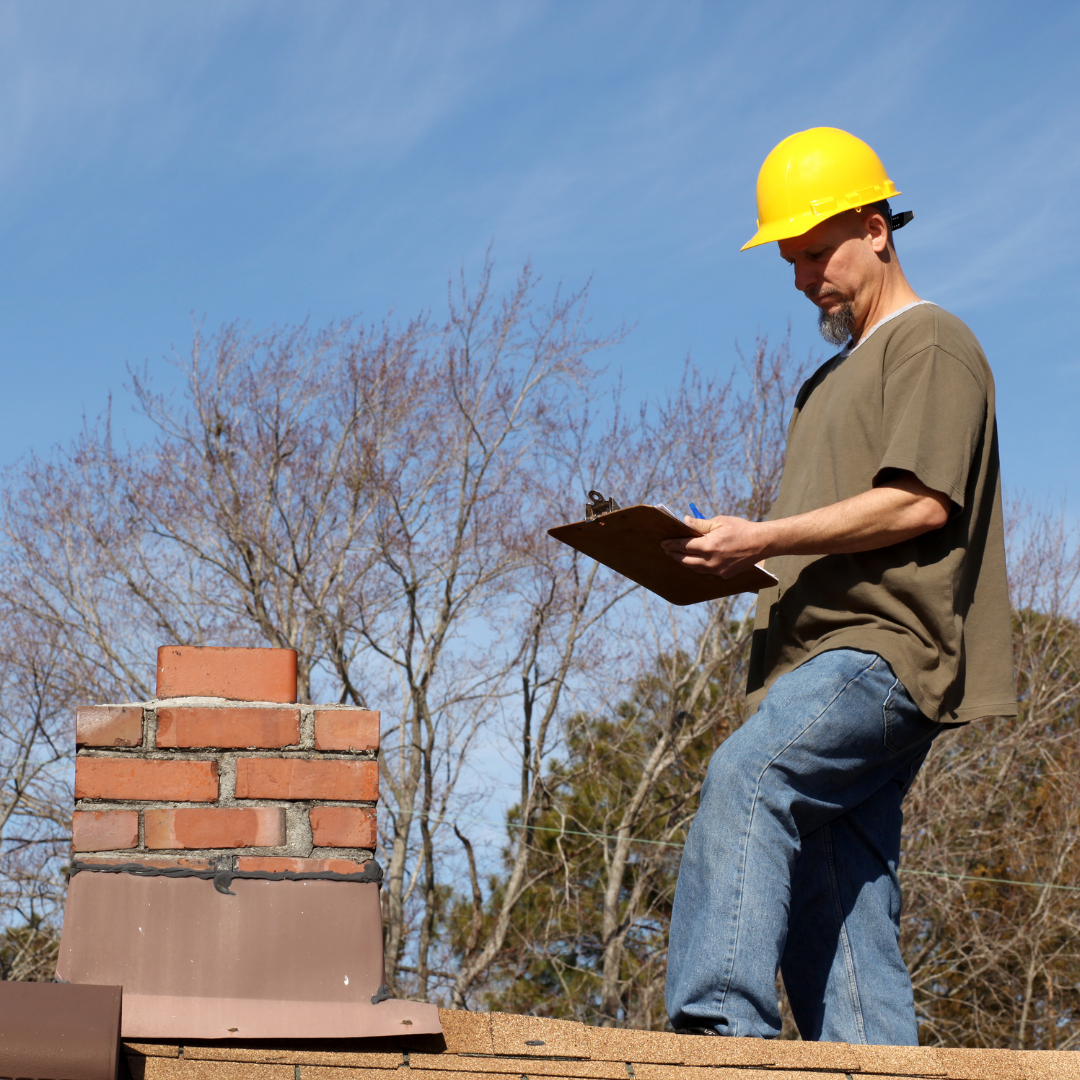
For many commercial property owners and facility managers, roof maintenance is something they know they should schedule—but what actually happens during a maintenance visit?
A commercial roof is a complete system with membranes, seams, flashing, drainage components, penetrations, insulation, and other details that all need to work together. Small problems in any of these areas can eventually lead to leaks, moisture damage, or premature deterioration.
That’s why preventative commercial roof maintenance is about more than looking for obvious leaks. A professional maintenance visit provides an opportunity to evaluate the condition of the roofing system, identify developing problems, document changes, and create a plan for repairs before small concerns become expensive emergencies.
Here’s what you can generally expect when having your commercial roof professionally maintained.
1. Inspecting the Commercial Roofing Membrane
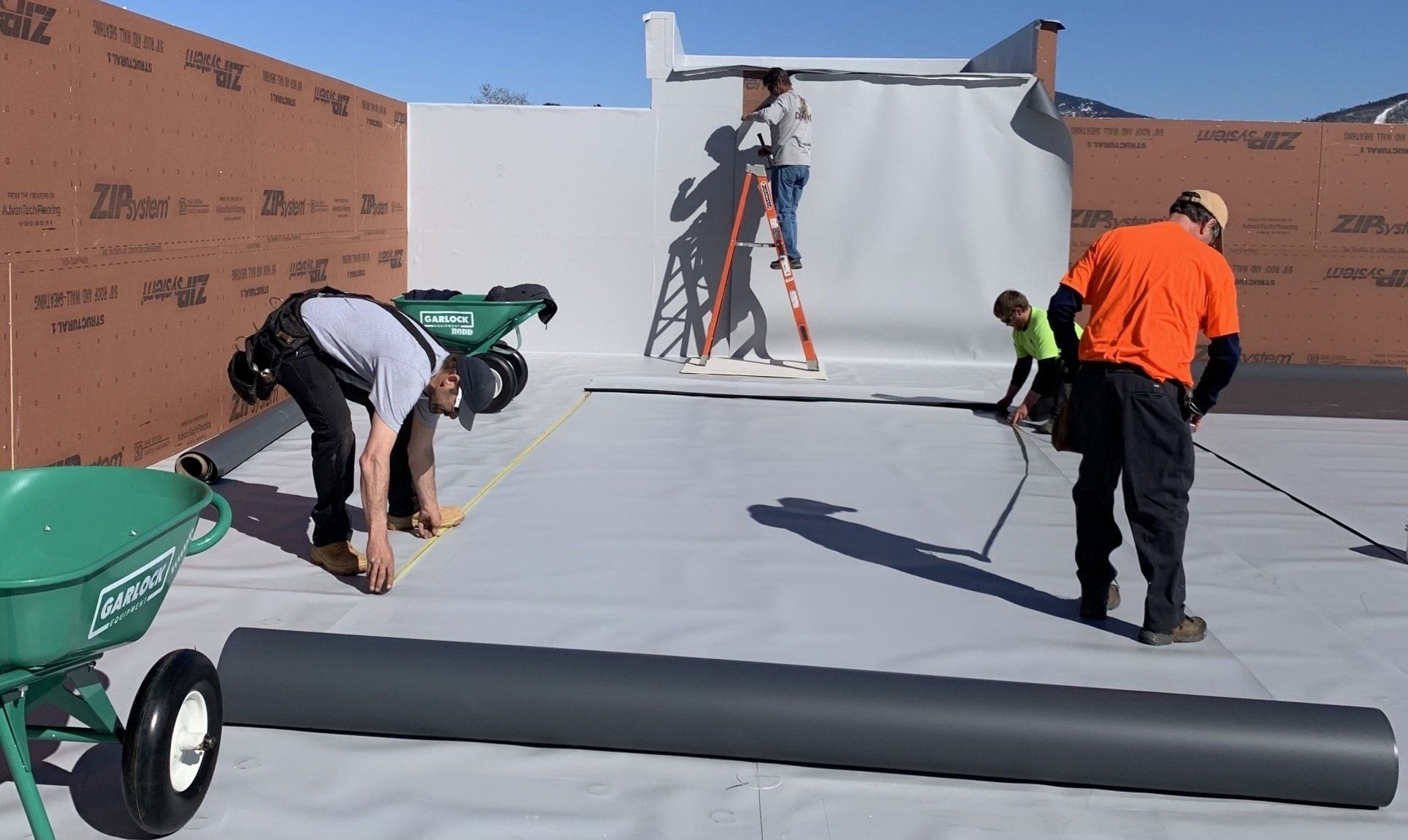
For flat and low-slope commercial roofs, the membrane is one of the first areas that needs attention.
Over time, exposure to UV rays, rain, snow, ice, temperature changes, foot traffic, and rooftop work can affect the condition of roofing materials. An inspection can identify visible signs of deterioration or damage before they allow moisture into the roof system.
Depending on the roofing system, a contractor may look for punctures, tears, cracking, blistering, loose materials, or other areas that require additional attention.
Catching membrane damage early can often mean addressing a relatively small area instead of dealing with water that has already traveled into insulation or the building below.
2. Evaluating Roof Flashing
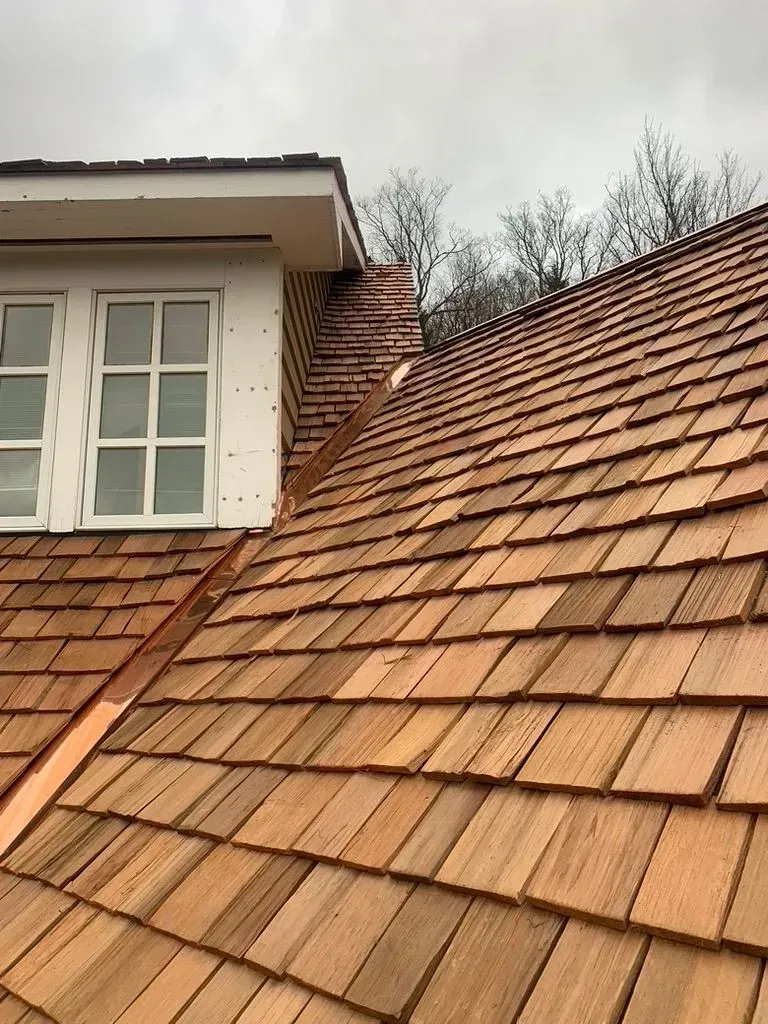
Flashing protects some of the most vulnerable areas of a commercial roofing system. It is commonly found around roof edges, walls, curbs, penetrations, and transitions between roofing components.
During a maintenance visit, these areas should be checked for signs of separation, deterioration, loose materials, damaged sealants, or other conditions that could allow water intrusion.
Vermont and New Hampshire weather makes flashing especially important. Repeated temperature changes can cause roofing components to expand and contract throughout the year. Areas that were watertight during a previous inspection can develop problems over time.
Finding those changes early is one of the major benefits of routine maintenance.
3. Checking Roof Drains and Drainage
Water needs somewhere to go.
Although they're commonly called “flat roofs,” commercial roofs are designed with drainage in mind. When drains, scuppers, gutters, or downspouts become blocked or aren't functioning properly, water can remain on the roof.
Standing or ponding water can put unnecessary stress on a roofing system and may contribute to deterioration or leaks. During Vermont winters, drainage becomes even more important as melting snow and ice need a clear path off the roof.
A maintenance visit may include checking drainage areas for debris or blockages and looking for evidence that water has been collecting in low areas.
Recurring ponding can also indicate a larger drainage or slope issue that should be evaluated.
4. Inspecting HVAC Units and Other Roof Penetrations
Commercial roofs often have considerably more going through them than property owners realize.
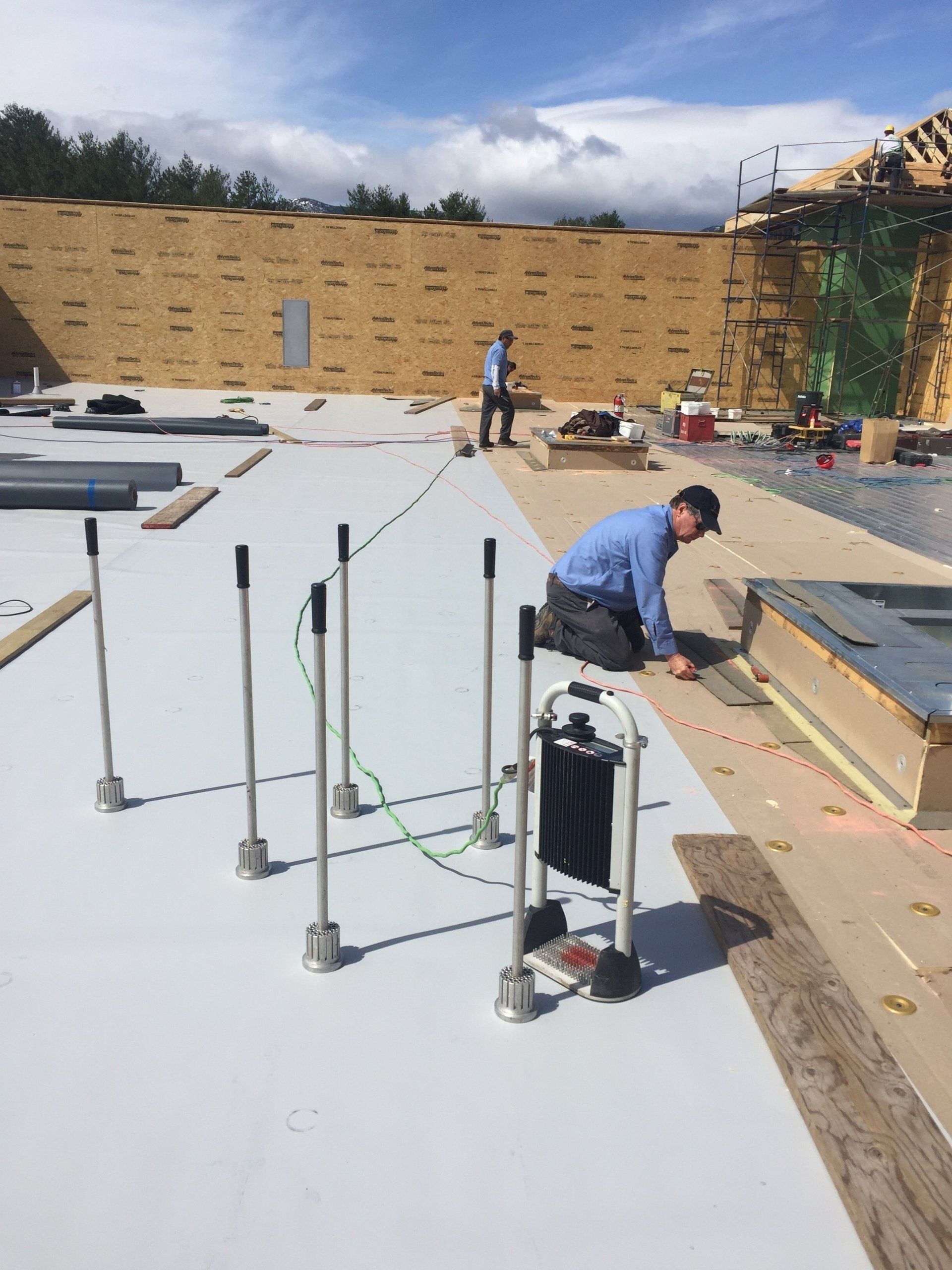
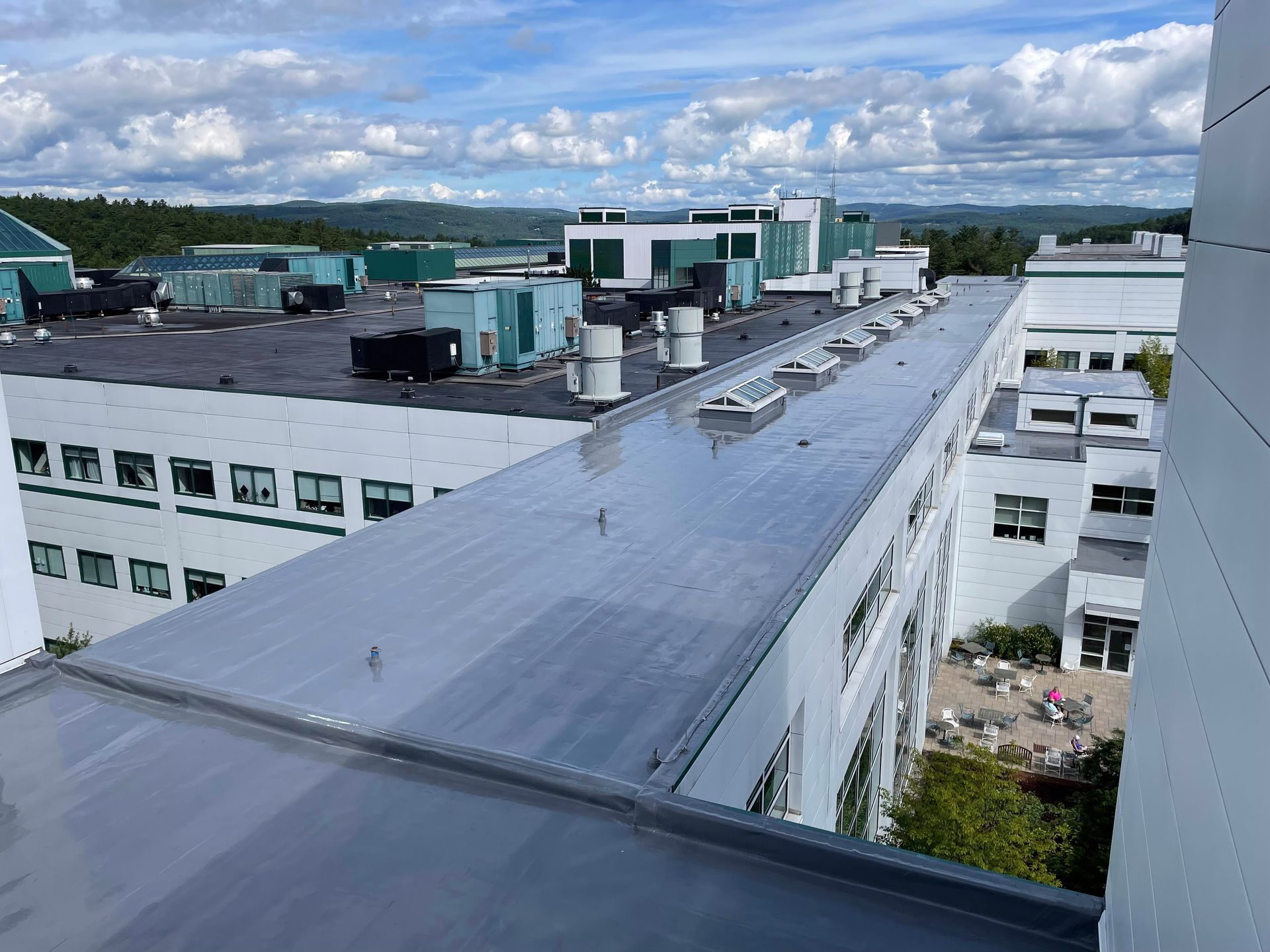
HVAC equipment, plumbing vents, pipes, exhaust systems, skylights, and other rooftop components create penetrations or transitions in the roofing system. Each one requires proper flashing and sealing to keep water outside.
A commercial roof maintenance visit includes paying close attention to these vulnerable areas.
The contractor can look for deteriorated seals, gaps, damaged flashing, or signs of previous water intrusion. These details are particularly important because even a relatively small opening around a penetration can become a pathway for moisture.
5. Checking Roof Seams
Seams are another critical component of many commercial roofing systems.
Depending on the type of roof, seams may be adhered, welded, or otherwise joined to create a continuous watertight surface. Over time, weather exposure, movement, and aging can affect these connections.
During maintenance, seams can be inspected for areas that appear loose, open, separated, or otherwise compromised.
This is exactly the type of problem preventative maintenance is designed to catch. An issue at a seam may be relatively manageable when identified early. Left unattended, that same opening can allow water to enter the roofing system and potentially damage insulation or the building interior.
6. Documenting the Condition of Your Commercial Roof
One of the most valuable parts of a professional maintenance program happens after the physical inspection: documentation.
Keeping records allows property owners and facility managers to track the condition of the roof over time.
Photos, notes, previous repairs, areas requiring monitoring, and recommended work can create a useful history of the roofing system. Instead of making decisions based only on what the roof looks like today, you can see how specific areas have changed between maintenance visits.
Good documentation also makes budgeting and long-term facility planning easier.
7. Prioritizing Repairs and Planning Ahead
Not every issue discovered during commercial roof maintenance means you need a new roof.
In fact, one of the biggest advantages of preventative maintenance is the opportunity to address smaller problems and plan for larger roofing expenses.
After evaluating the roof, your contractor can help identify which issues require immediate attention, which areas should be monitored, and which improvements may need to be considered in the future.
This gives building owners an opportunity to budget for repairs instead of being surprised by an emergency.
It can also help answer an important long-term question: Should you continue maintaining the existing roof, plan for restoration, or begin preparing for eventual replacement?
The earlier you have that information, the easier it is to make a well-informed decision.
Commercial Roof Maintenance Is About Preventing Surprises
You shouldn't have to wait for water dripping from the ceiling to find out your commercial roof needs attention.
Routine maintenance provides an opportunity to identify developing issues with membranes, flashing, seams, drainage, and penetrations while there is still time to address them proactively.
For commercial property owners and facility managers throughout Vermont and New Hampshire, that proactive approach can help protect the building, reduce unexpected disruptions, and make future roofing expenses easier to plan.
Rodd Roofing has more than a century of roofing experience and works with commercial property owners to evaluate, maintain, repair, and plan for their roofing systems.
Commercial Roof Maintenance Visit FAQs
What does commercial roof maintenance include?
Commercial roof maintenance typically includes inspecting the roof membrane, seams, flashing, drainage systems, penetrations, and other vulnerable areas. The contractor can then document problems and recommend repairs or areas that should be monitored.
How often should a commercial roof be inspected?
The appropriate inspection schedule depends on the roofing system, its age and condition, manufacturer or warranty requirements, and exposure to severe weather. Additional inspections may be appropriate after major storms or when leaks or other problems appear.
How much does commercial roof maintenance cost?
Commercial roof maintenance costs vary based on roof size, roofing system, accessibility, condition, and the repairs required. A professional inspection can help determine what maintenance is needed and provide a more accurate estimate.
How long does a commercial roof inspection take?
The time required depends on the size and complexity of the building, roof condition, number of penetrations, and whether additional investigation is necessary. Larger commercial roofs or roofs with known problems generally require more inspection time.
Can regular maintenance extend the life of a commercial roof?
Regular maintenance can help a commercial roof reach its expected service life by identifying and addressing deterioration before it becomes more extensive. Maintenance is particularly valuable for catching problems with seams, flashing, drainage, and penetrations early.
What are the most common problems found during a commercial roof inspection?
Common concerns include membrane damage, deteriorated flashing or sealants, seam problems, blocked drainage, ponding water, and issues around rooftop penetrations. What inspectors find will vary depending on the roof type, age, installation, and maintenance history.