
Overlooked Signs Your Roof Is in Trouble This Winter
Is Your Roof Under Stress?
5 Overlooked Winter Red Flags to Watch For
The body content of your post goes here. To edit this text, click on it and delete this default text and start typing your own or paste your own from a different source.
Winter roof problems don’t always announce themselves with active leaks or visible damage. In fact, some of the most serious roofing issues begin with subtle warning signs that are easy to dismiss—especially during the coldest months. For commercial property owners, recognizing these early indicators can prevent small winter stresses from turning into major repairs.
1. Discolored Ceiling Tiles
One often-missed sign is stained or discolored ceiling tiles. While these marks may appear dry or unchanged for weeks, they can signal intermittent moisture intrusion caused by melting snow that refreezes before fully draining. Freeze-thaw cycles allow water to enter the roof system during mild periods and retreat just as quickly when temperatures drop, leaving behind evidence without an obvious active leak.
2. Reduced HVAC Efficiency
Another overlooked clue is reduced HVAC efficiency. If heating systems are running longer than usual or struggling to maintain consistent temperatures, the issue may not be mechanical. Gaps or compression in roof insulation allow heat to escape, warming roof surfaces unevenly. This heat loss accelerates snow melt and refreeze, increasing stress on the roofing membrane while quietly driving up energy costs.
3. Ice Buildup
Ice buildup along parapet walls is another sign of concern. Parapets often trap drifting snow and restrict natural drainage. When meltwater refreezes at these edges, it can force moisture back under flashing or membrane seams. Ice in these areas suggests drainage challenges and thermal inconsistencies that put added pressure on the roof system.
4. Slow Drainage
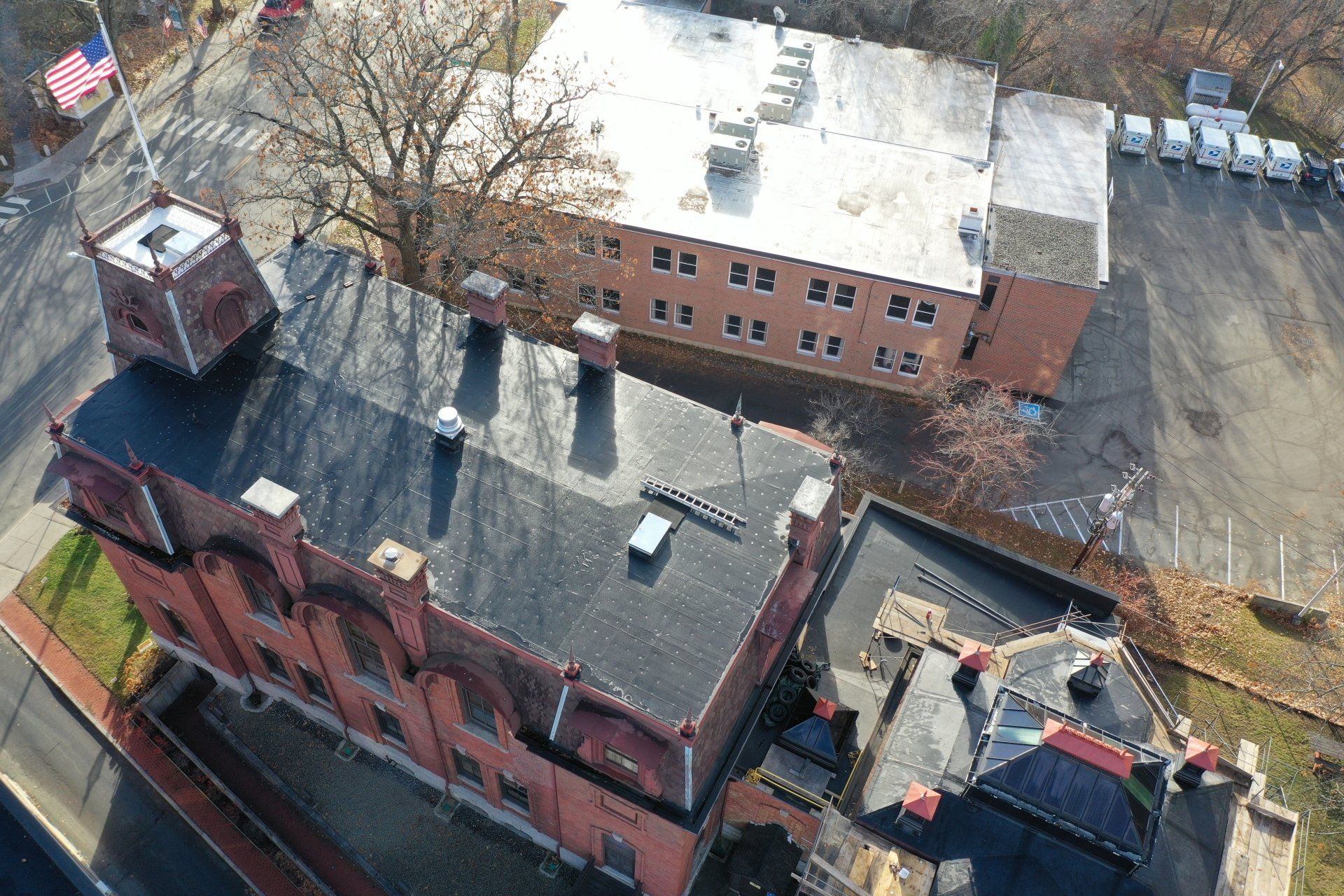
Slow or inconsistent drainage during winter thaws is also a red flag. Water that lingers near drains, scuppers, or low spots may indicate partial blockages caused by ice, debris, or shifting roof materials. Even temporary ponding becomes problematic in February, when overnight refreezing adds weight and expands existing vulnerabilities in flat roofs.
5. Interior Humidity
Finally, property owners should pay attention to unusual interior humidity or condensation near exterior walls or ceilings. This can be an early sign that moisture is entering the roof assembly and becoming trapped, a condition that worsens with repeated freeze-thaw movement.
Winter roofing issues often develop quietly, but February’s temperature swings make this one of the most critical times to identify them. A professional mid-winter roof inspection helps uncover these subtle warning signs, assess developing stress points, and reduce the risk of unexpected leaks or structural damage before spring arrives.