
Ice Dams Revisited: What to Do When Prevention Isn’t Enough
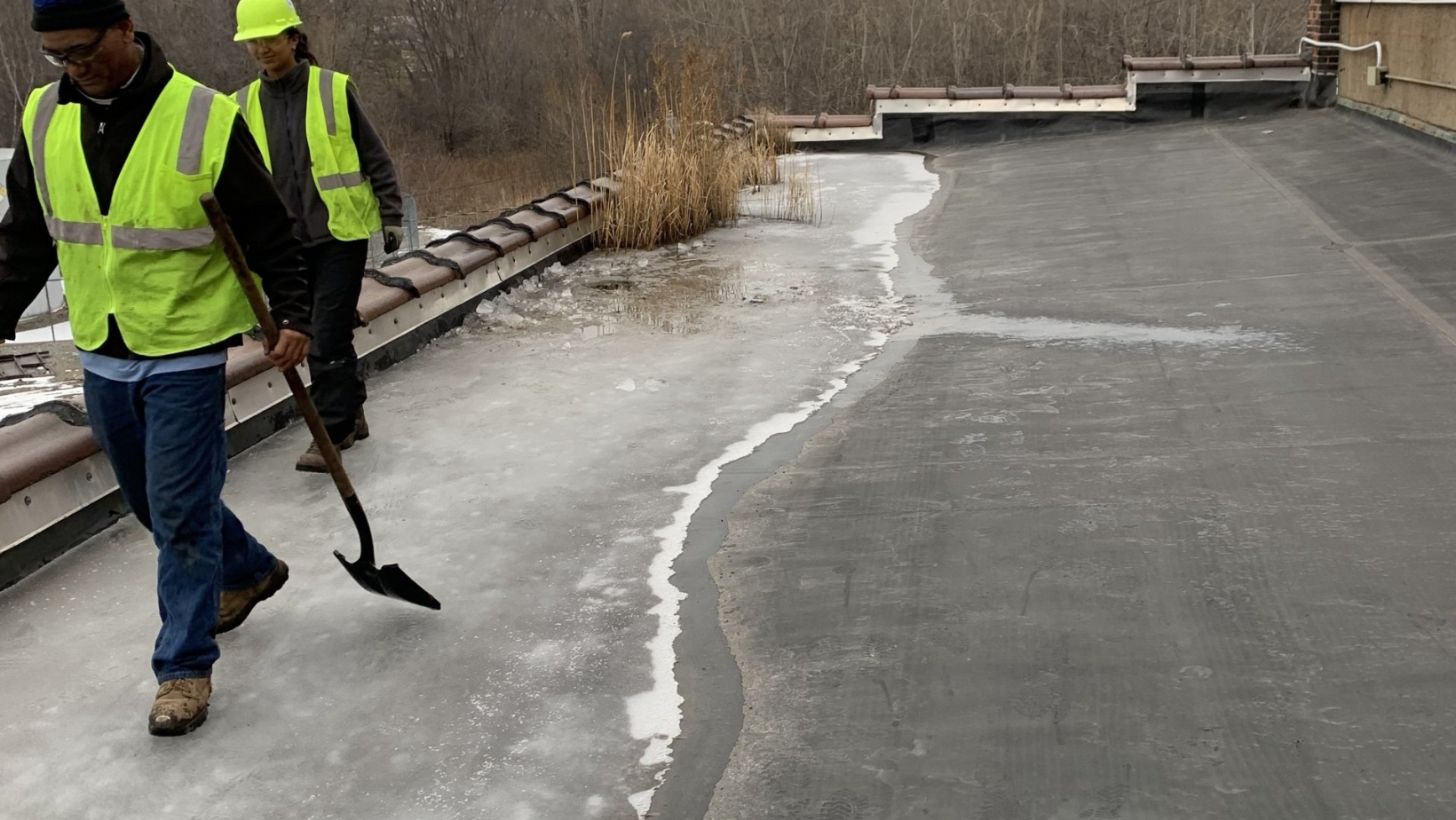
Despite the best fall prep, sometimes winter has other plans. If you’re a Vermont property owner facing stubborn ice dams on your commercial roof, you're not alone—and you're not out of options.
This follow-up to our fall prevention post explains what to do when ice dams have already formed and how to minimize their damage through smart mid-winter tactics and long-term solutions.
Step 1: Identify the Ice Dam—Before It Gets Worse
You may already suspect an ice dam if you see:
- Icicles forming along roof edges
- Water stains on interior ceilings or walls
- Dripping from soffits or behind siding
These symptoms often signal that water is backing up behind built-up ice and seeping into your roof system.
Step 2: Avoid Aggressive DIY Removal
Chipping away at the ice can crack roofing materials, void warranties, or cause personal injury. DIY fixes like salt or hot water can damage membranes and surrounding surfaces.
Instead, consider:
- Using a roof rake to remove snow buildup from the ground
- Calling professionals trained in safe steam-based removal
At Rodd Roofing, we use industry-approved methods that protect your roof while eliminating the ice.
Step 3: Consider Heat Cables for Short-Term Relief
Heat cables installed along the roof edge or inside gutters can help melt channels through the dam, allowing trapped water to escape.
Important: Heat cables won’t fix the underlying issue—they’re a temporary aid best used in emergency situations.
Step 4: Document Any Damage
Take photos of affected areas, inside and out. Record leaks, insulation damage, or structural signs for insurance and repair planning.
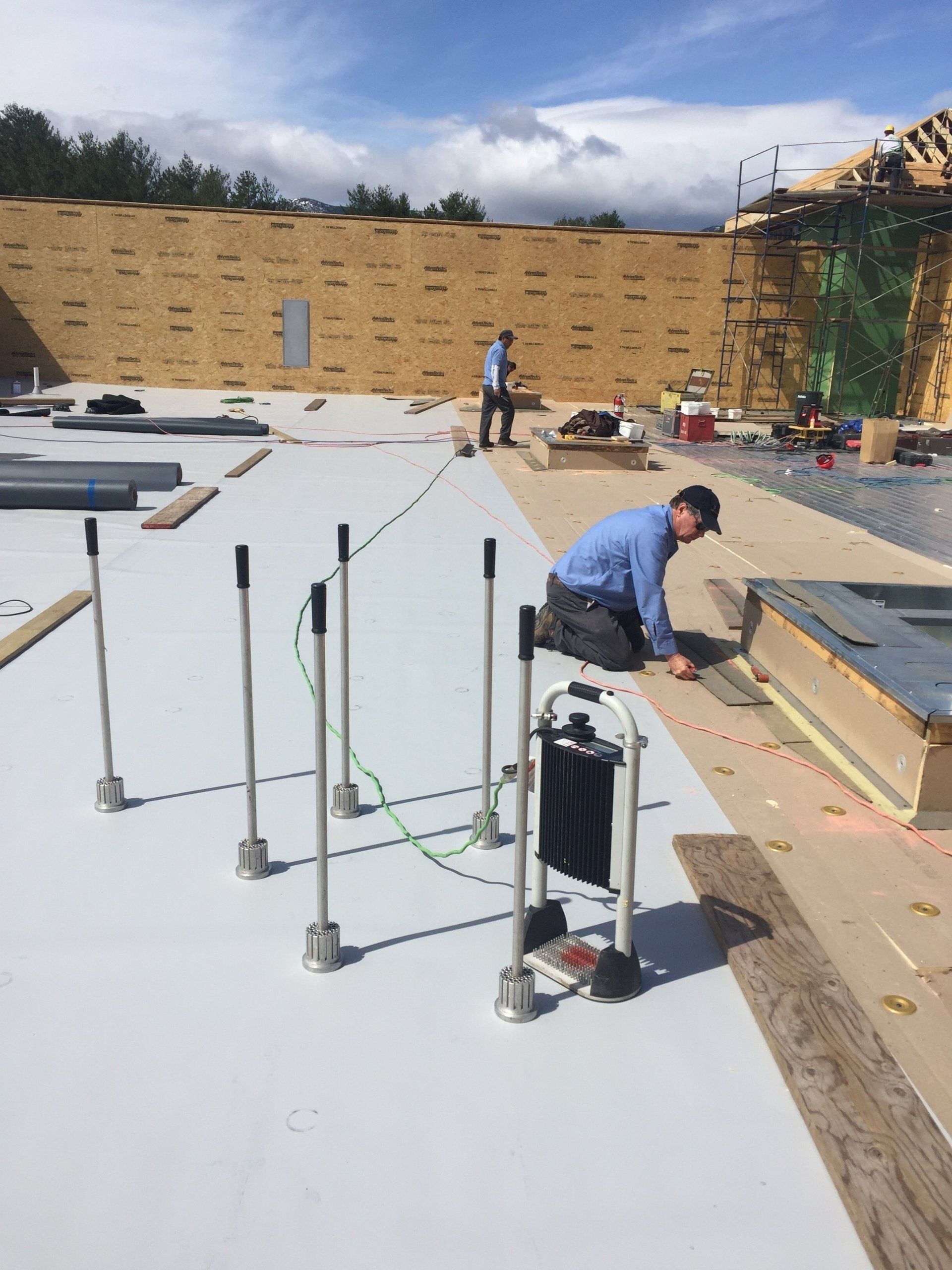
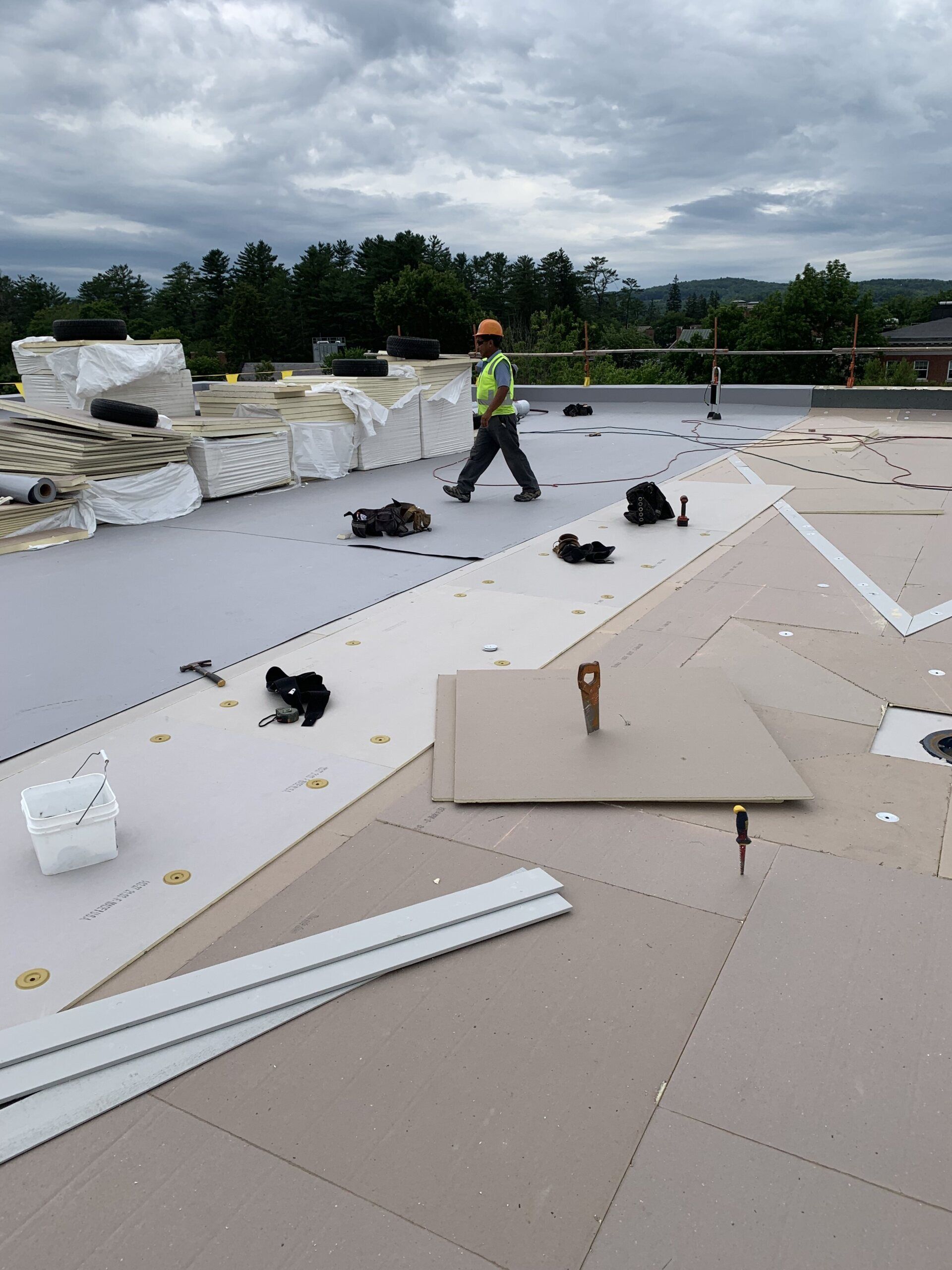
Step 5: Plan Long-Term Fixes in the Spring
Once winter ends, address the root causes:
- Add or replace roof insulation to improve thermal consistency
- Improve attic or roof ventilation
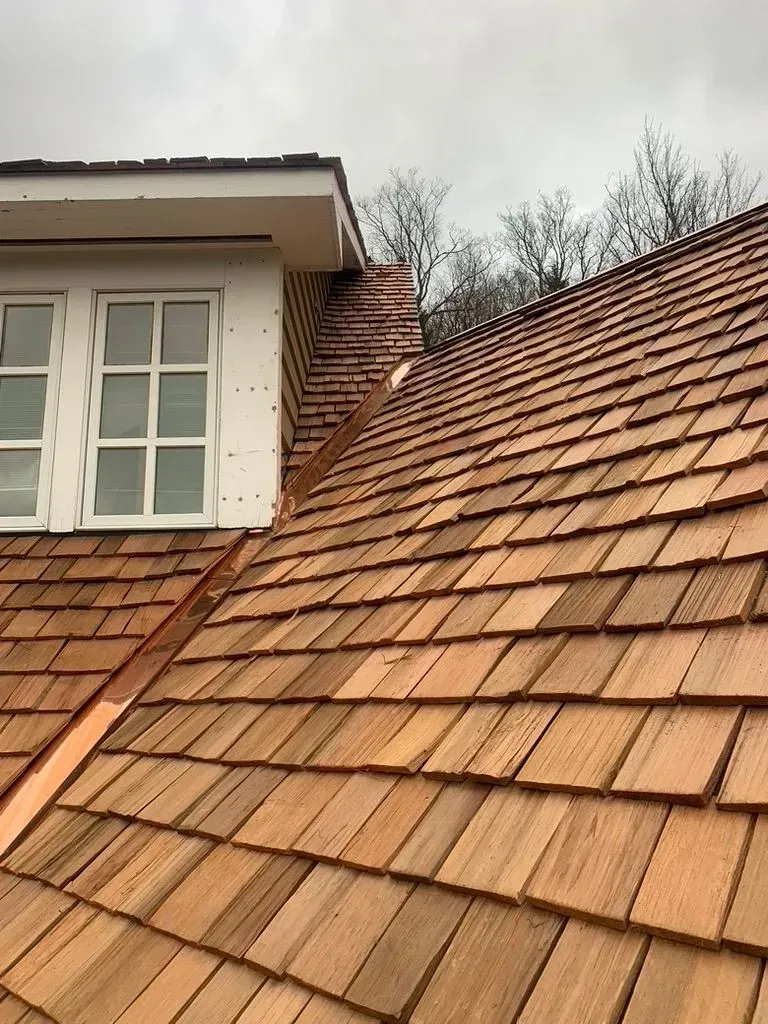
- Inspect and upgrade flashing around penetrations
- Reseal or repair any winter-related damage
Spring is the ideal time to make system-wide improvements that prevent future ice dams.
Don’t Let an Ice Dam Turn Into a Water Disaster
Mid-winter ice dams don’t have to spell long-term damage. With the right strategy—removal, documentation, and long-term planning—you can protect your building and get ahead of next winter.
Need help removing or managing ice dams safely? Rodd Roofing is here to help.
Don’t let an ice dam turn into a water disaster—learn the right steps to take. Call Rodd Roofing at
(802) 748-4555
to request service or schedule a spring follow-up inspection.