
April Showers & Roof Leaks: Why Spring Rains Expose Winter Damage
April Showers and Roof Leaks:
Why Spring Rains Reveal Hidden Winter Damage
When the first steady rains of April arrive in Vermont, many property owners are caught off guard by something unexpected: roof leaks that seem to appear out of nowhere.
But the truth is, most spring leaks aren’t sudden at all.
Winter Damage Doesn't Disappear- It Waits
Throughout the winter months, your roof takes on constant stress. Snow accumulates, melts, refreezes, and shifts. Ice forms along edges and around penetrations. Materials expand and contract with temperature swings.
All of this creates small vulnerabilities that often go unnoticed until spring.
Once warmer temperatures arrive and heavy rains begin, water finds its way into those weak points—turning minor issues into visible leaks.
What Spring Rains Are Really Revealing
1. Melting Snow & Ice Damage
As snow melts, water seeps into tiny cracks and openings created during the winter. Ice dams and freeze-thaw cycles can force water beneath roofing materials, weakening the system from the inside out.
2. Saturated Insulation
If moisture has already made its way into your roofing system, insulation can become saturated over time. This often goes undetected until rainwater adds to the problem, leading to interior leaks, reduced energy efficiency, and potential mold issues.
3. Compromised Flashing
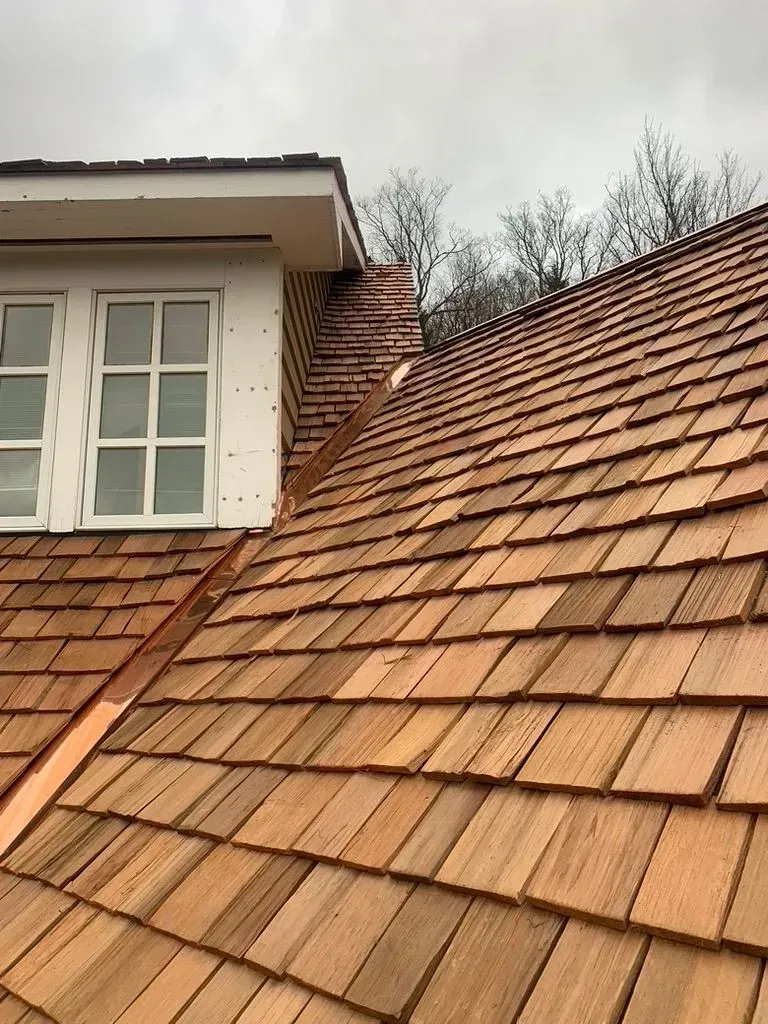
Flashing around roof edges, vents, and penetrations is especially vulnerable during winter. Ice expansion and high winds can loosen or lift these critical components, creating easy entry points for water once spring storms hit.
4. Membrane Seam Stress
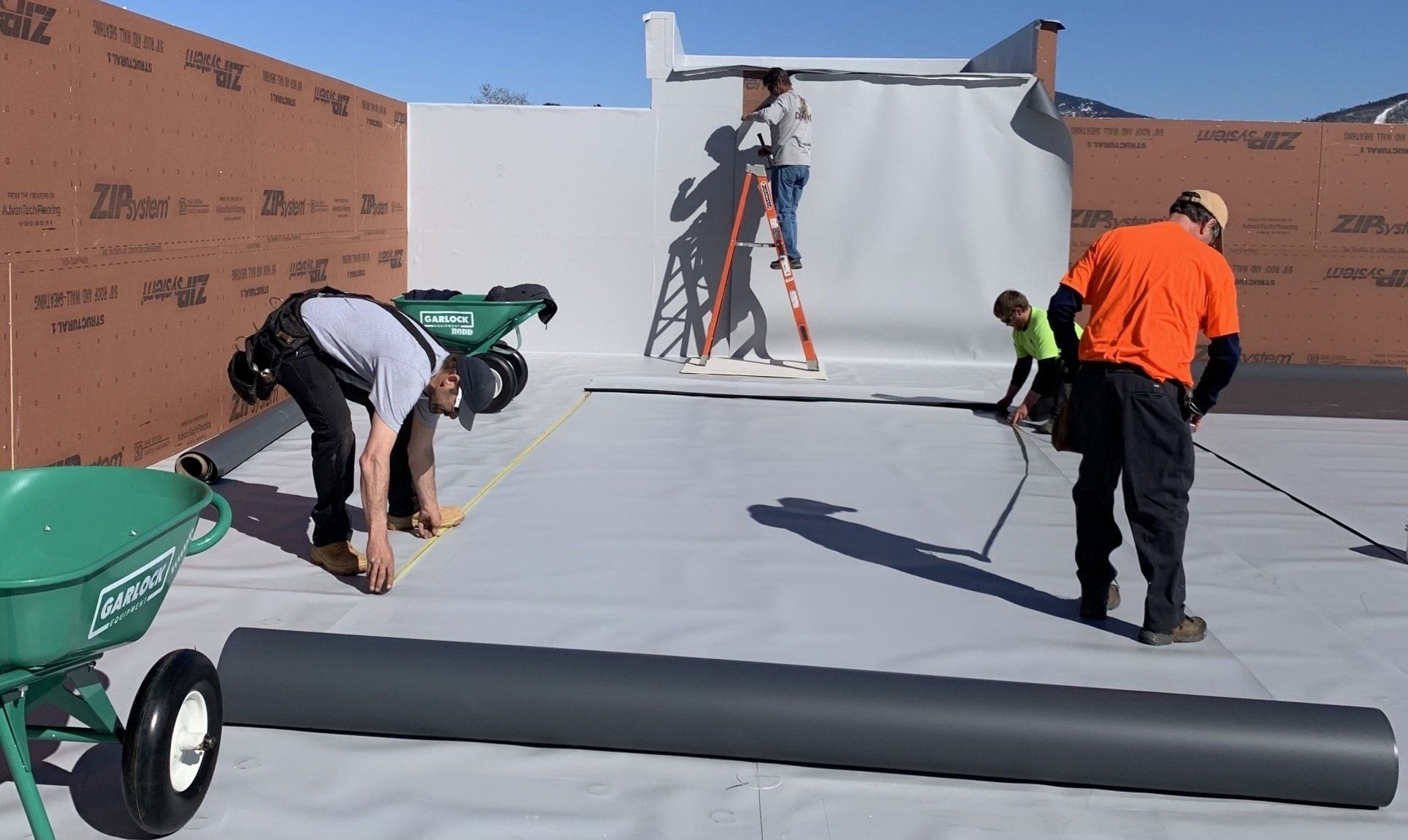
On flat and low-slope roofs, seams are a common failure point. Winter temperature fluctuations can weaken these seams, and spring rain exposes those separations quickly—often resulting in leaks that seem to “suddenly” appear.
5. Drainage Issues & Backups
Debris from winter—combined with ice-related damage—can clog drains and gutters. When spring rains arrive, water has nowhere to go, increasing the risk of ponding and infiltration.
The Leak You See Today Probably Started Months Ago
One of the biggest misconceptions about roofing issues is timing. When a leak appears during a spring storm, it’s easy to assume the storm caused it. In reality, that leak has likely been developing since mid-winter. The storm didn’t create the problem—it exposed it.
Don't Wait for Interior Damage
By the time water is making its way into your building, the damage has already progressed beyond the surface. What starts as a small vulnerability can quickly lead to:
- Interior water damage
- Insulation replacement
- Mold and air quality concerns
- Structural deterioration
- Costly emergency repairs
The earlier these issues are identified, the easier—and more affordable—they are to address.
Schedule Your Inspection With Rodd Roofing
f your roof has been through a Vermont winter, it’s worth taking a closer look.
Don’t wait until a small leak turns into a major problem.
Schedule your professional post-winter roof inspection with Rodd Roofing today—and stay ahead of spring damage before it spreads.