Post-Storm Roof Inspections: What to Check After Snow and Ice
Why Post-Storm Inspections Are Critical in Vermont
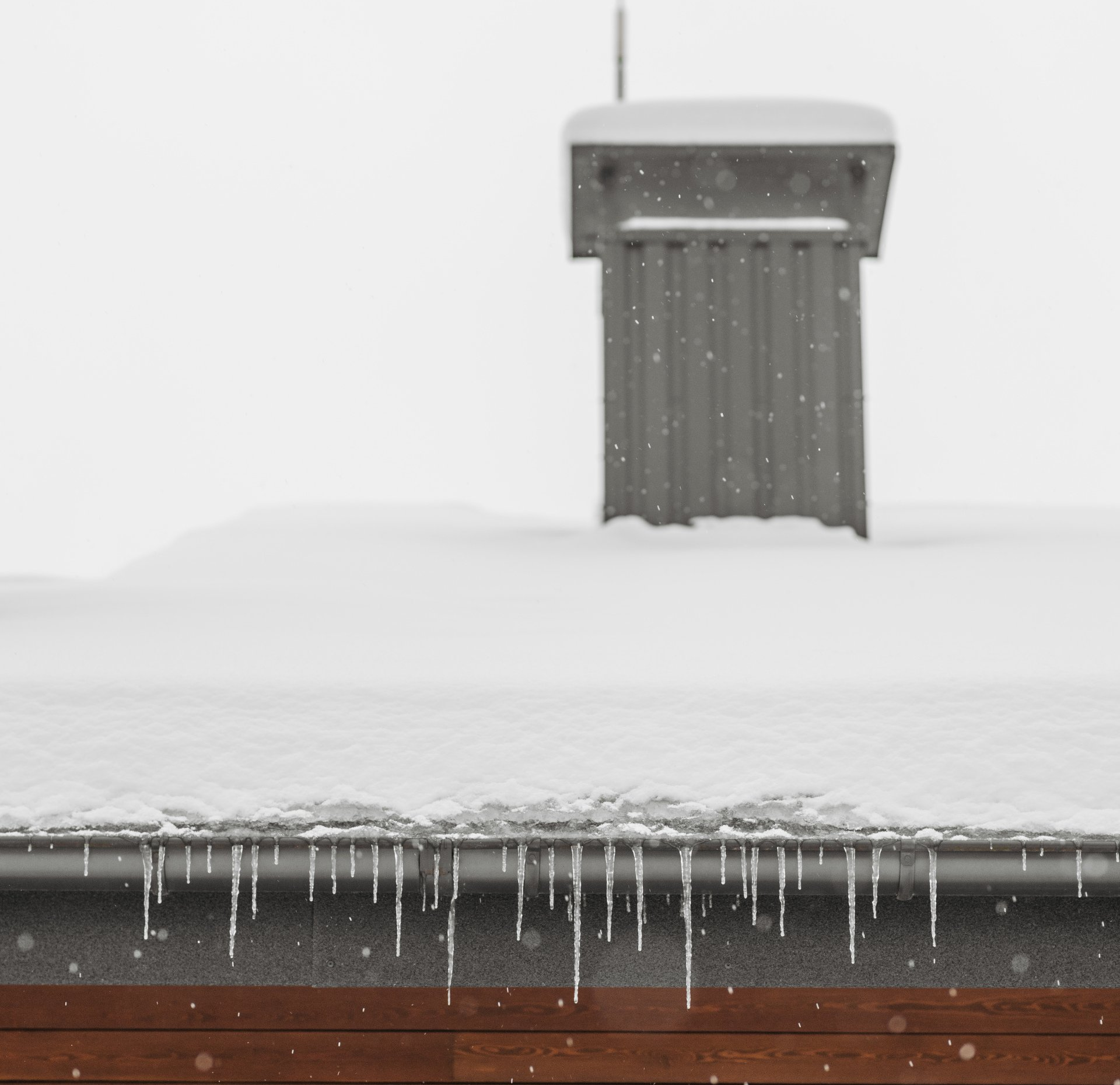
After a major snow or ice event in Vermont or New Hampshire, commercial roofs can sustain hidden damage. From ponding water to blocked drains and seam separations, winter storms create conditions that may lead to serious roofing failures if not caught early.
Here’s what to check after every significant snow or ice storm to protect your property and prevent costly repairs:
1. Look for Visible Sagging or Deformation
Heavy, wet snow can exceed your roof’s load capacity. If you notice sagging, warping, or cracks on interior ceilings, it could signal stress on the roofing structure. Act quickly to avoid collapse risks.
2. Check for Ice Dams and Blocked Drainage
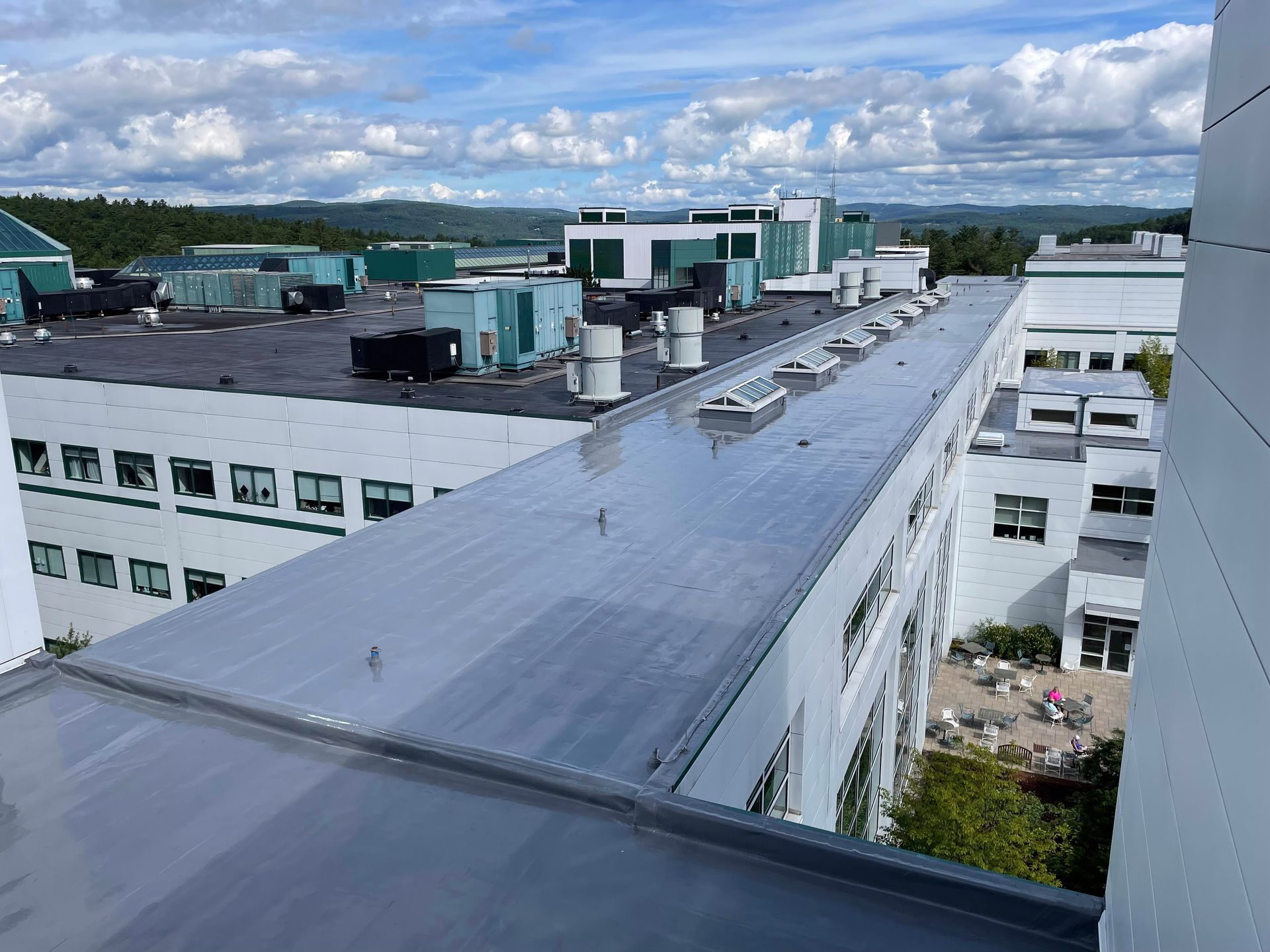
Flat roofs are especially vulnerable to ice buildup around internal drains and scuppers. Ice dams prevent proper drainage, leading to water backup that can leak into the building.
3. Inspect Seams, Flashings, and Penetrations
Temperature swings can cause membranes to expand and contract. This may pull seams apart or crack sealants around rooftop penetrations (like HVAC units or vents). Check for gaps or exposed areas.
4. Watch for Leaks Inside the Building
Discoloration on ceilings, damp insulation, or water near walls may indicate roof failure. Even a small drip in winter should trigger a call to your roofing provider.
5. Remove Snow Safely
Never climb on an icy roof. Use long-handled rakes from the ground and hire professional snow removal services to avoid damaging materials or creating liability risks.
Schedule an Inspection with Rodd Roofing
If anything looks unusual (or you’re just not sure what to look for), Rodd Roofing is here to help. Our post-storm inspections help commercial property owners catch problems early and prevent costly emergency repairs.