
5 Signs Your Roof Was Damaged This Winter: What to Look For & What To Do Next

Winter Roof Damage Warning Signs:

How to Spot Issues Early

Vermont winters bring heavy snow, ice, and freeze-thaw cycles—all of which can take a serious toll on your roof. As temperatures rise, it’s important to inspect your roof for damage before spring rains make things worse.


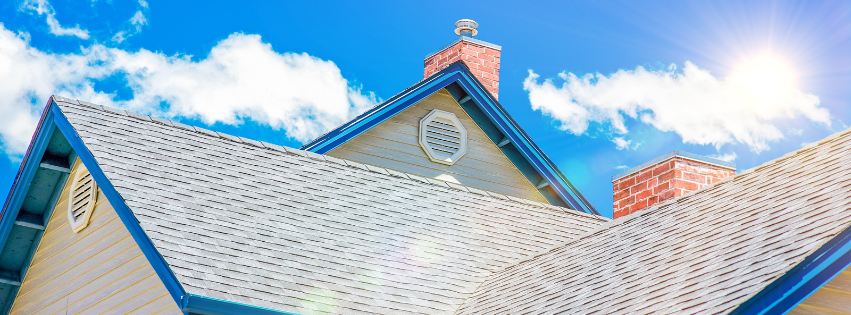
One of the most common issues is missing or cracked shingles. Snow load and ice can loosen shingles, leaving your roof exposed. From the ground, look for uneven patches or debris around your home.


Another warning sign is water stains on ceilings or walls. These often indicate leaks caused by winter damage. Even small stains can point to bigger problems inside your roofing system.


Ice dams are especially common in Vermont. When snow melts and refreezes at the roof edge, water can back up under shingles. Signs include peeling paint, damaged gutters, or water near exterior walls.


Also check for sagging rooflines. Heavy snow accumulation can strain the structure, and any visible dip should be inspected immediately by a professional.


Inside your attic, look for moisture, mold, or damp insulation. Poor ventilation combined with winter conditions can trap moisture and lead to long-term issues.

If you notice any of these signs, the next step is to schedule a professional inspection. Avoid climbing on the roof yourself—winter damage can make surfaces unstable.


At Rodd Roofing, we help Vermont business and homeowners catch problems early and recommend the right solution, whether it’s a simple repair or something more extensive. Acting quickly can save you money and protect your home before the next storm hits.

Contact Us
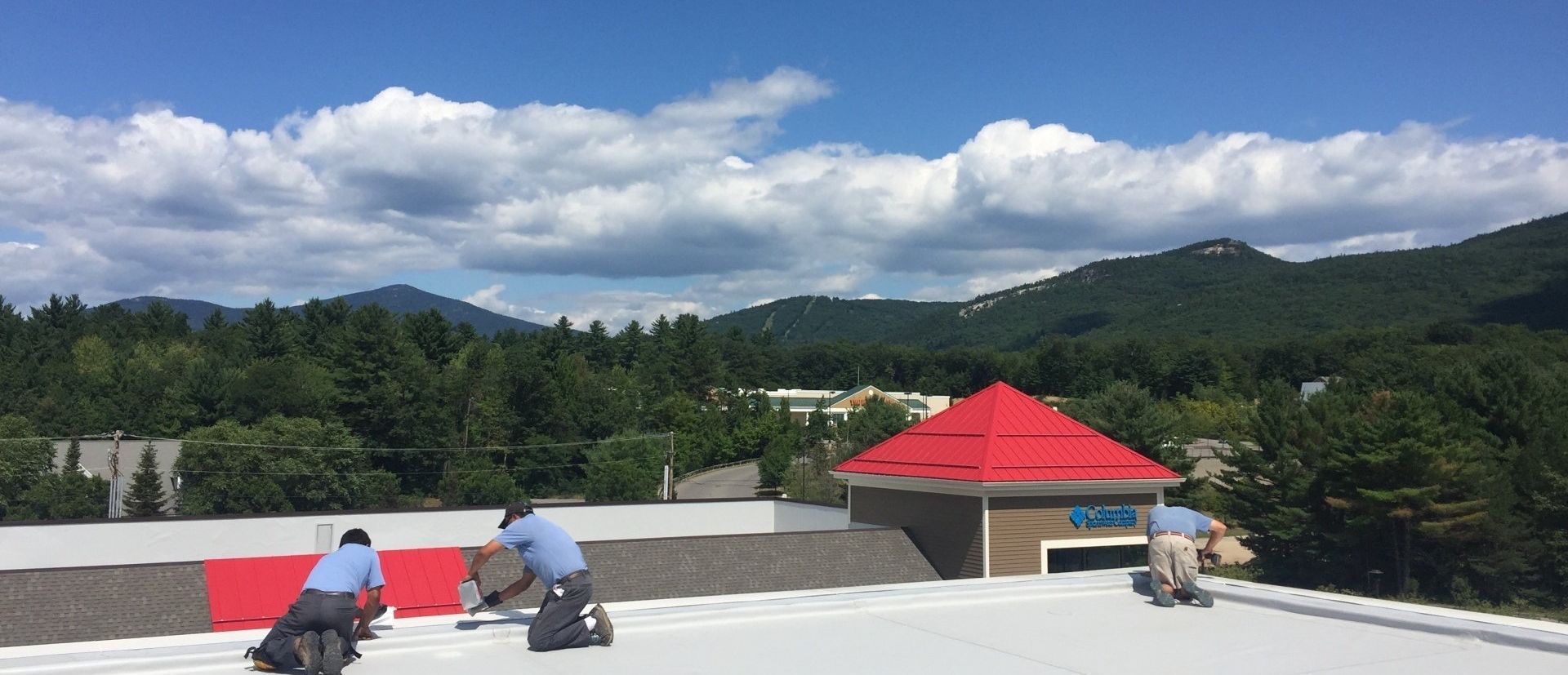
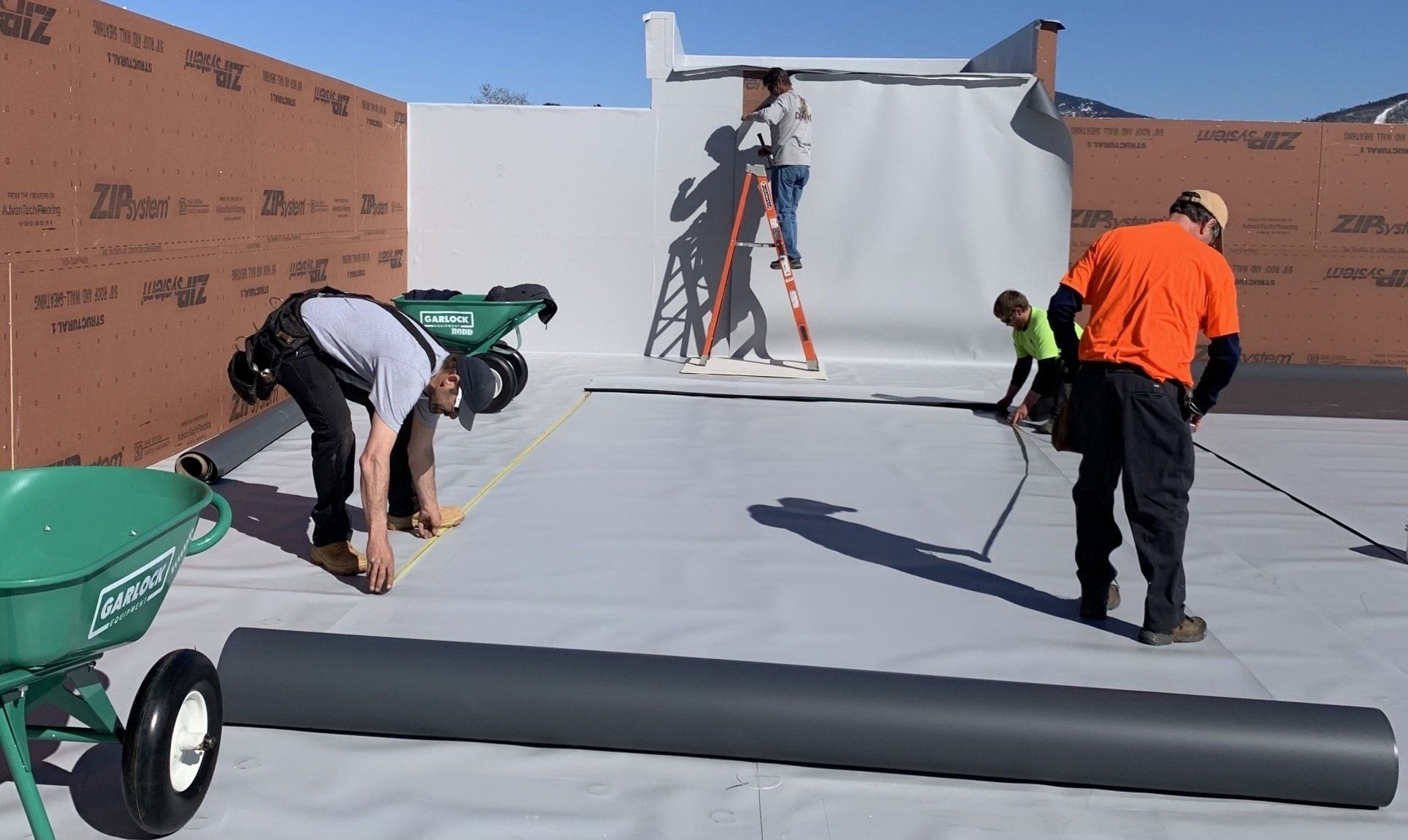
Three people work on installing a white flat roof on a building against a background of mountains and a blue sky.
April 30, 2026
Vermont’s harsh weather can shorten a roof’s lifespan—learn how preventative maintenance plans help protect your building and reduce unexpected repair costs.
April 23, 2026
Not sure whether to repair or replace your roof? Learn the key factors to consider this spring and make the most cost-effective decision.
Raindrops splash onto a dark, wet surface, creating ripples and bubbles in a heavy downpour.
April 16, 2026
Prepare your commercial roof for spring storms by addressing winter damage, drainage issues, and wind risks before costly repairs arise.
Raindrops splash into deep, shimmering puddles on a wet pavement with a blurred red building in the background.
April 9, 2026
Spring rain often exposes roof damage caused by winter—learn the warning signs and why a post-winter inspection can prevent costly repairs.
Melting snow and an icicle hang from a red metal roof under a bright blue sky.
March 26, 2026
As snow melts and temperatures fluctuate, hidden winter roof damage can surface—learn what to look for and why a professional spring inspection is essential.
A low-angle view of shiny metal roofing panels with vertical seams against a bright blue sky with a few clouds.
March 19, 2026
Explore how asphalt, metal, slate, copper, single-ply membranes, and silicone coatings perform in Vermont’s demanding climate.
Icicles hanging from the dark brown edge of an umbrella against a clear blue sky.
March 12, 2026
March is the ideal time to inspect your roof after winter stress—learn what to look for and why scheduling a professional spring evaluation can prevent costly leaks.
March 5, 2026
Ensure your commercial roof drains, scuppers, and gutters are ready for spring storms—prevent ponding water and costly interior damage with proactive maintenance.
Flat, black roof with ice and snow. Brown brick trim, bare trees and a snowy background.
February 26, 2026
February’s freeze-thaw cycles put flat roofs at risk—learn how low-slope pooling, frozen scuppers, and blocked internal drains create hidden hazards and why pre-thaw maintenance is critical.
Worker in safety vest and hard hat chipping ice with a shovel on a commerical roof.
February 19, 2026
Learn how unchecked ice buildup can crack flashings, block drains, and force water under roof seams—causing damage that worsens with every winter freeze-thaw cycle.