
What Happens When You Ignore Ice Buildup?
The Hidden Cost of Ice
What Happens When Winter Buildup Is Ignored
Ice buildup on a commercial roof is rarely just a surface problem. While it may look harmless—or even unavoidable—during winter, ice that’s allowed to remain or repeatedly refreeze can quietly cause progressive damage that worsens with every temperature swing. By February, when freeze-thaw cycles peak, the consequences of ignoring ice become far more serious.
One of the first areas affected is roof flashing. Flashing materials are designed to create watertight transitions around edges, penetrations, and walls. As ice forms and expands, it exerts outward pressure on these components. Over time, this repeated expansion and contraction can crack flashings or pull them away from adjoining materials. Once that seal is compromised, meltwater can enter the roof system even during minor thaws.
Ice also has a way of forcing water where it doesn’t belong. When snow melts during daytime warming, water flows until it meets refrozen ice, blocked drains, or parapet walls. With nowhere to go, it can be pushed backward under membrane seams or flashing edges. This type of intrusion often goes unnoticed because it may only occur intermittently, leaving behind moisture that refreezes before interior leaks become obvious.
Roof drains and scuppers are another frequent casualty of prolonged ice buildup. As ice thickens, it restricts drainage pathways and adds weight to the roof surface. When meltwater refreezes around partially blocked drains, it accelerates stress on surrounding materials and can lead to cracking, membrane fatigue, or collapsed drain components.
In real-world cases, before-and-after inspections often reveal how quickly ice damage escalates. What begins as localized ice near a parapet or drain can evolve into displaced flashing, seam separation, and moisture trapped within the roof assembly. By the time visible leaks appear inside the building, repairs are often more extensive and disruptive.
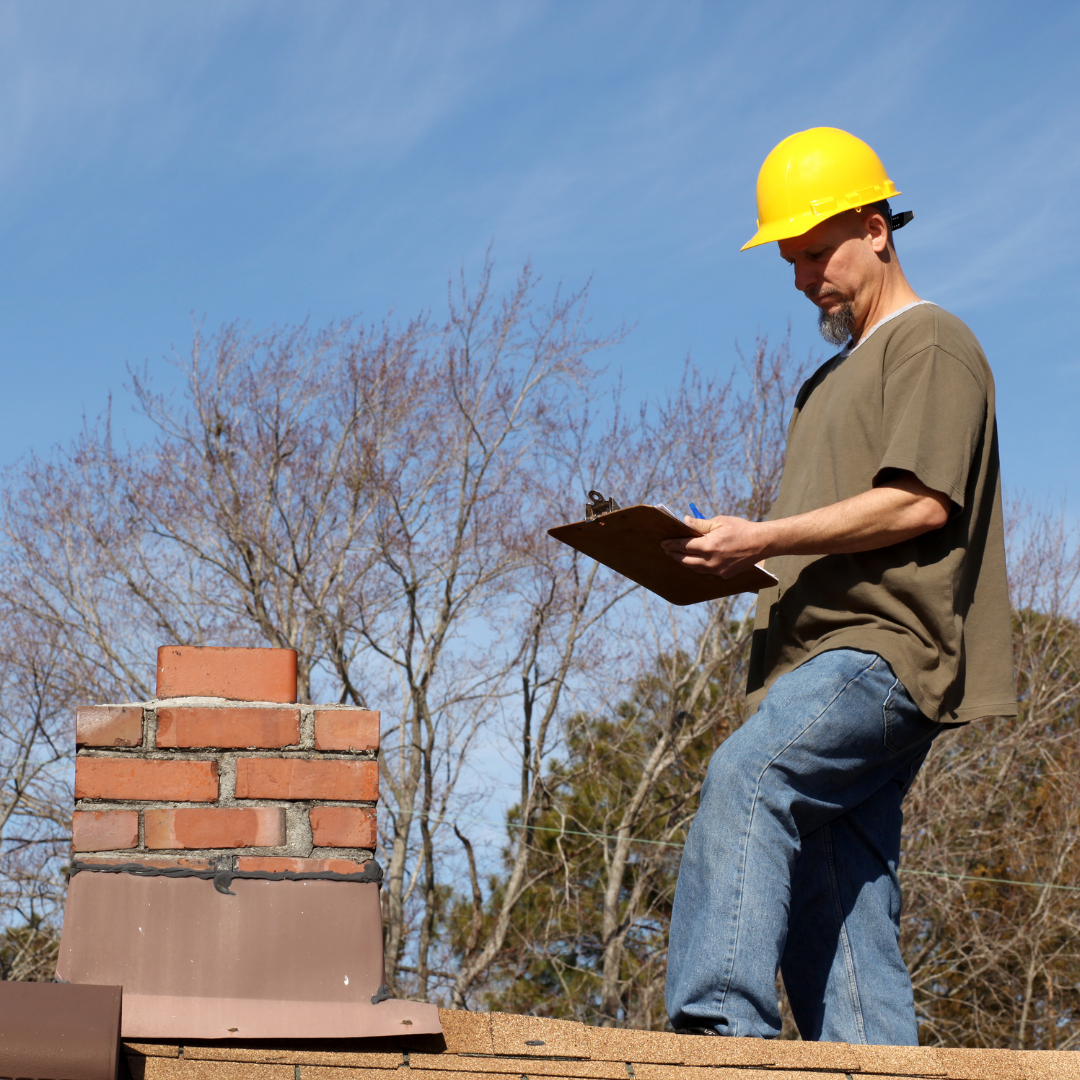
The good news is that ice-related damage can often be stopped early. Professional winter roof inspections focus on identifying problem areas where ice repeatedly forms, assessing drainage performance, and reinforcing vulnerable transitions before failure occurs. Addressing these issues mid-winter helps reduce emergency repairs, protect interior spaces, and extend the roof’s service life.
Ignoring ice doesn’t make it disappear—it allows small stresses to compound. Proactive attention during the winter months can make the difference between routine maintenance and costly structural repairs.