
How Much Snow Is Too Much? Understanding Roof Load Limits
Know When Snow Becomes a Structural Risk
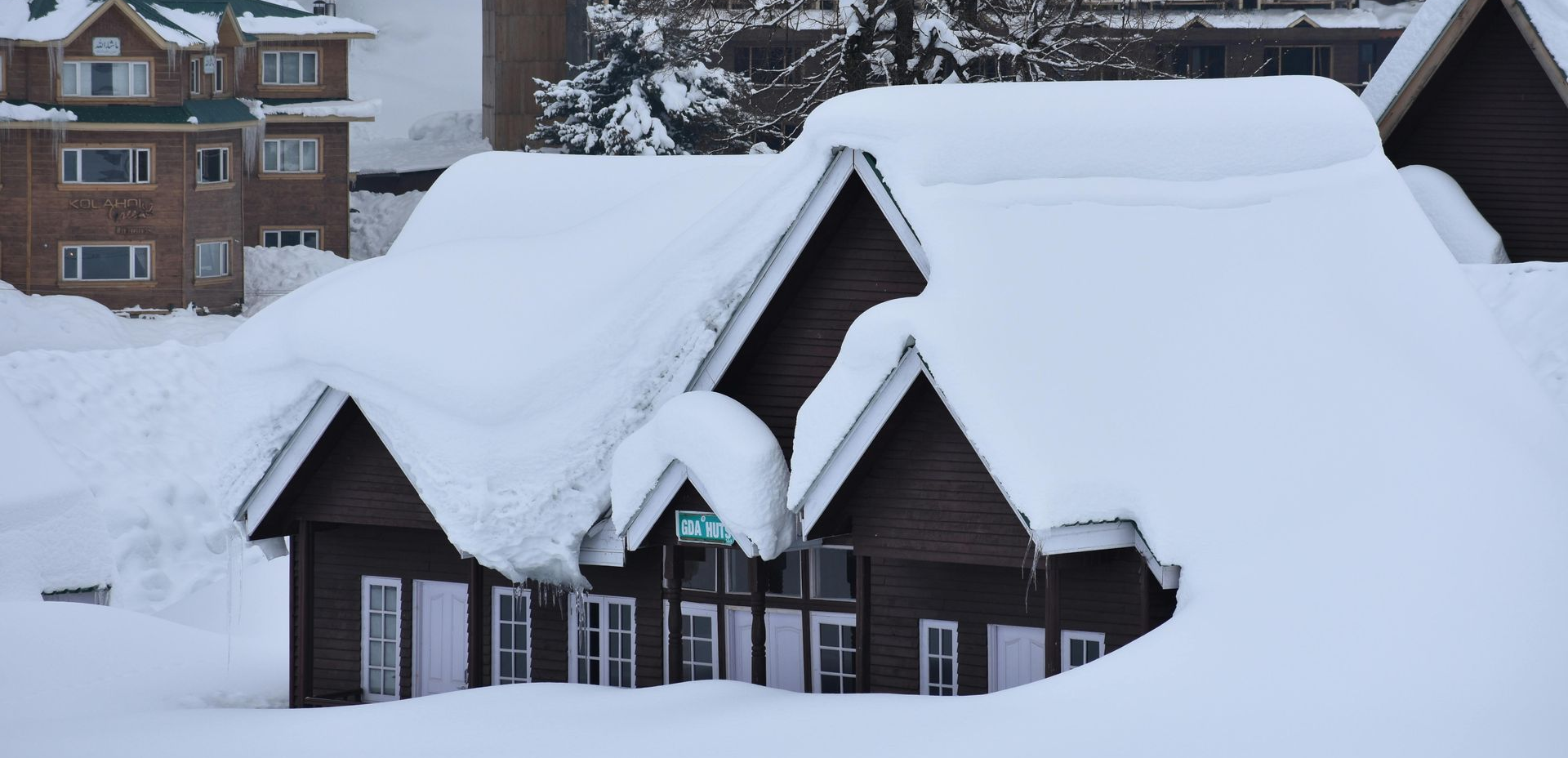
Not all snow weighs the same. Wet snow is far heavier than powdery snow, and when it piles up on flat or low-slope commercial roofs, it can create dangerous conditions.
1. Understand Your Roof’s Load Capacity
Every roof is designed with a maximum live load rating. Exceeding this limit risks deflection, stress fractures, or even collapse. Consult your building plans or engineer if unsure.
2. How to Estimate Snow Weight
On average:
- 1 foot of wet snow = ~20 lbs per square foot
- 1 foot of dry snow = ~5-10 lbs per square foot
- Ice = up to 60 lbs per square foot
Use a snow depth gauge and multiply by the estimated weight to determine risk.
3. Warning Signs of Excess Load
- Ceiling cracks or bowing
- Doors sticking or frames shifting
- Water leaks or pooling
4. When to Call Professionals
If snow depth exceeds safe limits, call for snow removal. Never shovel it yourself—damaging the roof surface or falling are serious risks.
Schedule Snow Load Assessments with Rodd Roofing
We offer safe, experienced snow load evaluations and removal services for commercial buildings throughout Vermont. Don’t wait until it’s too late!
Learn how commercial roof inspection reports, maintenance records, and repair history can support warranties, budgeting, insurance, and long-term roof planning.
Learn how large commercial roofing projects are planned, from site evaluations and materials to safety, scheduling, and long-term maintenance in VT & NH.
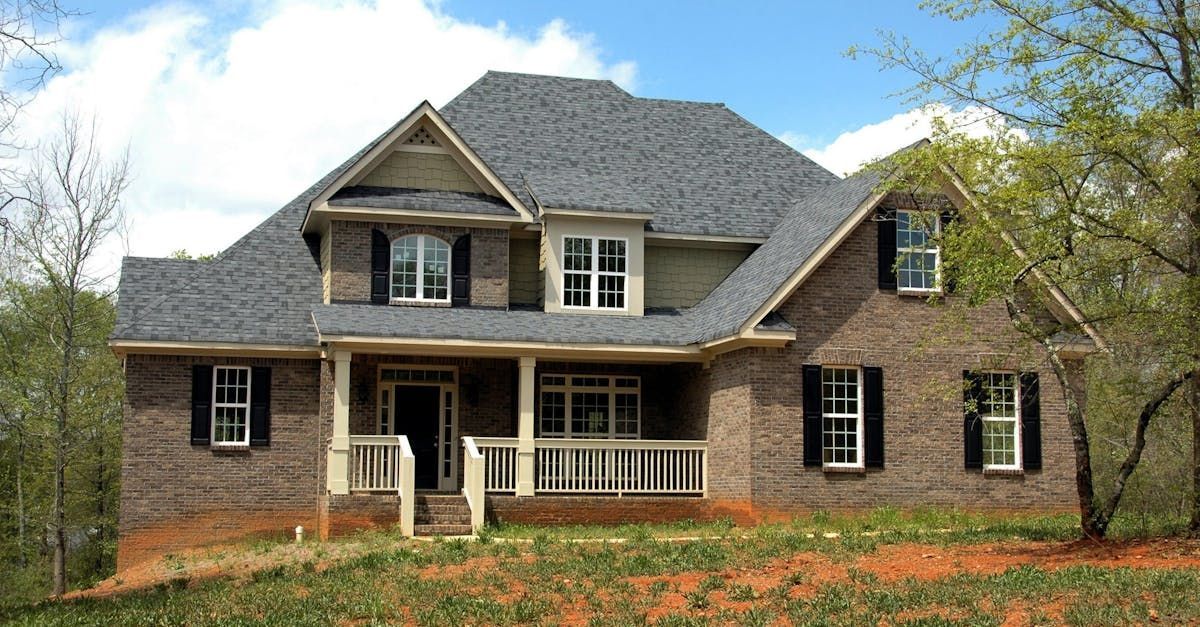
Learn why roof valleys are prone to leaks, debris, and ice damage, plus warning signs Vermont homeowners should watch for before winter.
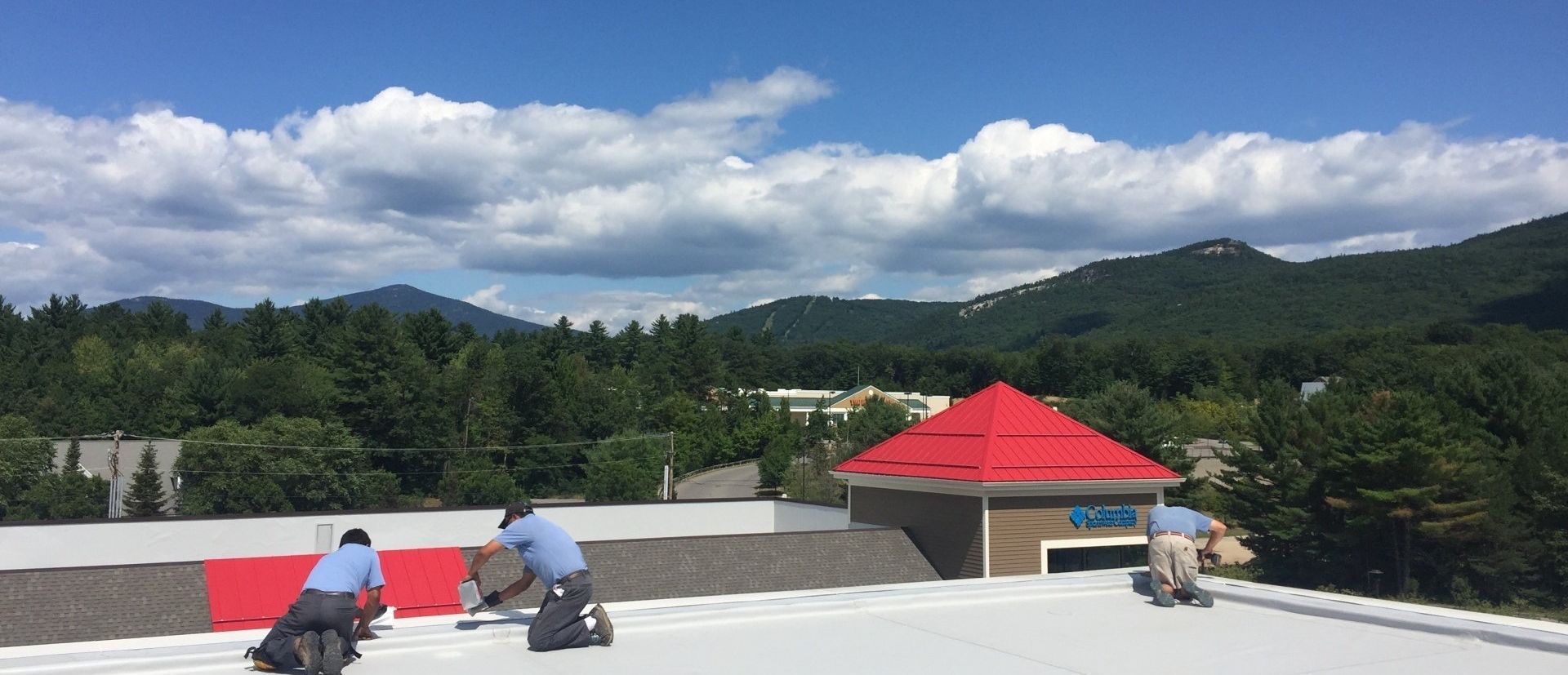
What happens during commercial roof maintenance? Learn how roofers inspect membranes, flashing, seams, drainage, and penetrations in VT & NH.
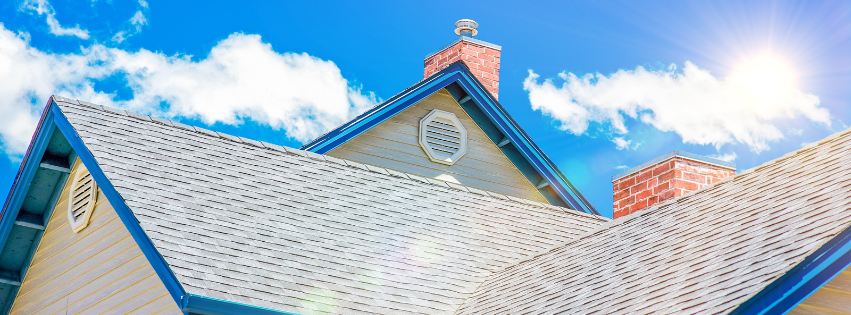
Learn how proper roof ventilation controls attic heat and moisture, supports energy efficiency, and helps protect your roof throughout the year.
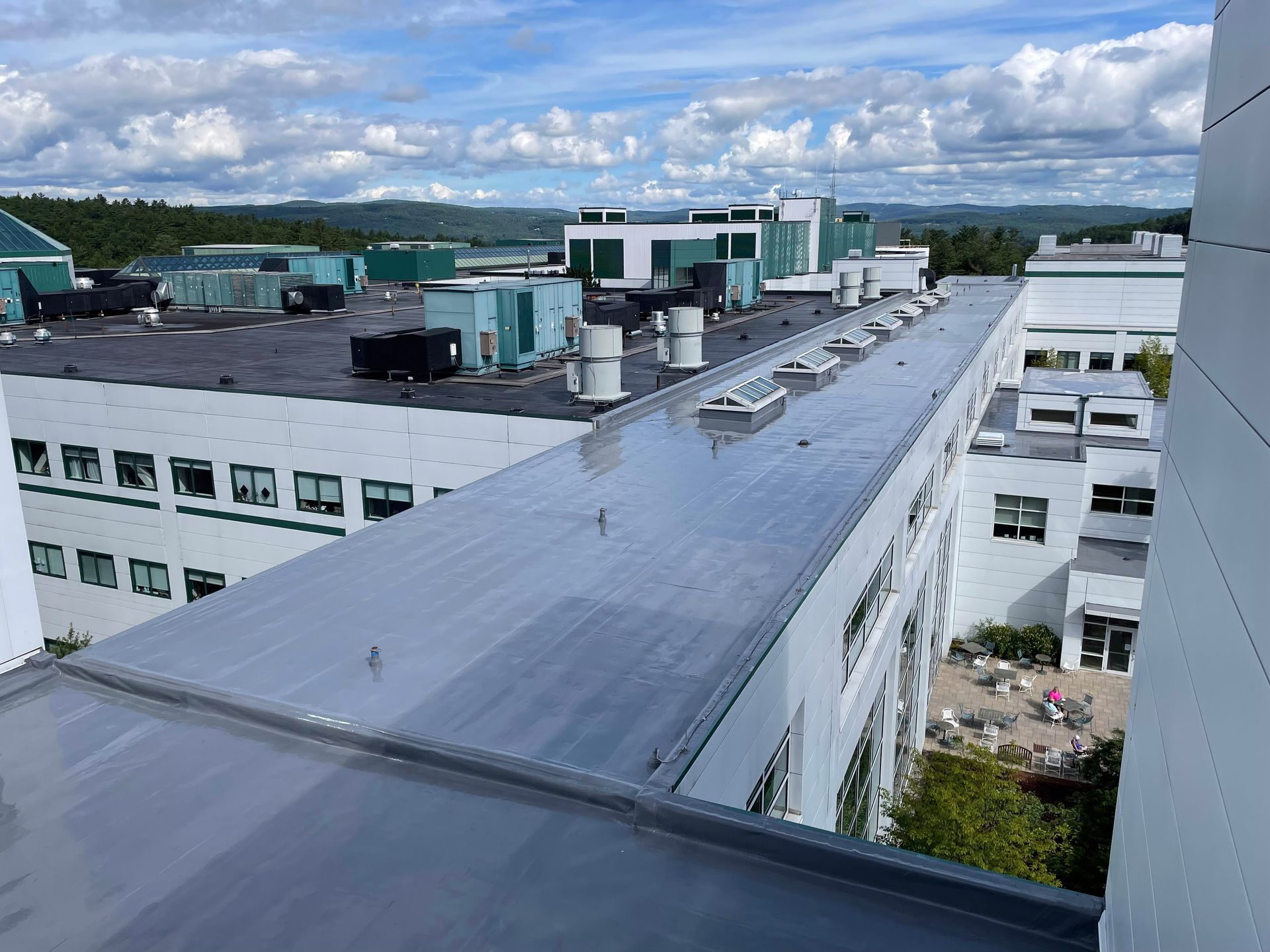
August is the ideal time to assess your commercial roof, plan capital improvements, reduce emergency costs, and budget accurately for next year with Rodd Roofing.
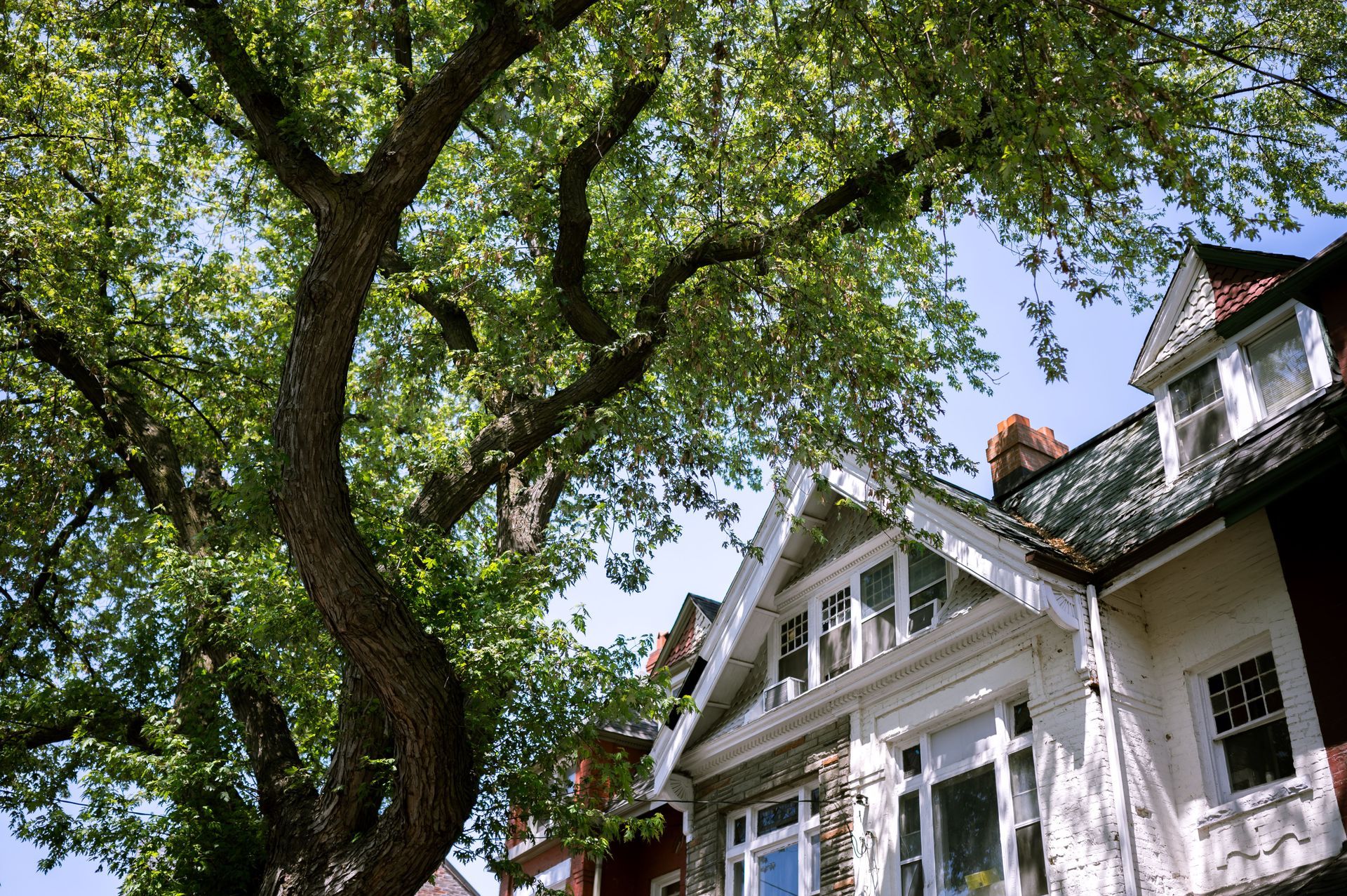
Learn how overhanging branches, shade, leaves, and animals can damage your roof—and why late-summer tree maintenance helps protect your home.

Schedule a late-summer roof inspection to catch damage early, prevent costly leaks, and prepare your property for fall and winter weather.
Ensure your commercial roof is well-maintained with regular inspections. Schedule a consultation for expert roofing services today!
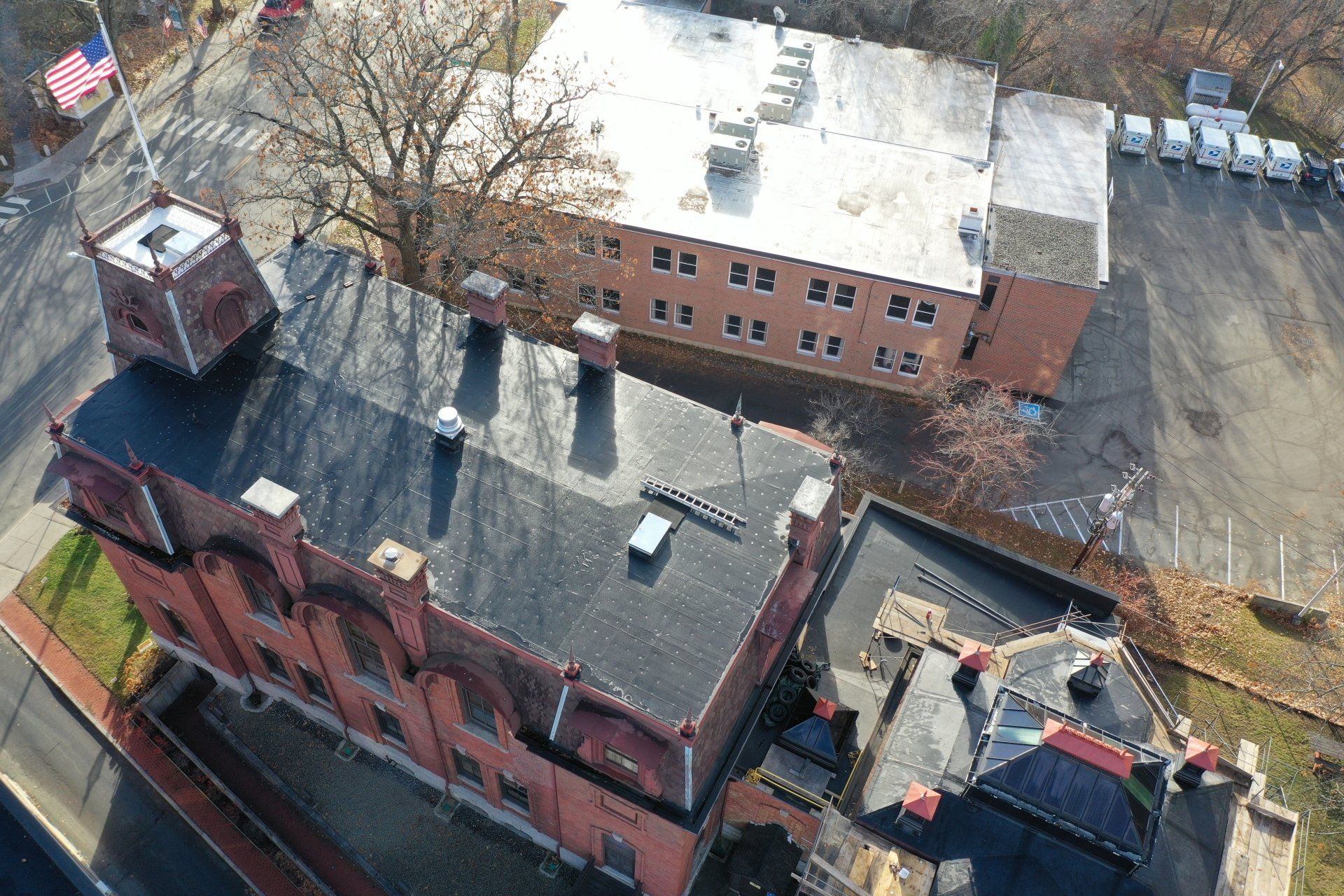
Discover how proper slate roof restoration helps preserve historic Vermont homes while extending the life of one of the world's most durable roofing materials.