
Mid-Winter Roof Check: What Most Property Owners Forget to Look At
Mid-Winter Roof Check
The Overlooked Weak Points That Cause Winter Damage
By February, winter has already put commercial roofs through weeks of stress. Heavy snow loads, fluctuating temperatures, and repeated freeze-thaw cycles quietly wear down roofing systems—especially flat and low-slope roofs. While most property owners watch for obvious signs like leaks or ice dams, some of the most vulnerable areas are easy to overlook until damage is already underway.
One of the most commonly forgotten weak points is roof expansion joints. These joints are designed to absorb building movement as temperatures change, but winter is when they work the hardest. In February, daily temperature swings often cause materials to expand during brief thaws and contract rapidly overnight. Over time, this movement can strain joint covers and seals, increasing the risk of separation or moisture intrusion if they’ve begun to age or deteriorate.
Another concern is under-insulated zones. Even well-designed roofing systems may have areas where insulation coverage is thinner or inconsistent—often near transitions, penetrations, or older roof sections. In cold conditions, these zones become prime locations for heat loss, snow melt, and refreeze. The result is trapped moisture, membrane stress, and accelerated wear that may not be visible from inside the building.
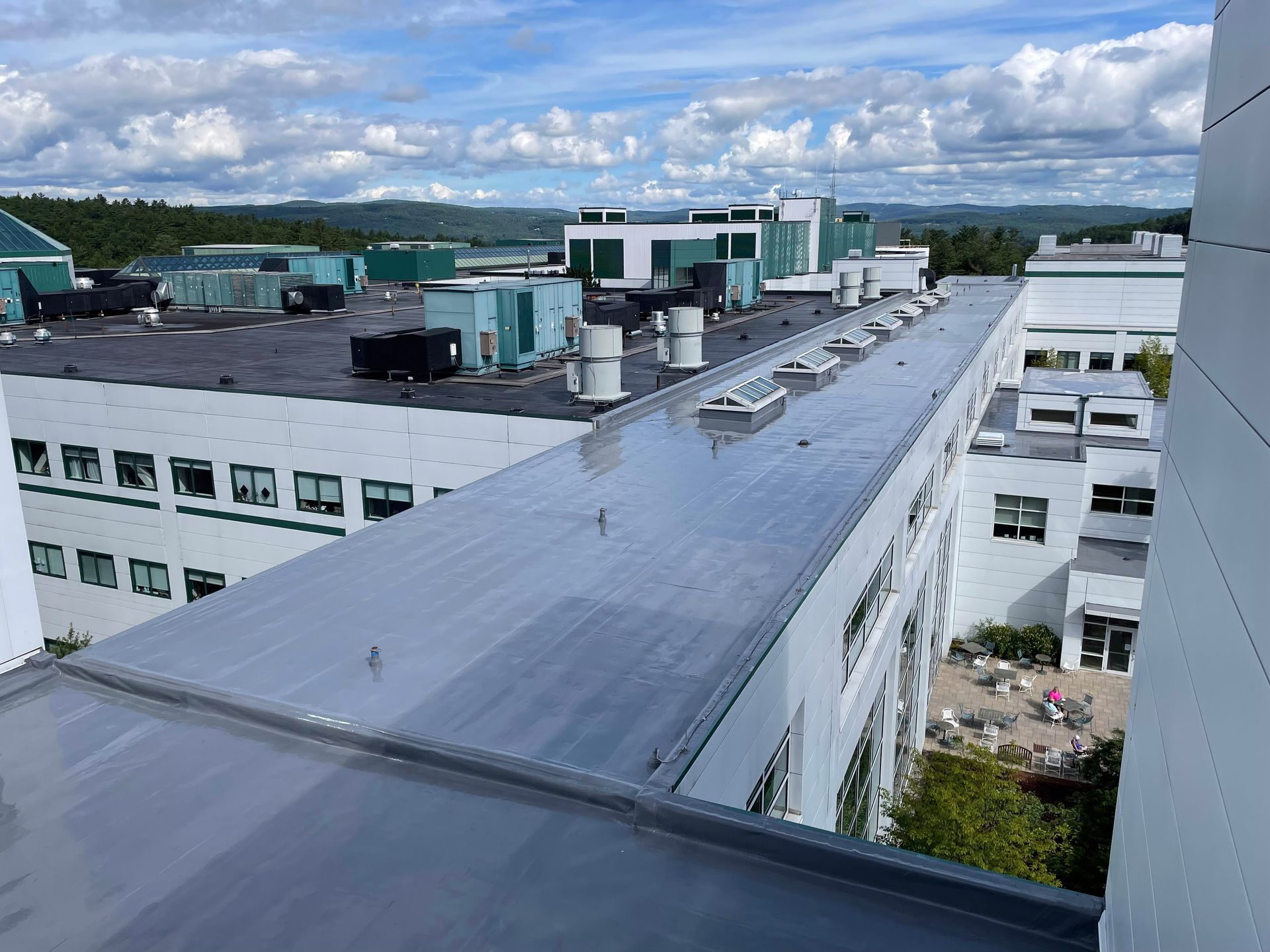
Blocked scuppers and internal drains are also a frequent mid-winter issue. Snow, ice, and roof debris can gradually restrict drainage pathways, allowing meltwater to pool. When temperatures drop again, that standing water refreezes, adding weight and pressure to the roof surface. On flat roofs, this freeze-thaw cycle can lead to membrane cracking, seam stress, and flashing failures long before spring inspections take place.
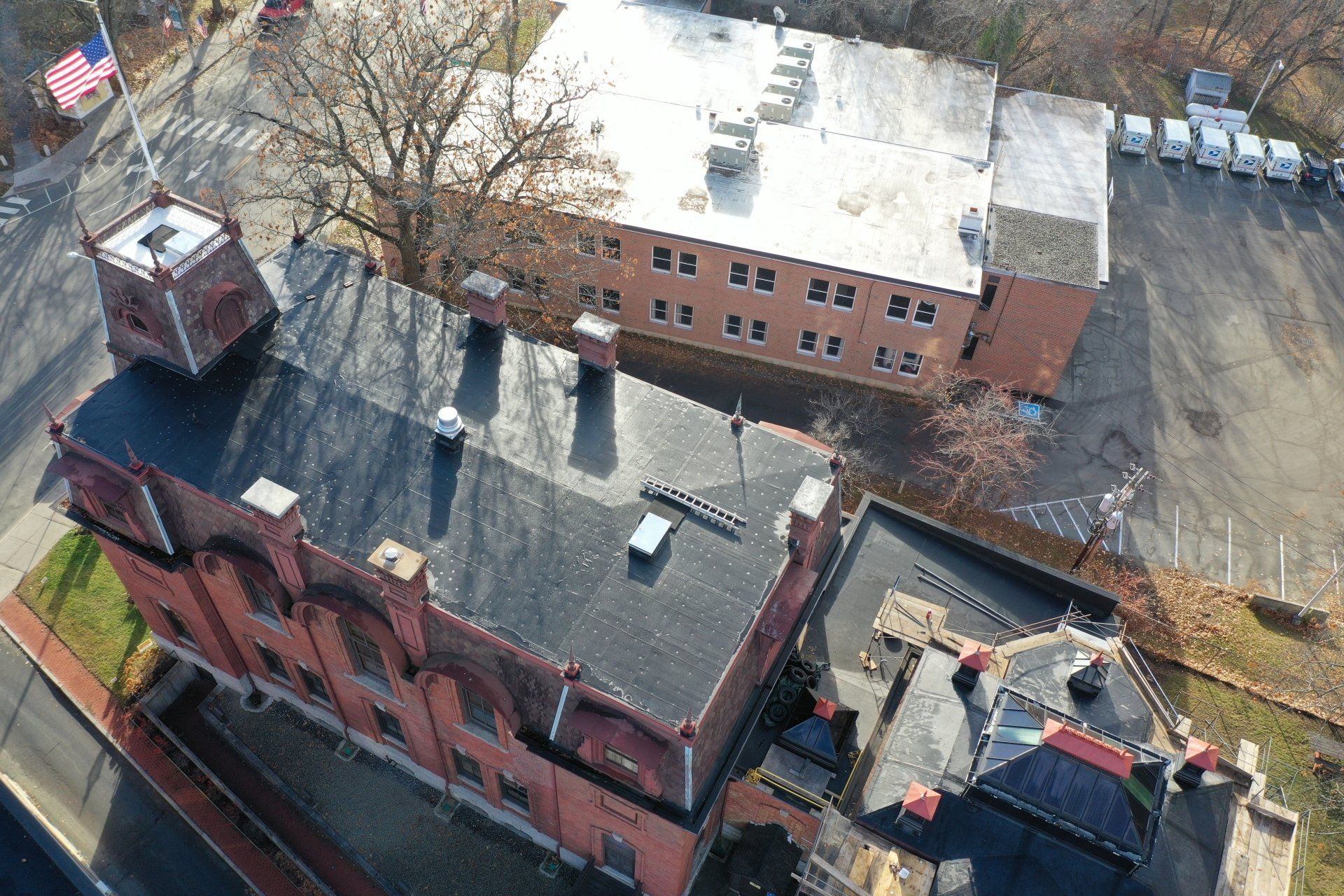
Finally, HVAC curbs and rooftop equipment bases deserve special attention during winter months. These penetrations interrupt the roof system and are highly exposed to snow buildup and ice formation. Freeze-thaw movement around curbs can weaken flashing and seals, making them one of the most common sources of winter-related leaks.
February is often the peak risk period for flat roofs because snow accumulation, partial melting, and refreezing occur repeatedly within short timeframes. Identifying stress points early—before water finds a path inside—can help prevent costly emergency repairs and interior damage.
A mid-winter professional roof evaluation allows experienced contractors to assess these overlooked areas, document developing issues, and recommend proactive solutions. For commercial property owners, addressing small vulnerabilities now can protect the roof’s performance through the rest of winter and extend its overall service life.