Roofing for Vermont Weather: Which Materials Perform Best Year-Round?
Built for the Seasons:
Comparing Roofing Systems for Snow, Freeze-Thaw & Spring Storms
In Vermont, your roof doesn’t get a break. Heavy snow loads, freeze-thaw cycles, spring downpours, summer humidity, and high winds all test a roofing system’s durability. Choosing the right material isn’t just about appearance — it’s about long-term performance in a demanding climate.
At Rodd Roofing, we help property owners select roofing systems designed to handle Vermont’s full range of seasonal stressors.
Here’s a look at how the most common options perform year-round.
Asphalt Shingles
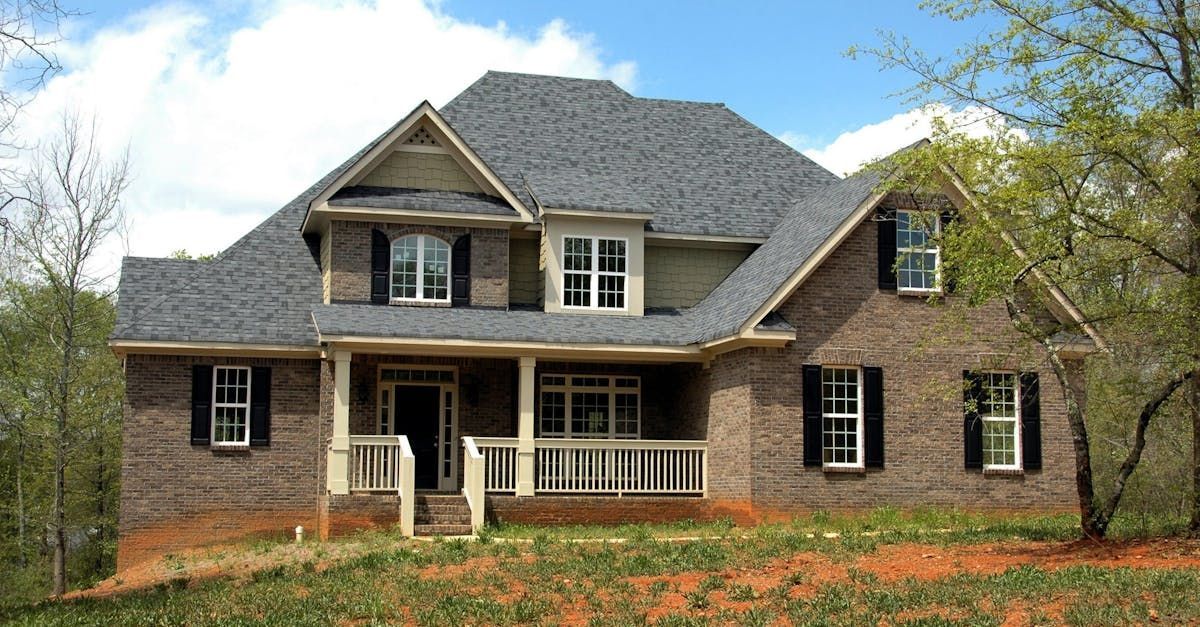
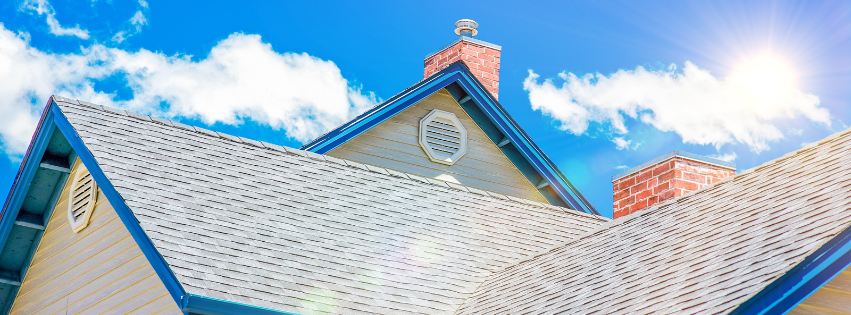
Asphalt remains a popular choice for residential properties due to its affordability and versatility. Modern architectural shingles perform well in snow and moderate wind conditions, but repeated freeze-thaw cycles can shorten lifespan if ventilation and installation aren’t optimized. Proper underlayment and ice-and-water shield protection are critical in northern climates.
Best for: Cost-conscious homeowners seeking reliable performance.
Standing Seam Metal Roofing
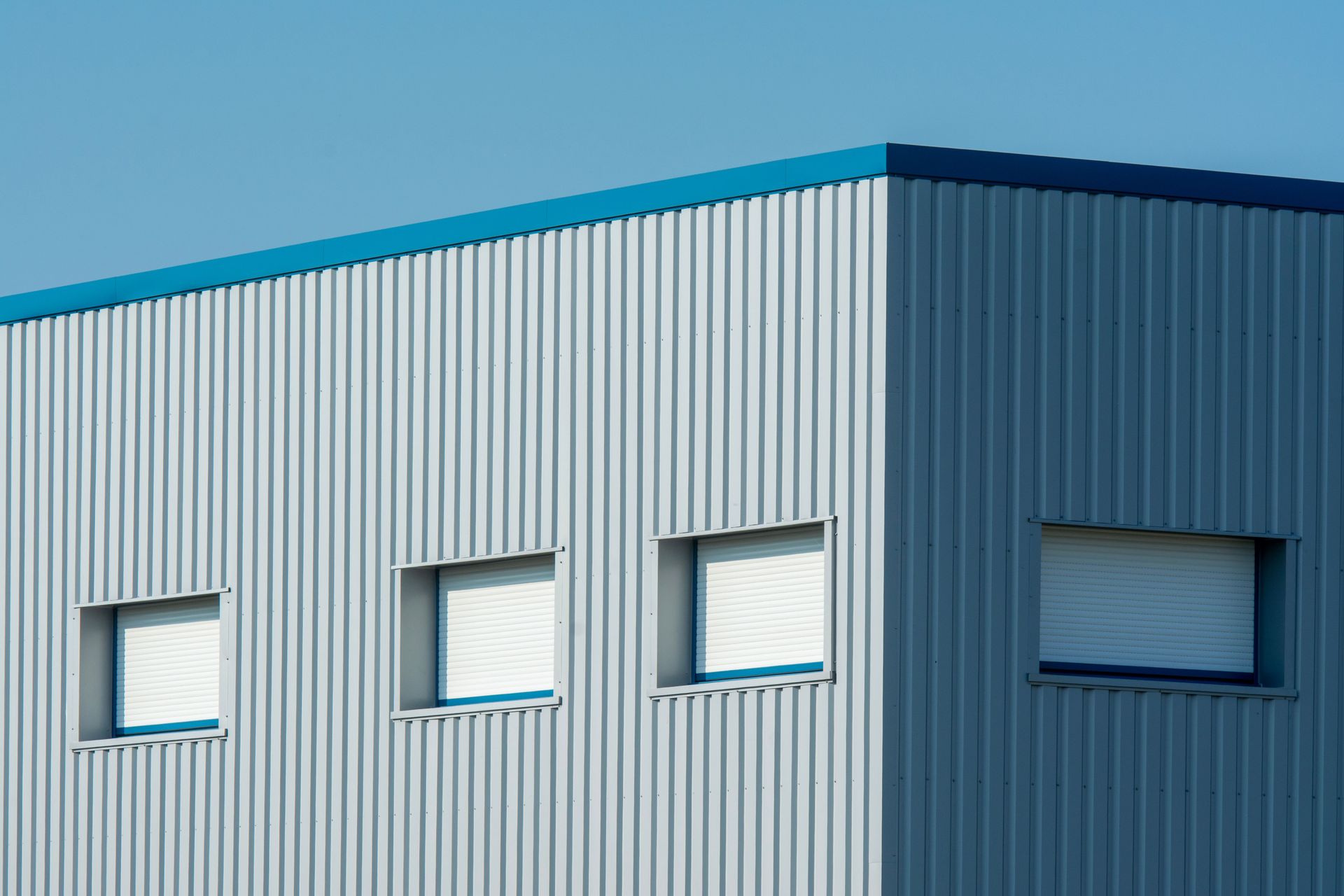
Standing seam metal excels in snowy environments. Its smooth panels encourage snow shedding, reducing prolonged snow loads. Metal also resists cracking during freeze-thaw cycles and performs exceptionally well in high winds.
While the upfront investment is higher than asphalt, the longevity and durability often make it a strong long-term value.
Best for: Homeowners and commercial properties prioritizing durability and snow performance.
Slate Roofing
Slate is one of the most durable roofing materials available. It handles moisture, freeze-thaw, and temperature extremes exceptionally well when properly installed. However, slate is heavy, and structural considerations are important — especially in regions with significant snow accumulation.
Best for: Historic properties or owners seeking maximum longevity and classic aesthetics.
Copper Roofing
Copper offers unmatched longevity and develops a natural patina over time. It performs extremely well against moisture and temperature shifts and is highly resistant to corrosion. Like slate, it is a premium option that requires specialized installation expertise.
Best for: Architectural accents, custom homes, and high-end projects.
Single-Ply Membrane (TPO/EPDM/PVC)
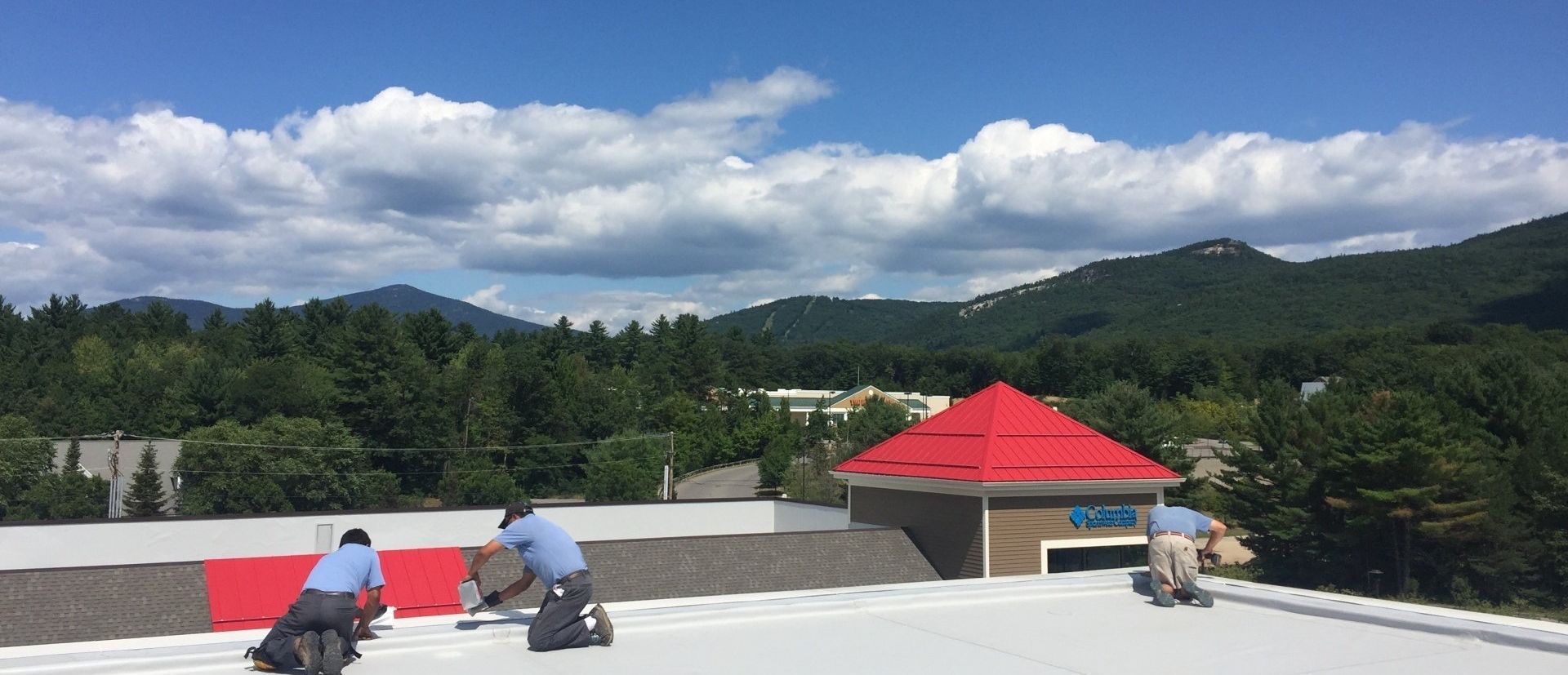
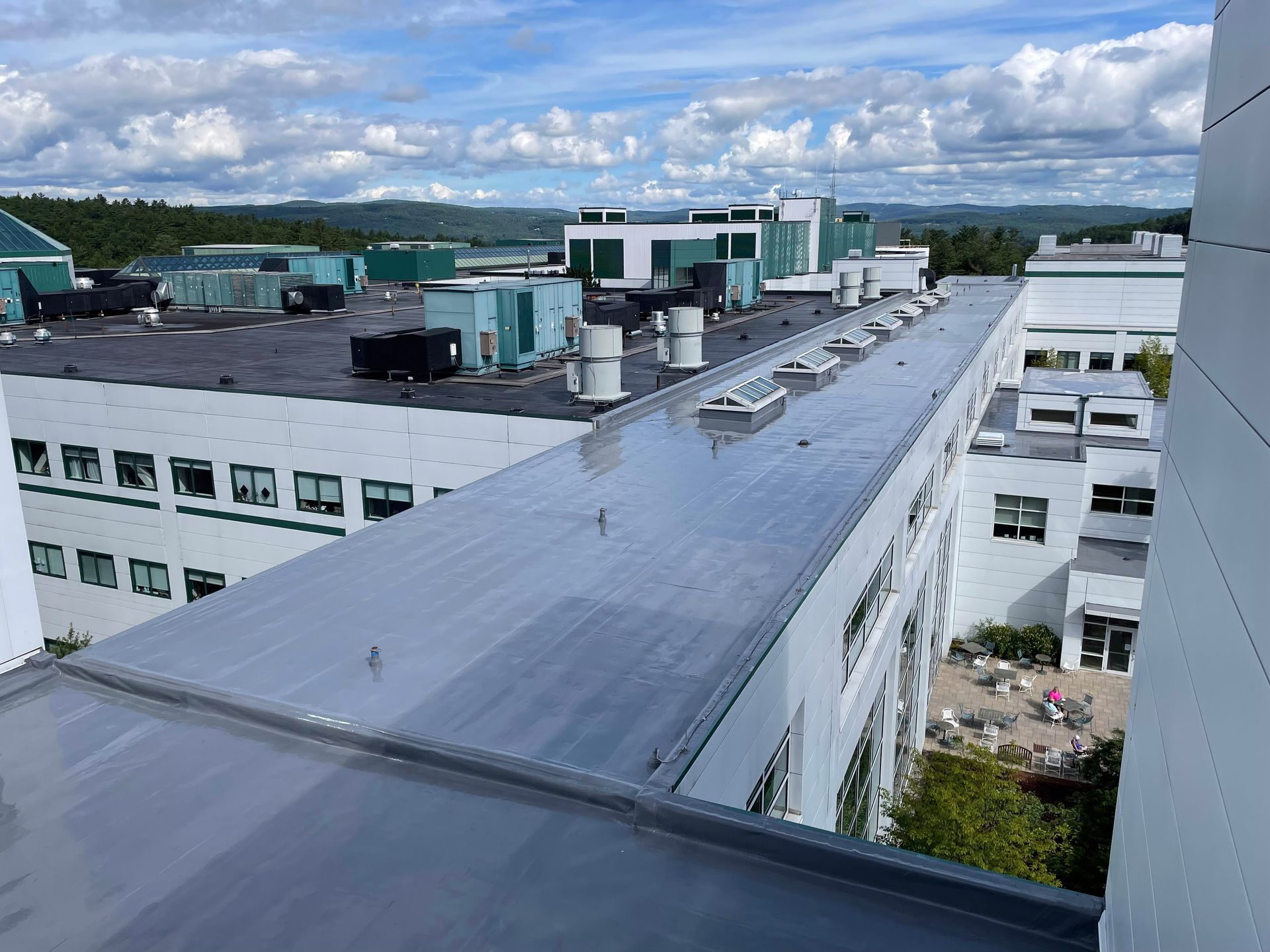
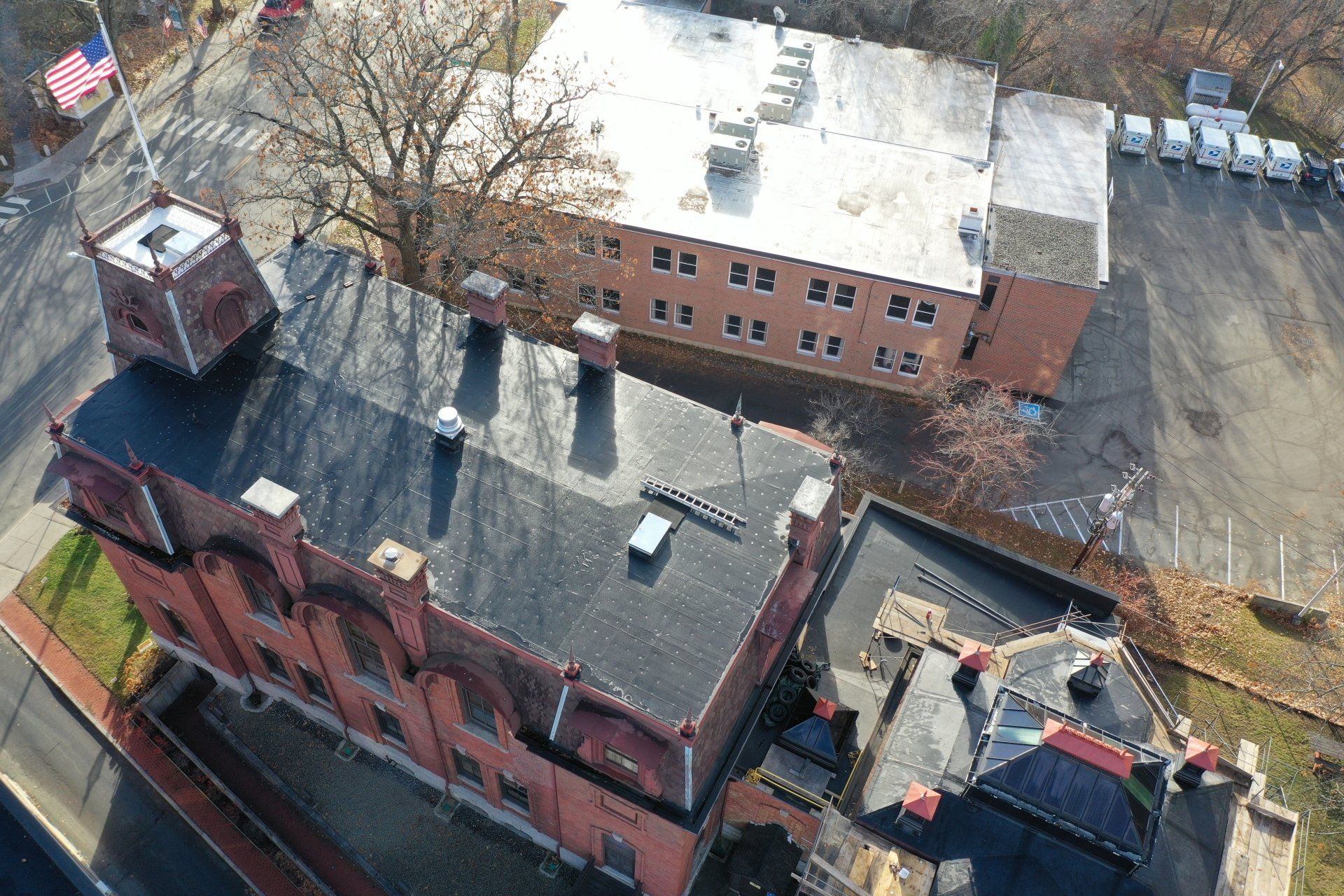
For commercial and low-slope roofs, single-ply membranes provide excellent waterproofing and flexibility. Their ability to expand and contract makes them well-suited to freeze-thaw conditions. Proper drainage design is essential to prevent ponding during spring rains.
Best for: Commercial, industrial, and multi-unit buildings.
Silicone Roof Coatings
Silicone coatings can restore and protect aging flat roofs by adding a seamless waterproof barrier. They perform particularly well against ponding water and UV exposure, extending the life of existing roofing systems without full replacement.
Best for: Cost-effective roof restoration on commercial properties.
Choosing the Right System for Vermont
Every roofing material has strengths, but performance ultimately depends on proper design, installation, ventilation, and drainage — especially in a climate as demanding as Vermont’s.
Selecting the best system requires understanding your building structure, budget, long-term plans, and exposure to snow, wind, and water. That’s where professional guidance makes all the difference.