
What Vermont Roofing Pros Look For & Why It Matters
Seasonal Roof Maintenance Tips:
What to Do This Spring
After a long Vermont winter, a professional roof inspection is one of the smartest ways to protect your home. While homeowners can spot obvious issues, roofing experts follow a detailed checklist to identify hidden damage caused by snow, ice, and freezing temperatures.
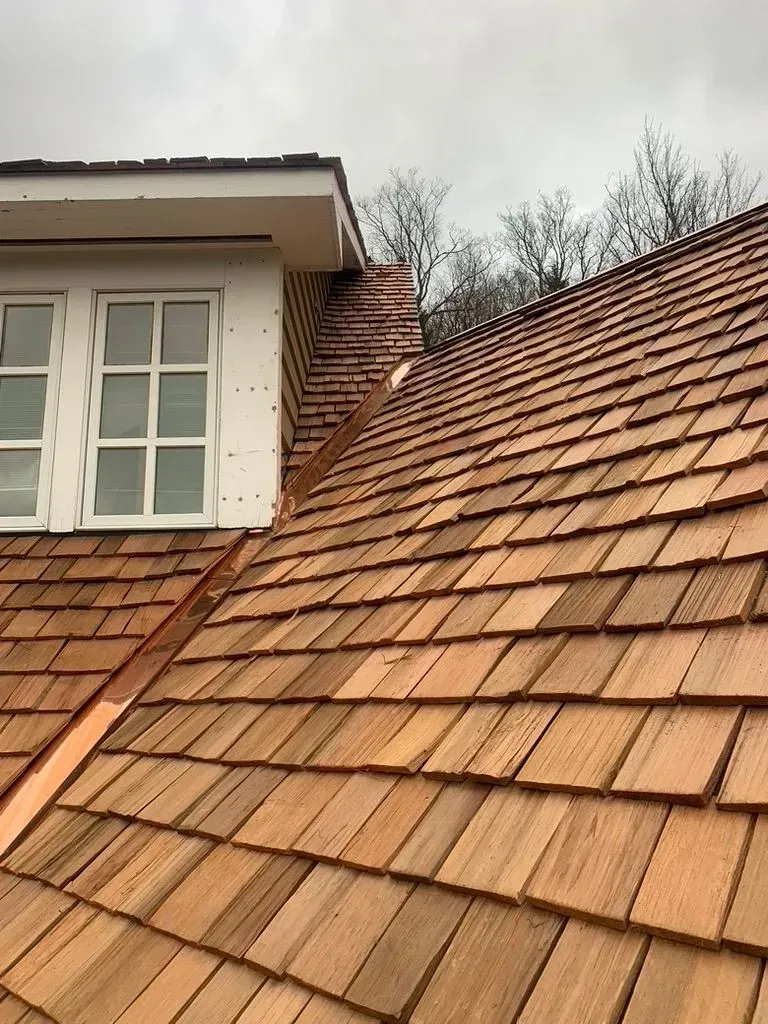
One of the first things professionals examine is the overall roof surface. They look for missing, cracked, or curling shingles, as well as signs of granule loss. These issues can weaken your roof’s ability to shed water properly during spring rains.
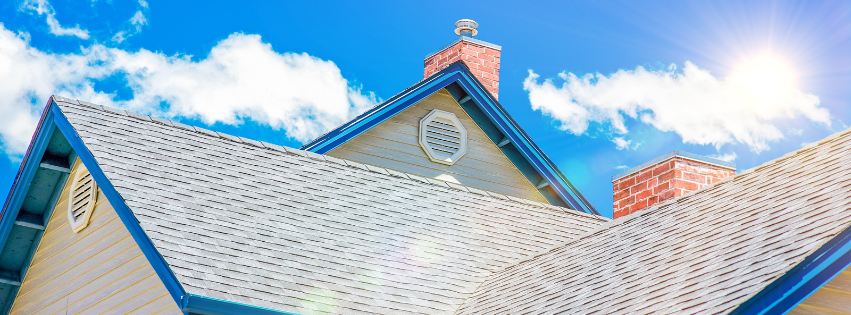
Roofers also inspect flashing and seal points around chimneys, vents, and skylights. These areas are especially vulnerable after freeze-thaw cycles, which can cause materials to expand and contract, leading to small gaps where water can enter.
Another critical step is checking for ice dam damage. In Vermont, ice dams are a common winter problem. Professionals look for evidence of water intrusion along roof edges, underlayment damage, and compromised insulation.
Inside the home, a thorough inspection includes the attic and ventilation system. Roofing experts assess airflow, insulation condition, and any signs of moisture or mold. Poor ventilation is often a root cause of winter roof damage and can shorten the lifespan of your roof.
Gutters and drainage systems are also evaluated. Roofers check for loose, clogged, or misaligned gutters that could prevent proper water flow away from your home.
In some cases, professionals may identify structural concerns, such as soft spots or sagging areas, which could indicate deeper damage from heavy snow loads.
The biggest advantage of a professional inspection is early detection. Small issues that go unnoticed can quickly turn into costly repairs if left unaddressed.
At Rodd Roofing, our spring inspections are designed specifically for Vermont homes and weather conditions. We don’t just look for surface problems—we assess the entire roofing system to ensure your home stays protected year-round.
If your roof hasn’t been inspected since winter, now is the time to schedule one and catch potential problems before they worsen.