Understanding Flat Roofing Systems
Flat Roofing Systems Explained:
Choosing the Right Solution for Your Building
When people think of roofing, they often picture steeply pitched residential roofs covered in shingles. However, many commercial buildings and some residential properties utilize flat or low-slope roofing systems. While these roofs may appear simple, several different flat roofing materials are available, each with unique advantages and considerations.
One of the most common flat roofing materials is EPDM (ethylene propylene diene monomer), a durable synthetic rubber membrane. EPDM roofs are known for their longevity, weather resistance, and cost-effectiveness. They perform particularly well in climates that experience significant temperature fluctuations, making them a popular choice throughout New England.
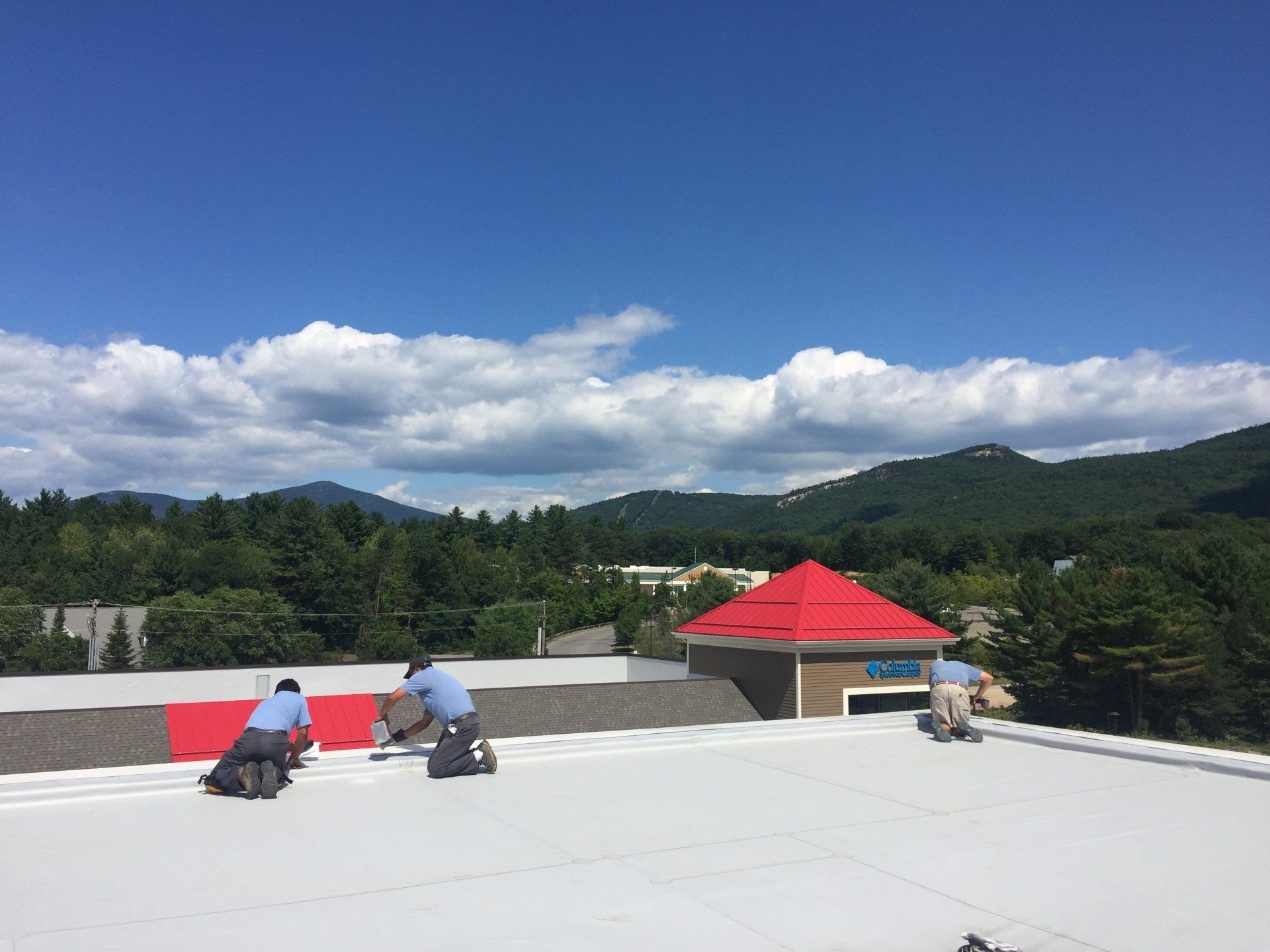
Another widely used option is TPO (thermoplastic polyolefin). TPO roofing systems have gained popularity due to their energy efficiency and reflective properties. By reflecting sunlight rather than absorbing heat, TPO roofs can help reduce cooling costs during warmer months. They are also resistant to UV damage and are commonly installed on commercial buildings.
PVC roofing systems offer many of the same benefits as TPO while providing exceptional resistance to chemicals, grease, and moisture. This makes PVC an excellent choice for restaurants, manufacturing facilities, and other buildings where rooftop exposure to contaminants may occur.
Modified bitumen roofing is another common flat roofing solution. This system combines traditional asphalt roofing with modern polymer technology to create a durable, multi-layer membrane. Modified bitumen roofs are known for their strength and ability to withstand foot traffic, making them suitable for buildings requiring regular rooftop access.
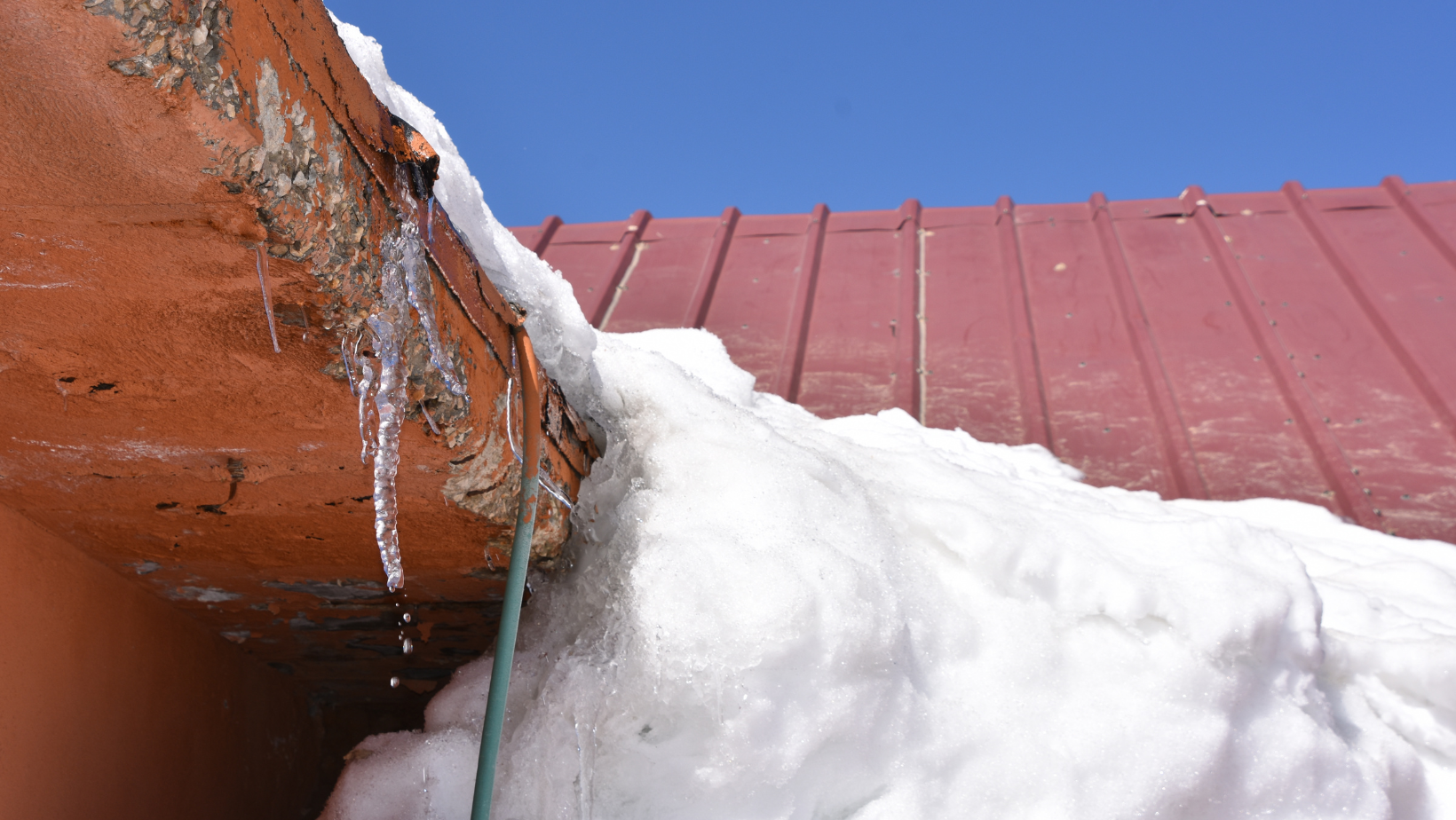
Choosing the right flat roofing system depends on several factors, including building use, budget, energy efficiency goals, and long-term maintenance requirements. Property owners should also consider local weather conditions, as New England's snow, ice, rain, and temperature swings can impact roofing performance over time.
Routine inspections and preventative maintenance are essential regardless of the roofing system selected. Regular maintenance helps identify minor issues before they develop into costly repairs and can significantly extend the lifespan of the roof.
At Rodd Roofing, we work with a variety of commercial roofing systems and help property owners select solutions that align with their building's needs and long-term goals. Understanding your options is the first step toward making an informed roofing investment.