Do's & Don'ts of Commercial Roofing
The Do's & Don'ts You Need To Know About Your Commercial Roof

There are various uses for your commercial roof. It enhances the curb appearance of your building, shielding it from damaging elements, and makes it more appealing to customers. You should therefore pay close attention to its maintenance and, if necessary, perform repairs. You can keep your roof in good shape by adhering to these commercial roofing dos and don'ts.
DO'S: Use these suggestions to make sure your roof will last a long time.
Carry out regular maintenance.
Instead than merely responding when a roofing issue emerges, schedule routine roof inspections. You must perform at least two inspections each year, particularly before and after the winter, to find and address minor issues before they grow into more serious problems. Call a roofer who can inspect your roof for cracks, degradation, missing roof components, and other potential defects, clean your gutters, and, if required, repair any roof structures.
Do make repairs right away.
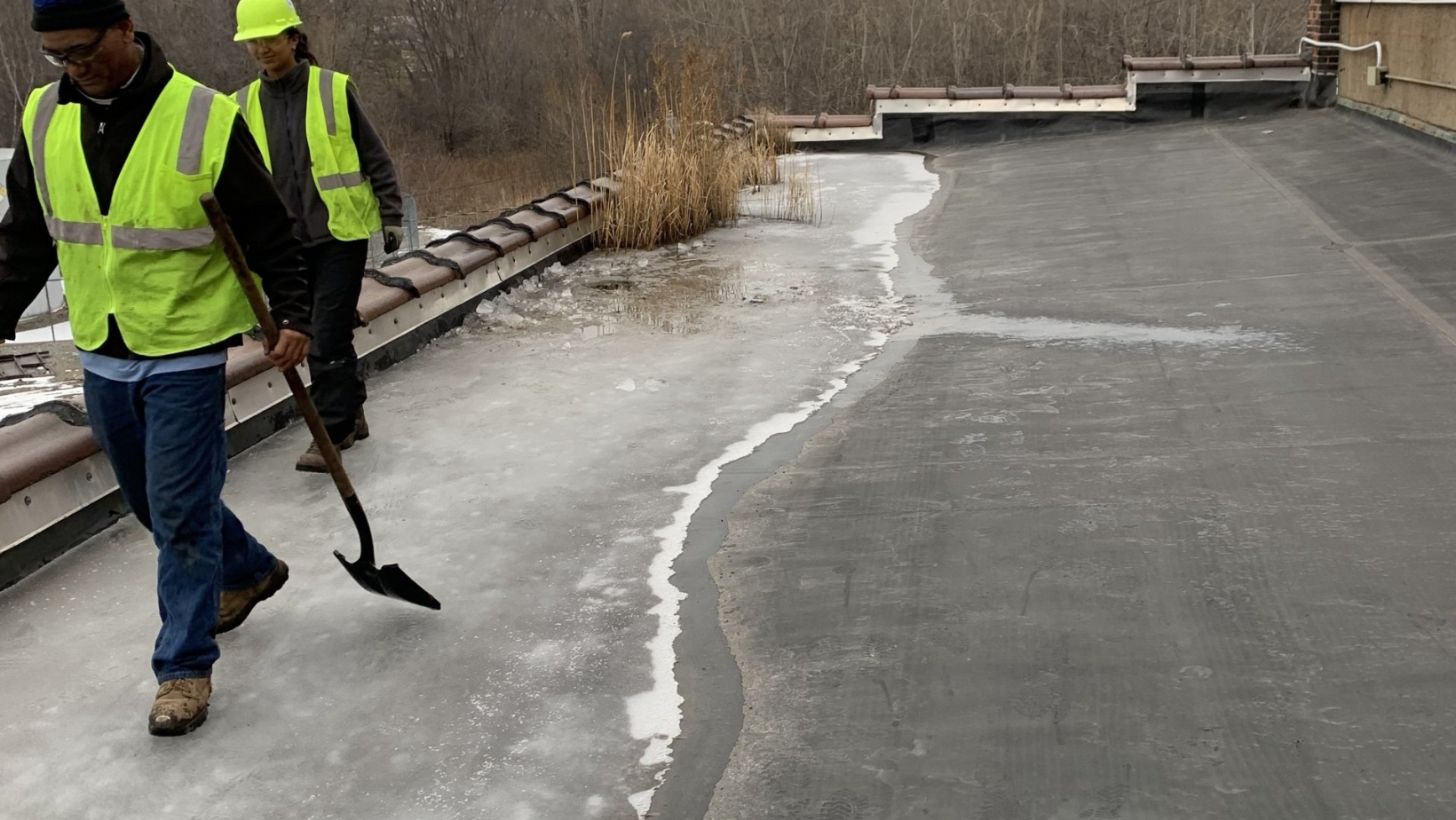
Sloped roofs have a propensity to stretch or bow, while flat roofs frequently have water stagnation as an issue. Call a roofer as soon as you see even the smallest indication of roof damage, regardless of the specific issues your roof is prone to. Avoid ignoring a little leak since, if left unattended, it may weaken the structure of your roof or result in moisture issues. Call a roofer as soon as you see even the smallest indication of roof damage, regardless of the specific issues your roof is prone to.
Do keep the big picture in mind.
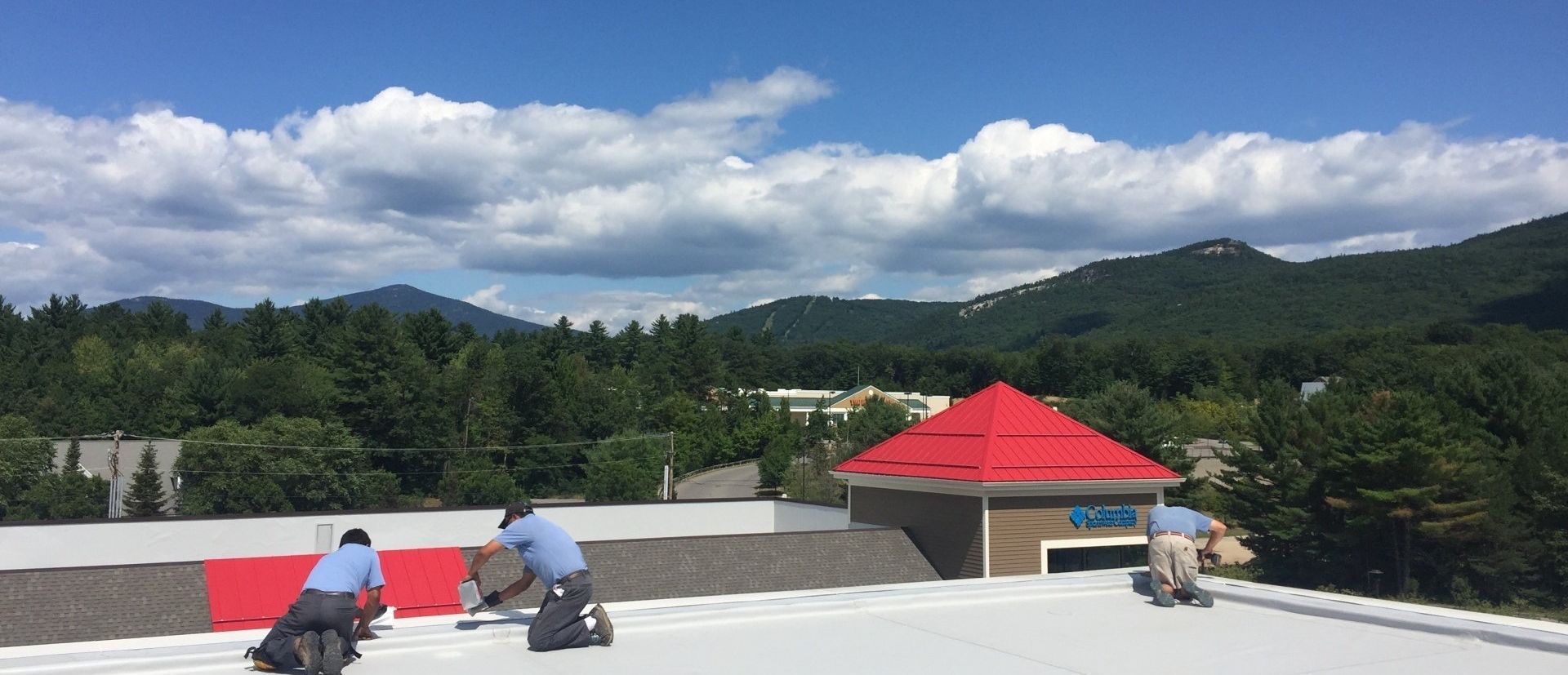
Consider the environmental factors your roof will be subjected to during the course of its estimated 20-year lifespan. Will your roof be able to withstand hot weather, UV radiation, or harsh winters in the next 20 years? You can choose the material, design, and color of your roof to assist extend its lifespan by considering how it will be used in the long run. For instance, if your commercial property is located in a hot climate, it is ideal to select white or reflective membranes to maximize the solar reflectance of your roof, which will result in a cooler building inside.
Do stay informed on building regulations and requirements.
State-specific roofing laws and regulations are subject to change. Keeping up with local building regulations is so essential. In order to stay informed about changes to construction regulations that may affect your commercial property, it's a good idea to get in touch with local trade organisations.
Don'ts: These are the absolute no-nos when it comes to installing, maintaining, and repairing commercial roof structures.
Never pressure-wash your roof.
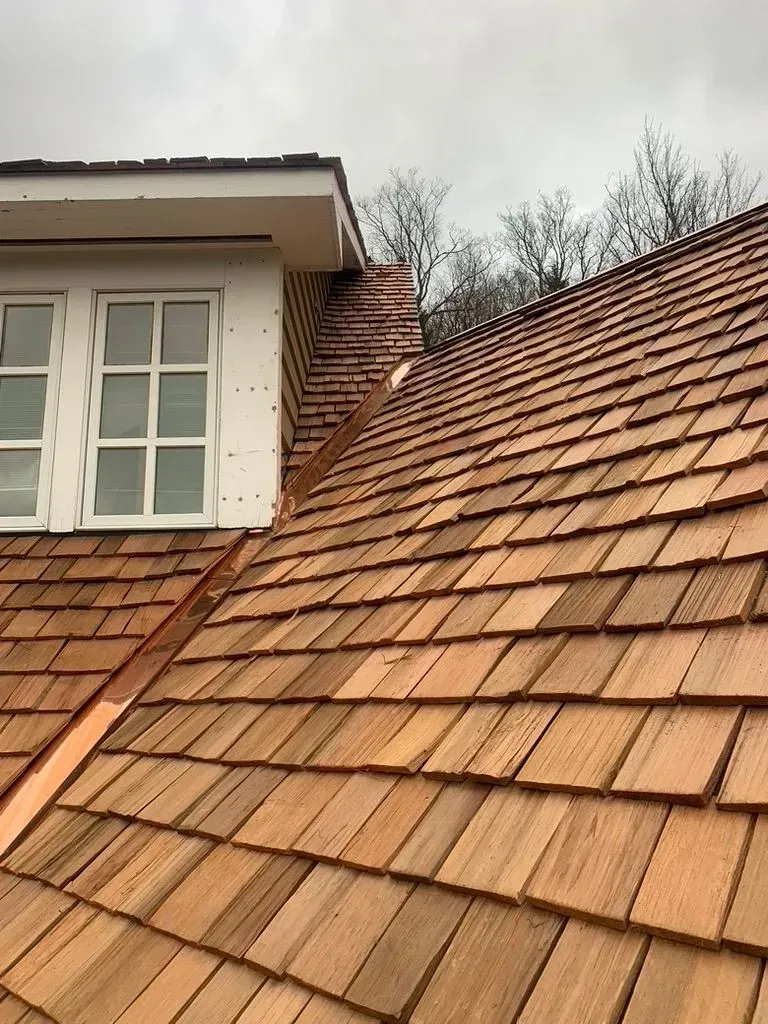
To remove moss or grime from your roof, power washing uses high water pressure. It may be an effective cleaning method, but it’s also a dangerous one. Shingles may become brittle and thin as a result of loosening granules caused by high water pressure. Additionally, it can dent flashings or blow nails or bolts off of tiny roof structure components. Call a roofing professional that is qualified and licensed to use the right tools for roof cleaning if you need your roof cleaned.
Don't base your decisions just on price.
In addition to the material prices up front, you need also think about things like maintenance expenses, roof longevity, aesthetic fit, and cost-effectiveness, or how your chosen commercial roof helps you save money down the road. After all, you don't want to end up with a cheap roof that will cost a lot to maintain or a cheap roof that doesn't look good with the rest of your building.
Don't try to fix your roof yourself.
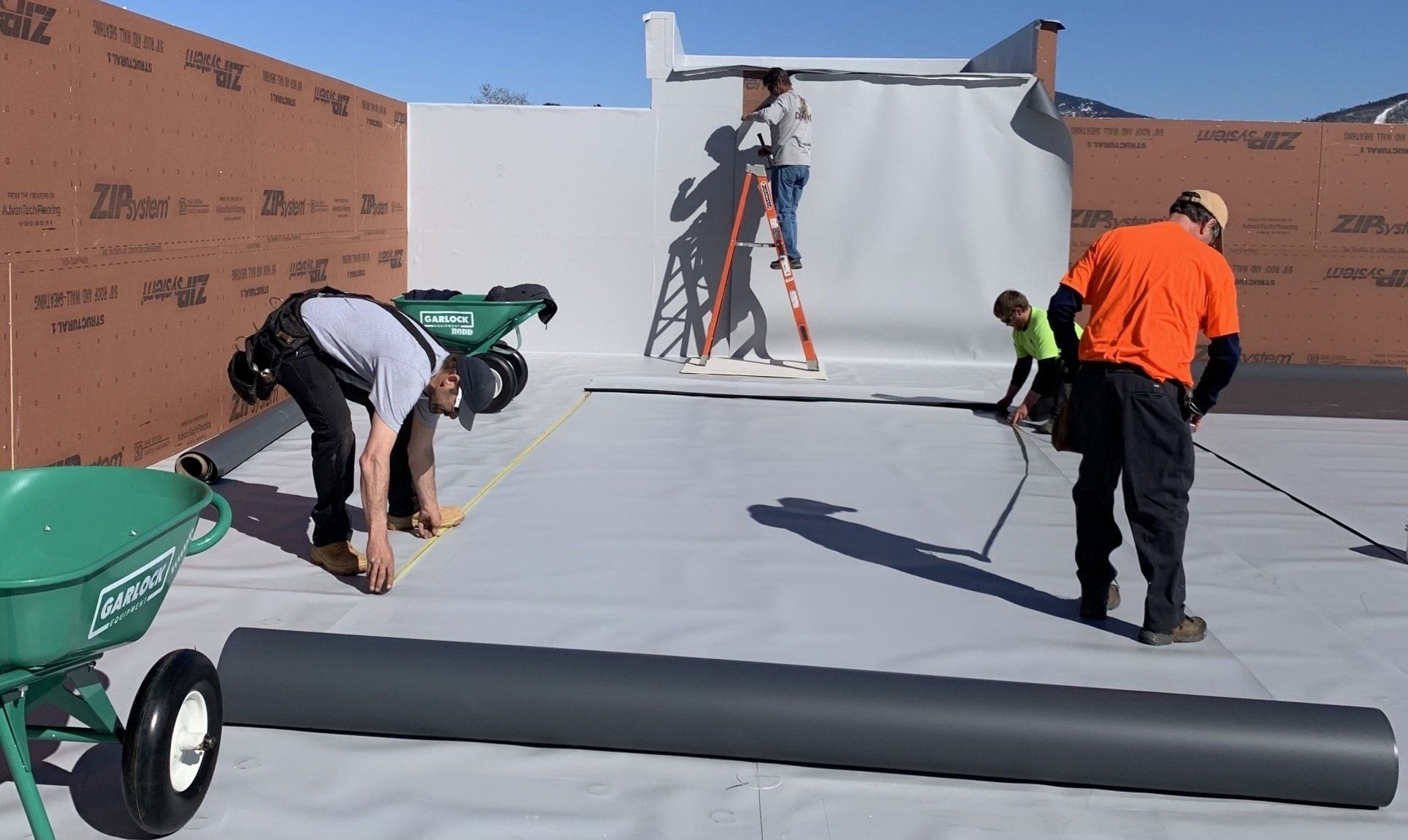
It can be detrimental to inspect your commercial roof or put up roof supports on your own. DIY roofing is risky, and you run the risk of hurting yourself or others. Through careless handling of the necessary tools or poor skill, you could potentially end up aggravating roof damage. In addition to these, commercial roofing maintenance and repair call for certain training, expertise, and credentials. Therefore, you shouldn't just fix your roof yourself; you also shouldn't hire home roofers to work on your commercial roof. This leads to the following observation:
Don't let someone who isn't qualified work on your roof.
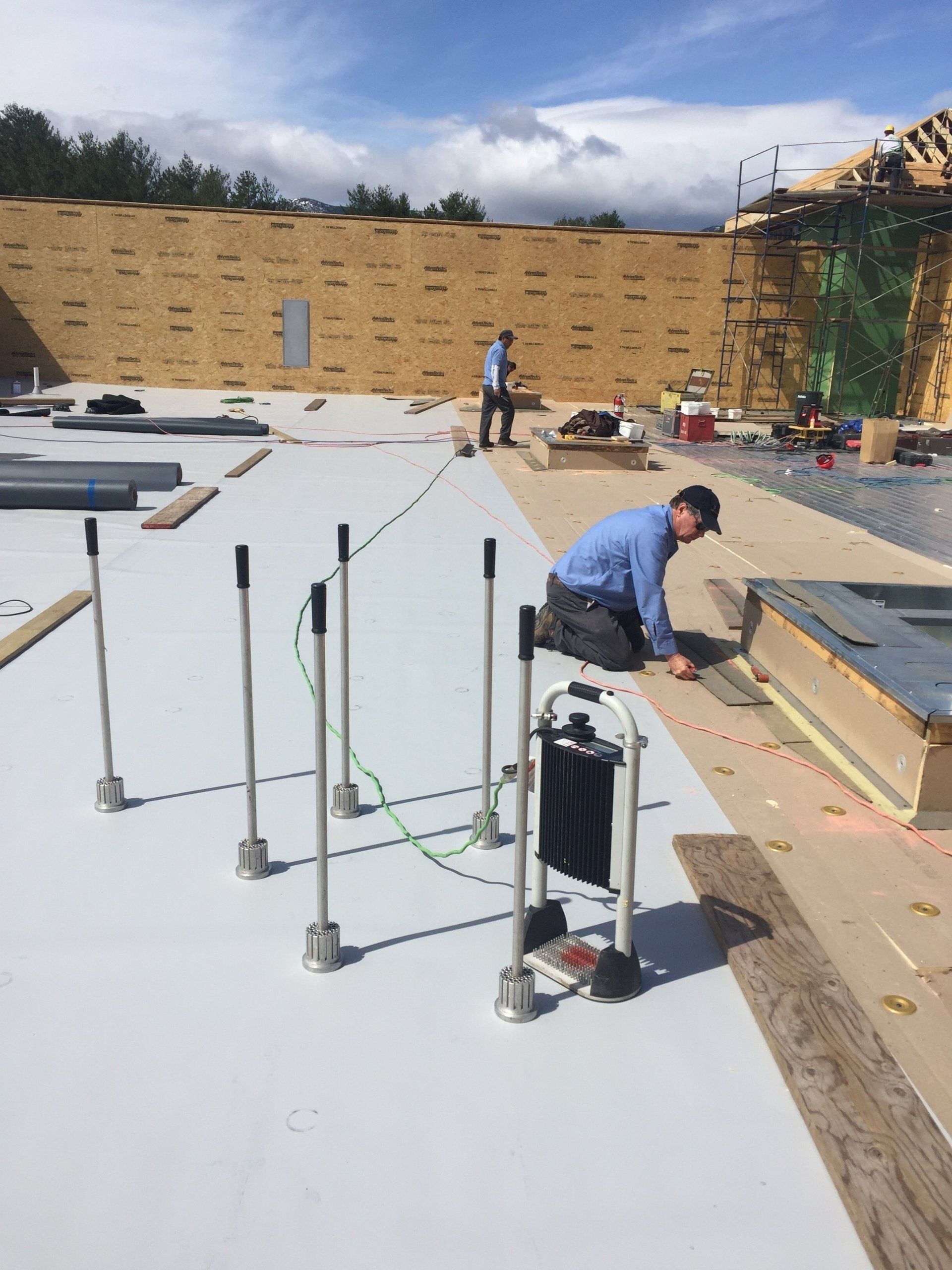
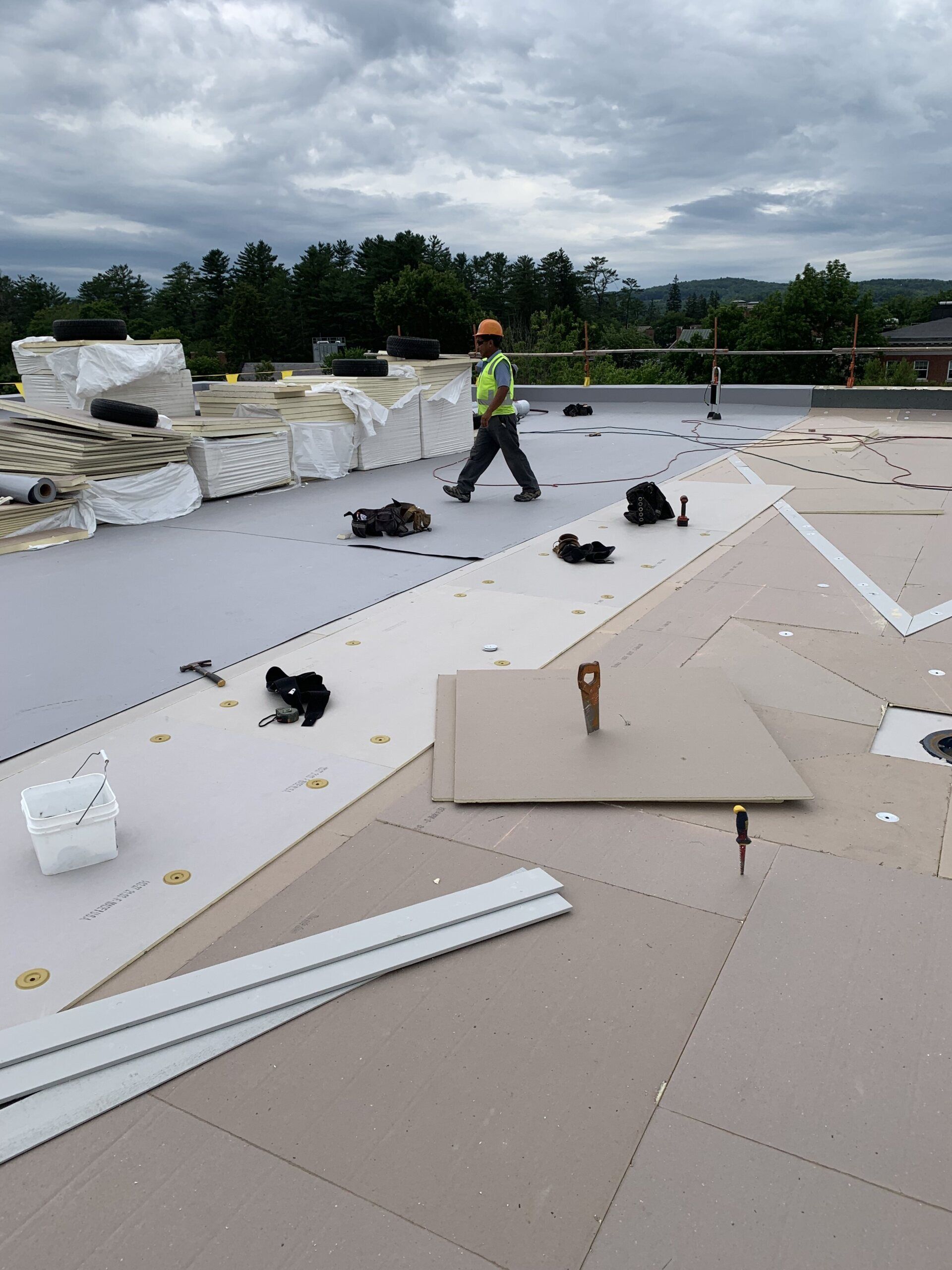
As their roofers have the knowledge, experience, and qualifications that ensure no warranties are lost, any task that needs the handling of roofing materials should only be carried out by an approved and respected roofing contractor. Also, don't allow amateurs to work on your roof. Your commercial building's roof presents your company and how clients view your organization, therefore you don't want it to appear shoddily constructed.