Benefits of Cool Roofing Materials
Stay Cool and Save Money
The Top Advantages of Cool Roofing Materials
As the world becomes increasingly aware of the importance of energy efficiency and environmental sustainability, homeowners and businesses alike are seeking ways to reduce their energy consumption and carbon footprint. One effective and often overlooked solution lies right above our heads: cool roofing materials. These innovative materials offer a range of benefits that extend beyond simple energy savings. In this blog post, we’ll explore the key advantages of cool roofing and why it might be the perfect choice for your next roofing project.
What Are Cool Roofing Materials
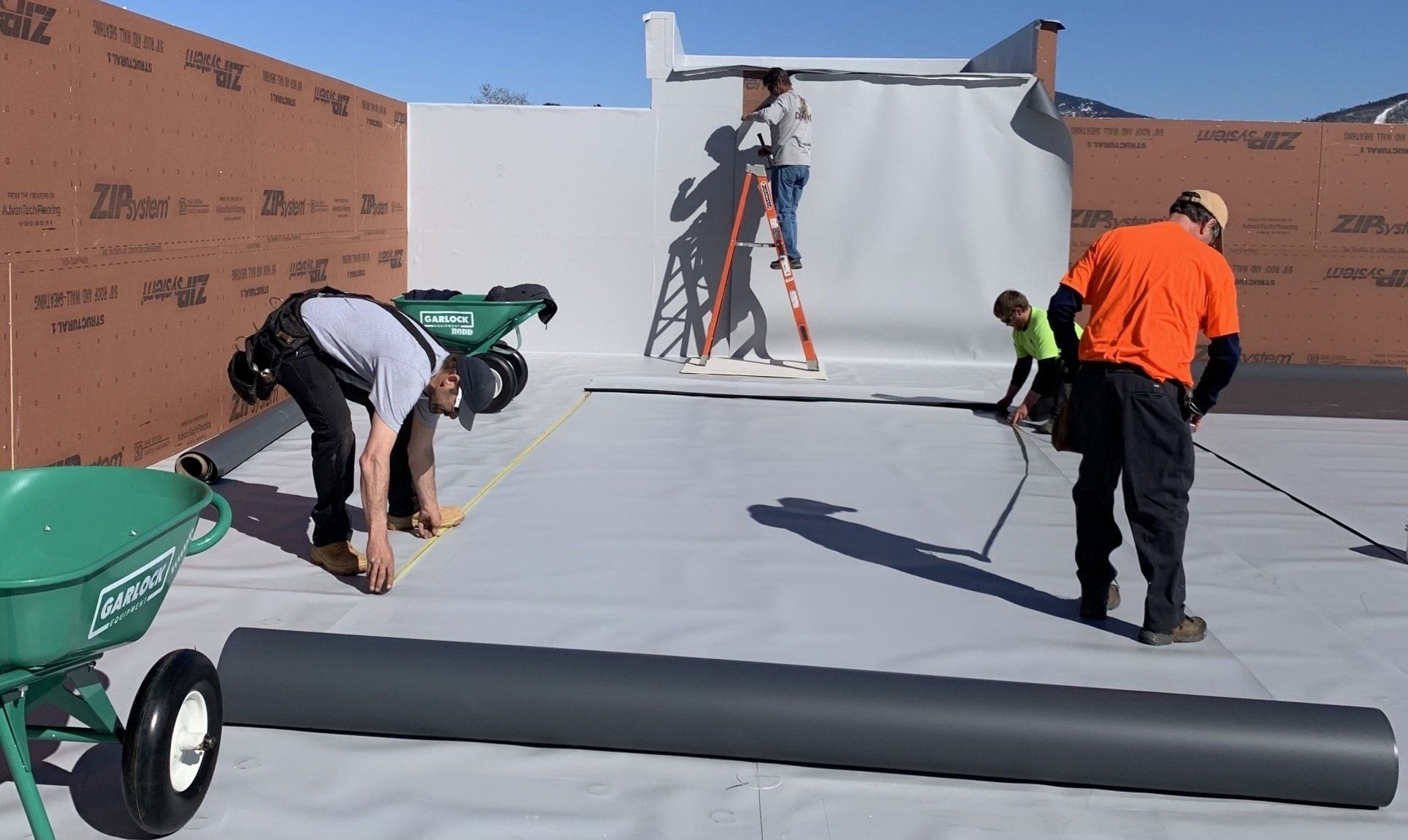
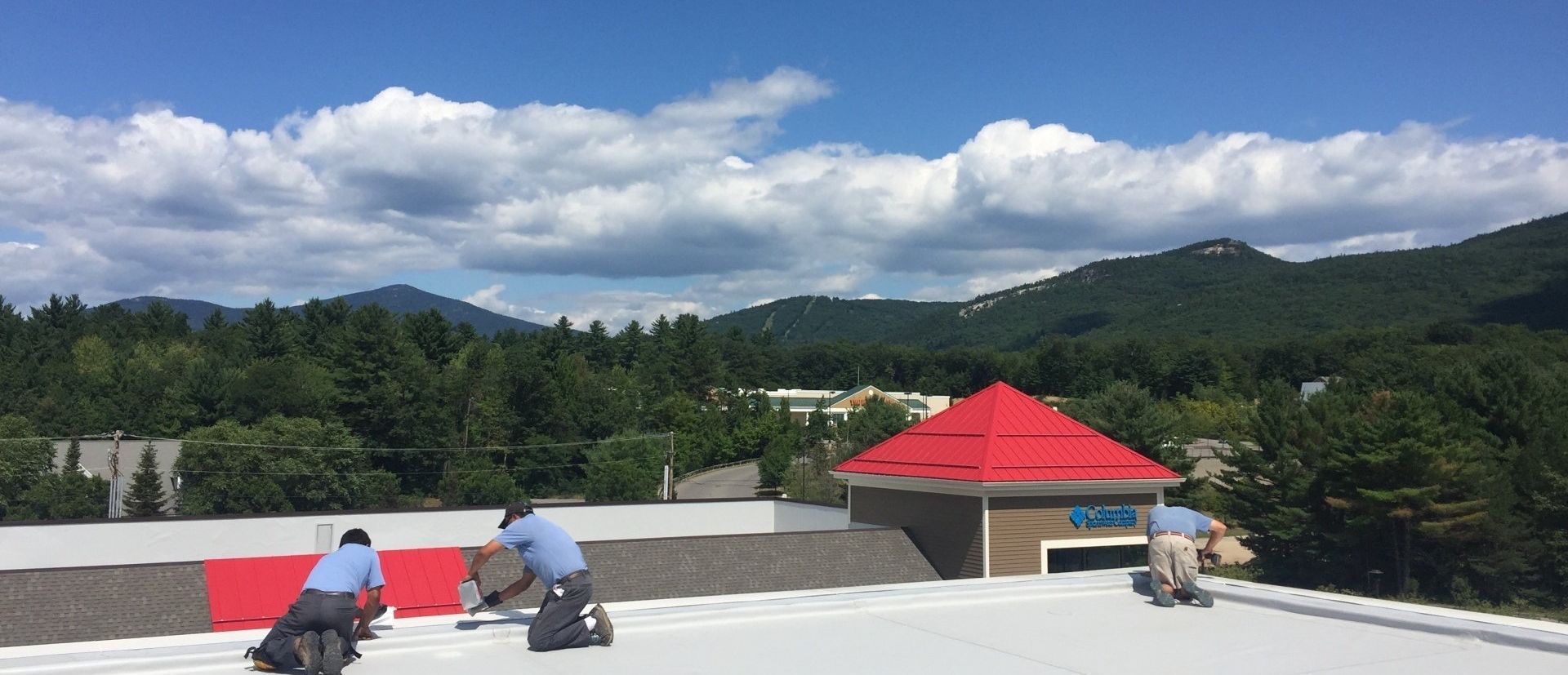
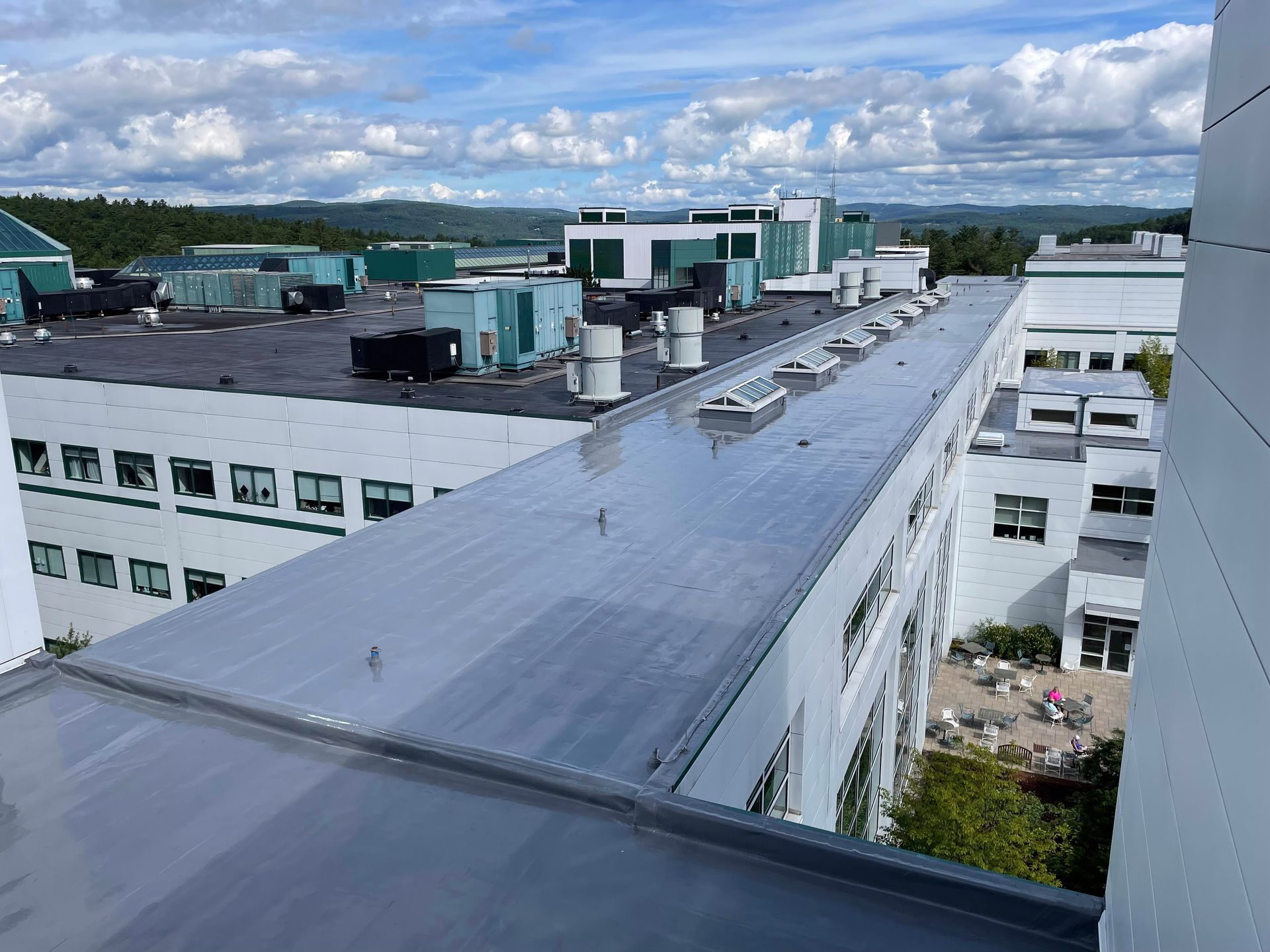
Cool roofing materials are designed to reflect more sunlight and absorb less heat than standard roofing materials. They achieve this through high solar reflectance (the ability to reflect visible, infrared, and ultraviolet wavelengths of the sun) and high thermal emittance (the ability to release absorbed heat). These properties help keep buildings cooler, reducing the need for air conditioning and improving indoor comfort.
Key Benefits of Cool Roofing Materials
Energy Efficiency
One of the most significant benefits of cool roofing materials is their impact on energy efficiency. By reflecting a greater portion of the sun’s rays, cool roofs help reduce the amount of heat that penetrates a building. This leads to lower indoor temperatures and reduces the need for air conditioning, especially during the hot summer months. Homeowners and businesses can see a noticeable decrease in their energy bills, making cool roofing a cost-effective investment over time.
Enhanced Comfort
Cool roofs contribute to a more comfortable indoor environment. By minimizing heat absorption, these materials help maintain more consistent indoor temperatures. This is particularly beneficial in spaces without air conditioning or in areas where AC usage is limited. Improved indoor comfort can lead to increased productivity in workplaces and a more pleasant living environment in homes.
Extended Roof Lifespan
Traditional roofing materials can deteriorate more quickly due to constant exposure to extreme heat. Cool roofing materials, on the other hand, stay cooler and reduce thermal expansion and contraction. This minimizes the wear and tear on the roof, potentially extending its lifespan. A longer-lasting roof means fewer repairs and replacements, saving homeowners and businesses money in the long run.
Environmental Benefits
Cool roofs can play a significant role in mitigating urban heat islands, which are areas with higher temperatures caused by human activities and infrastructure. By reflecting more sunlight and reducing roof surface temperatures, cool roofs help lower the overall temperature of urban areas. This can lead to a reduction in smog formation and improved air quality. Additionally, by decreasing energy consumption, cool roofs contribute to lower greenhouse gas emissions.
Incentives and Rebates
Many local governments and utility companies offer incentives and rebates to encourage the adoption of cool roofing materials. These programs can help offset the initial cost of installing a cool roof, making it an even more attractive option. It’s worth researching what incentives are available in your area to take full advantage of these financial benefits.
Increased Property Value
Investing in cool roofing can increase the value of your property. Energy-efficient homes and buildings are highly sought after in the real estate market. Potential buyers recognize the long-term savings and environmental benefits, making cool roofing an appealing feature. This can translate into a higher resale value and quicker sale when the time comes.
Cool roofing materials offer a multitude of benefits that go beyond mere energy savings. From enhanced comfort and extended roof lifespan to environmental advantages and financial incentives, cool roofs are a smart and sustainable choice for any building. As the demand for energy-efficient solutions continues to grow, cool roofing stands out as a practical and impactful way to make a difference. If you’re considering a roofing upgrade, think cool – your wallet, your comfort, and the planet will thank you.