The Impact of UV Rays on Roofing Materials
Protecting Your Roof from Sun Damage:
The Effects of UV Rays on Roofing Materials
As the days grow longer and sunnier, it's important to remember that while the sun is essential for life, its ultraviolet (UV) rays can be detrimental to many materials, including those that make up your roof. UV rays can cause significant damage to roofing materials over time, leading to costly repairs and reduced lifespan. Understanding the impact of UV rays on your roof can help you take proactive measures to protect it, ensuring it remains durable and effective for years to come.
How UV Rays Affect Roofing Materials
UV rays are a component of sunlight that, over time, can break down the molecular structure of roofing materials. This degradation process affects different types of roofing materials in various ways:
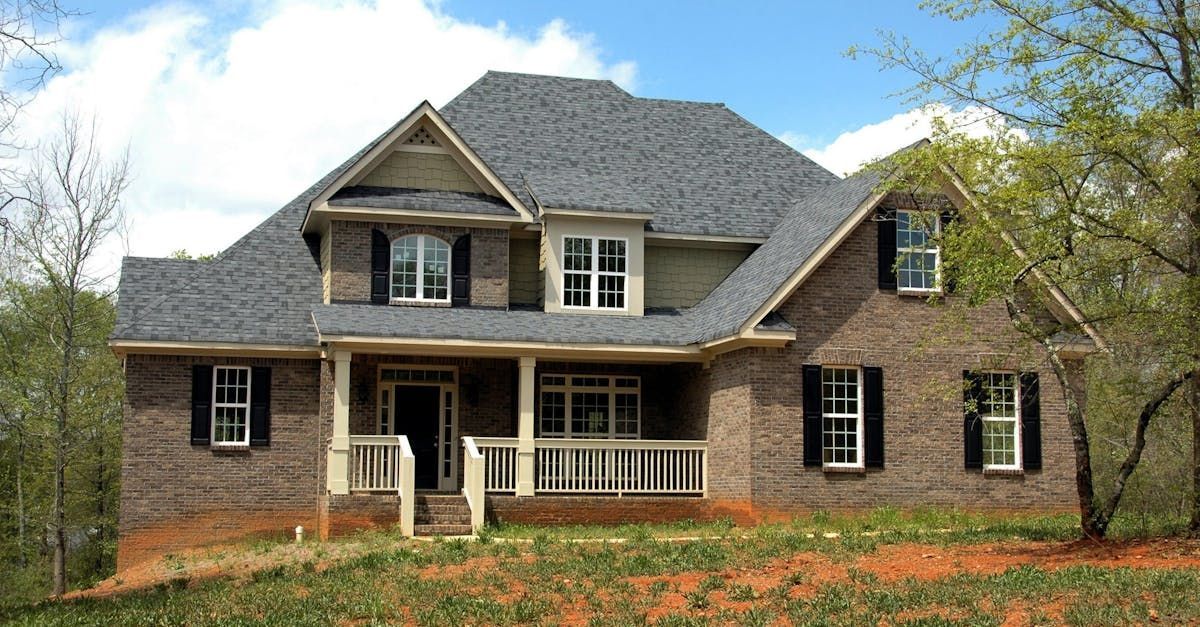
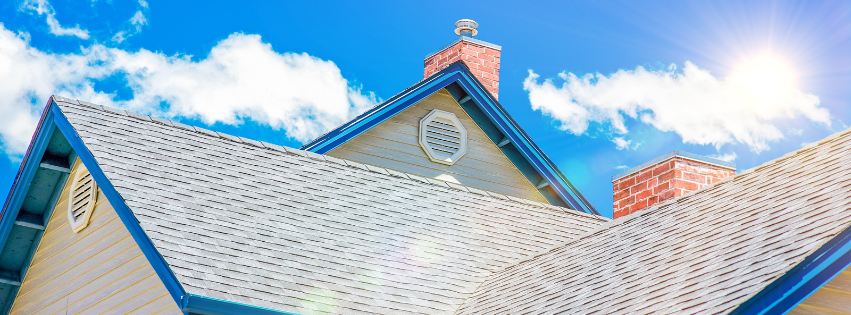
- Asphalt Shingles: One of the most common roofing materials, asphalt shingles, can become brittle and crack due to prolonged UV exposure. The UV rays cause the oils in the asphalt to dry out, leading to a loss of flexibility. This can result in shingles curling, cracking, and eventually falling off, compromising the roof's ability to protect your home from water damage.
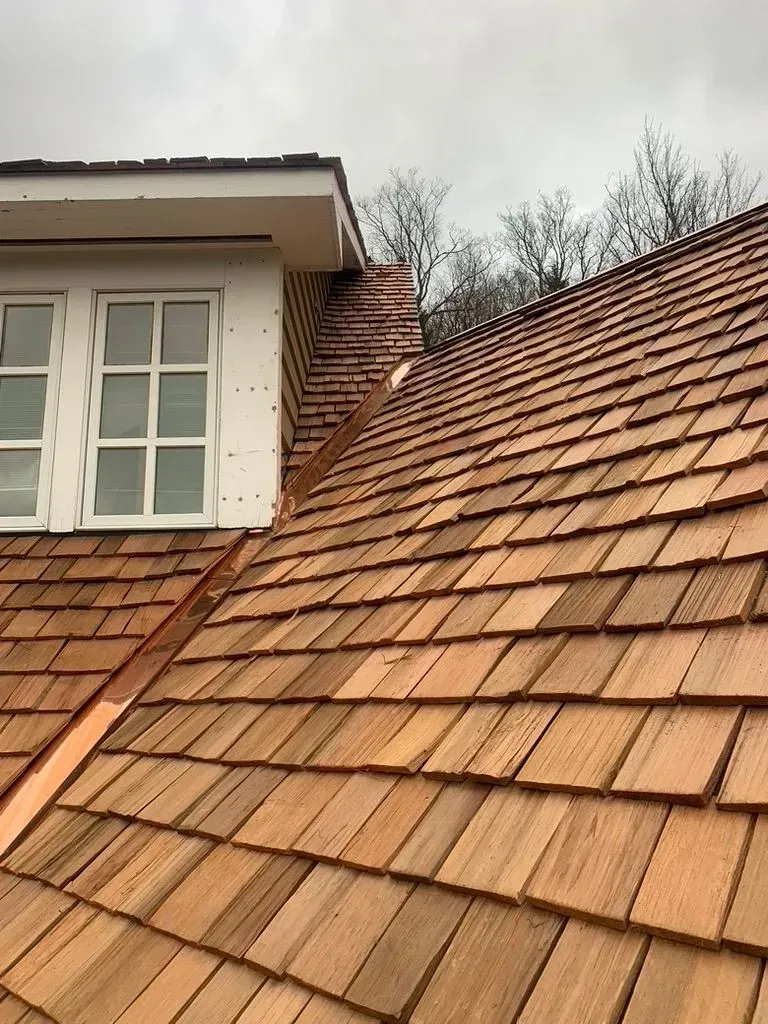
- Wood Shakes and Shingles: Wood roofing materials are particularly susceptible to UV damage. UV rays can break down the lignin in wood, causing it to weaken and become more brittle. Over time, this leads to splitting, warping, and the development of gaps that can allow water infiltration. Additionally, UV exposure can accelerate the growth of moss and algae on wooden roofs, further deteriorating the material.
- Metal Roofing: While metal roofs are generally more resistant to UV damage than other materials, they are not immune. Prolonged exposure to UV rays can cause the protective coatings on metal roofs to degrade, leading to rust and corrosion. This not only affects the appearance of the roof but also its structural integrity.
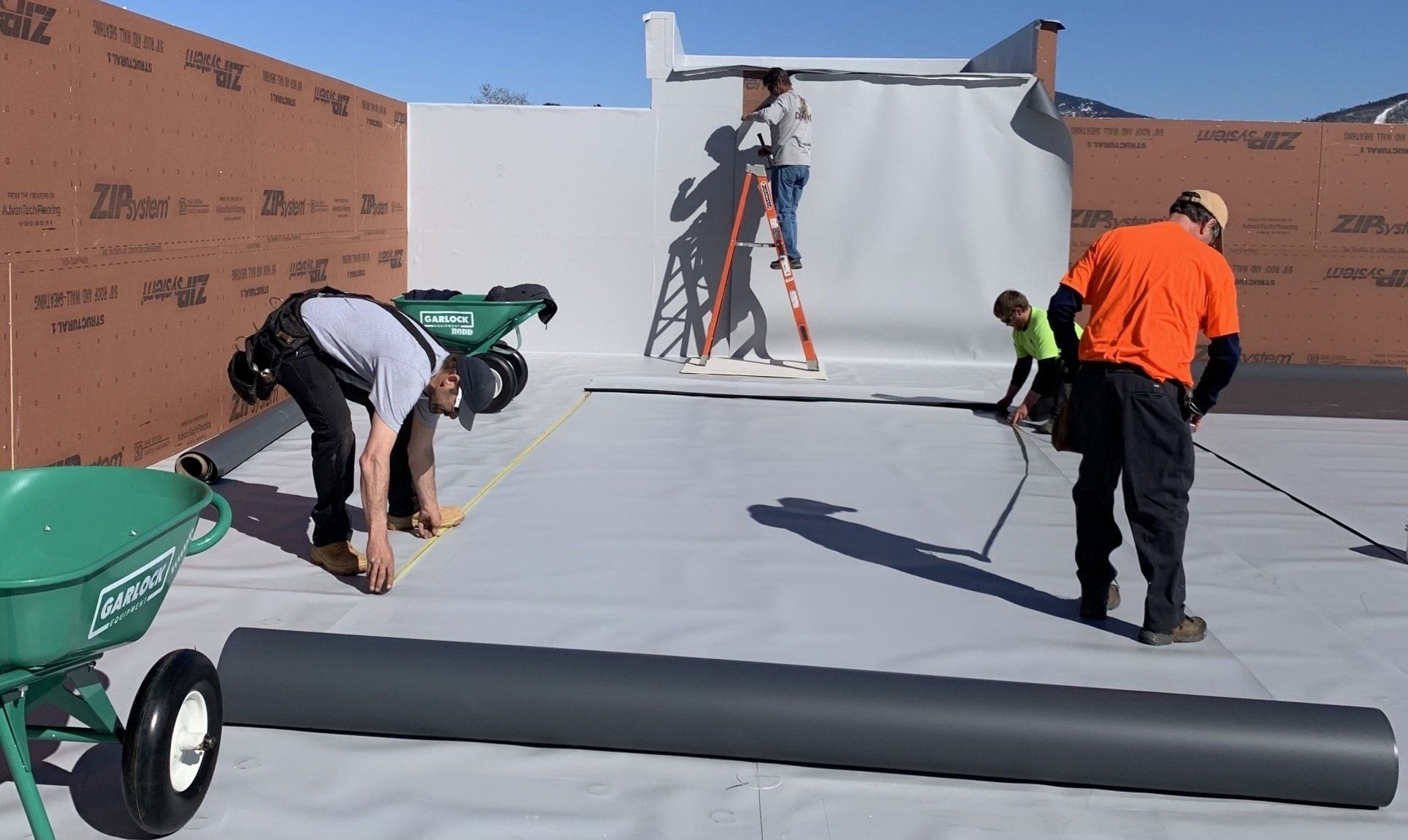
- Rubber Roofing (EPDM): Ethylene Propylene Diene Monomer (EPDM) roofing is known for its durability, but extended UV exposure can cause it to lose elasticity and become brittle. Cracking and shrinking can occur, which compromises the roof's ability to provide a watertight seal.
- Tile Roofing: Clay and concrete tiles are highly durable and can withstand UV rays better than other materials. However, the underlayment and sealants used in tile roofing systems can deteriorate with UV exposure, leading to potential water leaks and damage to the underlying structure.
Protecting Your Roof From UV Damage
To mitigate the effects of UV rays on your roof, consider the following protective measures:
- Regular Inspections: Schedule regular roof inspections, particularly after the summer months when UV exposure is at its peak. A professional roofing contractor can identify early signs of UV damage and recommend appropriate repairs.
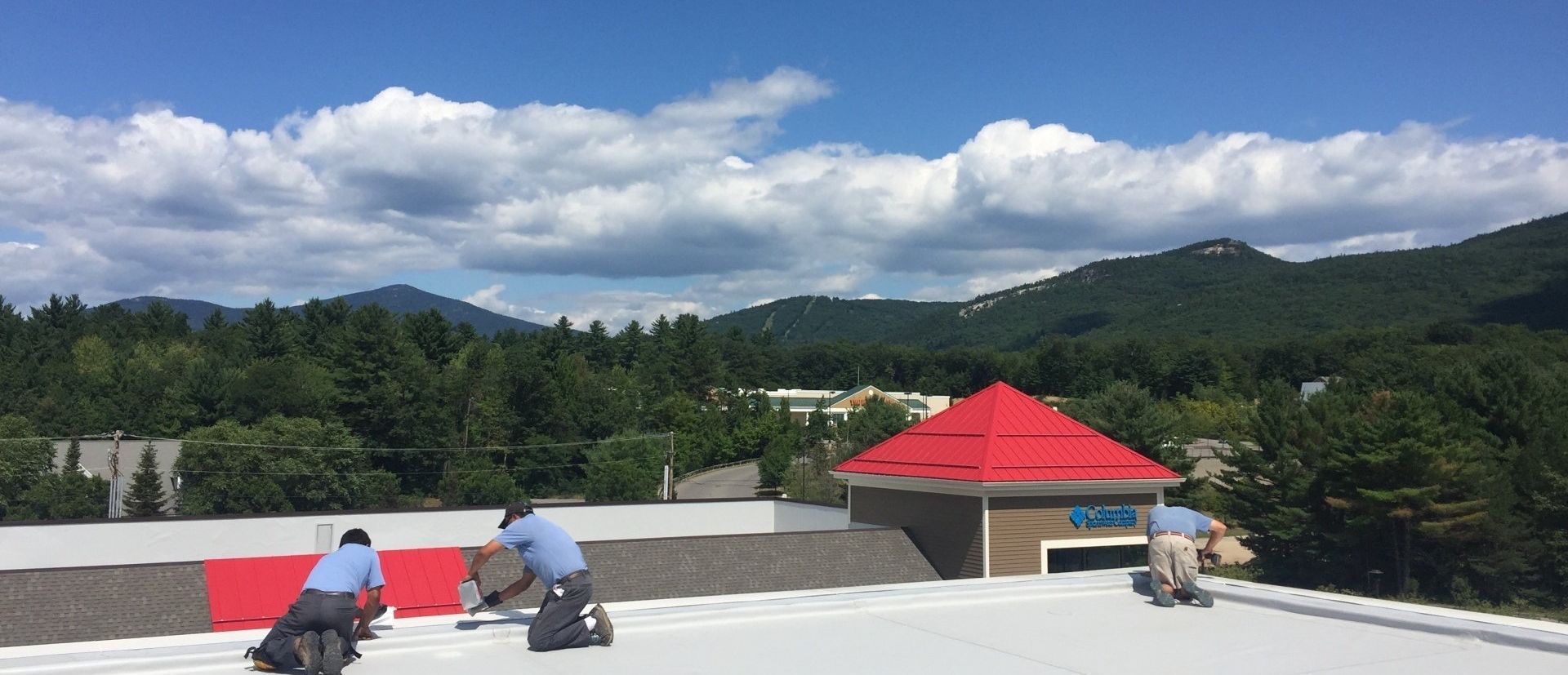
- Reflective Coatings: Apply reflective coatings to your roof to reduce UV absorption. These coatings can significantly decrease the temperature of your roof, slowing the degradation process and improving energy efficiency.
- Ventilation: Proper roof ventilation helps regulate temperature and moisture levels, reducing the stress on roofing materials. This can prevent premature aging caused by UV exposure.
- Maintenance: Keep your roof clean and free of debris. Leaves, branches, and other debris can trap moisture and exacerbate UV damage. Regular cleaning helps maintain the integrity of your roofing materials.
- Choose UV-Resistant Materials: When installing a new roof or replacing an old one, consider using UV-resistant materials. Modern roofing products are often designed to withstand UV radiation better, providing longer-lasting protection for your home.
UV rays over time can be destructive to roofing materials, causing deterioration that can lead to significant damage and costly repairs. By understanding the impact of UV rays and taking proactive steps to protect your roof, you can extend its lifespan and maintain its effectiveness in safeguarding your home. Regular maintenance, inspections, and the use of UV-resistant materials are essential strategies for combating the harmful effects of the sun. Don't let UV rays compromise your roof—take action today to ensure its longevity and durability.