
How Vermont Freeze-Thaw Cycles Damage Roofs
Winter's Hidden Impact
How Freeze-Thaw Cycles Wear Down Your Roof
Living in Vermont means your roof endures some of the harshest weather conditions in the country. While heavy snowfall often gets the most attention, one of the biggest threats to your roof is something less obvious: the freeze-thaw cycle. Throughout the fall, winter, and spring, temperatures frequently fluctuate above and below freezing. As snow melts during the day and refreezes overnight, water repeatedly expands and contracts. Over time, this cycle can slowly damage roofing materials and create pathways for leaks. Understanding how freeze-thaw damage occurs can help homeowners address small issues before they become major repairs.
Moisture Finds the Smallest Openings
Your roof is designed to shed water, but no roofing system is immune to wear over time. Small gaps around flashing, aging sealants, or worn shingles can allow moisture to seep beneath the surface.
When temperatures drop below freezing, that trapped moisture turns to ice. As water freezes, it expands by approximately nine percent, placing pressure on surrounding materials.
Repeated dozens—or even hundreds—of times throughout the season, this expansion gradually widens cracks and weakens the roof's protective barriers.
Flashing Is Especially Vulnerable
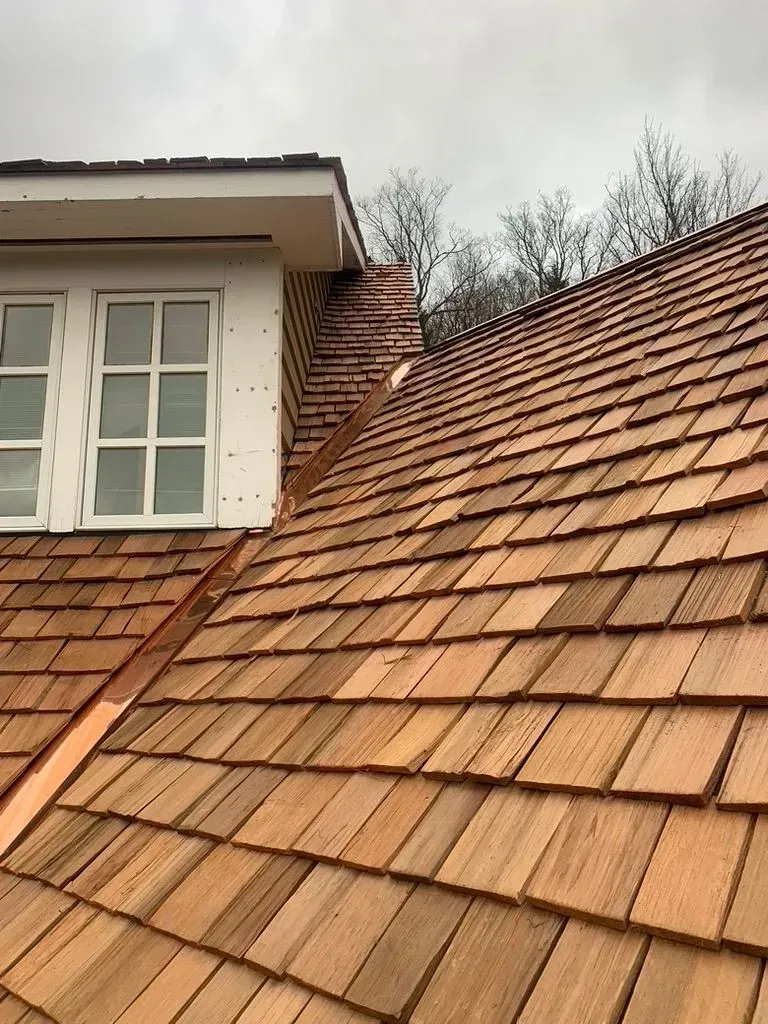
Flashing protects the most vulnerable areas of your roof, including chimneys, skylights, plumbing vents, and roof valleys.
Because flashing is exposed to constant temperature swings, it expands and contracts throughout the year. Over time, these movements can cause:
- Cracked sealants
- Loose fasteners
- Separated flashing joints
- Rust and corrosion
- Small openings that allow water intrusion
Once moisture reaches the roof decking beneath the flashing, leaks often become inevitable.
Ice Expansion Can Damage Roofing Materials
Freeze-thaw cycles don't only affect flashing. Shingles, underlayment, and even roof decking can suffer as water repeatedly freezes and expands.
Left unchecked, homeowners may notice:
- Lifted or cracked shingles
- Interior ceiling stains
- Mold or mildew in the attic
- Soft roof decking
- Premature roof aging
What starts as a tiny crack in the fall can become a much larger—and more expensive—repair by spring.
Prevention Is Always Less Expensive Than Repairs
The good news is that freeze-thaw damage is often preventable with routine maintenance and timely repairs.
A professional roof assessment can identify worn flashing, damaged shingles, compromised sealants, and other areas where moisture may be entering before winter weather makes the problem worse.
Addressing these issues early can help extend the life of your roof while preventing emergency repairs during the coldest months of the year.
Book a Preventative Roof Assessment
Vermont's weather is unpredictable, but protecting your roof doesn't have to be. At Rodd Roofing, we help homeowners throughout Vermont identify roofing issues before freeze-thaw cycles have a chance to cause costly damage. Our experienced team provides honest inspections, quality repairs, and dependable roofing solutions built to withstand New England's toughest seasons.
Book your preventative roof assessment today and protect your home before the next freeze arrives.