Your Guide to Hiring a Roofing Contractor in Vermont

Selecting the Best Roofing Contractor in Vermont
Tips & Tricks for Peak Performance
When it comes to the integrity of your home or business, the role of your roof is undeniable. Whether it's enduring the snowy winters or the occasional summer storms, your roof needs to be in top condition. If you're considering roofing repairs, maintenance, or a complete replacement in the beautiful state of Vermont, finding the right contractor is paramount. This guide will walk you through the key considerations for hiring a roofing contractor in Vermont.
Verify Credentials & Licensing
Start your search by ensuring that the roofing contractor you're considering is properly licensed and insured. In Vermont, contractors are required to be registered with the Vermont Secretary of State. Ask for their license number and verify it with the appropriate state agency. Additionally, confirm that the contractor has liability insurance and workers' compensation coverage to protect both you and their workers during the project.
Local Expertise Matters
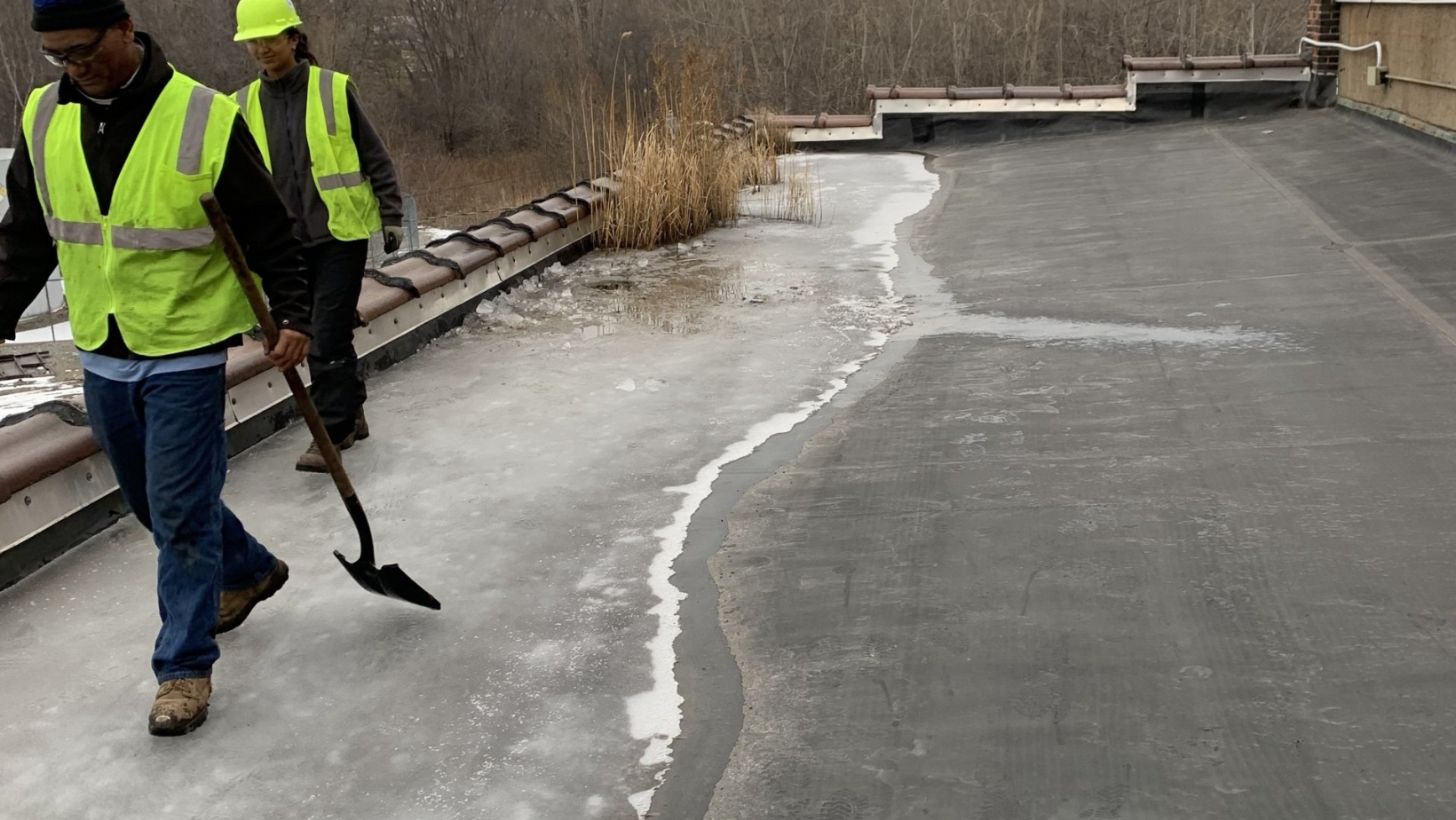
Vermont's unique climate and architectural styles demand a roofing contractor familiar with the local conditions and building codes. Look for contractors who have a proven track record of working in Vermont and are well-versed in the specific challenges posed by the state's weather patterns, including heavy snowfall, ice dams, and rapid temperature fluctuations.
Check for Manufacturer Certifications
Many roofing material manufacturers offer certifications to contractors who meet specific standards in installation and craftsmanship. A contractor with certifications from leading roofing material manufacturers demonstrates a commitment to quality and expertise. Check for certifications from manufacturers like GAF, CertainTeed, or Owens Corning, as these can be indicators of a contractor's dedication to using high-quality materials and adhering to best practices.
Ask for References & Reviews
Word of mouth is a powerful tool when it comes to hiring a roofing contractor. Ask friends, family, or neighbors for recommendations. Additionally, request references from the contractor and take the time to contact past clients. Online reviews and testimonials can also provide insights into the contractor's reputation and the quality of their work. Platforms like Google, Yelp, or the Better Business Bureau can be valuable resources for gathering customer feedback.
Obtain Multiple Quotes
Don't settle for the first quote you receive. Reach out to multiple roofing contractors to get a comprehensive understanding of the scope of the project and associated costs. Be wary of quotes that are significantly lower than others, as they may indicate subpar materials or workmanship. A detailed and transparent quote, including labor, materials, and any potential additional costs, will help you make an informed decision.
Inquire About Warranties
A reliable roofing contractor should offer warranties on both materials and workmanship. Ensure that you understand the terms of these warranties and what is covered. Warranties provide added peace of mind, indicating the contractor's confidence in the durability of their work. Be sure to get all warranty details in writing as part of the contract.
Check For Proper Permits
Roofing projects often require permits, and it's the responsibility of the contractor to obtain them. Before hiring a contractor, inquire about the permits required for your specific project and confirm that the contractor will handle the permitting process. This ensures that your roofing project complies with local regulations and building codes.
Communicate Clearly
Effective communication is crucial throughout the roofing project. A reputable contractor will be transparent about the timeline, potential challenges, and any disruptions to your daily life. Ask about the project's expected duration, the number of workers involved, and how they plan to handle unforeseen issues. Clear communication helps set expectations and fosters a positive working relationship.
Evaluate Safety Practices
Roofing projects involve inherent risks, and a responsible contractor prioritizes safety. Inquire about the safety practices and protocols followed by the contractor and their crew. Ensure that they adhere to industry safety standards, use appropriate safety gear, and take precautions to protect your property and their workers.
Understand Payment Terms
Discuss the payment terms before signing any contract. A reputable contractor will provide a clear payment schedule outlining when payments are due and what each payment covers. Be cautious of contractors who demand full payment upfront or those who only accept cash. A fair and transparent payment structure is a sign of a trustworthy contractor.
Hiring a roofing contractor in Vermont involves thorough research and careful consideration. By following these steps, you can make an informed decision that ensures your roofing project is completed successfully. With the right contractor, your Vermont home or business will be well-protected against the elements for years to come.
We know finding the right roofing company can be a lengthy process, so at Rodd Roofing, we're here to make things easy! Contact us today for more details!