Your Guide to Commercial TPO Roof Installation
Your Guide to TPO Roof Installation

Over the past 30 years since its creation, TPO roofing has progressively increased in popularity. Any commercial roofer, company owner, or property manager is undoubtedly familiar with this content. In fact, there's a good possibility that you're considering TPO roof installation for your project if you're planning to replace your commercial roof.
TPO is one of the more well-liked kind of commercial roofing materials we frequently use here at Rodd Roofing. Nevertheless, we frequently receive inquiries regarding this information from curious business owners and property managers. What TPO actually is, how it's placed, and how long they may anticipate a new TPO roof to last are some of the more frequent queries. To address any queries you might have, we're going to fully examine TPO roof systems and their installation today. Let's get going!
What is "TPO"?
TPO (Thermoplastic Polyolefin) roofing was first introduced to the market in 1991. Prior to this, the main roofing membranes on the market were PVC and EPDM, and TPO was created to improve on both of these materials. It’s generally been successful, as its heat-welded seams are more water-resistant than seams found on EPDM roofs, while its inherently flexible membrane doesn’t cause the material to break down as can be frequently seen with PVC roofs.
In 1991, TPO roofing made its debut on the market. TPO was developed to outperform both PVC and EPDM, the two most popular roofing membranes available at the time. It has generally been successful because the heat-welded seams are more water-resistant than EPDM roof seams, and the membrane's natural flexibility prevents the material from degrading as frequently happens with PVC roofs.
What are the benefits of installing a TPO roof?
TPO roofing has steadily increased in popularity over the past three decades because of its many advantages. As was already mentioned, TPO was created primarily to outperform other well-liked commercial roofing products that were already available. TPO roofing is popular because of a few key factors, which include the following:
- Speed of Installation - Although only qualified roofers should install a TPO roof, the procedure itself is fairly simple. Although the turnaround times for replacing a commercial roof vary, TPO roofs can often be erected considerably more quickly than other common roofing materials like built-up roofing or metal roofing.
- Affordability - TPO roofing is rather affordable to install, in part because of how simple it is to install. The cost is relatively comparable to other single-ply membrane materials, and it strikes an outstanding balance between cost and durability.
- Durability - TPO truly excels in this area, especially when compared to other kinds of membrane roofing. TPO roofing holds up well to tearing, impact damage, and punctures. Additionally, compared to EPDM or PVC roofs, its heat-welded seams are more water-resistant when properly placed.
- Longevity - Because TPO roofs have been on the market for shorter time than other materials, their predicted lifespan is a little less predictable. The average lifespan of a TPO roof is 15 to 25 years, though. Your roof will endure even longer with proper business roof maintenance!
- Energy Efficiency - In order to increase energy efficiency (by reducing cooling expenses) and counteract climate change, many commercial building owners are choosing "cool" roofs today (by reducing urban heat island effects). TPO is easily accessible in light hues that reflect heat and sunshine.
Choose an expert roofer.
You've considered all of your options, balanced the expenses and benefits against your budget, and come to the conclusion that TPO roofing is the best option for your requirements. So what follows?
Even though TPO roofing may be installed very quickly, this does not imply that anyone can do it. A commercial roofer with experience in TPO roofing should be hired because there are several potential problems when installing a TPO roof. They will be able to install a new roof that will survive for many years because they will be much more knowledgeable about the installation procedure.
Choosing the ideal roofer for your job deserves its own blog post. Here are some simple guidelines on how to evaluate roofing contractors and the questions you should ask:
- Make hiring a local roofing provider a top priority.
- Check the BBB rating and customer testimonials for the business.
- Ask for references if you can, as they can offer particular insights into what it's like to work with the roofing companies you're considering.
- Always inquire about license and insurance before moving forward with any roofing company.
TPO Roof Installation Process.
After selecting a skilled roofer, it's time to begin installing your new TPO roof! The steps involved in installing a TPO roof are listed below.
Locate a window for installation.
Roofing projects are rather weather-dependent, as you might anticipate. Both high and low temperatures can have an impact on roofing adhesives, make materials brittle, and alter the safe working hours for roofers. Furthermore, every significant roofing project is typically doomed by strong winds, heavy rain, and other unfavorable weather conditions.
Prepare the foundation.
The substrate needs to be ready before installation can start, regardless of whether you're replacing an old roof or installing a new one. This usually merely entails cleaning the area where the roof will be put for a new roof. The time and cost of installing a TPO roof are increased by the necessity of tearing off the old roof in order to replace it.
Material dimensions and cutting.
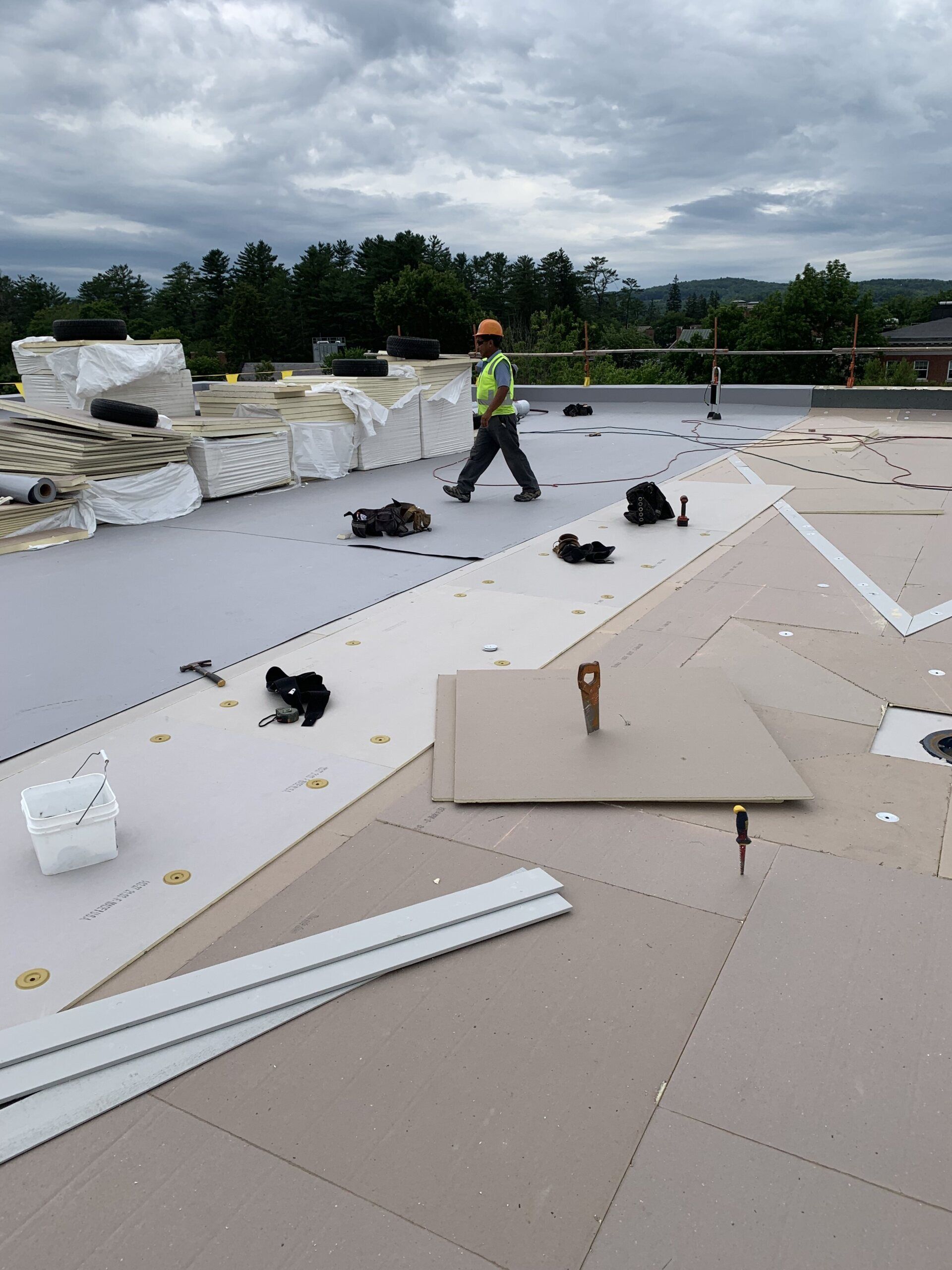
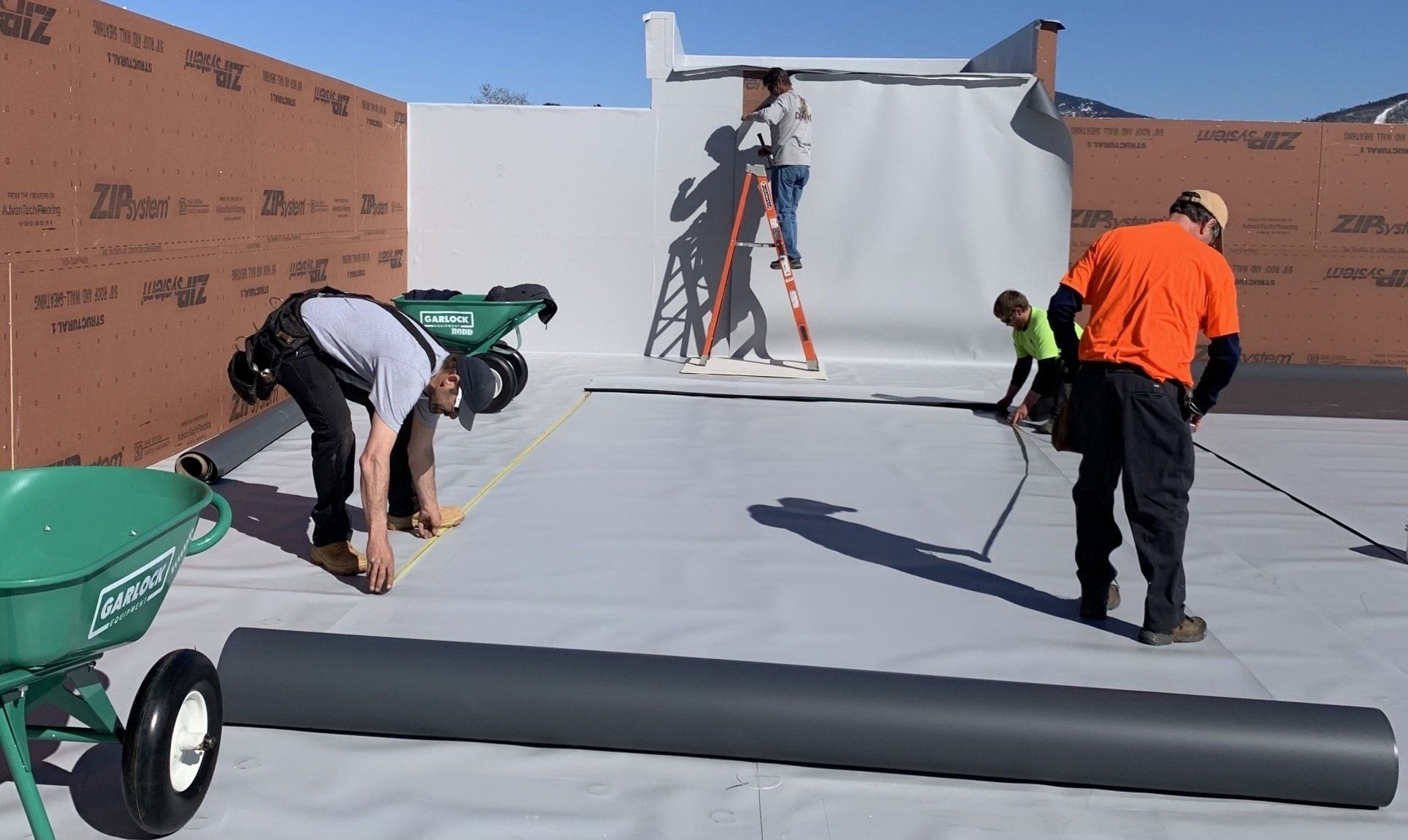
It is essential to plan and prepare properly before installing large business roofs. Cutting all required roofing materials, such as the TPO roofing rolls and the insulation that will be laid beneath the outer membrane, is part of this process.
Install a layer of insulation.
A crucial element of TPO roofing systems is insulation. It contributes to keeping the interior of the building at the right temperature and offers an additional barrier to prevent the elements from accessing the surface of the roof.
Heat-weld the TPO membrane in place.
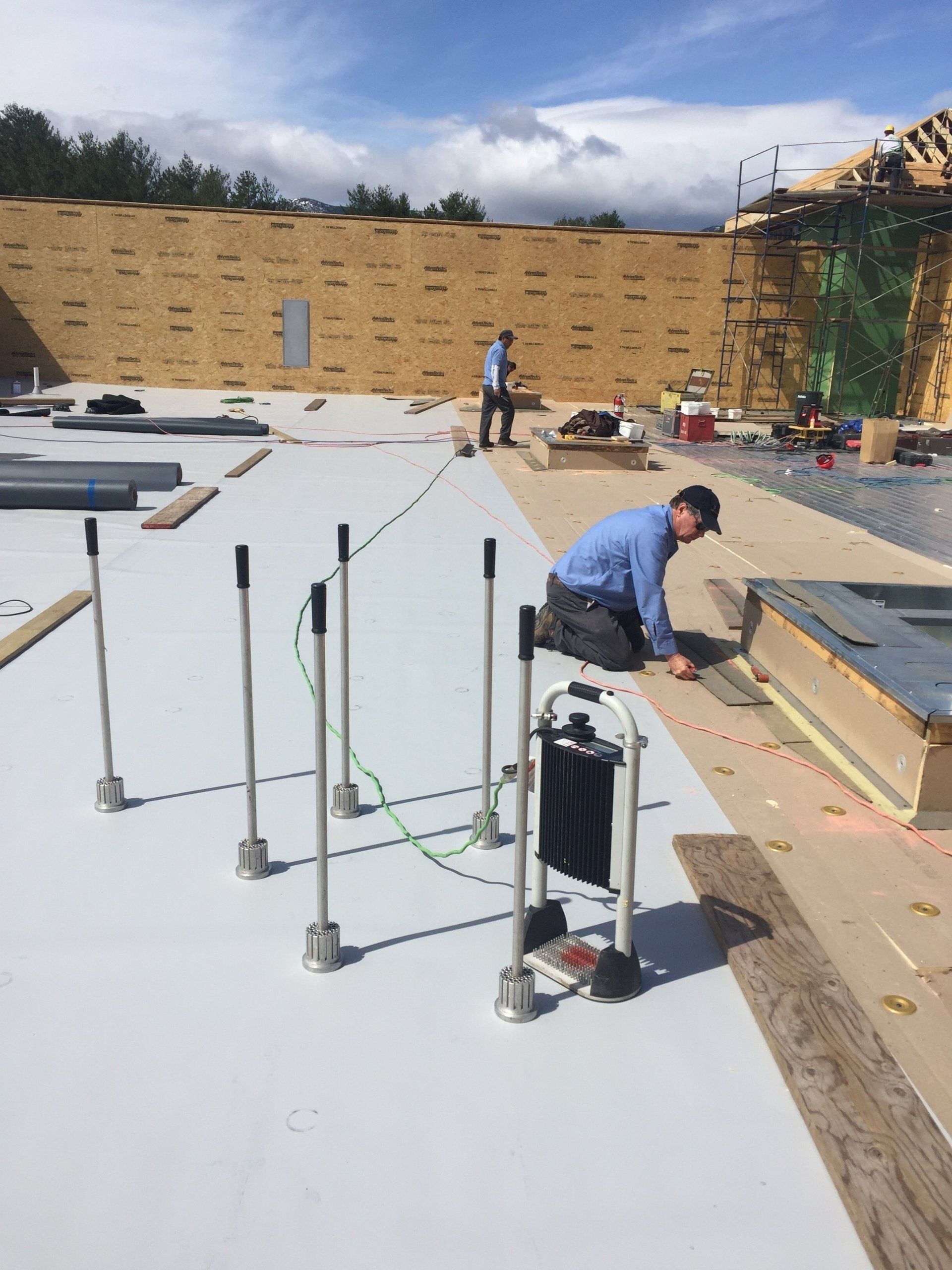
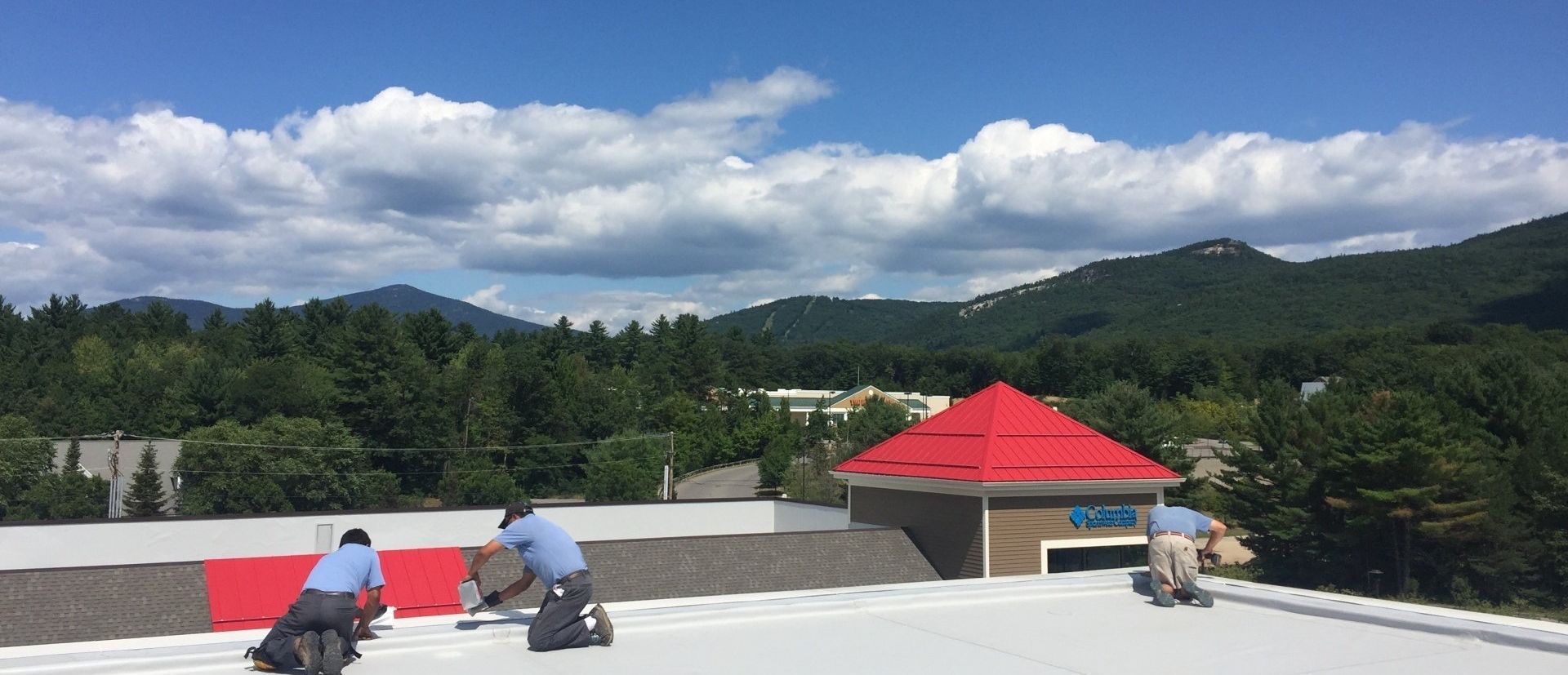
It's time to put the TPO roofing now that everything else is ready. Prior to being installed on the roof, the precisely sized and cut pieces of TPO are first fastened to it with either mechanical fasteners or a roofing glue. The roofer will heat-weld each seam once all of the TPO is installed in order to create a perfectly waterproof seal.
Thoroughly check for weaknesses.
Once the TPO is heat-welded, some roofing firms consider the installation to be finished. But those that are knowledgeable in installing TPO roofs understand how important proper testing is to the procedure. Your commercial roofer should evaluate the entire roof for any weaknesses both during and after the primary installation process, and shore up any weak places. By doing this, you may extend the lifespan of your roof and avoid having to make expensive early repairs.
Our commercial roofing specialists at Rodd Roofing are knowledgeable in all facets of TPO roofing. Our skilled crew is here to be your roofing partner for the duration of your new TPO roof—and beyond—from dependable, professional installation to continuous roof maintenance that will help your new TPO roof survive as long as possible.
Rodd Roofing is ready to begin your roofing job if you believe TPO roofing could be the answer you need for your commercial roof. Call us right away!