When to Hire a Professional Roofer vs. DIY Repairs
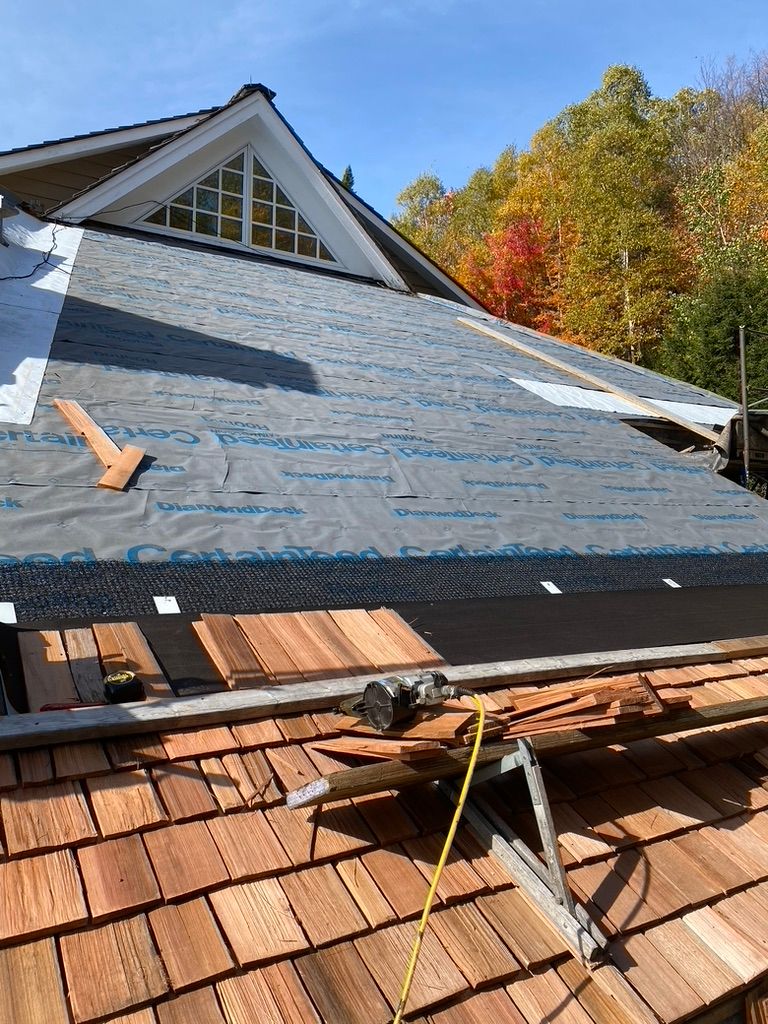
DIY Roofing Repairs:
Why You Should Always Call a Professional
As a homeowner, it’s tempting to tackle repairs yourself, especially when it comes to your roof. After all, how hard can it be to patch a leak or replace a few shingles? However, roofing is one area where hiring a professional is almost always the best choice. Here’s why you should consider calling in the experts instead of attempting DIY repairs.
Safety First
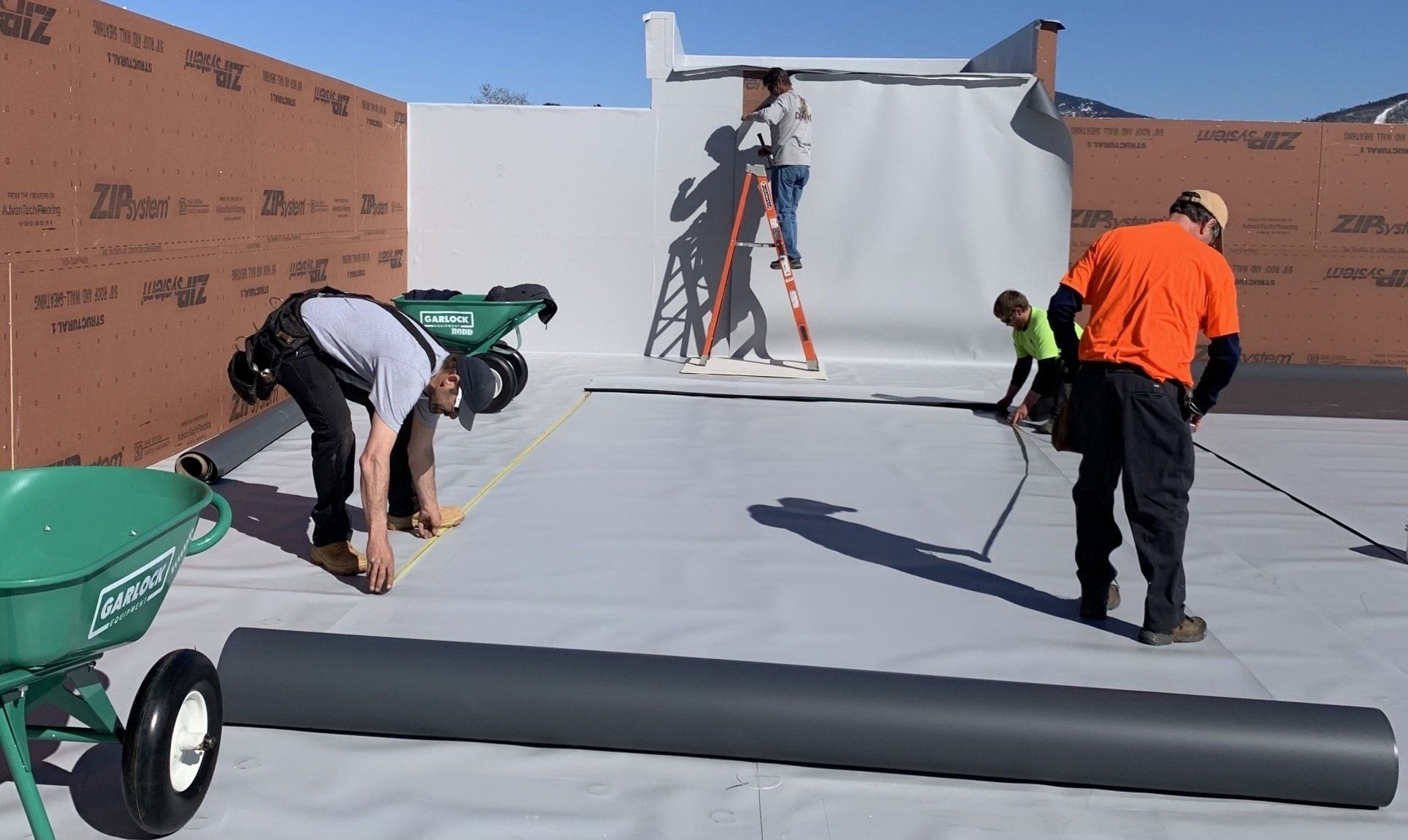
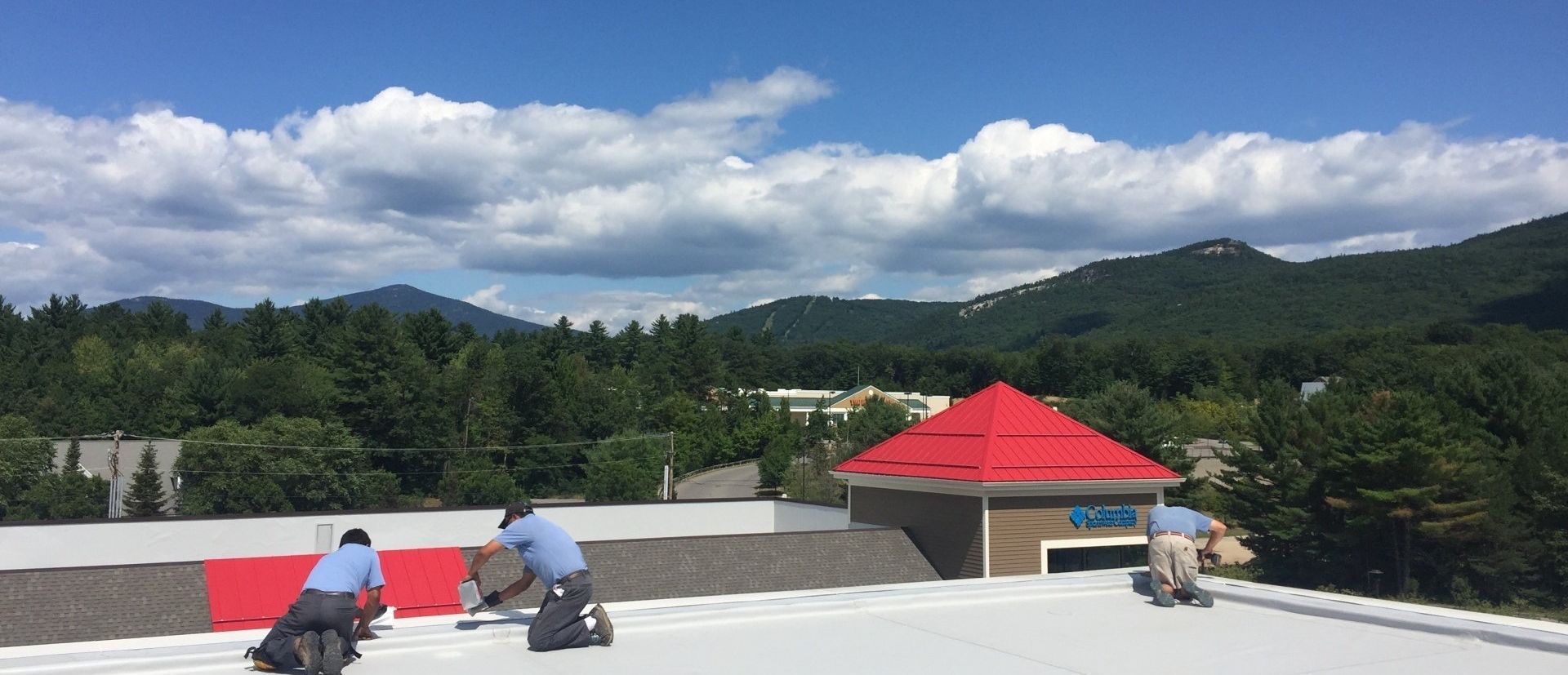
Roofing work is inherently dangerous. Climbing ladders, walking on sloped surfaces, and handling tools at height pose significant risks. Professional roofers are trained in safety protocols and have the proper equipment to minimize these dangers. A minor slip can result in serious injury, making safety a primary reason to leave roofing to the pros.
Expertise & Experience
Roofing professionals bring years of training and hands-on experience to the table. They can quickly identify issues that might not be apparent to an untrained eye. From assessing the extent of damage to choosing the right materials, their expertise ensures the job is done correctly the first time. DIY repairs often result in temporary fixes that don’t address the underlying problems, leading to more significant issues down the line.
Quality of Work
A professional roofer delivers high-quality work backed by warranties. They have access to top-grade materials and know the best techniques for installation and repair. This quality workmanship ensures the longevity and performance of your roof. DIY attempts, even with the best intentions, can compromise the integrity of your roof, leading to frequent repairs and higher costs over time.
Time & Cost Efficiency
While DIY repairs may seem cost-effective initially, they often take longer and can be more expensive. Without the proper tools and knowledge, what might seem like a simple fix can turn into a time-consuming project. Mistakes made during DIY repairs can also result in costly damage that requires professional intervention. Hiring a roofer saves you time and money in the long run by ensuring the job is done right the first time.
Building Code Compliance
Roofing work must comply with local building codes and regulations. Professional roofers are familiar with these codes and ensure that all repairs and installations meet the required standards. Non-compliance can result in fines and issues with insurance claims, which DIY repairs often overlook.
Peace of Mind
When you hire a professional roofer, you gain peace of mind knowing that your roof is in capable hands. Professionals offer guarantees and are insured, providing protection against any unforeseen issues. This assurance is invaluable compared to the uncertainty and potential risks of DIY repairs.
While the DIY spirit is admirable, roofing is a task best left to professionals. The safety risks, need for expertise, quality of work, time and cost efficiency, building code compliance, and peace of mind all point to the benefits of hiring a professional roofer. Protect your home and investment by trusting the experts with your roofing needs.