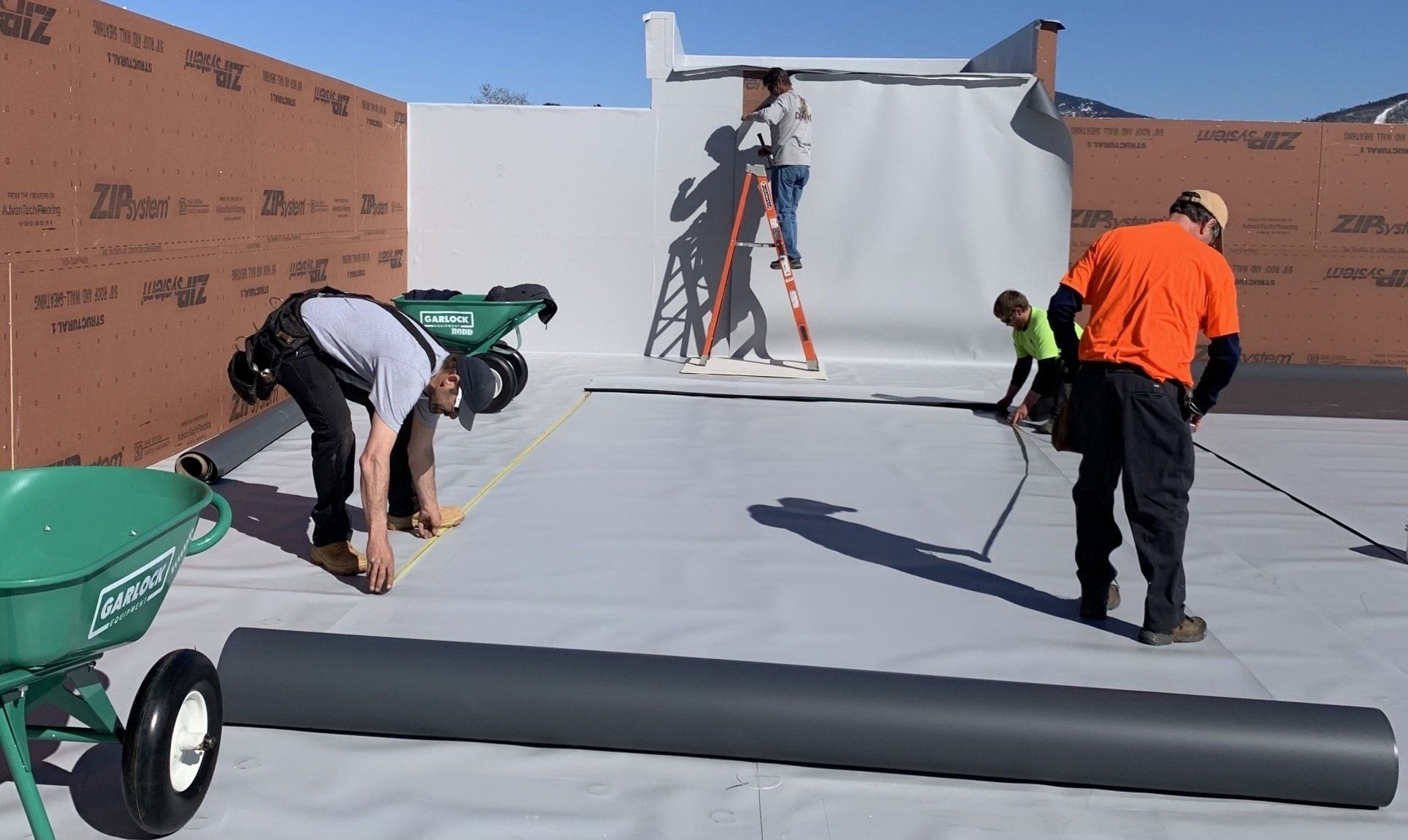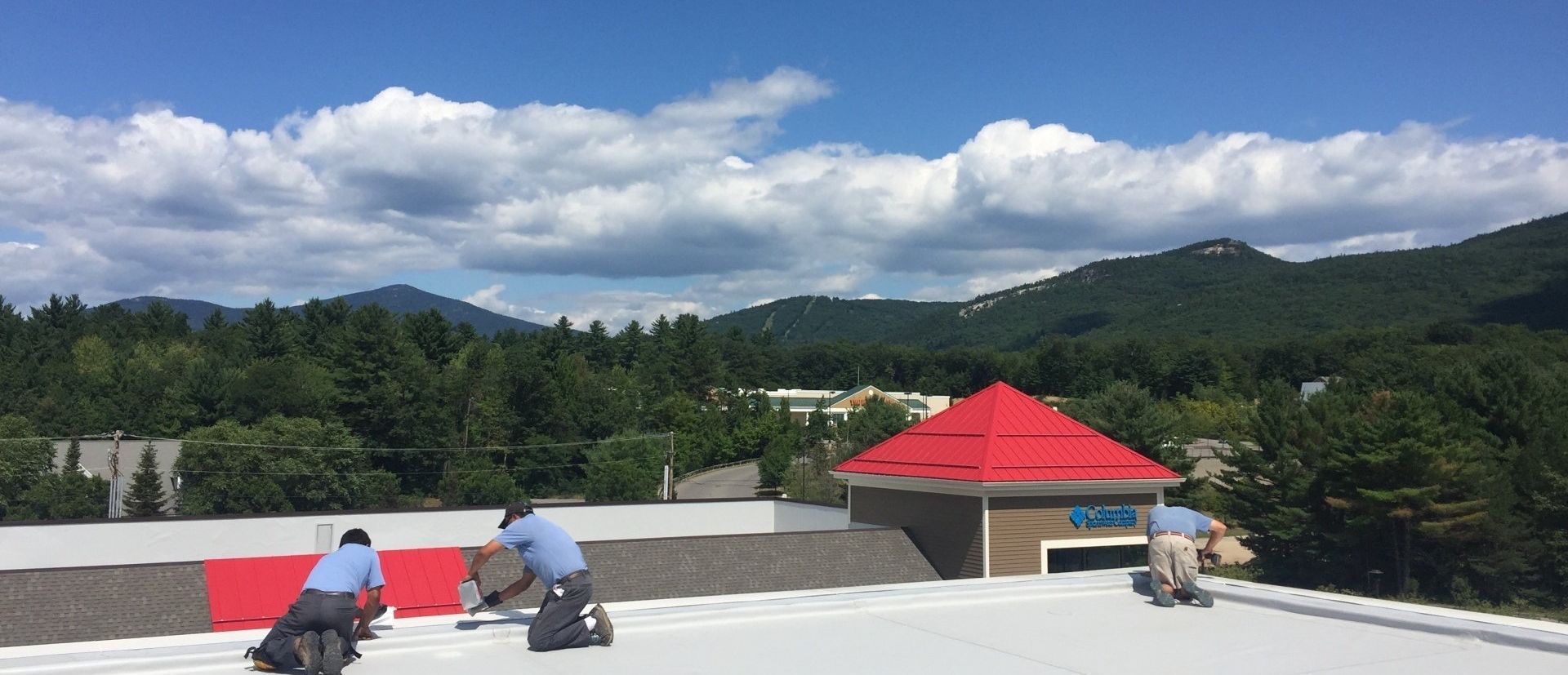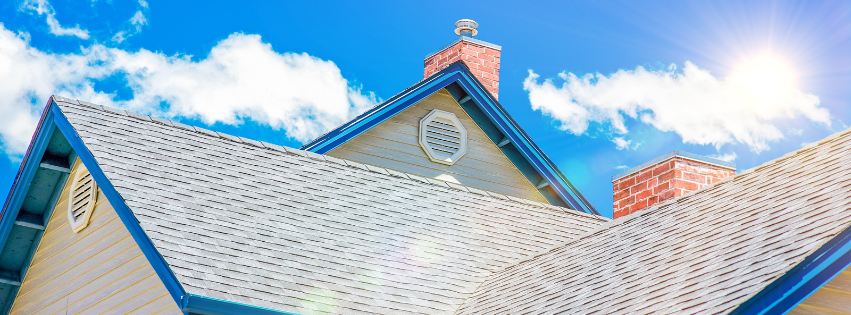

The Role of Roof Flashing in Winter Weather Protection
Roof Flashing: An Unsung Roofing Safeguard
Roofing's Strongest Defense Against the Cold, Snow, and Ice
When winter arrives, your roof becomes the frontline defense against the unforgiving cold, snow, and ice. One often-underestimated component of your roof that plays a crucial role in winter weather protection is roof flashing. In this blog post, we'll explore the significance of roof flashing and how it safeguards your home during the winter season.
Understanding The Purpose of Roof Flashing
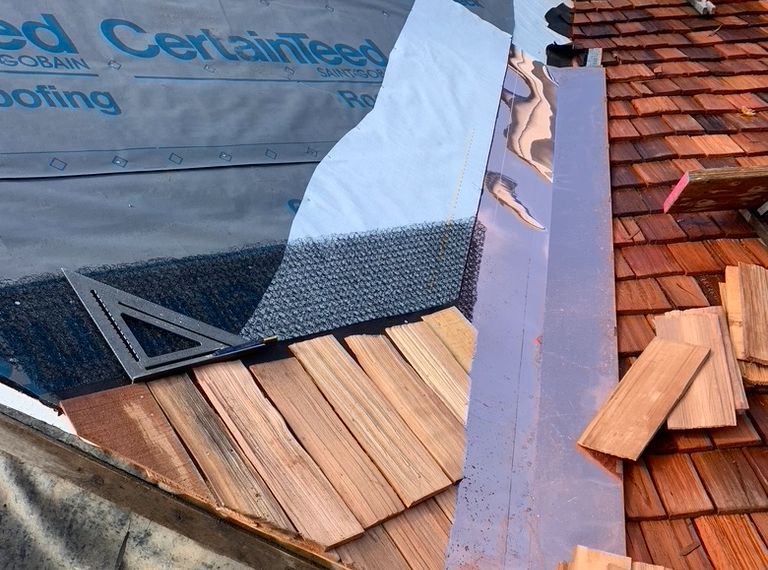
Before we dive into its role in winter weather protection, let's start by understanding what roof flashing is. Roof flashing is a thin, weather-resistant material typically made of metal or specialized roofing membranes. It's strategically installed in vulnerable areas of your roof to prevent water infiltration. The primary purpose of roof flashing is to ensure that rainwater, melting snow, and ice are directed away from critical areas where they could potentially cause leaks, damage, or even structural issues.
How Roof Flashing Enhances Winter Weather Protection
Roof flashing is an unsung hero when it comes to preserving your home's structural integrity, comfort, and dryness during the winter months. Let's explore the ways in which roof flashing contributes to winter weather protection:
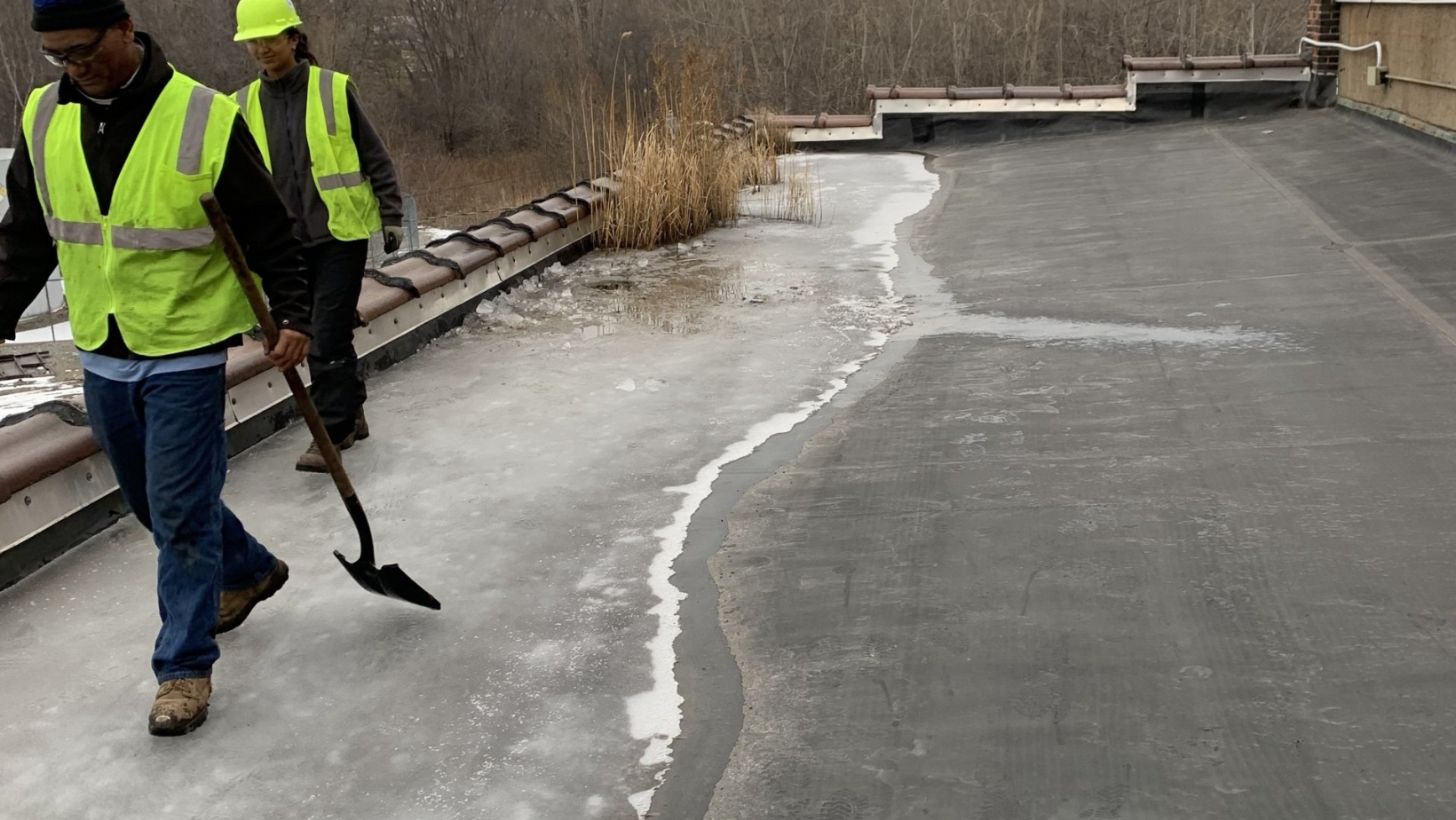
1. Preventing Ice Dams: Ice dams are a common problem during winter. They form when snow on the roof melts and then refreezes at the eaves or along the edges, creating a barrier that prevents proper runoff. Roof flashing, especially in valleys and around eaves, helps prevent ice dams by directing melting snow and ice away from these vulnerable areas.
2. Safeguarding Roof Penetrations: Roof penetrations, such as chimneys, vent pipes, and skylights, are prone to water infiltration. Roof flashing is used to create a watertight seal around these openings, ensuring that melting snow and ice don't find their way into your home. This is especially crucial in cold climates where the freeze-thaw cycle can exacerbate leaks.
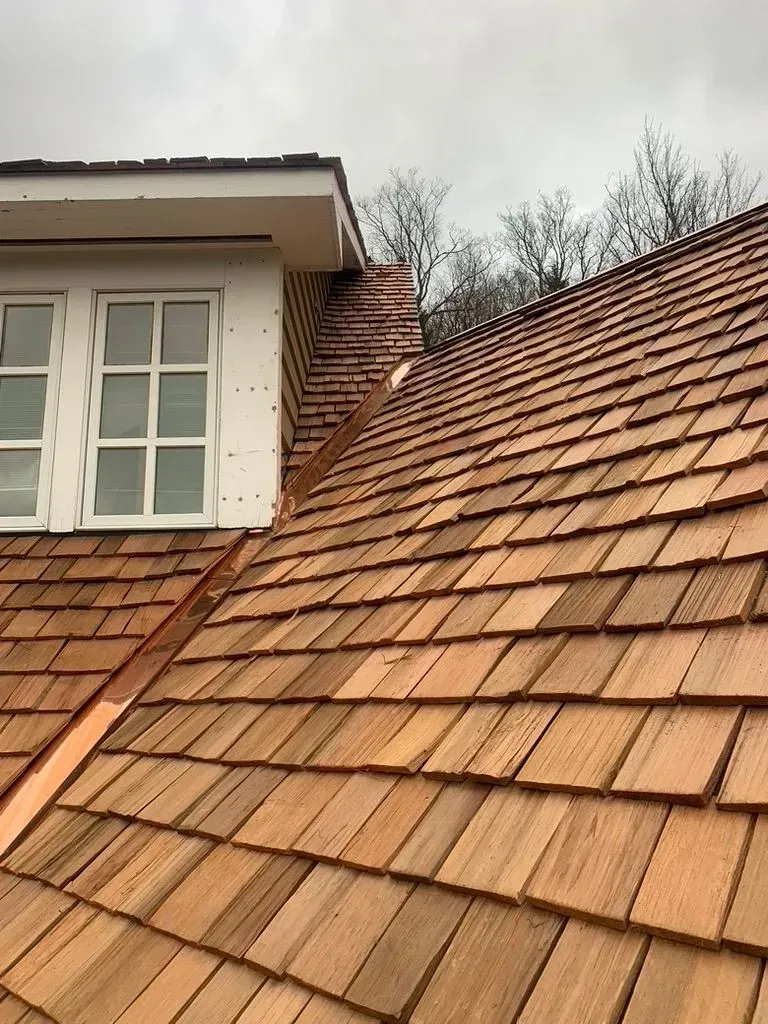
3. Protecting Roof Joints and Valleys: Roof flashing is strategically placed in areas where different sections of the roof intersect, such as valleys and joints. These areas are particularly susceptible to leaks in winter weather. Flashing diverts water away from these junctions, reducing the risk of moisture infiltration.
4. Ensuring Adequate Ventilation: Proper roof ventilation is essential in cold climates to prevent the buildup of moisture in your attic. Roof flashing around vents and exhaust fans helps maintain a watertight seal and allows for sufficient ventilation, which is critical to prevent condensation and mold growth in your attic space.
5. Extending the Lifespan of Your Roof: By protecting against water infiltration, roof flashing contributes to the longevity of your roof. Winter weather can be harsh, and the freezing and thawing cycle can cause significant damage if your roof isn't adequately protected. Flashing helps mitigate these risks, potentially saving you from costly repairs or replacements.
6. Enhancing Energy Efficiency: In cold climates, energy efficiency is paramount. Properly installed roof flashing ensures your home remains well-insulated and prevents heat loss. This not only keeps your interior spaces comfortable but also reduces your energy bills.
Roof flashing is a vital component of your roofing system, playing a significant role in winter weather protection. Its ability to prevent ice dams, safeguard roof penetrations, protect junctions and valleys, ensure proper ventilation, extend your roof's lifespan, and enhance energy efficiency make it an indispensable part of your home's defense against the harsh conditions of winter.
To ensure your roof flashing is in optimal condition and ready to tackle the winter season, it's crucial to have it inspected and maintained by a professional roofing contractor like Rodd Roofing. Their expertise and experience will help you enjoy a worry-free winter season with a well-protected home. Roof flashing may be inconspicuous, but its impact on your home's comfort and safety during winter is undeniable.