Spotting Signs of Winter Roof Damage
A Vermont Homeowner's Guide
Unveiling the Common Signs of Winter Roof Damage and How to Combat Them
As winter blankets our surroundings in a shimmering layer of frost, it's crucial to pay attention to your roof. Harsh winter conditions can take a toll on your home's first line of defense. To prevent small issues from becoming major problems, let's explore the signs of winter roof damage and how to address them proactively.
Snow Accumulation
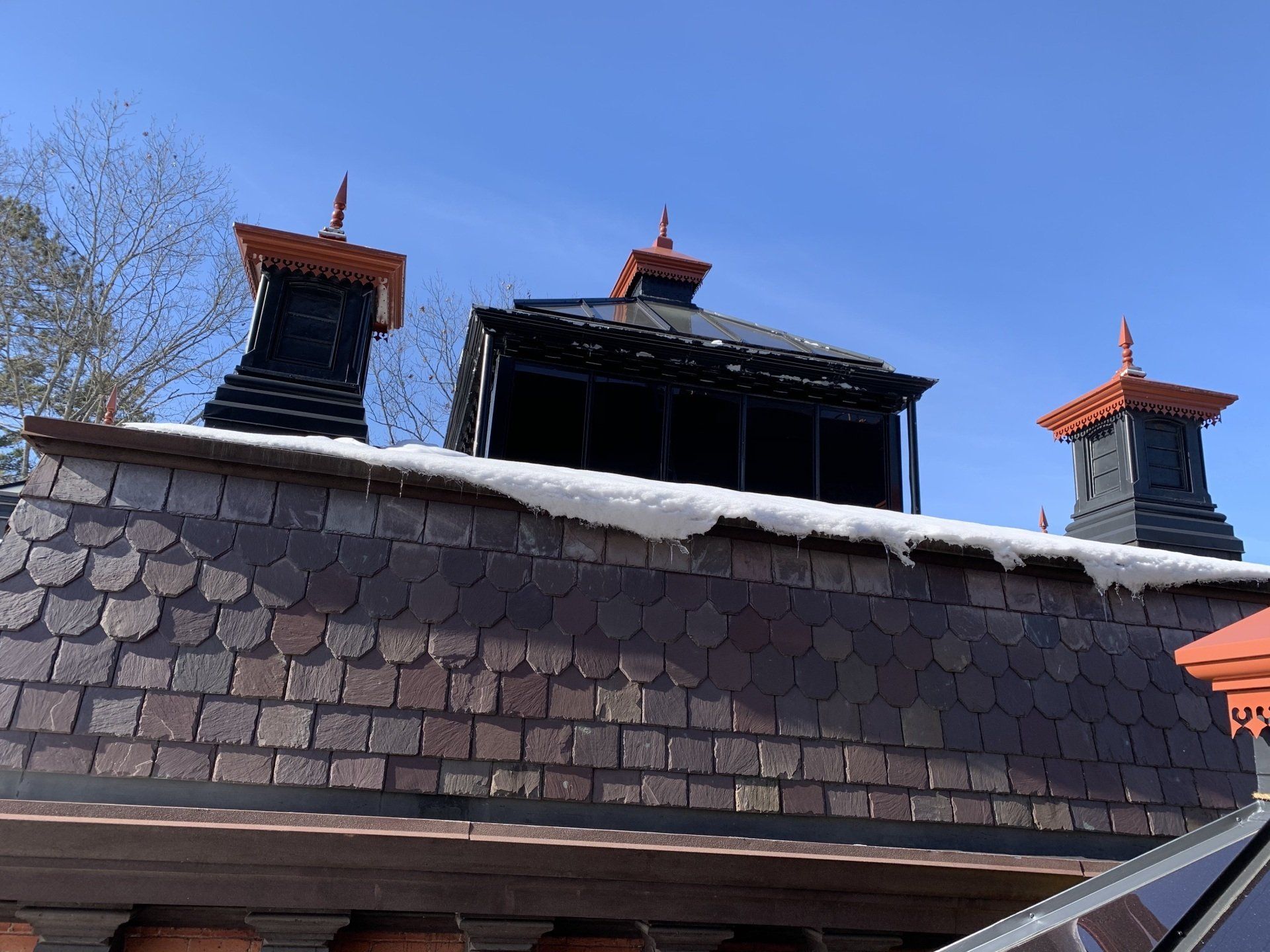
While a picturesque snow-covered roof might be charming, excessive snow accumulation can be problematic. The sheer weight of heavy snow can strain your roof's structure, potentially causing structural damage or even a collapse. Safely remove snow using a roof rake, especially if it exceeds the recommended load capacity for your roof.
Condensation & Moisture Damage
Winter brings not only cold temperatures but also increased indoor heating. This temperature difference can lead to condensation in your attic, potentially causing mold growth and wood rot. Ensure proper ventilation and insulation to minimize condensation, maintaining a healthy environment for your roof.
Shingle Damage
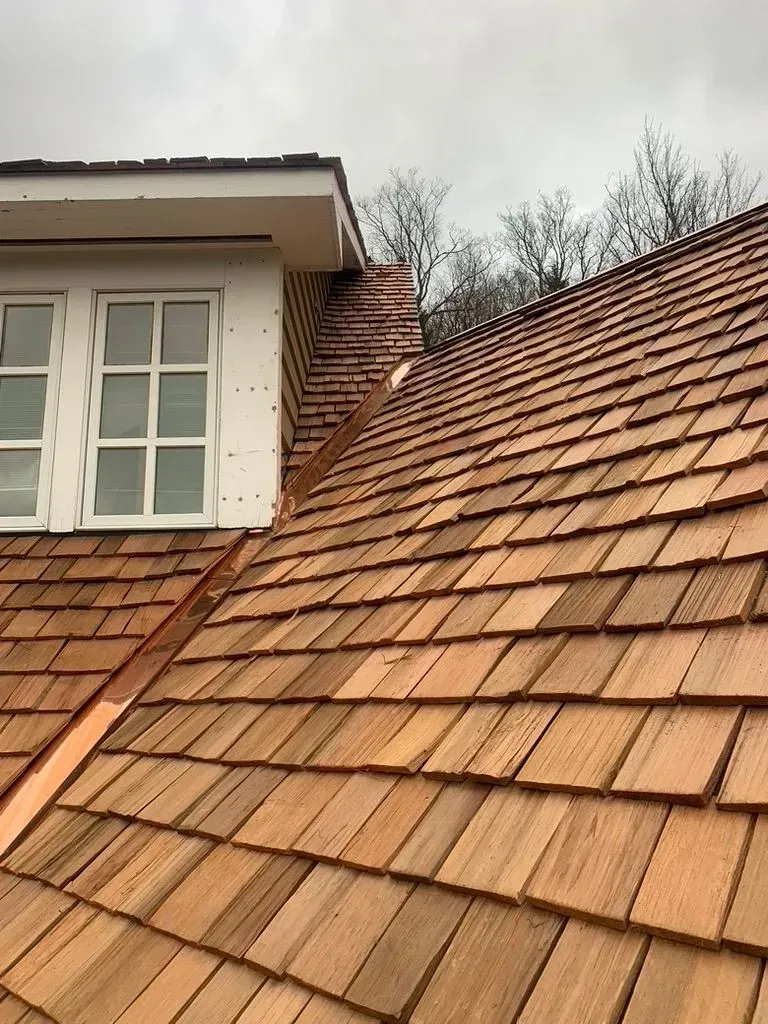
Extreme temperature fluctuations, combined with the weight of snow and ice, can lead to the contraction and expansion of roofing materials. This can result in cracked or damaged shingles. Regularly inspect your roof for signs of shingle damage, such as curling, cracking, or missing pieces, and address them promptly to prevent leaks.
Leaks & Water Stains
Winter roof damage often manifests as leaks and water stains on your ceiling or walls. These issues may indicate damaged flashing, compromised shingles, or hidden leaks. Don't ignore water stains; investigate and repair the source of the leak to prevent further damage to your roof's structure and the interior of your home.
Gutters & Downspout Issues
Clogged gutters and downspouts can lead to ice dam formation and prevent proper water drainage. Regularly clean your gutters, removing leaves, twigs, and other debris to ensure unobstructed water flow. Consider installing gutter guards to prevent clogs and simplify maintenance.
Attic Insulation & Ventilation Problems
A poorly insulated or ventilated attic can contribute to various winter roof issues. Inadequate insulation can lead to ice dams, while poor ventilation can result in condensation and moisture buildup. Evaluate and improve your attic's insulation and ventilation to create a balanced environment that supports your roof's health.
Flashing Damage
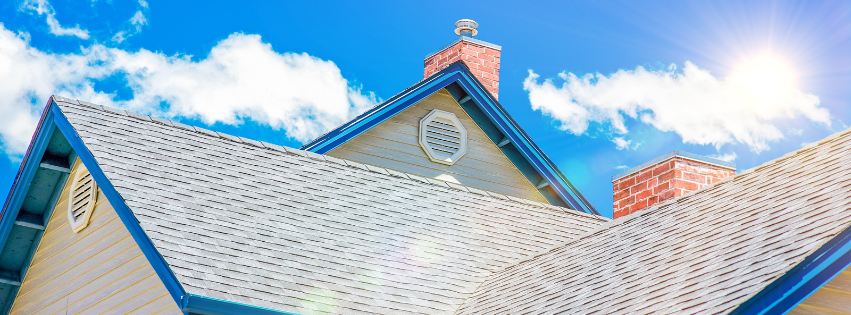
Flashing, the material used to seal joints and seams on your roof, can deteriorate over time, especially in harsh winter conditions. Inspect your roof's flashing for signs of damage or deterioration, such as rust or gaps. Replace damaged flashing promptly to maintain a watertight seal and protect your home from leaks.
Tree Limb Hazards
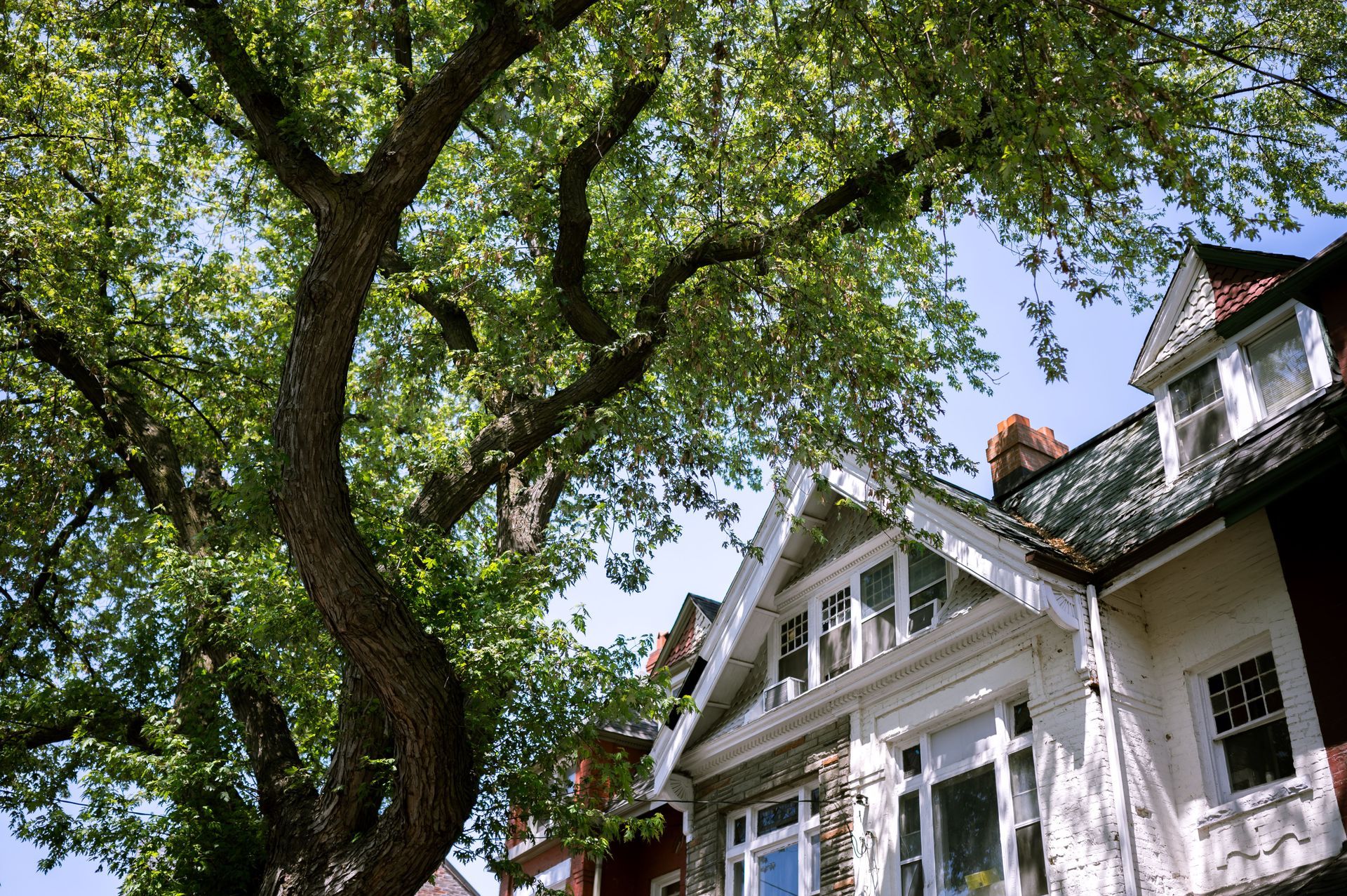
Winter storms can bring heavy snow and ice, increasing the risk of tree limbs falling onto your roof. Trim overhanging branches before winter to prevent potential damage and regularly inspect nearby trees for signs of weakness or instability.
Check For Signs of Pests
Winter is a challenging time for pests seeking shelter and warmth. Rodents and insects may find their way into your attic, causing damage to insulation and wood structures. Seal any potential entry points and consider professional pest control measures to safeguard your roof and home.
Ice Dams
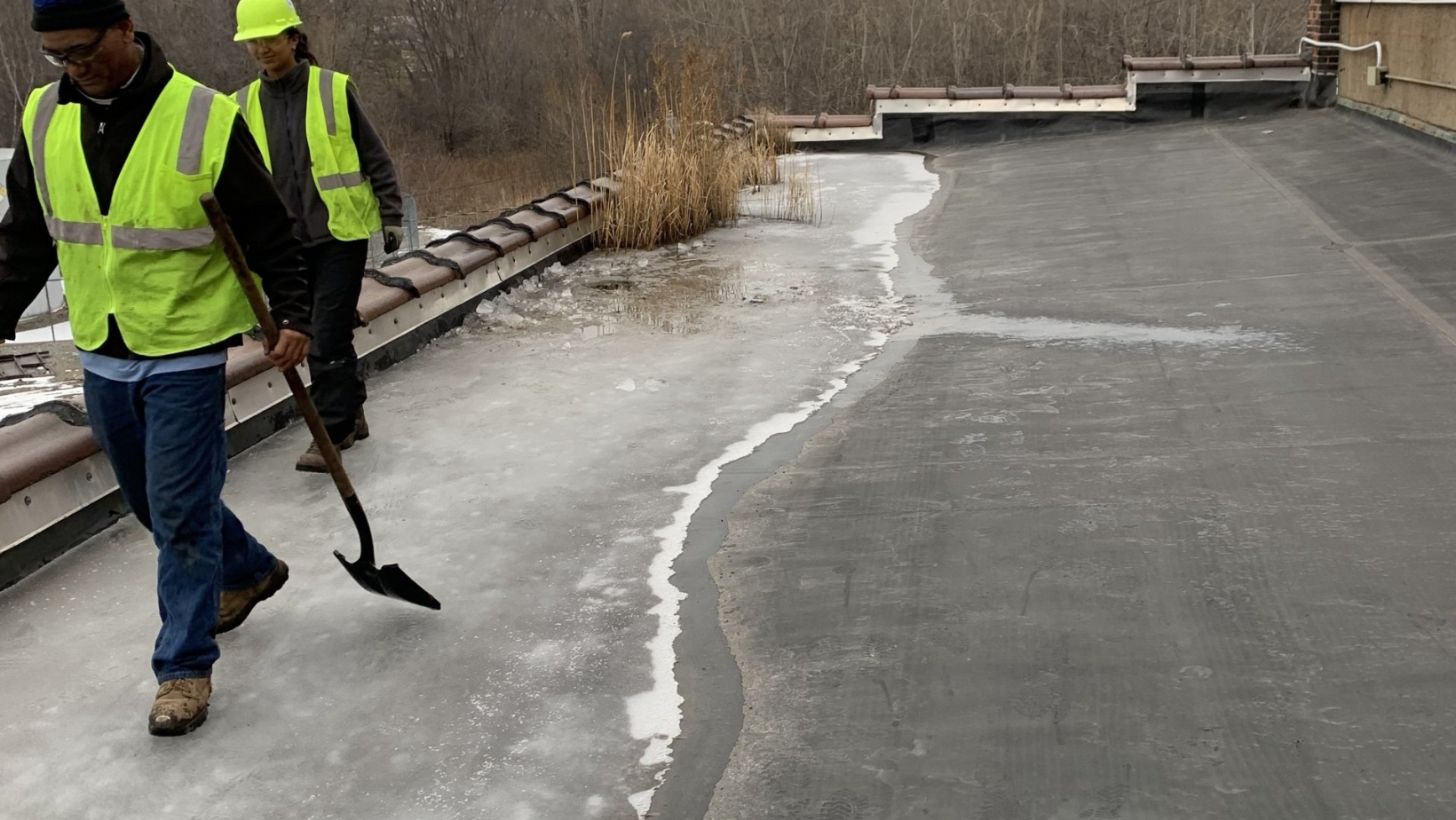
One of the most common winter roof issues is the formation of ice dams. These occur when melted snow refreezes at the edge of your roof, creating a barrier that prevents proper drainage. The weight of these dams can damage your roof and lead to leaks. Keep an eye out for icicles and take preventive measures by ensuring your attic is well-insulated and adequately ventilated.
Being vigilant about these signs of winter roof damage and taking proactive measures can help you avoid costly repairs and ensure your home remains a cozy and secure haven during the colder months. Regular inspections, proper maintenance, and timely repairs are key to preserving the integrity of your roof and protecting your investment for years to come.