Roof Rot 101
How Does Insufficient Ventilation Cause Your Roof To Rot?
The Importance of Proper Ventilation:
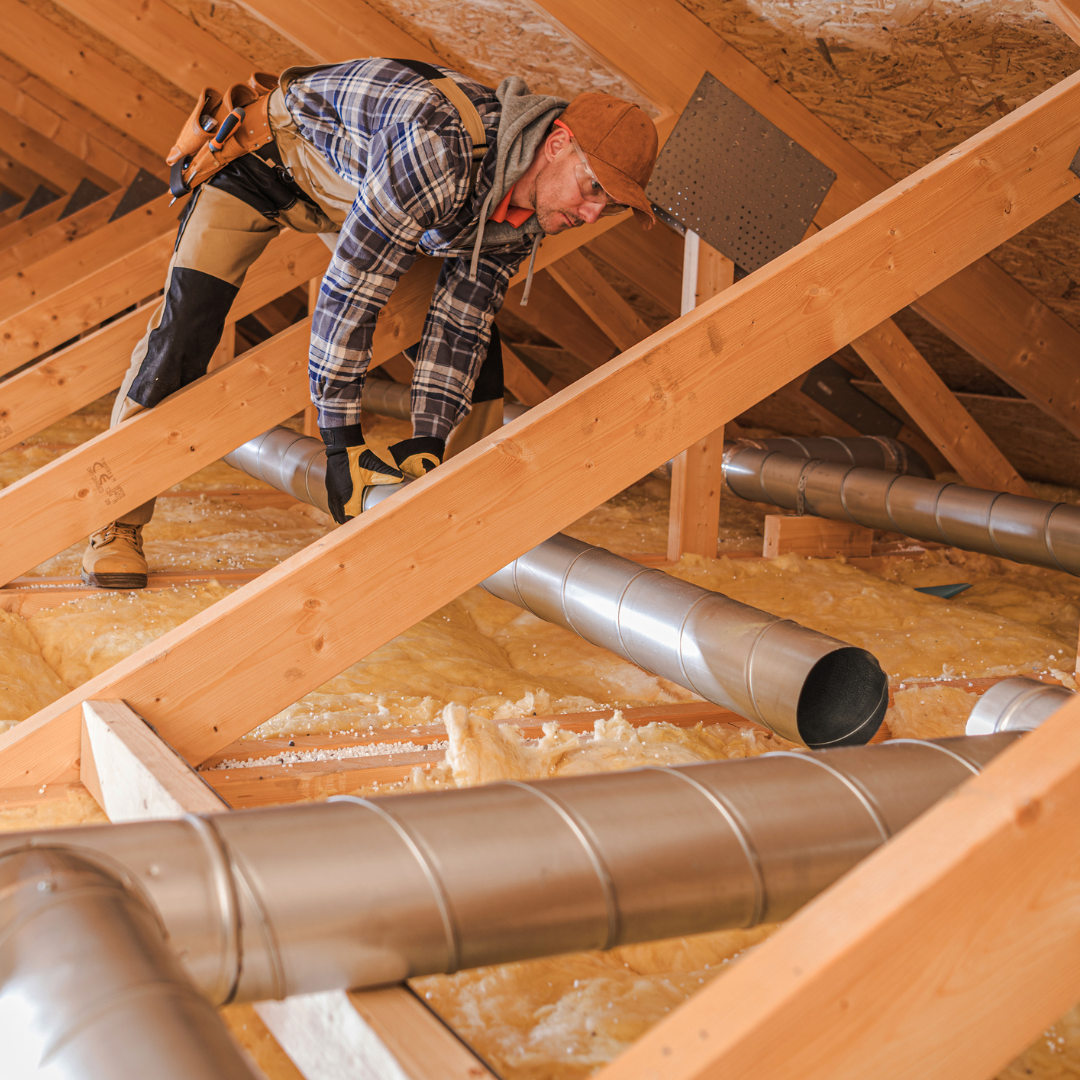
Proper ventilation is essential for maintaining the health of your roof. It allows air to flow freely through your attic, preventing moisture buildup and keeping your roof dry. Without proper ventilation, moisture can accumulate on your roof and cause a variety of problems, including:
Rotting & Decay
Moisture buildup can cause your roof to rot and decay, leading to structural damage and costly repairs. Rotting wood is weak and can easily break, causing parts of the roof to collapse.
Mold & Mildew
Excess moisture can also lead to the growth of mold and mildew, which can cause health problems for you and your family. Mold and mildew thrive in moist environments and can quickly spread throughout your home if left unchecked.
Ice Dams
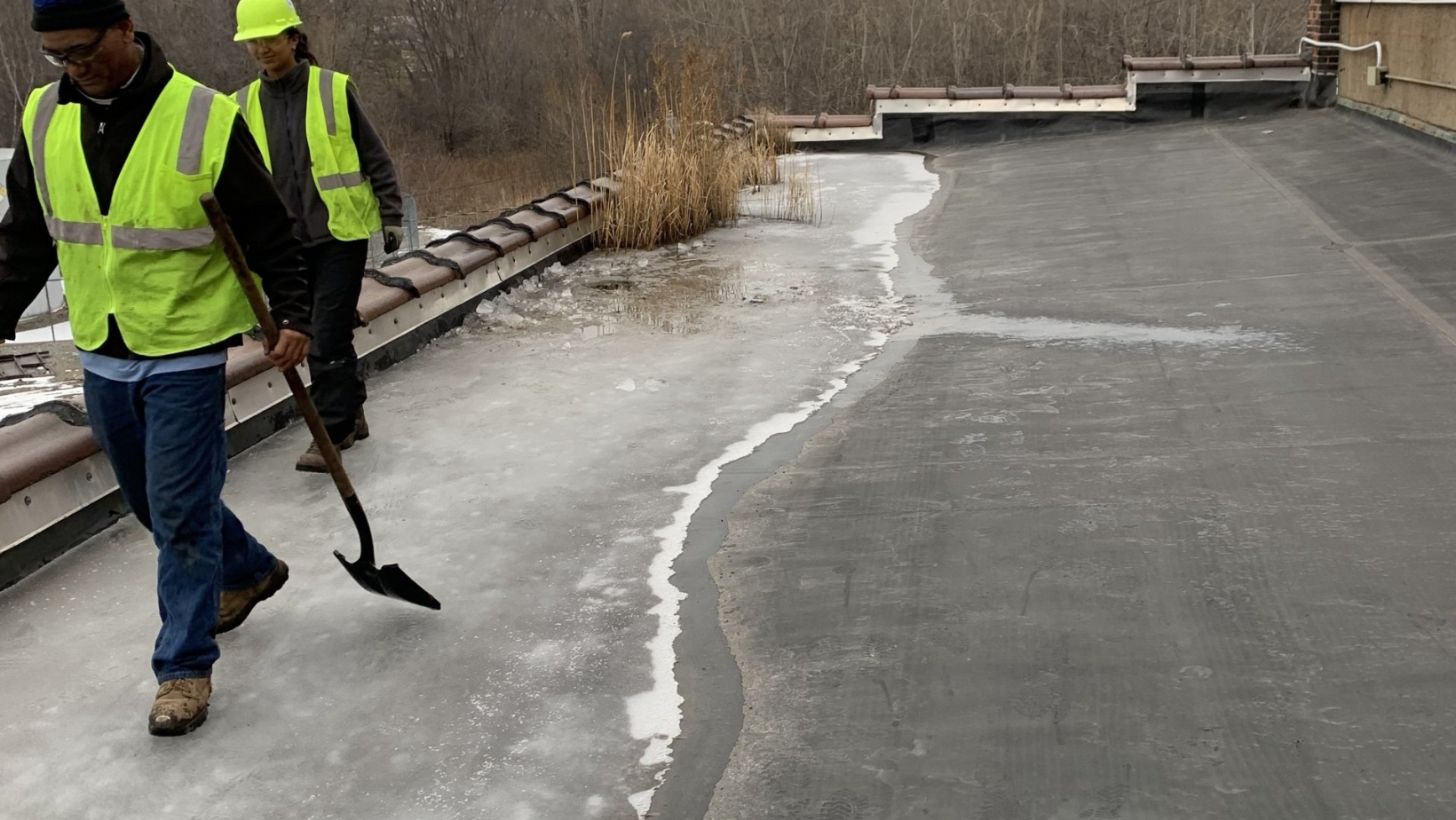
In colder climates, insufficient ventilation can cause ice dams to form on your roof. Ice dams occur when snow on your roof melts and then refreezes along the eaves, causing water to pool and potentially leak into your home.
The Causes of Insufficient Ventilation
Several factors can contribute to insufficient ventilation in your home's attic. Here are some of the most common causes:
Improper Installation
If your roof was improperly installed, it may not have adequate ventilation. A qualified roofing contractor can inspect your roof and attic to determine if ventilation is sufficient and make any necessary adjustments.
Clogged or Blocked Vents
If your attic vents are clogged or blocked, they can't function properly. Leaves, debris, and even animal nests can obstruct airflow, causing moisture buildup and damage to your roof.
Inadequate Insulation
Inadequate insulation can cause heat to escape from your home, leading to moisture buildup in your attic. Ensure that your insulation is properly installed and that there are no gaps or areas where air can escape.
Preventing Roof Rot Through Proper Ventilation
Now that we've explored the risks associated with insufficient ventilation let's discuss some practical steps you can take to ensure that your roof remains in top condition.
Have Your Roof Inspected Regularly
A professional roof inspection is the best way to identify any issues with your roof's ventilation. A qualified roofing contractor can inspect your attic and roof to determine if ventilation is adequate, and make any necessary repairs or adjustments.
Clean Your Vents Regularly
Ensure that your attic vents are clean and free of debris. You should check your vents at least once a year and clear away any leaves, dirt, or other obstructions.
Install A Ridge Vent
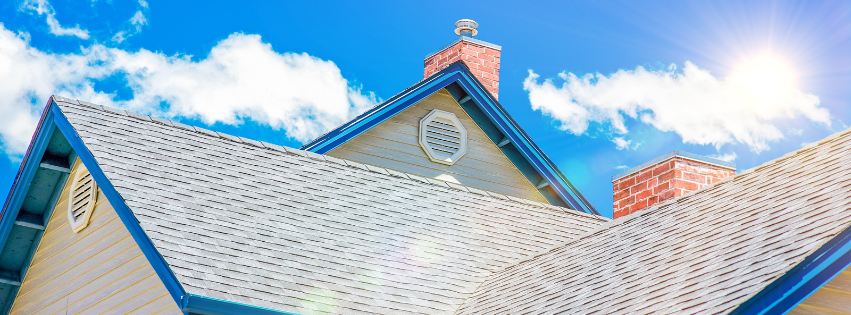
A ridge vent is a type of roof vent that runs along the peak of your roof, allowing hot air to escape from your attic. Ridge vents are a popular choice for ensuring proper ventilation and preventing roof rot.
Upgrade Your Insulation
Upgrading your insulation can help keep your home warmer in the winter and cooler in the summer, reducing the risk of moisture buildup in your attic. Be sure to work with a qualified contractor to ensure that your insulation is properly installed and that there are no gaps or areas where air can escape.
Contact Us!
At Rodd Roofing, we specialize in providing high-quality roofing services, including inspections, repairs, and installations. If you're concerned about the ventilation in your attic or notice any signs of roof damage, such as leaks, decay, or mold growth, don't hesitate to give us a call. Our team of experienced professionals will work with you to identify the issue and recommend the best solution for your needs and budget.