
What Is A TPO Roof?
TPO Roofing 101

What is a TPO roof?
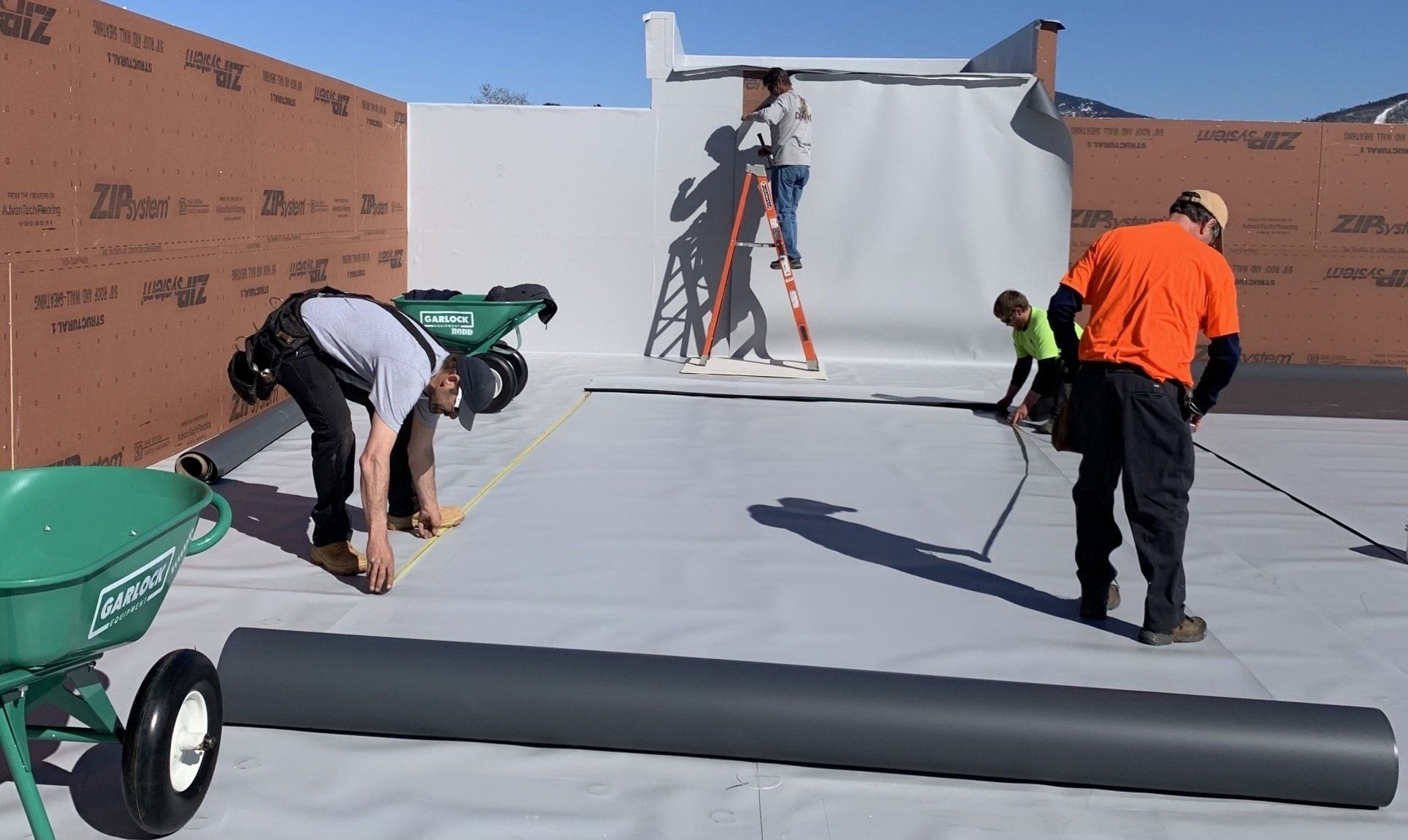
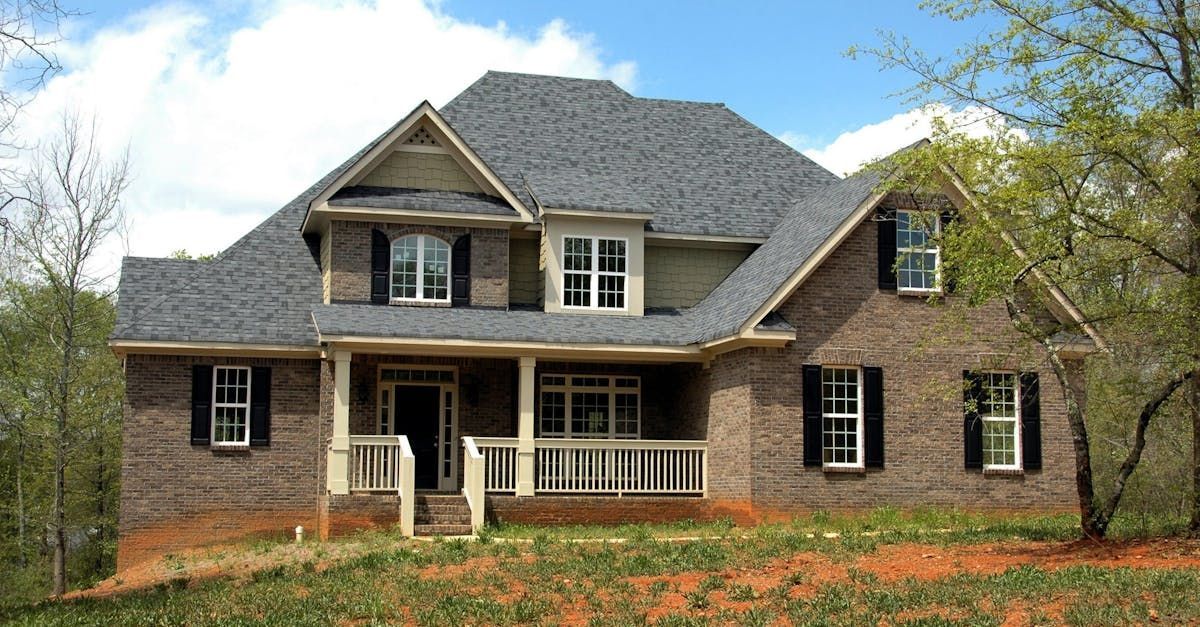
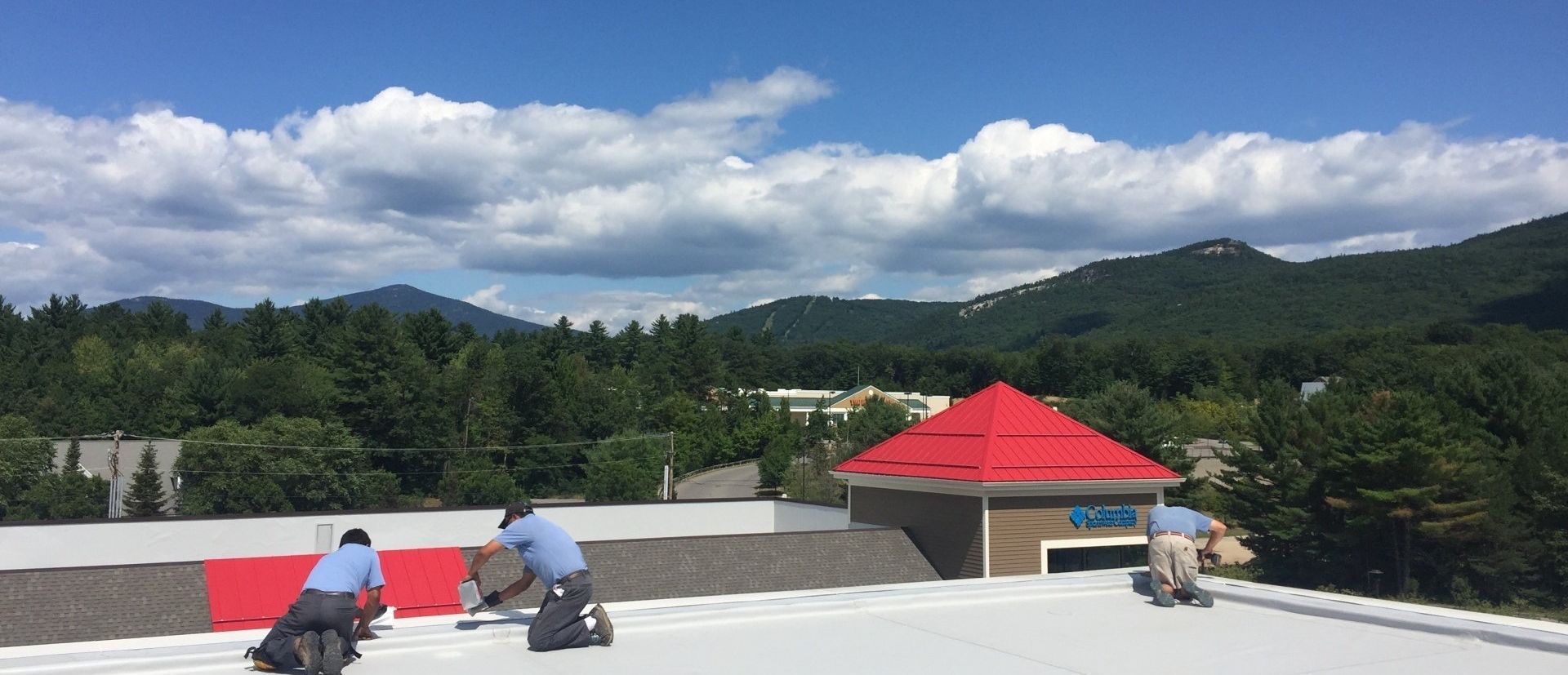
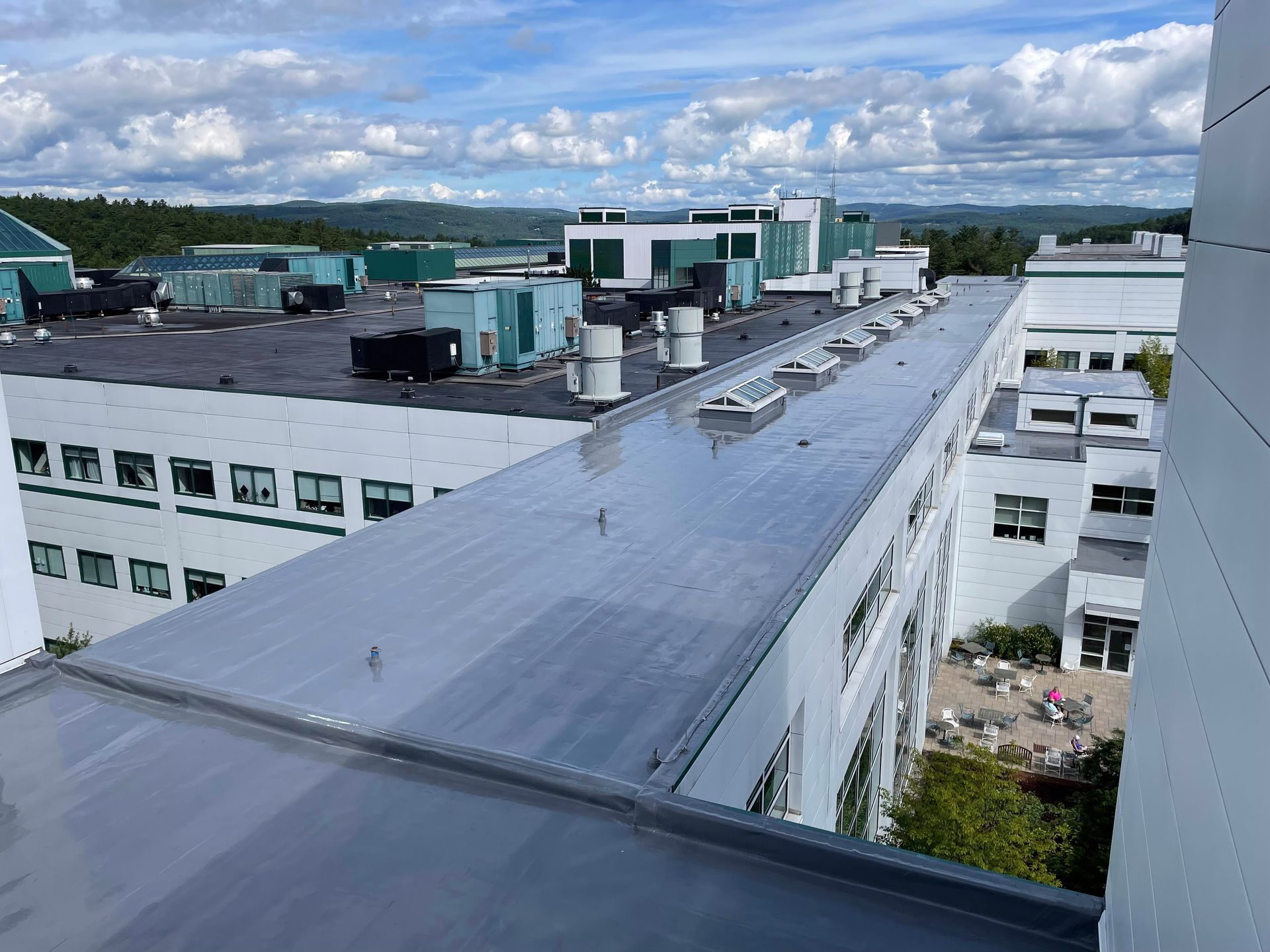
A thermoplastic polyolefin (TPO) roof is a single-ply membrane made from a combination of polypropylene and ethylene-propylene rubber polymerized together. It is one of the most popular flat roofing systems on the market today due to its affordability, energy efficiency, and durability. TPO roofs are often used for commercial buildings and industrial facilities, but they can also be used for residential homes.
Advantages of TPO Roofs:
TPO roofs offer many advantages over other types of flat roofing systems. One of the main benefits is that they are highly energy efficient. TPO roofs are designed to reflect heat away from the building, which helps reduce cooling costs in the summer months. Additionally, they are lightweight and easy to install, making them an ideal choice for many different types of buildings. They also have excellent resistance to chemicals, ultraviolet rays, and ozone degradation, making them an ideal choice for industrial applications as well. Finally, TPO roofs have excellent puncture resistance and can withstand extreme temperatures without cracking or splitting.
Disadvantages of TPO Roofs:
TPO roofing is a popular choice for its durability and energy efficiency, but it has some drawbacks when it comes to aesthetics. The limited color options of white, grey, and tan can be a disadvantage for those who want a more unique or customized look. Additionally, TPO roofing is prone to discoloration over time due to exposure to UV rays and pollution, which can make it look unsightly. The visible seams created during installation can detract from the appearance of the roof, and TPO roofing may not be suitable for complex roof designs. Finally, the modern look of TPO roofing may not match the style of a building with a traditional or historic aesthetic. Overall, those who have specific aesthetics in mind for their roof may want to consider other roofing materials.
Maintenance Tips for TPO Roofs:
Maintaining a TPO roof system requires regular inspections and repairs when necessary in order to ensure its longevity and effectiveness over time. It’s important to inspect your roof regularly for any signs of damage such as tears or punctures that could lead to leaks if left unchecked. Additionally, it’s important to clean your roof periodically in order to remove any dirt or debris that could cause damage over time if left unchecked. Finally, it’s important to repair any minor damages as soon as possible in order to prevent further damage from occurring down the line.
Conclusion:
Overall, a thermoplastic polyolefin (TPO) roof system is an excellent choice for many different types of buildings due its energy efficiency, durability, lightweight design, and resistance against chemicals and ultraviolet rays. However, it’s important to keep in mind that these roofs require regular maintenance in order to ensure their longevity over time so make sure you inspect your roof regularly for any signs of damage or debris buildup that could lead to further issues down the line if left unchecked!