Patching Vs. Reroofing Pros & Cons
Comparing Patching & Reroofing: What Makes Sense For You?
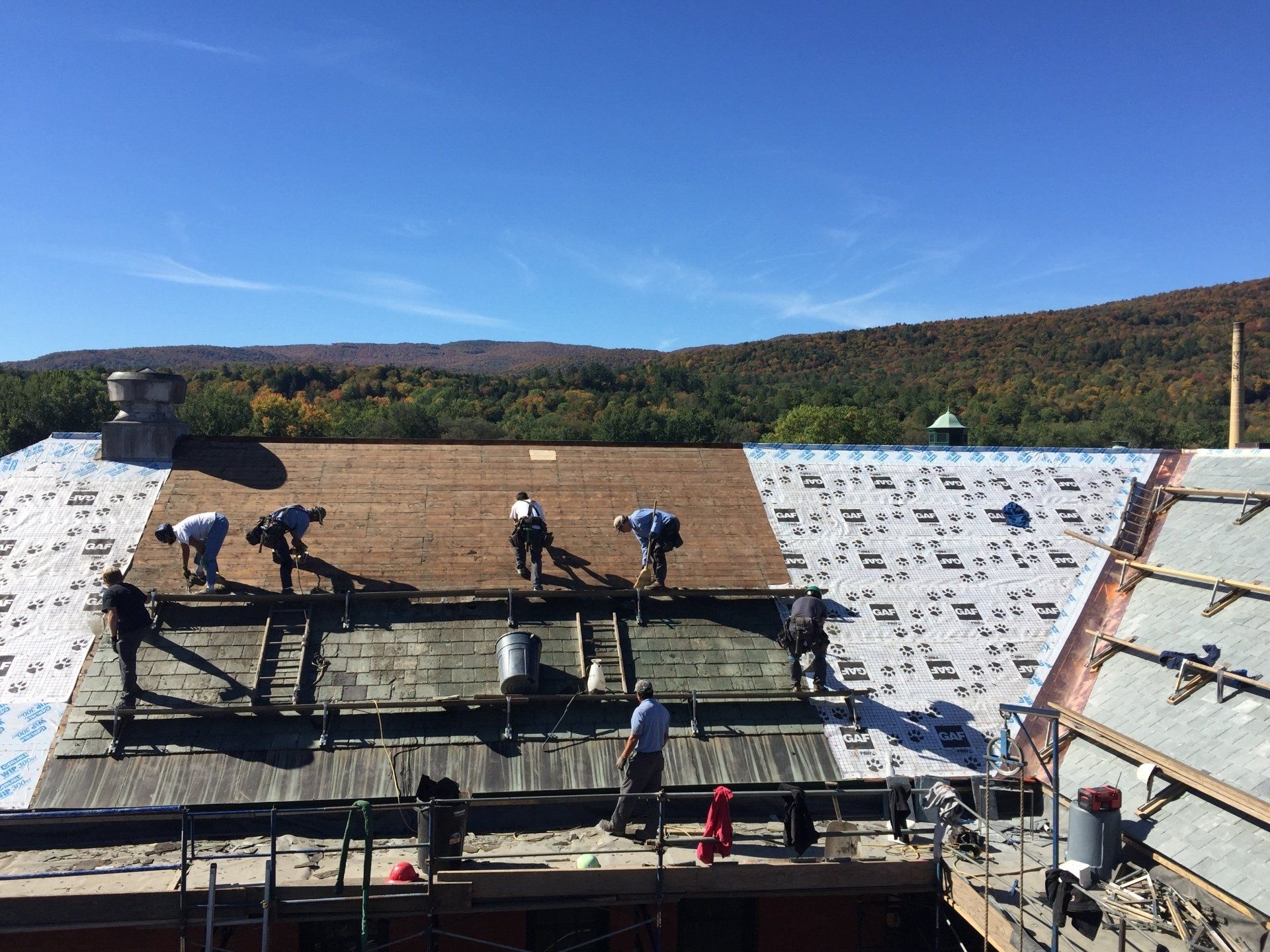
When it comes to roofing repairs, homeowners often face a difficult decision between patching their roof or opting for a complete reroofing. Both options have their pros and cons, and choosing the right one depends on several factors such as the extent of the damage, the age of the roof, and your budget. In this blog post, we'll compare the benefits and drawbacks of patching vs. reroofing, helping you make an informed decision.
Patching Your Roof:
Pros:
- Cost-Effective: Patching is often a more cost-effective option than reroofing, particularly for minor damage. If the damage is limited to a small area, patching may be the most practical and economical solution.
- Quick Turnaround: Patching typically requires less time and labor than reroofing. A professional roofing contractor can often patch a damaged area within a few hours, depending on the extent of the damage.
- Minimal Disruption: Since patching involves repairing only the damaged area, it causes minimal disruption to your daily routine. You can continue to use your home while the repairs are being carried out.
Cons:
- Limited Lifespan: While patching can be a quick fix, it may only extend the lifespan of your roof by a few years. If your roof is already nearing the end of its life, patching may not be a long-term solution.
- Aesthetic Issues: A patched roof may not match the rest of your roof's appearance, which can detract from your home's curb appeal. This can be particularly problematic if you plan to sell your home in the future.
- Potential for Future Issues: If the underlying cause of the damage is not addressed during the patching process, it may lead to future issues that require more extensive repairs.
Fully Reroofing:
Pros:
- Increases Lifespan: Reroofing involves installing a new roof, which can increase its lifespan by several decades, depending on the materials used.
- Aesthetic Appeal: A new roof can significantly enhance your home's appearance, increasing its value and curb appeal.
- Address Underlying Issues: Reroofing provides an opportunity to address any underlying issues that may be causing damage to your roof. This can prevent future problems and save you money in the long run.
Cons:
- Higher Cost: Reroofing is a more expensive option than patching. The cost can vary depending on the size of your roof, the materials used, and other factors.
- Longer Timeframe: Reroofing is a more time-consuming process than patching. It may take several days or weeks, depending on the size of your roof and other factors.
- Disruption to Daily Routine: Reroofing can cause significant disruption to your daily routine.
Every Roof Is Unique
Both patching and reroofing have their pros and cons, and choosing the right option depends on several factors. If the damage is minor and your roof is relatively new, patching may be the most practical and cost-effective solution. However, if your roof is approaching the end of its life or has extensive damage, reroofing may be a better option. It's essential to consult with a professional roofing contractor to assess the extent of the damage and provide expert advice on the best course of action. By making an informed decision, you can ensure your roof is repaired or replaced correctly, protecting your home and investment for years to come.
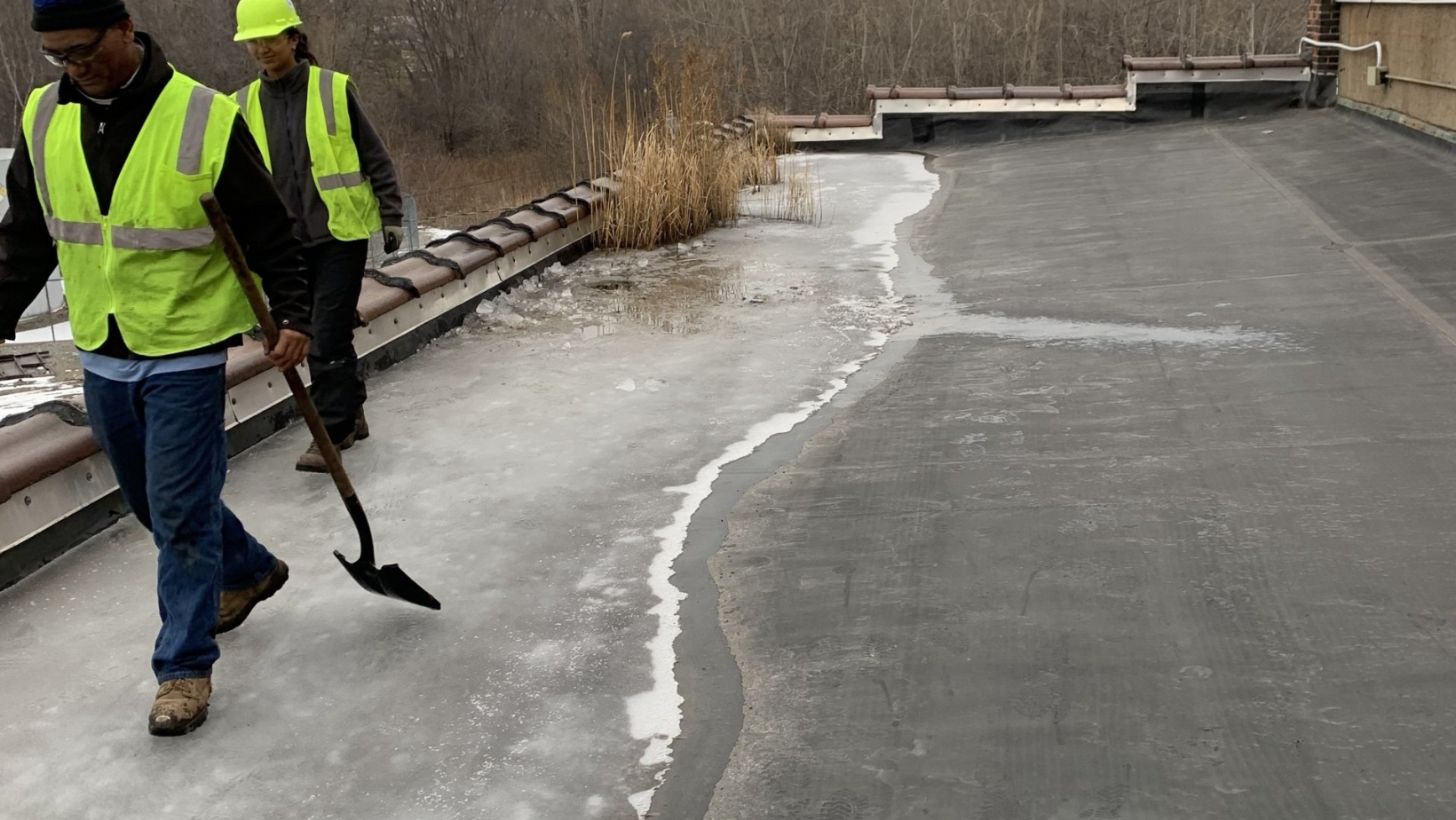
Learn how Vermont’s repeated freeze-thaw cycles can damage your roof and why preventative inspections and maintenance can help protect your property.
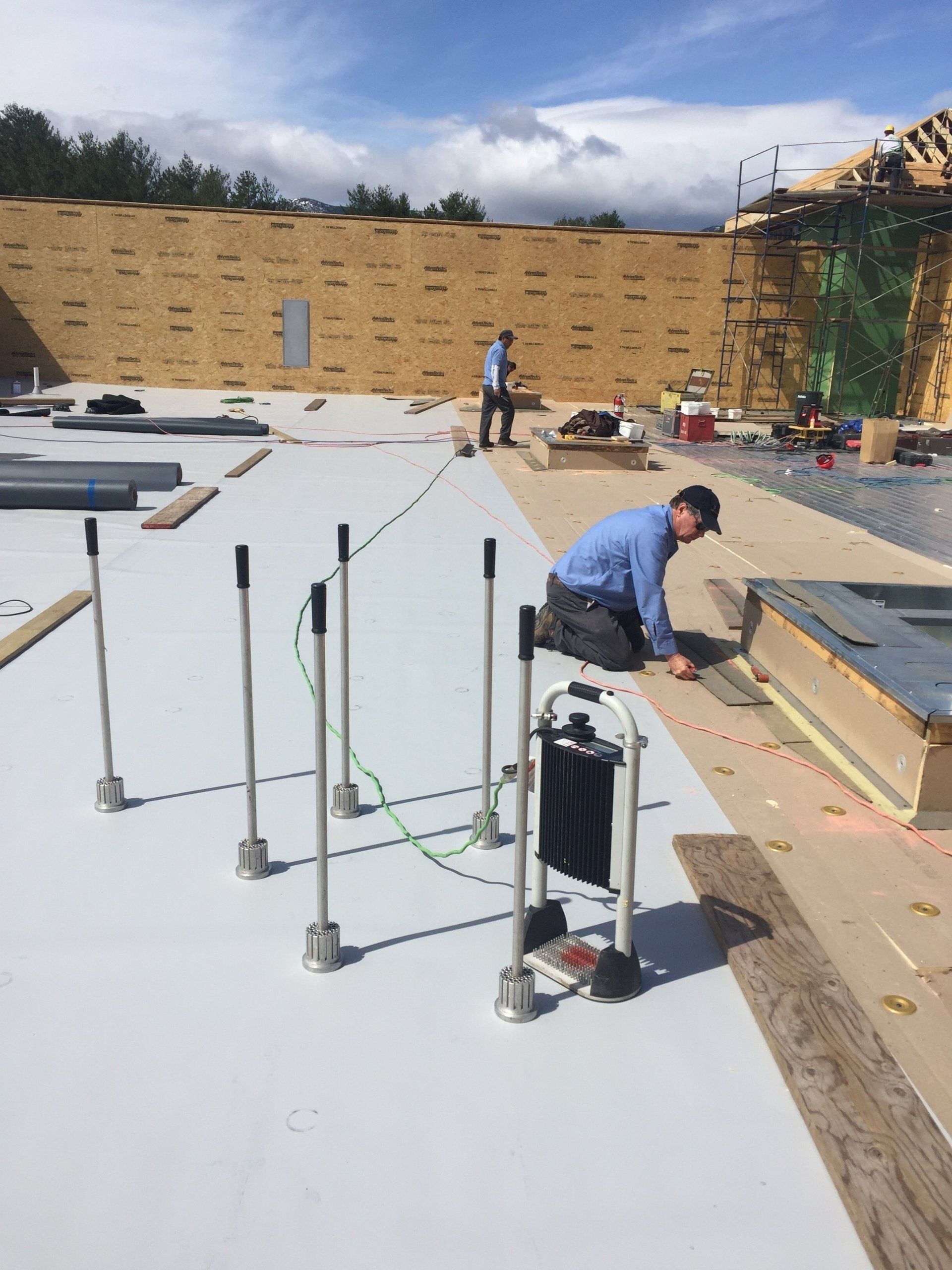
Compare EPDM, TPO, and PVC single-ply roofing systems to understand their benefits and determine which option best fits your commercial building.
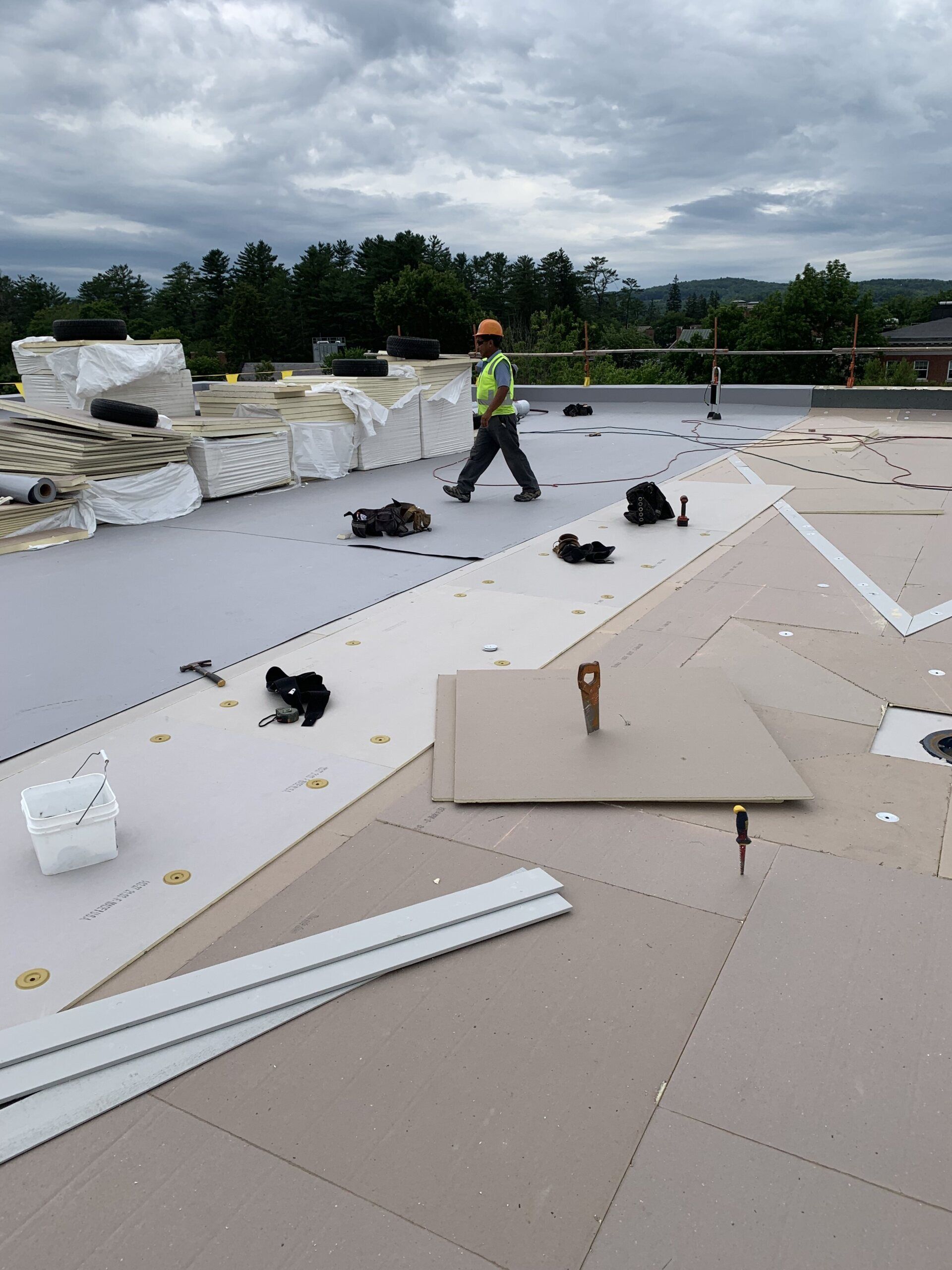
Learn how proactive commercial roof maintenance helps Vermont property managers prevent costly repairs, extend roof life, and protect their buildings year-round.
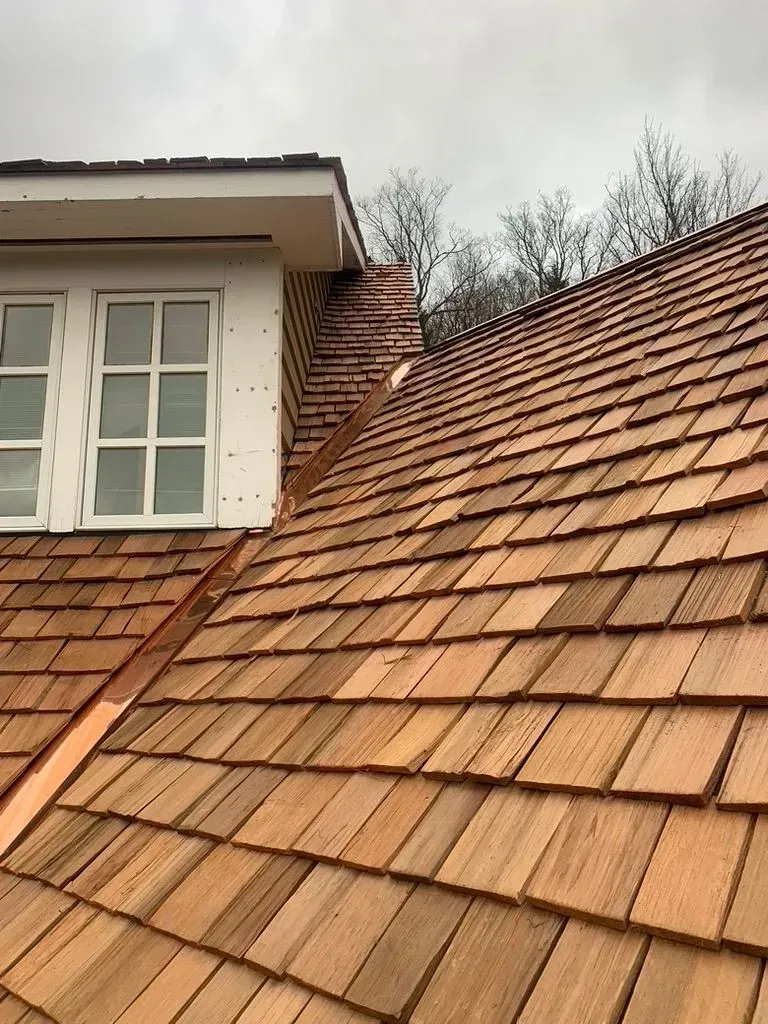
Learn how commercial roof inspection reports, maintenance records, and repair history can support warranties, budgeting, insurance, and long-term roof planning.
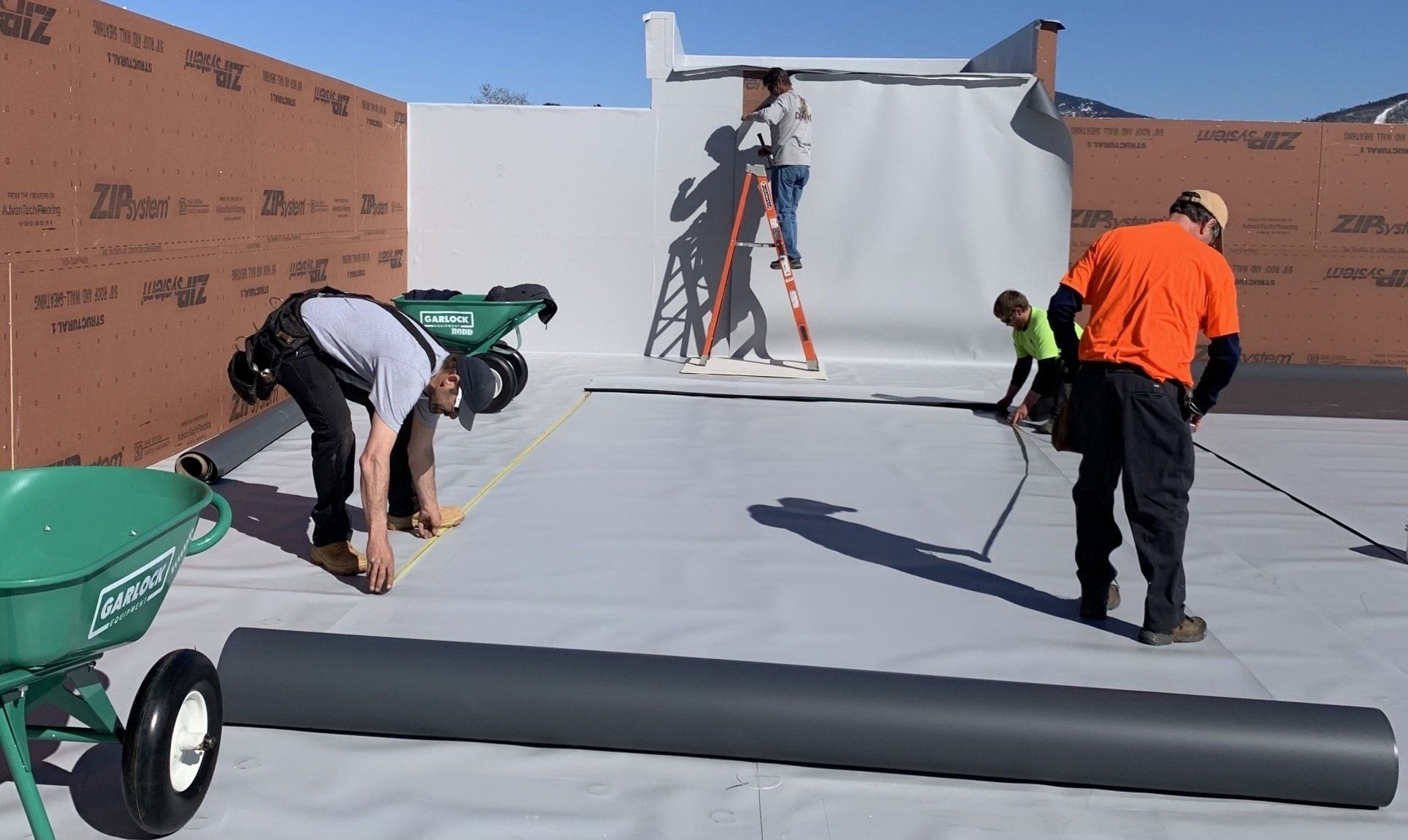
Learn how large commercial roofing projects are planned, from site evaluations and materials to safety, scheduling, and long-term maintenance in VT & NH.
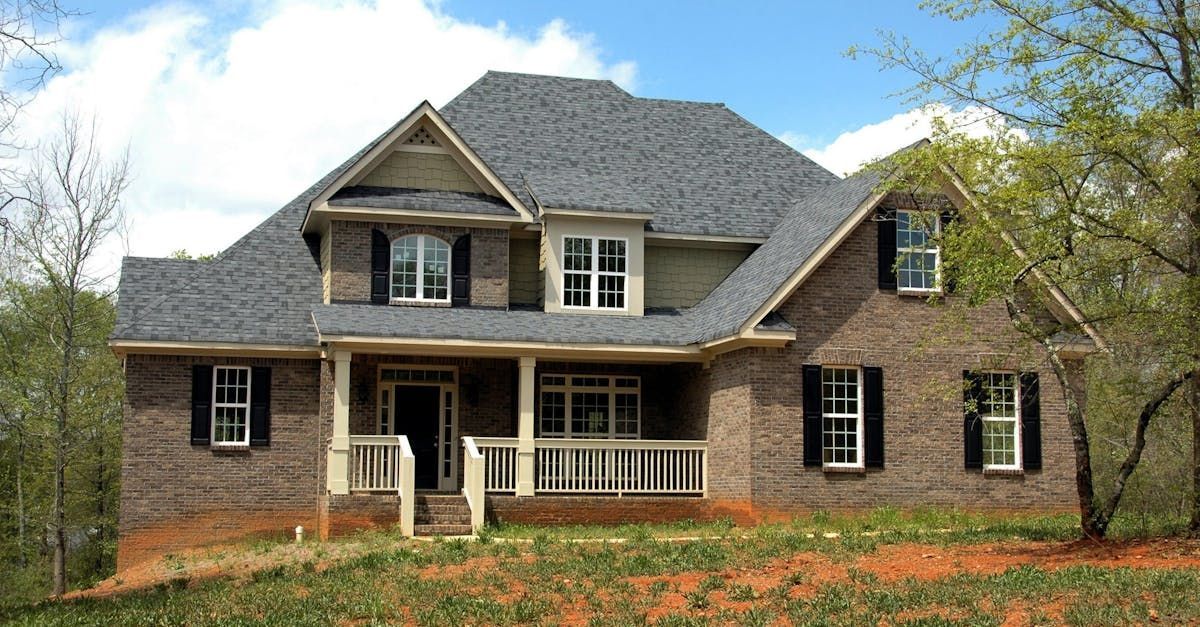
Learn why roof valleys are prone to leaks, debris, and ice damage, plus warning signs Vermont homeowners should watch for before winter.
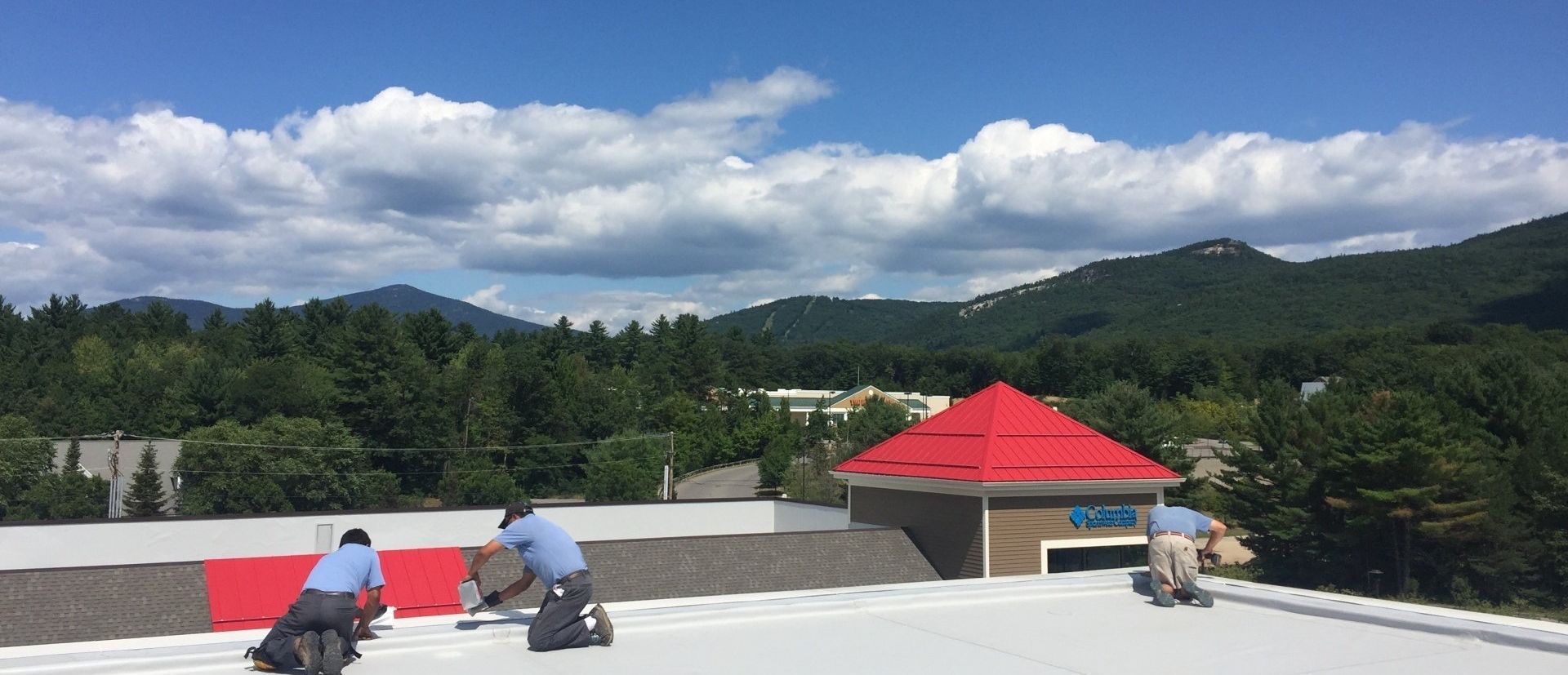
What happens during commercial roof maintenance? Learn how roofers inspect membranes, flashing, seams, drainage, and penetrations in VT & NH.
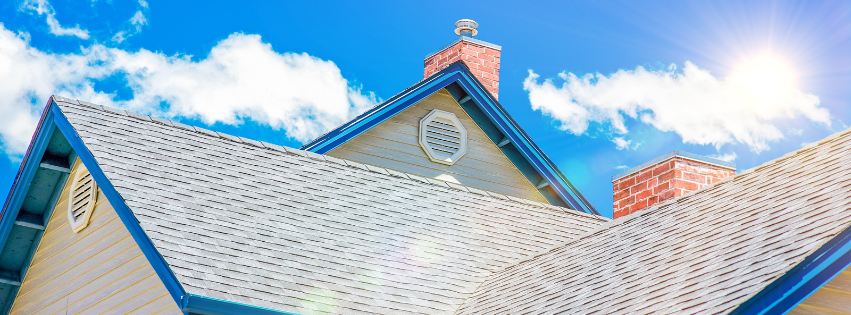
Learn how proper roof ventilation controls attic heat and moisture, supports energy efficiency, and helps protect your roof throughout the year.
August is the ideal time to assess your commercial roof, plan capital improvements, reduce emergency costs, and budget accurately for next year with Rodd Roofing.
Learn how overhanging branches, shade, leaves, and animals can damage your roof—and why late-summer tree maintenance helps protect your home.