
Rain Gutter Spring Maintenance
Tips & Tricks For Maintaining Your Rain Gutters After Winter

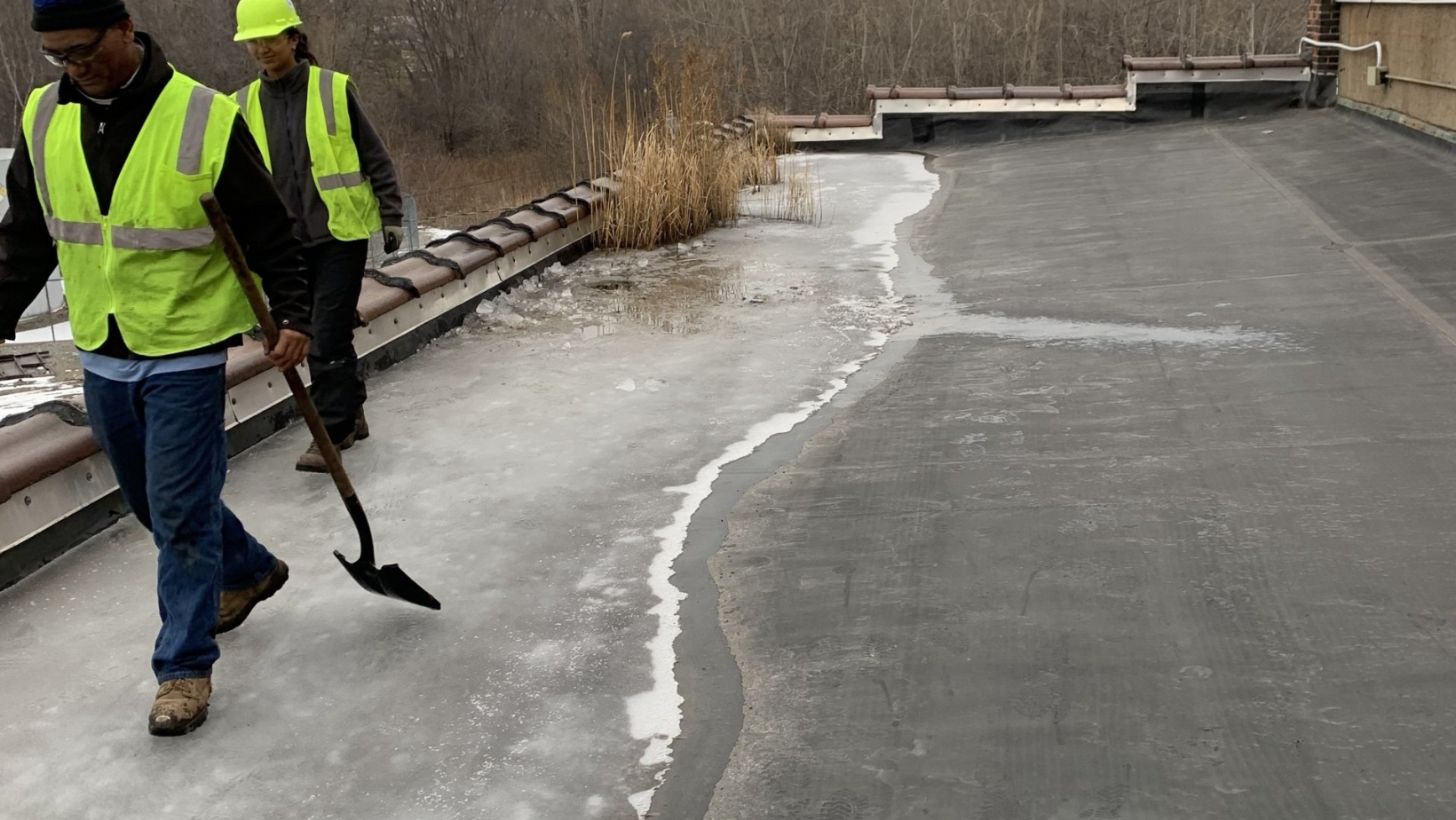
Rain gutters are an essential component of any roofing system. They work to redirect rainwater away from your home, preventing water damage and other related problems. However, just like any other part of your home, your rain gutters require regular maintenance to keep them functioning optimally. Spring is the perfect time to carry out some necessary maintenance tasks to ensure your rain gutters are ready for the rainy season ahead.
Here are some essential tips for rain gutter spring maintenance:
Inspect & Clean Your Gutters
The first step in rain gutter maintenance is to inspect and clean them thoroughly. Over time, debris such as leaves, twigs, and dirt can accumulate in your gutters, blocking water flow and causing potential water damage to your home. You can use a ladder to access your gutters, remove any debris and flush them out with water. While doing this, check for any leaks or damage to your gutters and downspouts. If you notice any issues, consider getting professional help to fix them.
Check For Corrosion & Rust
Gutters are typically made of materials such as aluminum or steel, which are prone to rust and corrosion over time. Spring is a good time to inspect your gutters for any signs of rust or corrosion, particularly around the joints and seams. If you notice any corrosion, it's essential to address it immediately to prevent further damage.
Trim Overhanging Trees
Overhanging trees can cause damage to your gutters, particularly during high winds or storms. To prevent this, it's crucial to trim back any branches that are hanging over your roof. This will also prevent leaves and other debris from falling into your gutters, reducing the risk of blockages and water damage.
Check Your Downspouts
Downspouts play a crucial role in directing water away from your home. Over time, they can become clogged or damaged, preventing water from flowing freely. It's essential to check your downspouts regularly and remove any debris that may have accumulated. If you notice any damage or leaks, consider replacing them or getting them repaired by a professional.
Install Gutter Guards
Gutter guards are an effective way to prevent debris from entering your gutters in the first place. They work by covering the top of your gutters, allowing water to flow freely while preventing leaves and other debris from entering. Installing gutter guards can save you time and money on gutter maintenance in the long run.
Don't Take Your Gutters For Granted!
Regular inspection, cleaning, and repair of your gutters, downspouts, and gutter guards will go a long way in preventing issues and prolonging the lifespan of your roofing system. If you're not comfortable carrying out these maintenance tasks yourself, consider hiring a professional to help you. With the right maintenance, your gutters will be ready to handle any rainy season ahead.