Choosing The Right Roof For Your Historic Home
What Roof Is Right For Your Historic Home?
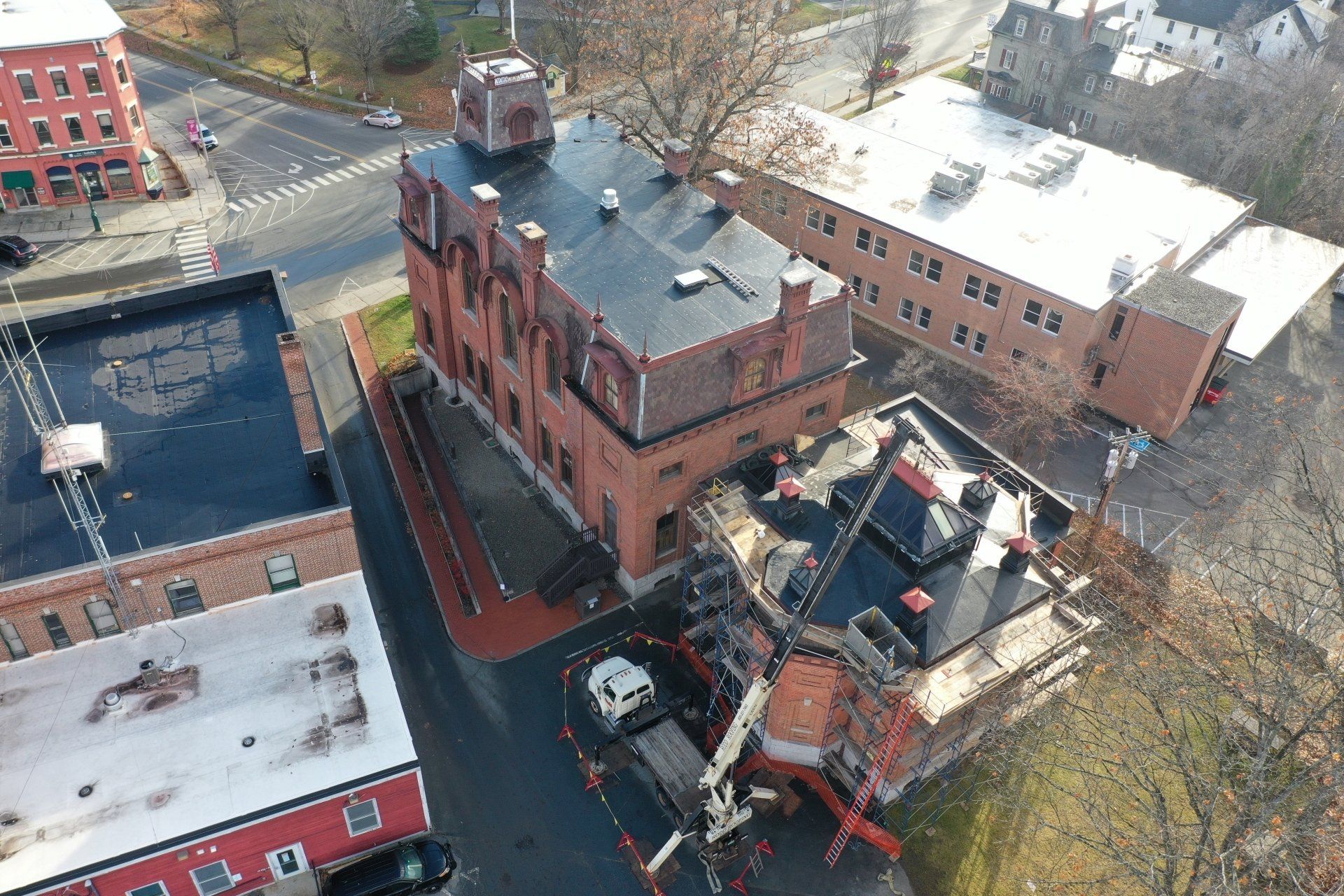
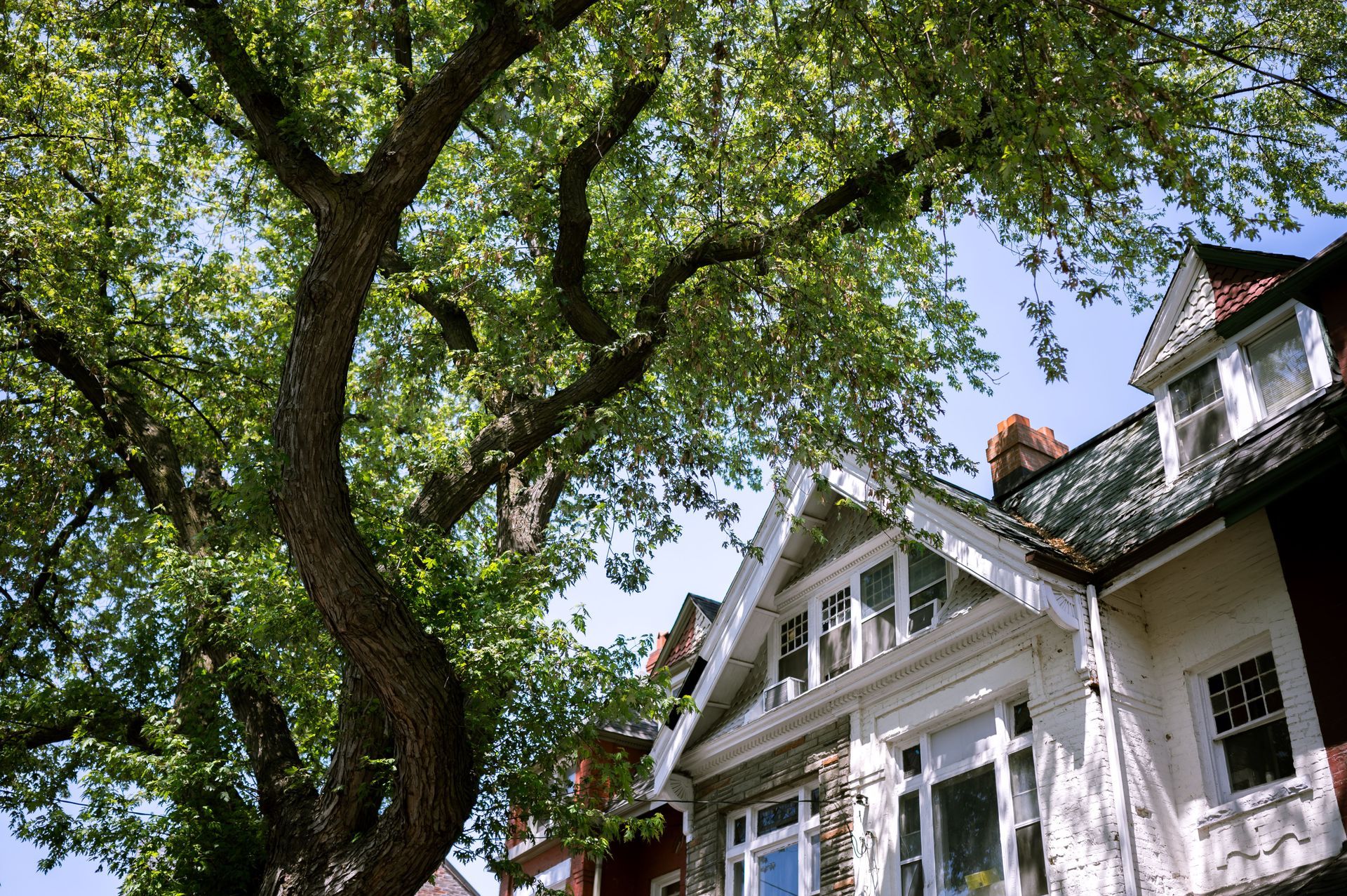
Choosing the right roof for a historic home or building is an important decision. Not only does the roof protect the structure from the elements, but it also plays a significant role in the home's overall aesthetic. When selecting a new roof for a historic home, there are several factors to consider. Let's explore the key considerations for choosing the best roof for your historic home!
Consider the Home's Architectural Style
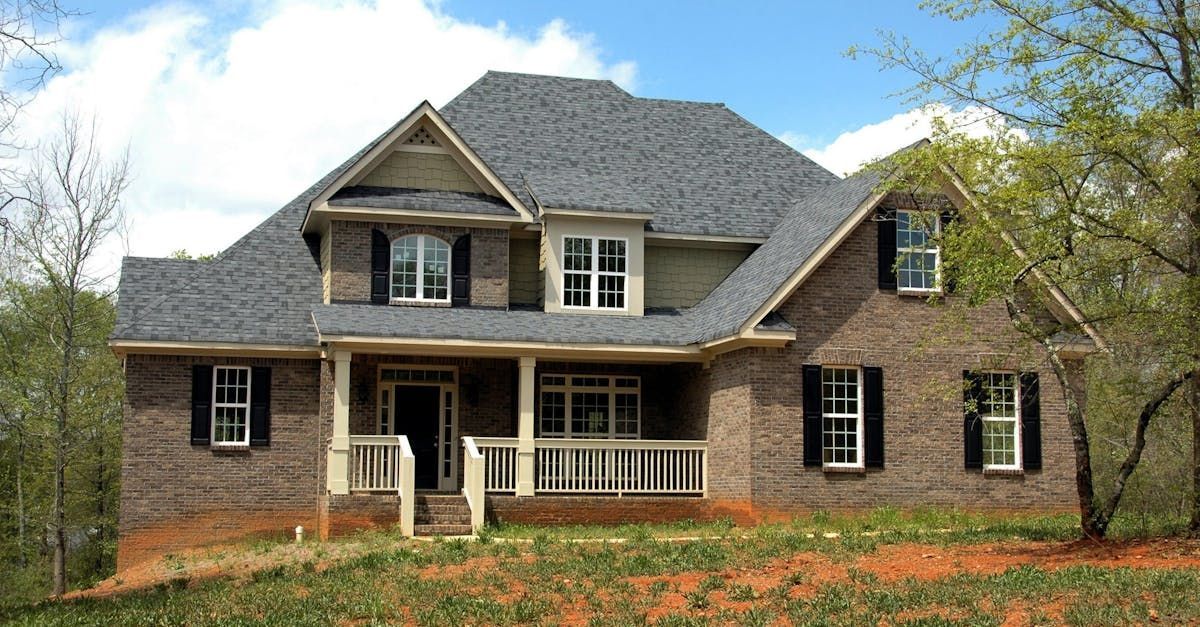
The first step in selecting a new roof for a historic home is to consider the home's architectural style. The roof should complement and enhance the overall aesthetic of the home. For example, a colonial-style home may feature a symmetrical roof with a steep pitch and dormers. In contrast, a craftsman-style home may have a low-pitch roof with exposed rafters and decorative brackets. By understanding the home's architectural style, you can choose a roof that not only protects the home but also enhances its visual appeal.
Choose a Material that Matches the Home's Era
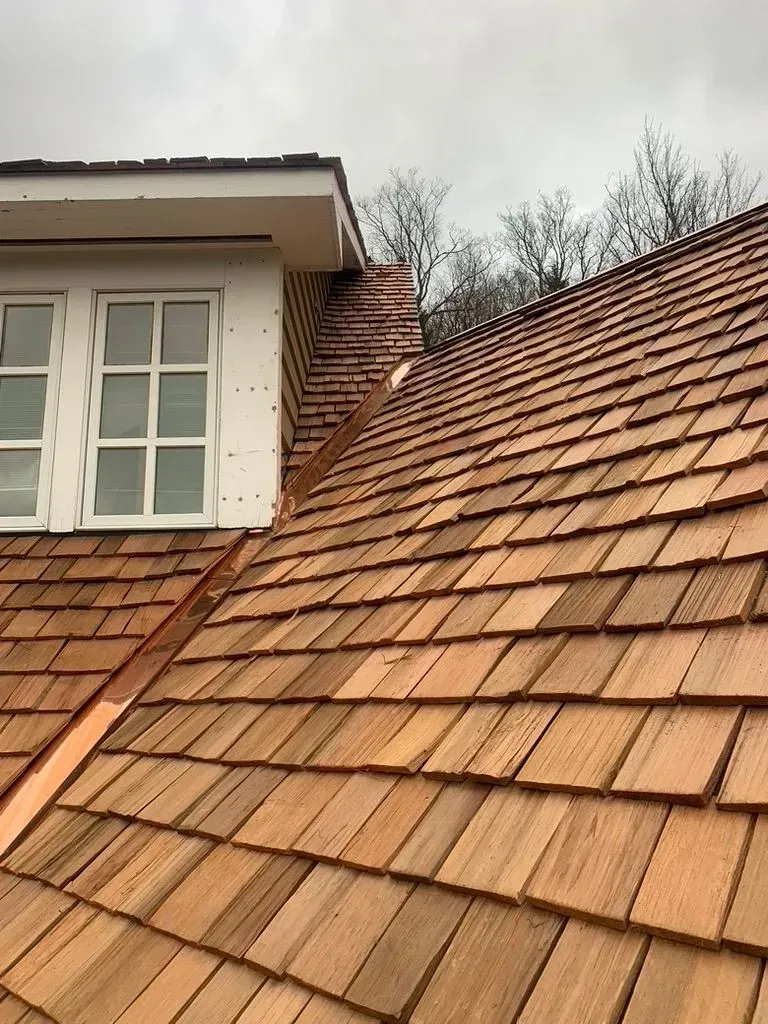
Another important consideration when choosing a new roof for a historic home is the material. It's important to choose a material that matches the era of the home. For example, if the home was built in the 1800s, a slate roof may be the best choice. Similarly, if the home was built in the early 1900s, a clay tile roof may be more appropriate. By choosing a roofing material that matches the home's era, you can ensure that the new roof blends seamlessly with the original design.
Consider Local Building Codes and Historic Preservation Guidelines
When selecting a new roof for a historic home, it's important to consider local building codes and historic preservation guidelines. Many communities have specific guidelines for historic homes to ensure that any updates are in line with the home's original design. For example, a historic district may require that all homes in the district have a certain type of roof or roofing material. By understanding these guidelines, you can choose a roof that not only enhances the home's design but also meets the necessary regulations.
Evaluate Durability and Maintenance Requirements
When selecting a new roof for a historic home, it's important to evaluate the durability and maintenance requirements of each roofing material. Some materials, such as slate or clay tile, are incredibly durable and can last for over a century. However, they may require more maintenance than other materials. For example, slate roofs may need to be inspected and repaired more frequently than a metal roof. By evaluating the durability and maintenance requirements of each material, you can choose a roof that fits your budget and maintenance needs.
Consider Energy Efficiency
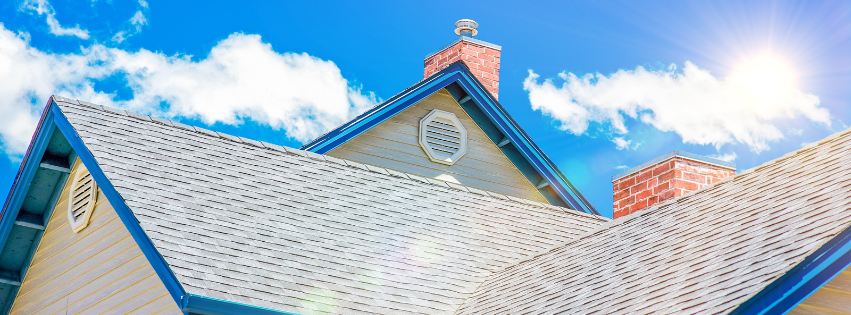
Energy efficiency is another important consideration when choosing a new roof for a historic home. A well-insulated roof can help regulate the temperature of the home, reducing the need for heating and cooling. This not only helps lower energy bills but also reduces the home's carbon footprint. Some roofing materials, such as metal or asphalt shingles, can be coated with reflective materials that help reflect sunlight and reduce heat absorption. By choosing an energy-efficient roof, you can make your historic home more comfortable and environmentally friendly.
Work With A Professional Roofer
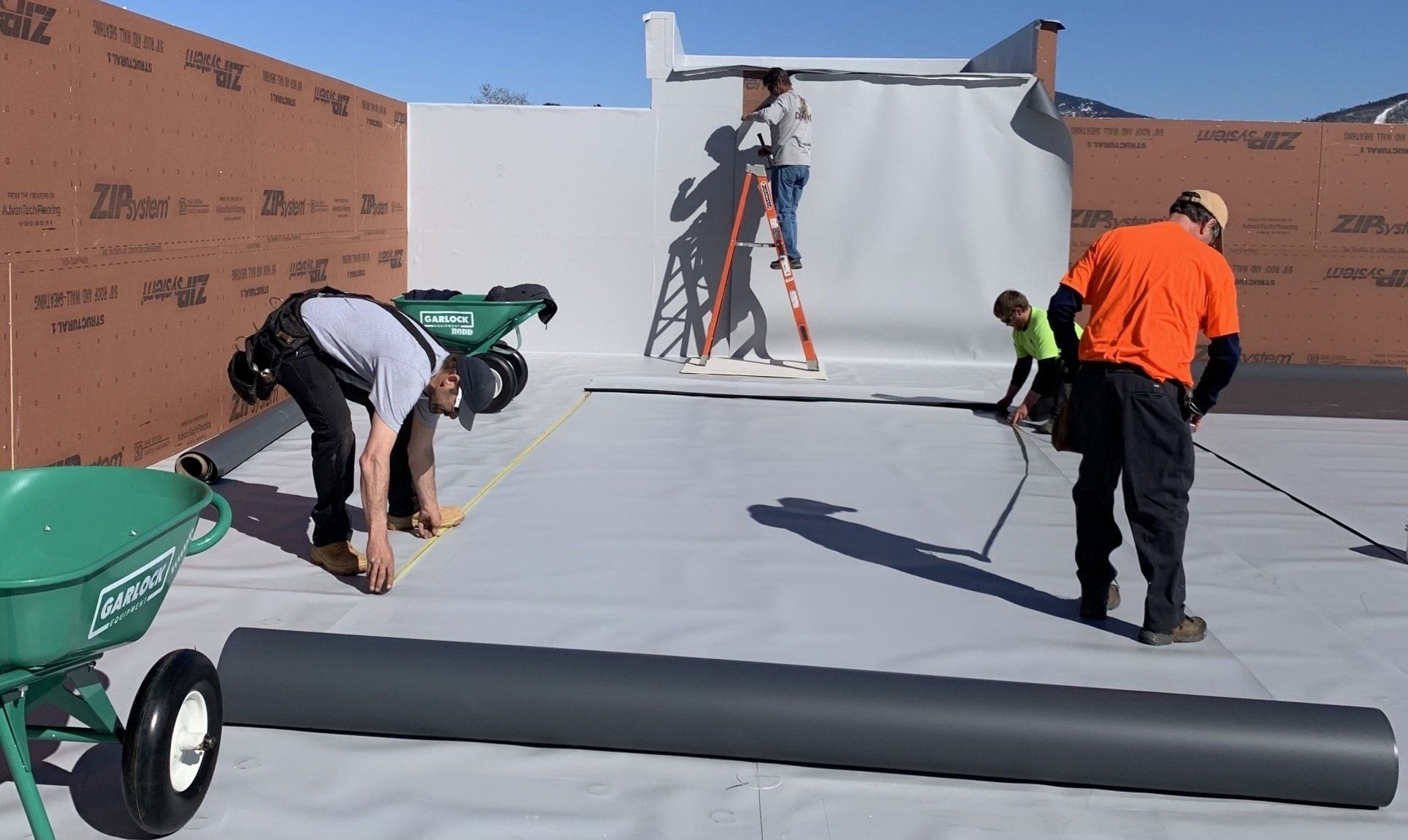
Finally, when choosing a new roof for a historic home, it's important to work with a professional roofing contractor. A skilled contractor will have experience working with historic homes and can help you choose the best roof for your specific needs. They can also help ensure that the new roof meets local building codes and historic preservation guidelines. By working with a professional, you can ensure that your historic home is protected with a roof that complements its design and era.
We're Here To Help!
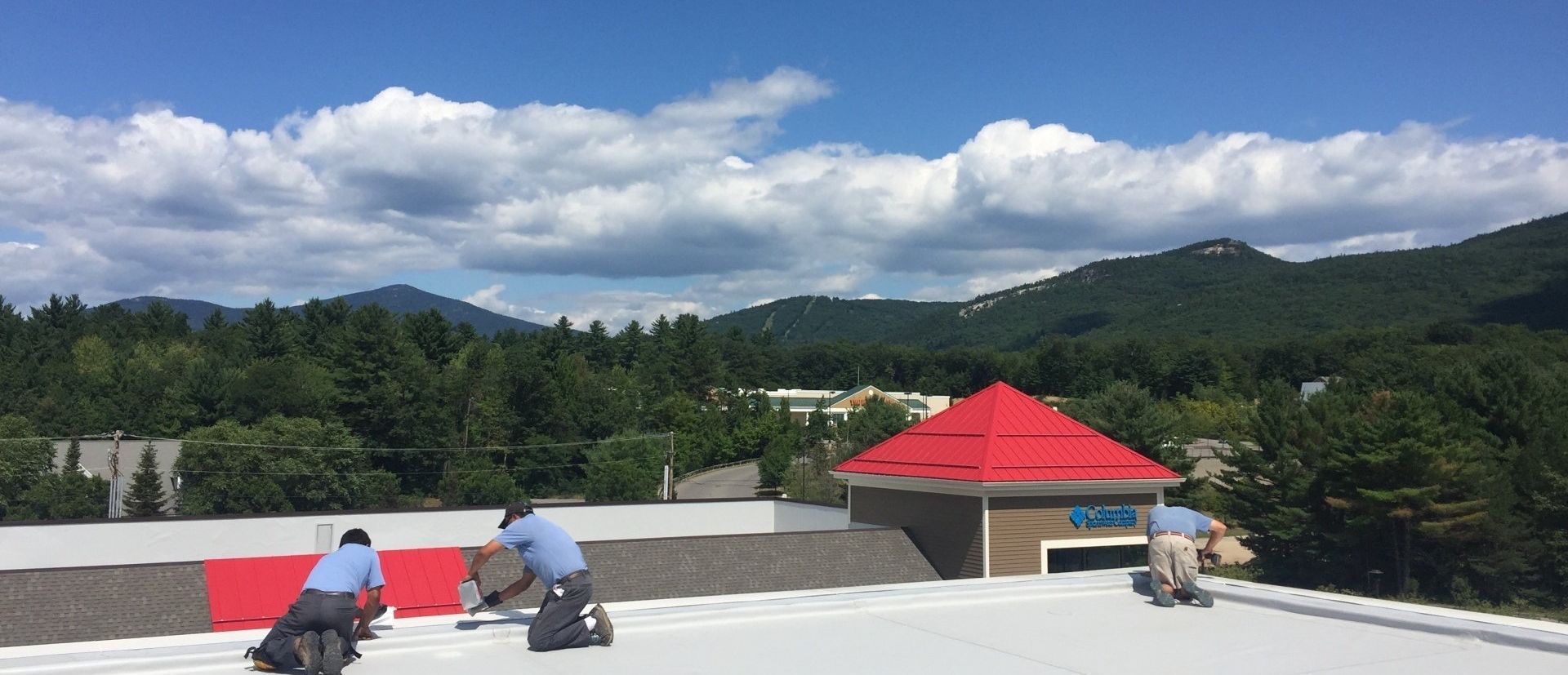
Choosing the best roof for your historic home requires careful consideration of several factors. At Rodd Roofing, we understand the importance of selecting the best roof for your historic home. Our experienced team of roofing experts can help guide you through the selection process and provide professional installation services to ensure a quality finished product. We offer a wide range of roofing materials to choose from and can help you find the perfect fit for your historic home. We have the expertise and experience to help you make an informed decision and provide quality installation services to ensure that your historic home is protected with a roof that enhances its design and era. Contact us today to learn more about our roofing services and how we can help you with your historic home.