Most Common Causes of Roof Leaks

What Makes A Roof Leak?
A leaky roof can be a homeowner's nightmare, causing extensive damage and leading to costly repairs if left unattended. Understanding the common causes of roof leaks is crucial for maintaining the integrity of your home and ensuring its protection against the elements. In this post, we'll explore the primary culprits behind those unwelcome drips and discuss how to prevent them.
Damaged or Missing Shingles
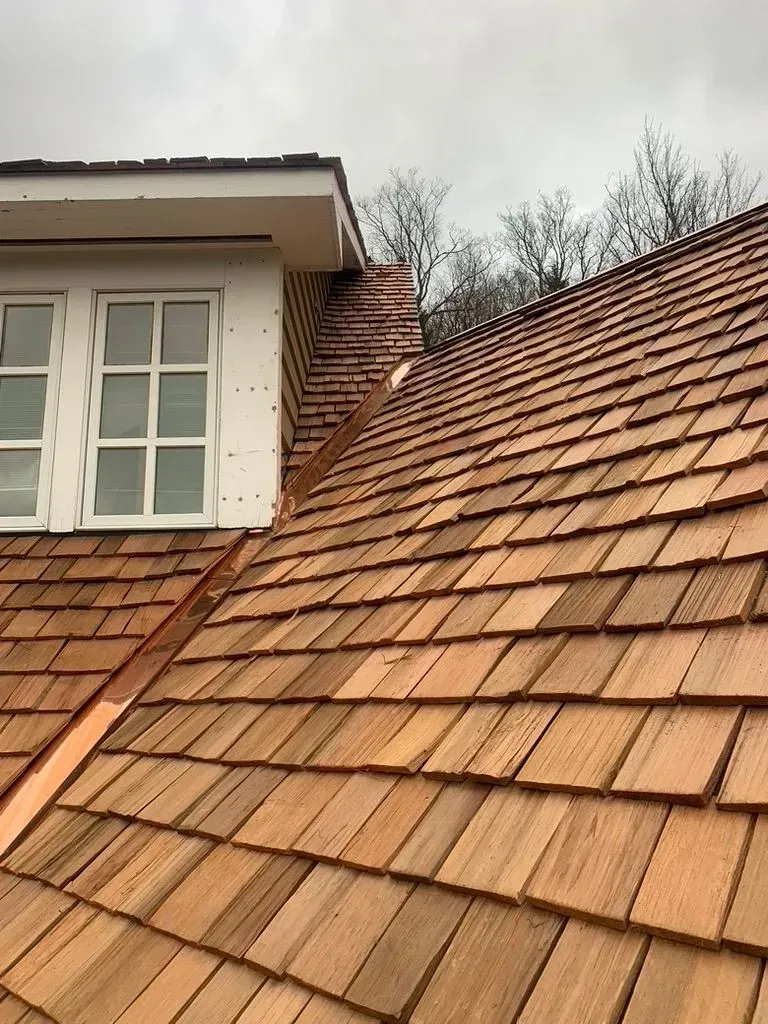
Shingles are the first line of defense against rain, wind, and other weather elements. Over time, exposure to the elements can cause shingles to deteriorate, crack, or even go missing. Damaged or missing shingles create vulnerable spots where water can seep through. Regular inspections and timely shingle replacements are essential to keep your roof watertight.
Improper Installation
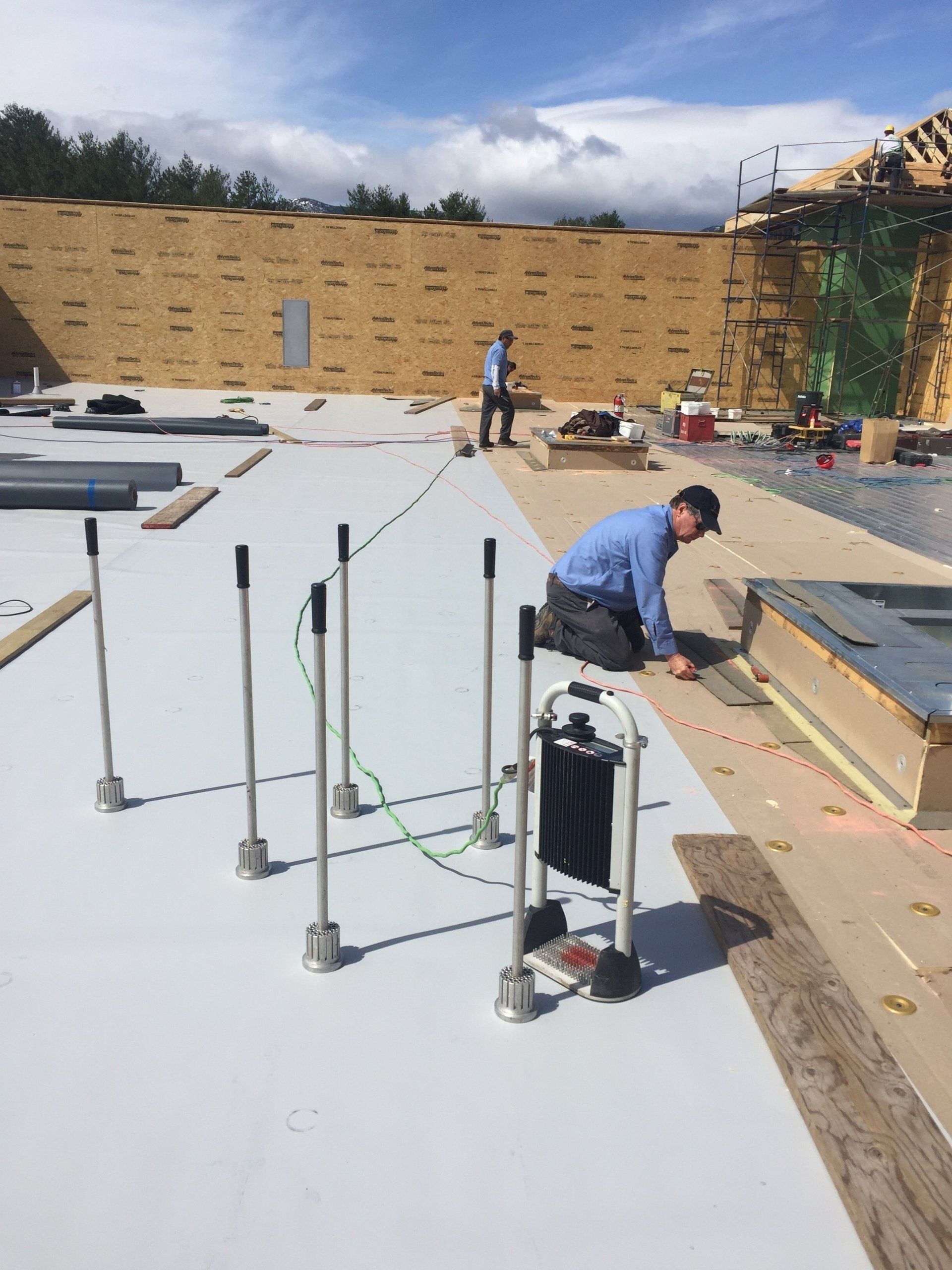
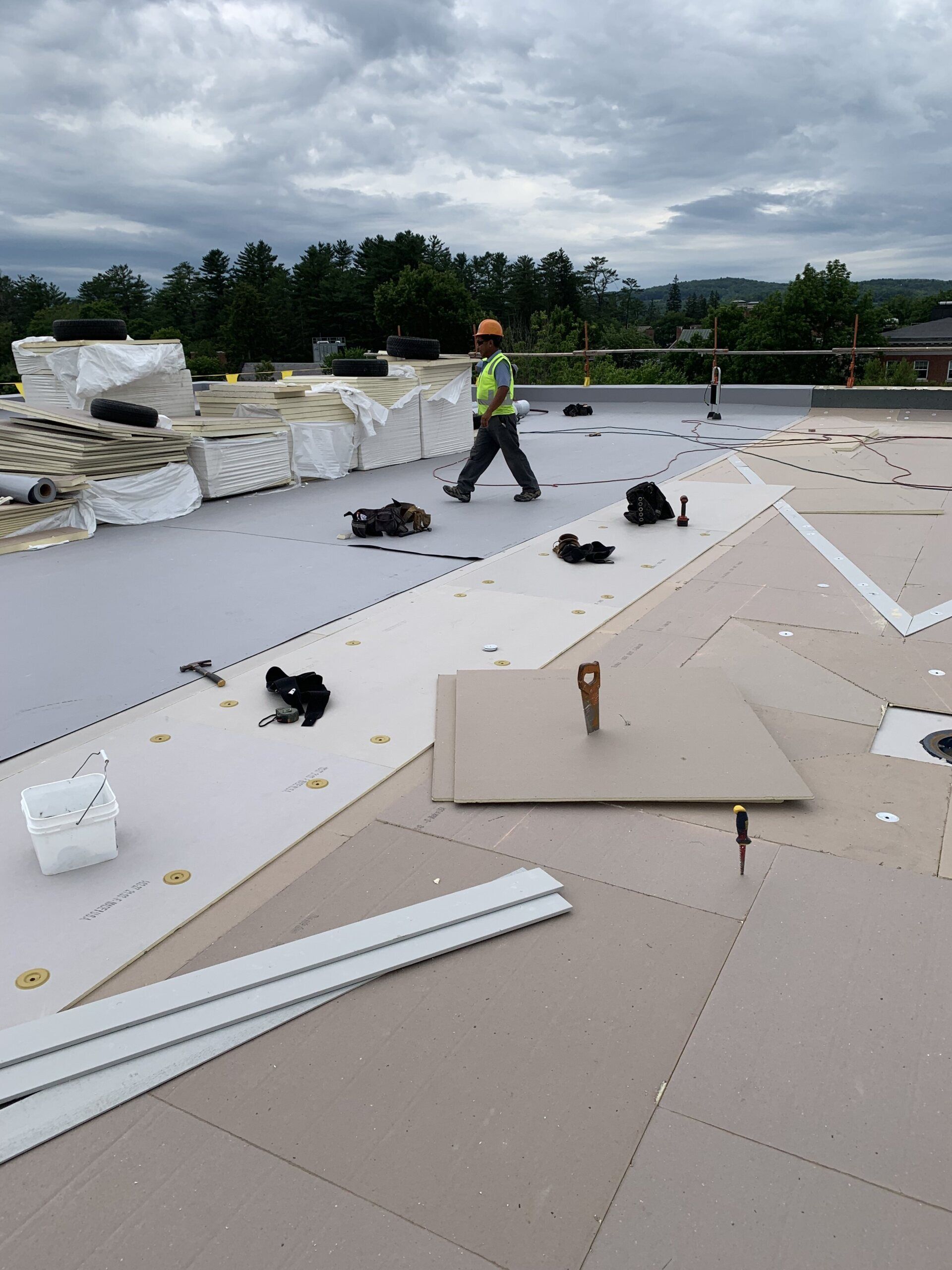
A roof is a complex system that requires precise installation. If it's not done correctly, even the best-quality materials can't guarantee protection. Common installation errors include inadequate sealing around vents, skylights, and chimneys, as well as improper flashing installation. Hiring a professional roofing contractor with a proven track record ensures that your roof is installed correctly from the outset.
Clogged Gutters & Downspouts
Gutters and downspouts play a critical role in directing water away from your roof and foundation. When they become clogged with leaves, debris, or dirt, water can accumulate and find its way beneath the roof's surface. Regular gutter cleaning and maintenance prevent water overflow and subsequent leaks.
Flashing Failures
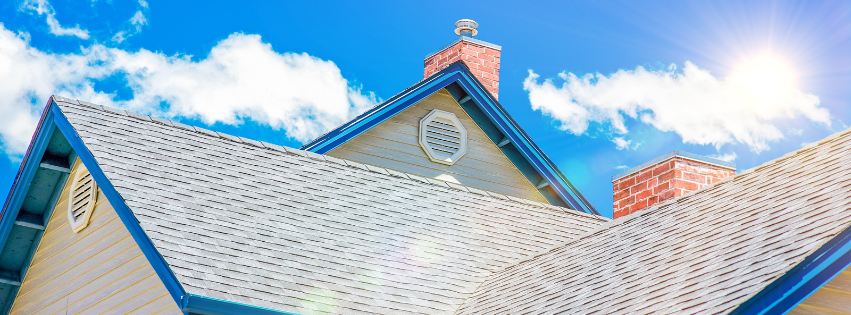
Flashing is a thin material installed at joints and angles on your roof, such as around chimneys, vents, and skylights. Its purpose is to provide an extra layer of protection against water infiltration. If flashing is improperly installed, damaged, or corroded over time, it can create vulnerable areas that allow water to penetrate. Inspecting and maintaining your flashing system can prevent leaks from forming.
Condensation & Poor Ventilation
Attics require proper ventilation to prevent moisture buildup. When warm, moist air from inside your home rises and meets a cold attic space, condensation can form. Over time, this can lead to rot, mold growth, and structural damage. Proper attic ventilation helps maintain a balanced environment that prevents condensation-related issues and safeguards your roof's integrity.
Ice Dams
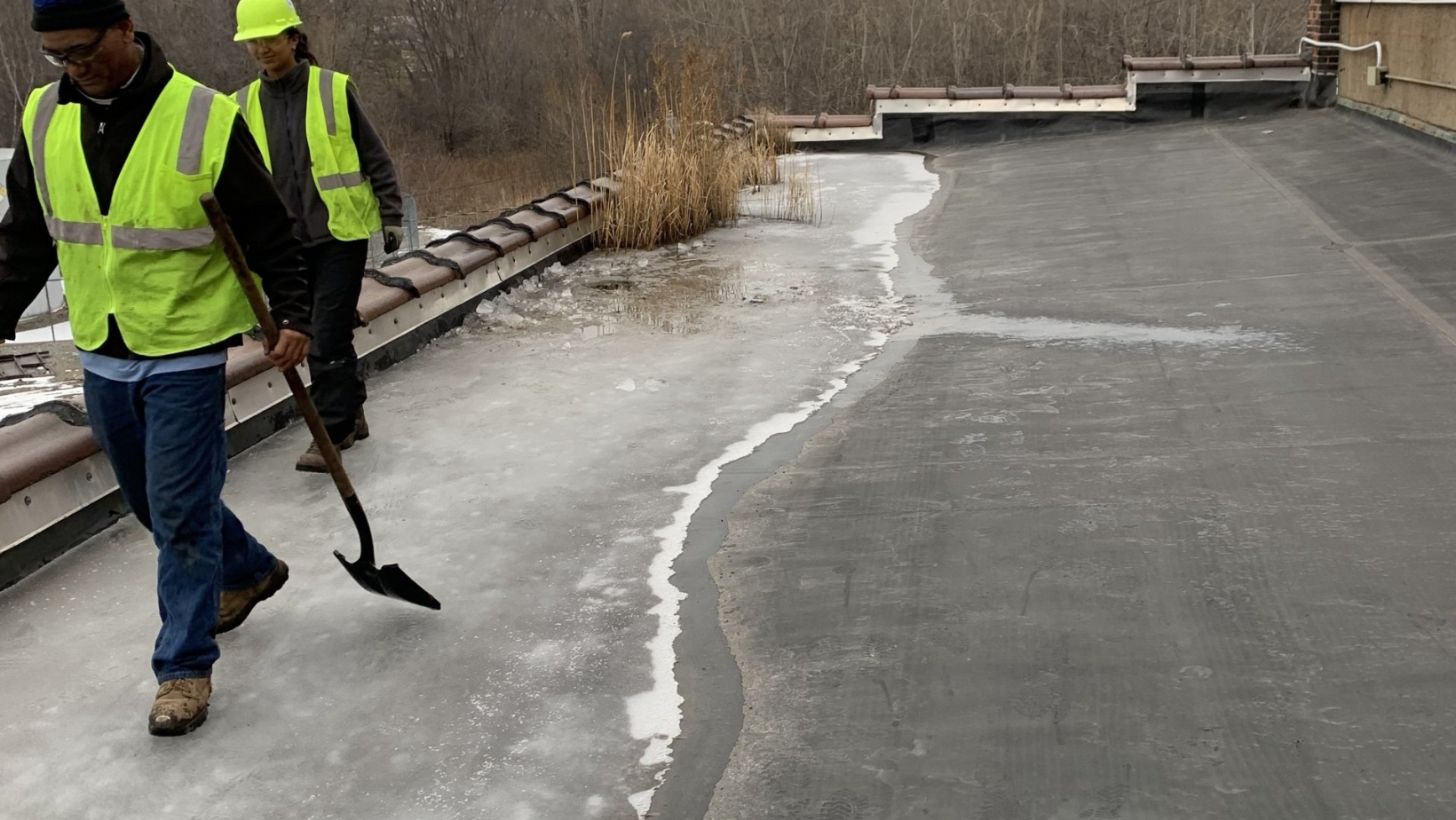
In colder climates, ice dams are a common cause of roof leaks. These occur when melting snow refreezes at the edge of the roof, forming a dam that prevents proper drainage. As more snow melts, the trapped water can seep beneath shingles, causing leaks. Proper insulation, attic ventilation, and clearing snow buildup can prevent ice dams from forming.
Tree & Debris Damage
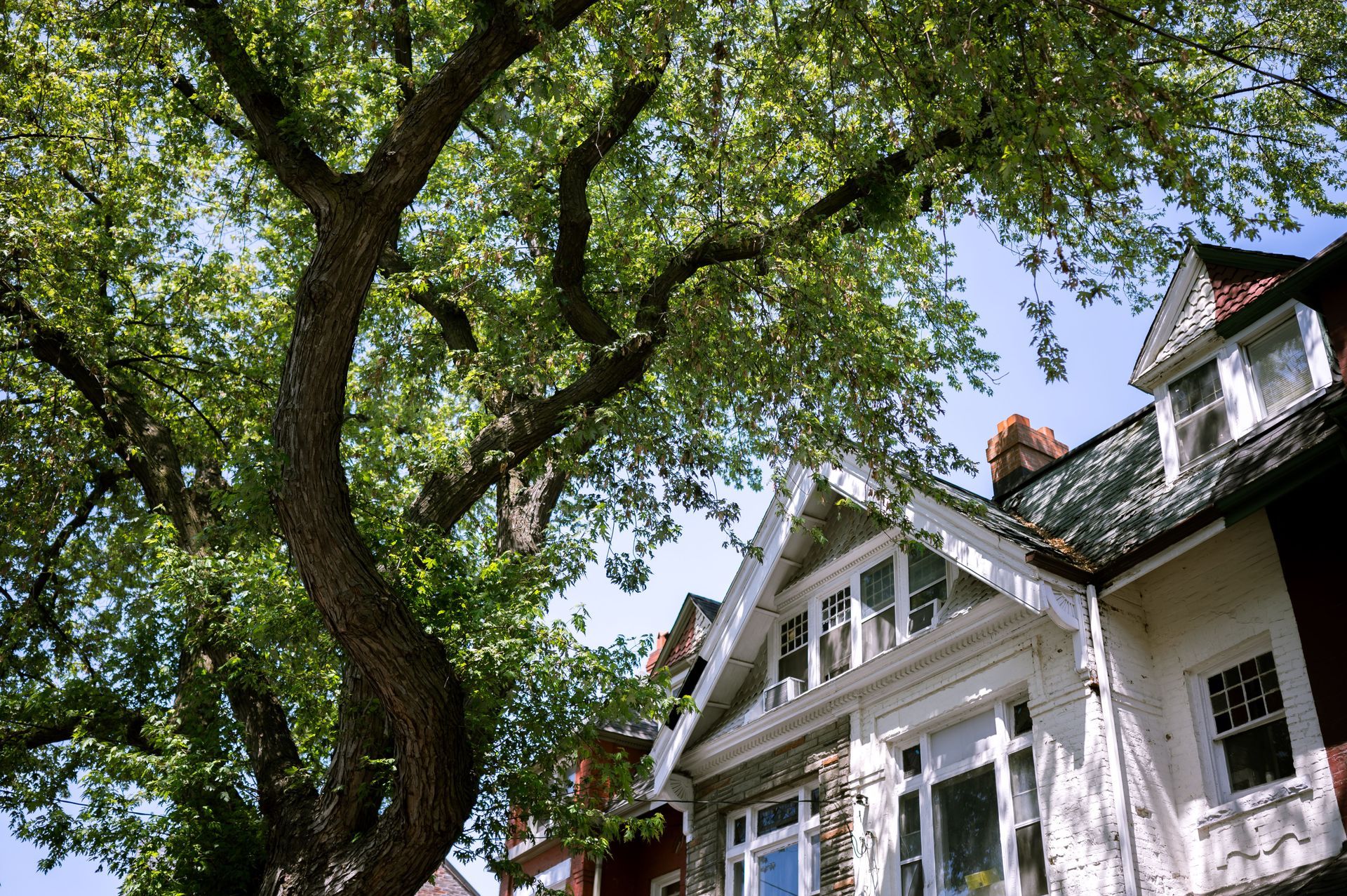
Overhanging branches and fallen debris can damage shingles, puncture roofing materials, and create gaps where water can infiltrate. Regularly trimming tree branches and removing debris from your roof prevents unnecessary damage and minimizes the risk of leaks.
Age & Wear and Tear
Just like any other part of your home, roofs have a finite lifespan. As they age, roofing materials deteriorate due to constant exposure to the elements. Over time, this wear and tear can lead to weakened spots, cracks, and leaks. Regular roof inspections by professionals can help identify signs of aging and allow you to address issues before they escalate.
In conclusion, understanding the common causes of roof leaks is the first step toward preventing them and preserving the integrity of your home. From damaged shingles to poor ventilation, various factors can contribute to leaks. Regular maintenance, proper installation, and timely repairs are essential for keeping your roof in optimal condition and safeguarding your home against water damage. If you're unsure about the state of your roof, consider consulting a reputable roofing contractor who can assess its condition and recommend necessary actions. Remember, proactive measures today can save you from costly repairs down the road.