Is a Commercial Solar Power System Right for Your Building?
The Ins and Outs of Commercial Solar Power Systems
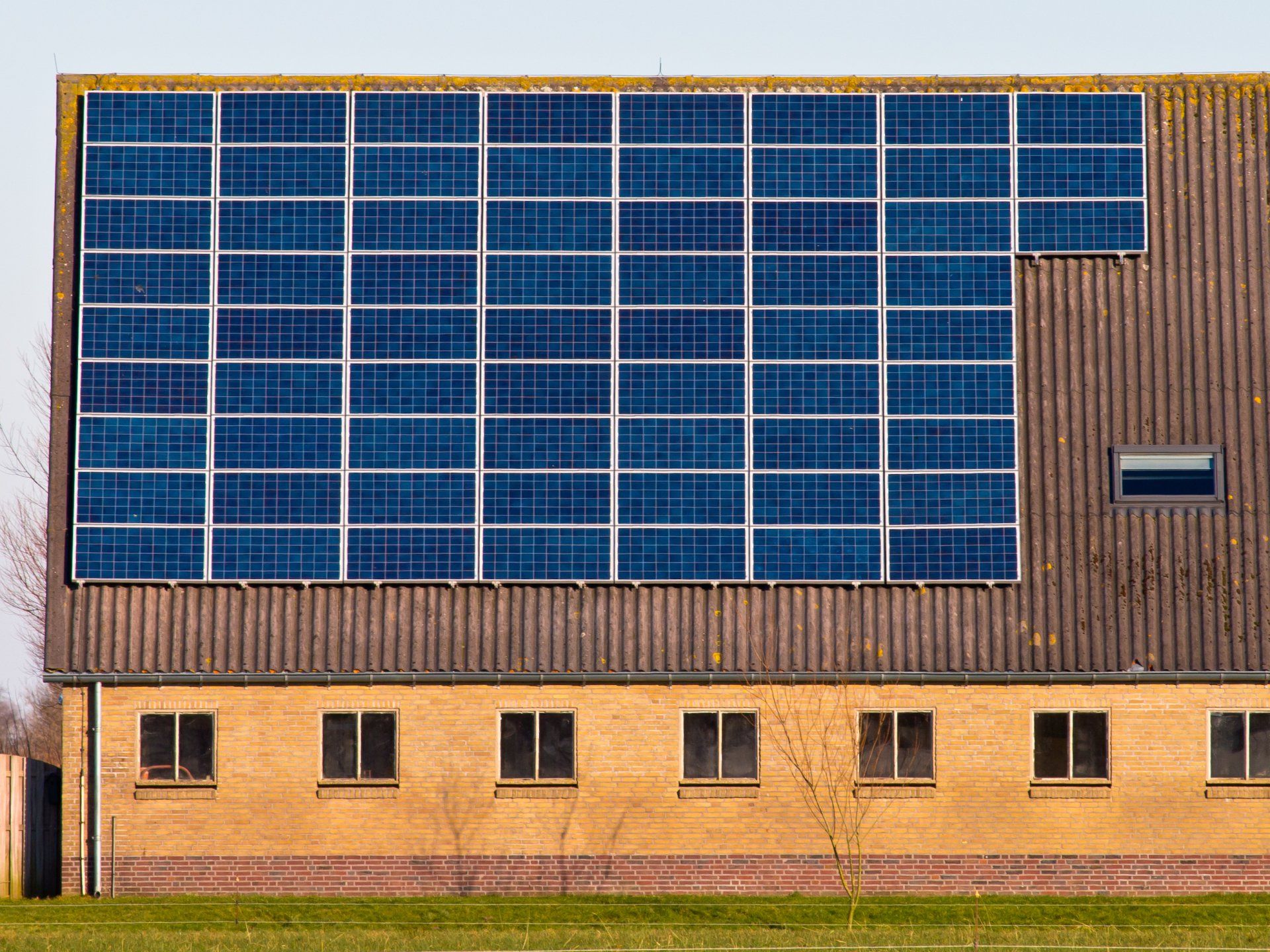
Is a Solar Roofing system Right for Your Commercial Building?
Converting to solar energy can be a significant decision for business owners, and there are various things to consider before making a decision, including:
Age, condition, and structural integrity are all factors to consider.
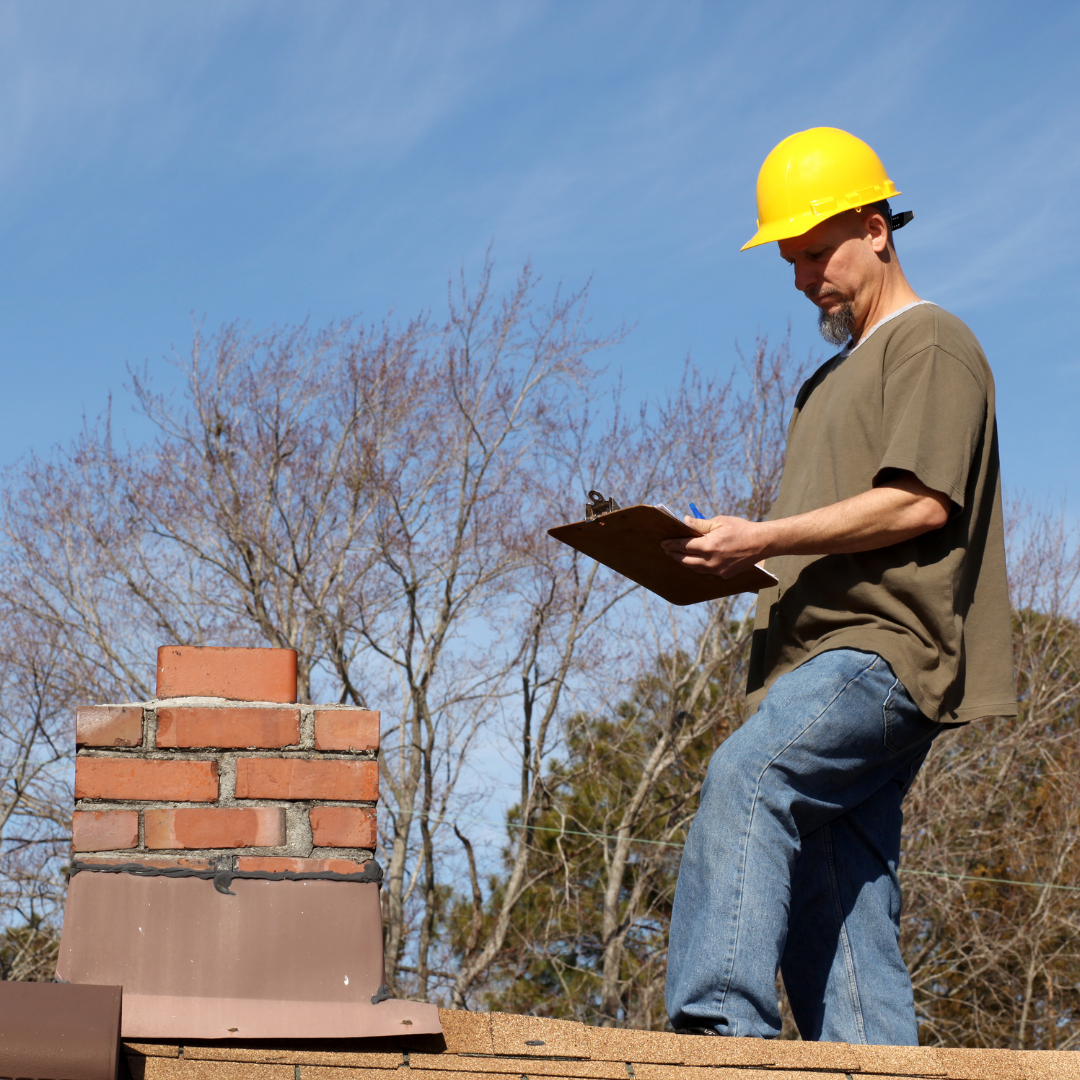
The age, condition, and structural integrity of your roof are crucial factors. Even though today's photovoltaic (PV) systems are lightweight, the roof's structural integrity must be considered for safety and effectiveness. An older roof nearing the end of its life might need replacement before installing solar panels. This ensures that the roof can support the solar system for its entire lifespan without requiring major repairs.
Sunlight Exposure
For optimal efficiency, solar panels should be positioned where they receive direct sunlight for most of the day. While panels can operate in shaded areas, their efficiency is significantly reduced. Conducting a thorough site assessment to identify the best placement for maximum sunlight exposure is essential.
Roof Size, Shape, and Layout
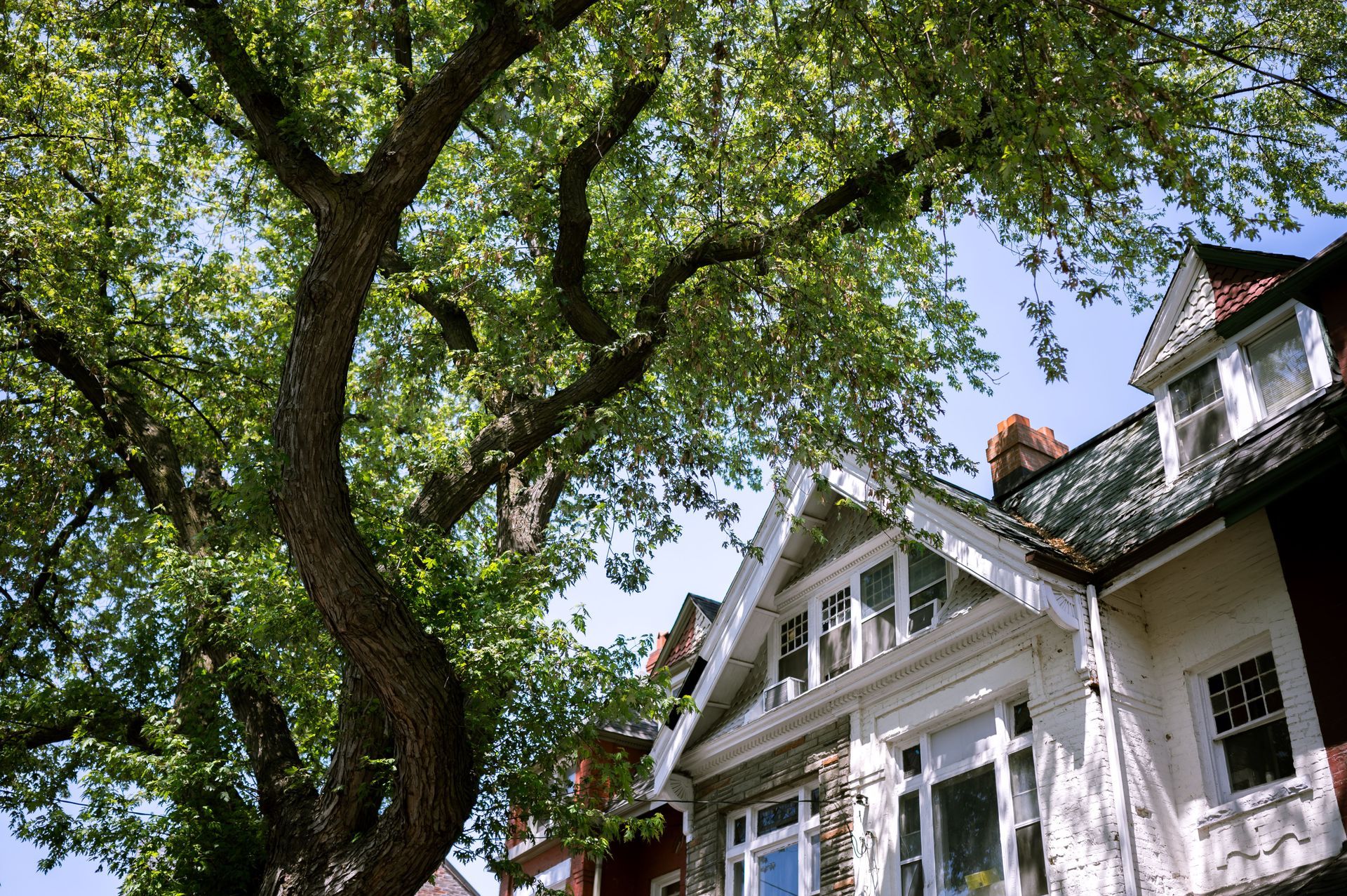
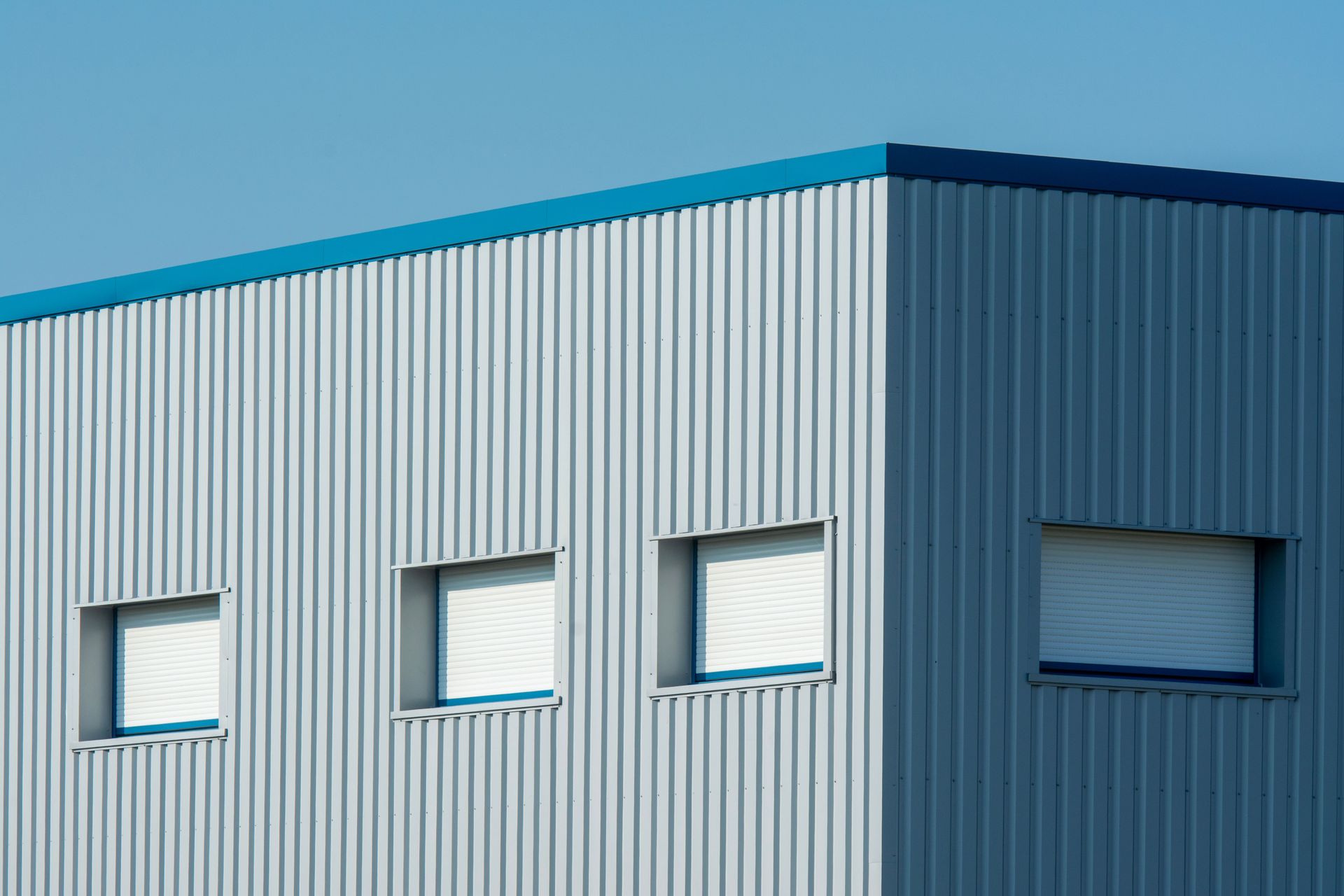
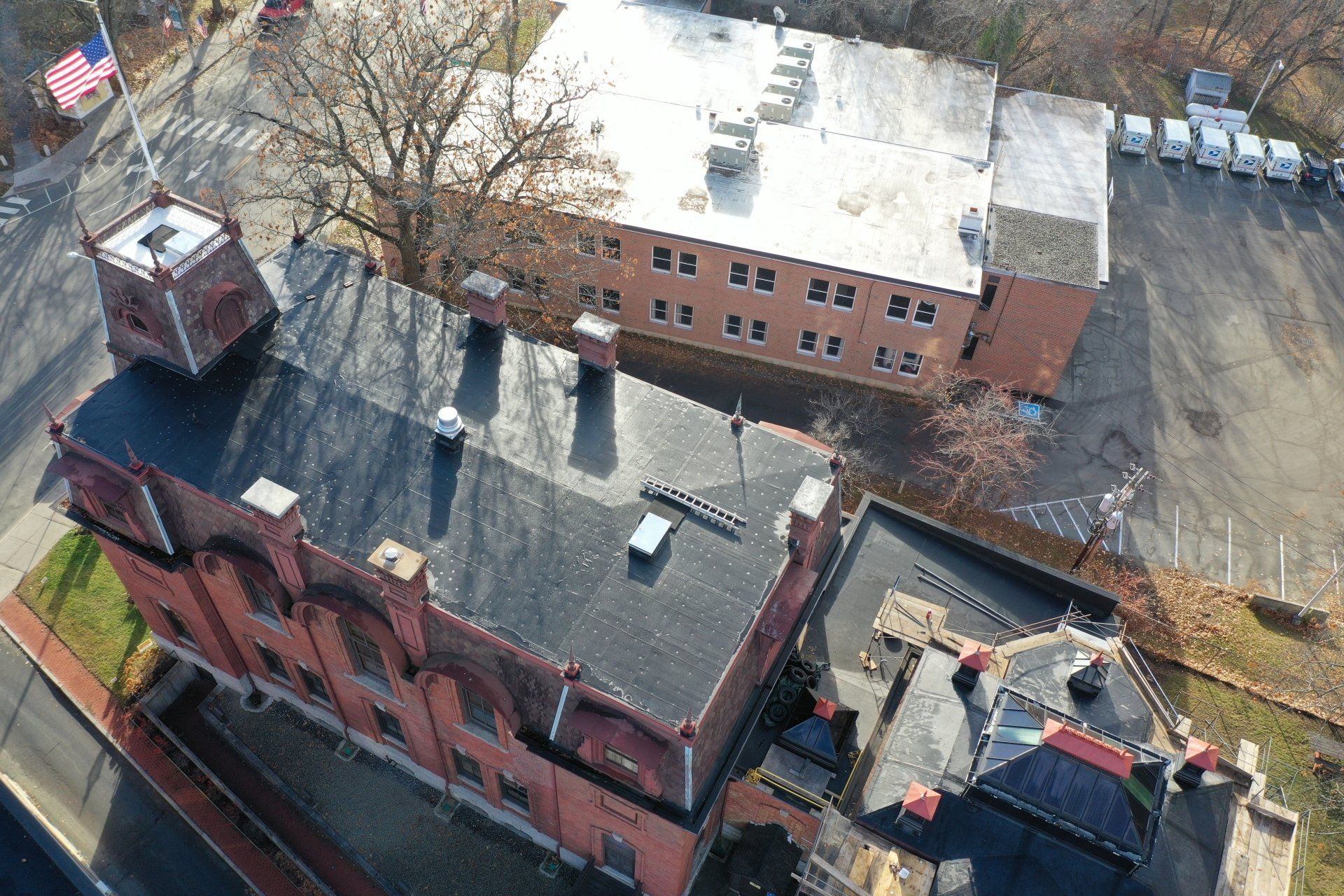
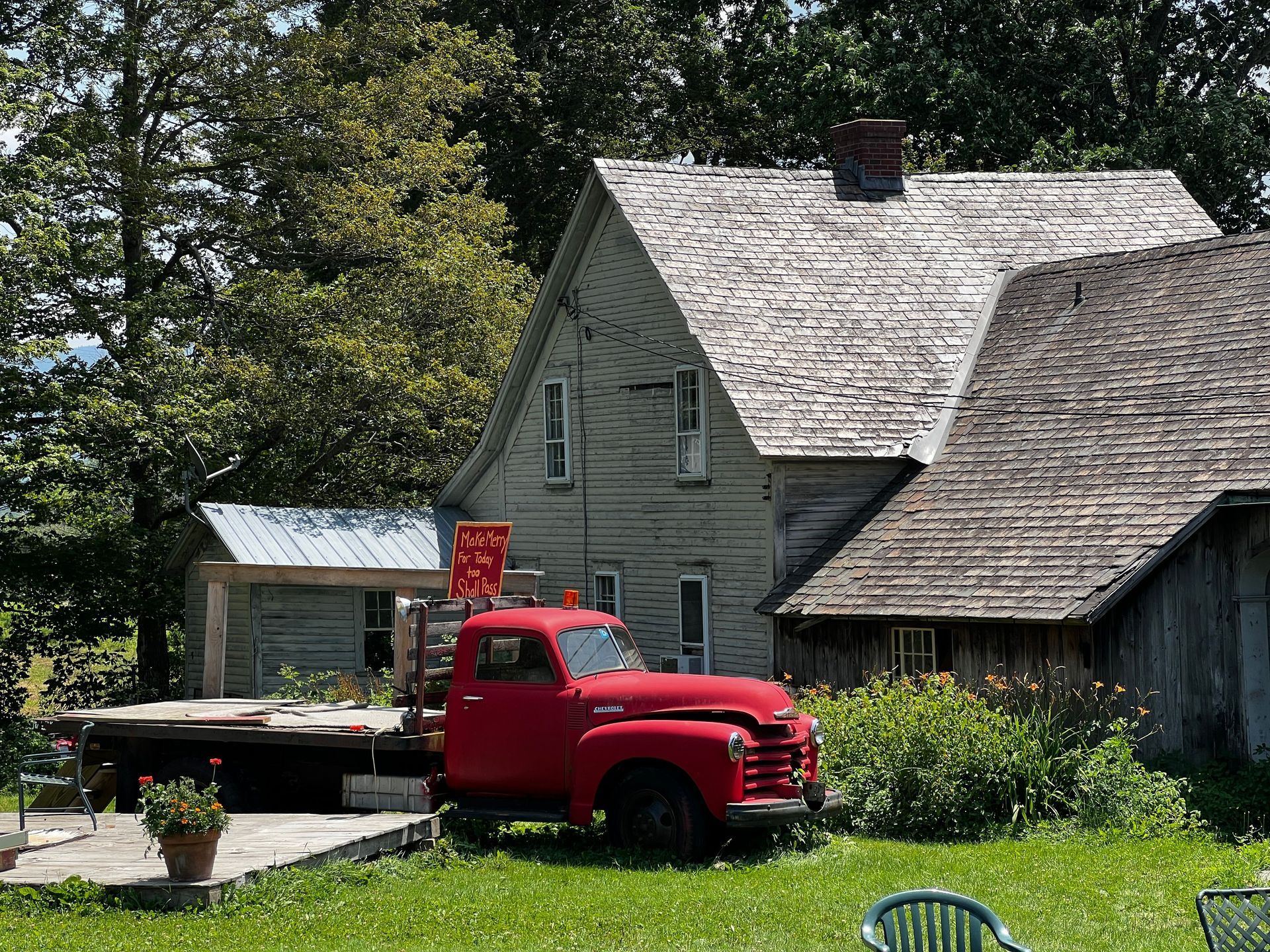
Modern solar technology can accommodate various roof sizes, shapes, and layouts. Whether your building has a flat, sloped, or uniquely shaped roof, there are solutions available. Advanced mounting systems and flexible panel designs ensure that even the most challenging roof configurations can support a solar power system. This is extremely important in New England with our treasured historic architecture.
Financial Incentives
Building owners who install a PV system can benefit from various financial incentives. These include federal tax credits, state rebates, and local incentives. It's important to stay updated on these incentives, as they can significantly reduce the initial investment cost. For instance, the federal Investment Tax Credit (ITC) allows you to deduct a percentage of the installation cost from your federal taxes.
Return on Investment
A PV system is believed to pay for itself over its lifespan through energy savings, increased property value, and minimal maintenance costs. Additionally, the tax benefits available to new solar owners can further enhance the return on investment. Conducting a cost-benefit analysis can help you understand the long-term financial benefits of installing a solar system.
Maintenance Requirements
Solar roofing systems require relatively little maintenance to function properly. Regular inspections are necessary to ensure the system is in good working order. Cleaning the panels to remove dust and debris and checking the electrical components can help maintain optimal performance and prevent more costly maintenance down the road.
Installation Quality
The quality of the installation is critical to the performance of your solar power system. Poor installation can lead to various issues, including reduced efficiency, system failures, and extensive roofing damage. To avoid these problems, choose a commercial roofing contractor with experience in installing PV or Building-Integrated Photovoltaic (BIPV) systems. A reputable contractor will ensure that the installation is done correctly and meets all safety standards.
Rodd Roofing specialists are well-versed in the numerous alternatives and considerations for commercial roofing systems, including solar power. Our licensed specialists can conduct a comprehensive assessment and assist you with the installation of solar panels on your commercial roof. We provide tailored solutions to meet your specific needs and ensure a seamless transition to solar energy.
By considering these factors, you can make an informed decision about whether a solar roofing system is right for your commercial building. If you have any questions or need further assistance, contact Rodd Roofing specialists for expert advice and support.