Solar Panels and Your Type of Roof
What Roofing Materials Best Support Commercial Solar Roofing Systems?

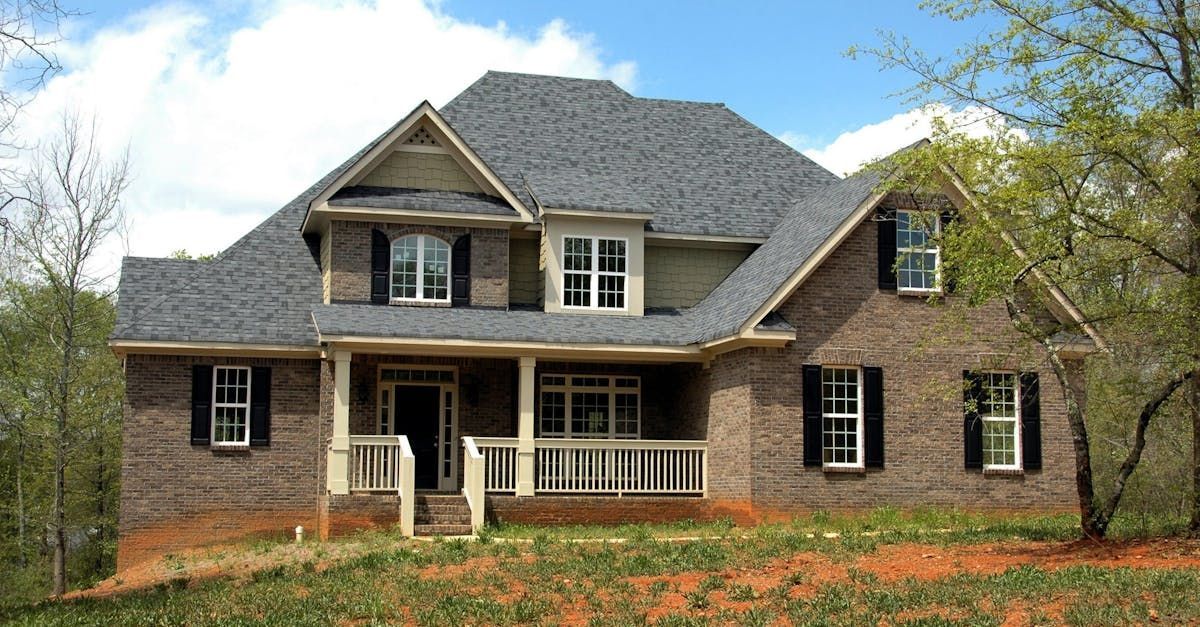
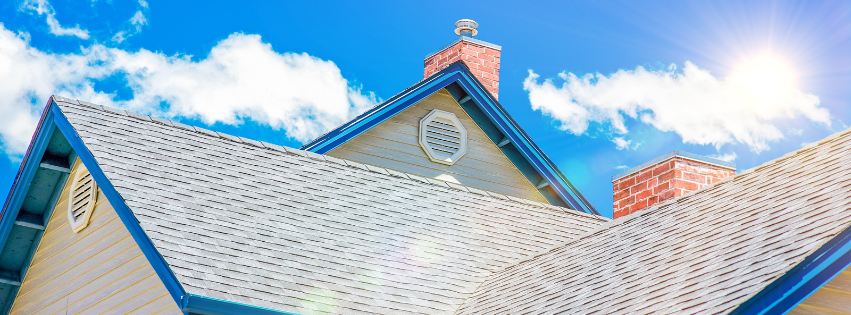
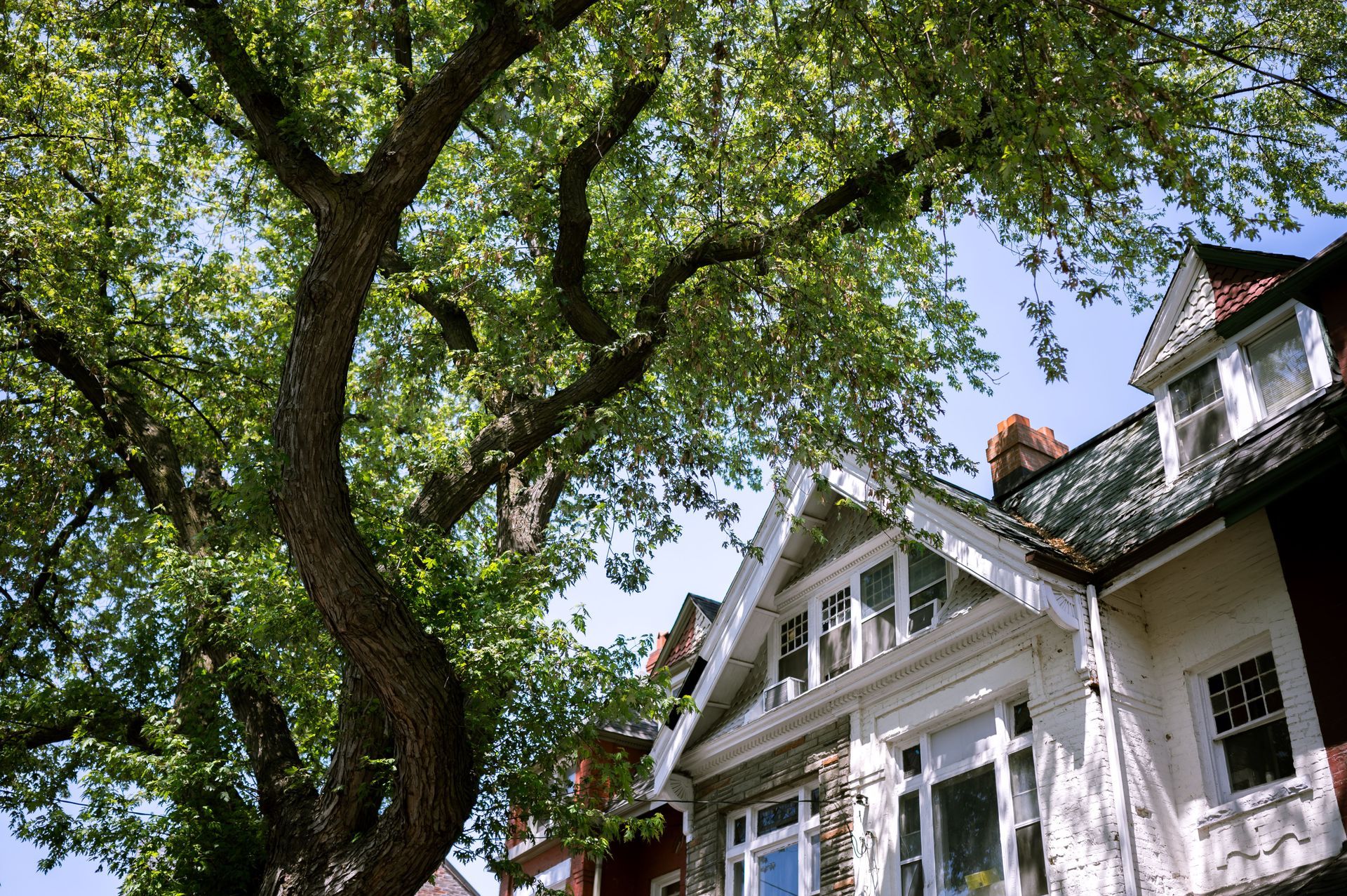
Many individuals are concerned about whether solar panels may harm their roof. Most roofing materials, fortunately, can handle a solar panel installation without causing damage to the roof. Let's start with the most popular roofing material: asphalt shingles, commonly known as composite roofing. Solar panels work well with asphalt shingle roofing, which is very easy to install. Solar panels are also well-suited to tile roofs, making them simple to install. The roof type that is most compatible with solar panels is a standing metal roof. Without drilling into the roof, the standing seam enables for a simpler and less expensive installation. When considering your options for solar energy systems, keep in mind that each type of roofing material has its own set of benefits and drawbacks.
Solar Shingles & Tiles
Traditional roofing systems incorporate solar shingles or tiles. A building integrated photovoltaic (BIPV) system is the name for this type of system. Traditional solar panels have been replaced with solar tiles, or BIPV systems, which are a newer, more up-to-date technology. Solar tiles have gained significant industry backing in recent years, despite the fact that emerging technologies are generally associated with concerns about reliability and other problems.
Solar tiles are popular in part because they are meant to look like traditional roofing shingles, with a variety of textures and colors to choose from; nonetheless, they are not ideal for every type of roof design and are most commonly utilized for residential purposes.
PVC Roofing
- Water, wind, hail, lightning, and impact damage are all resistant to this material.
- Insulation and reflectiveness make this material an excellent choice for decreasing energy use and it works well with PV systems.
- Material has been flame-tested and self-extinguishes in seconds.
Metal Roofing
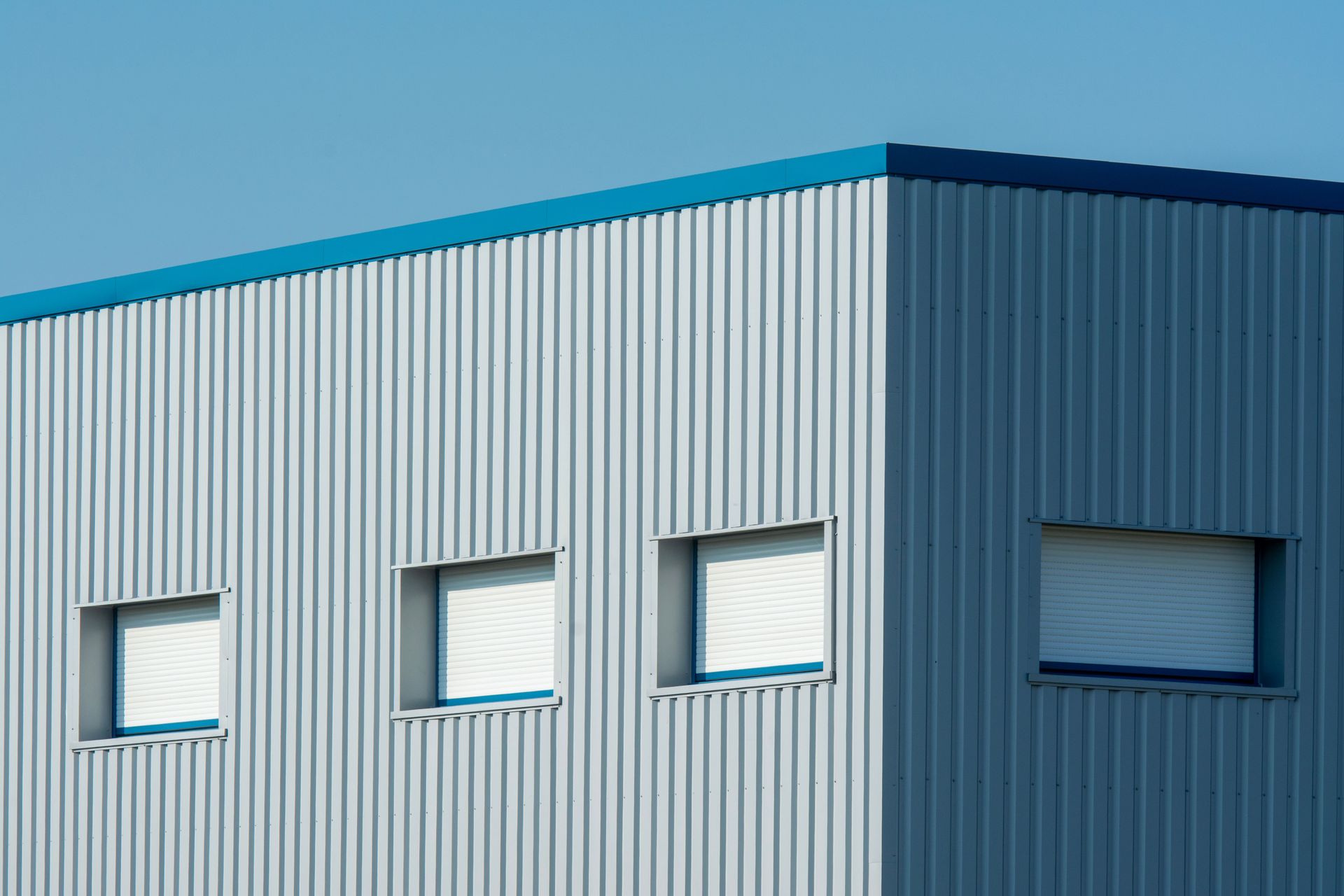
- Inherent reflectivity saves energy and keeps the structure cooler than typical roofing materials; adding a PV system gives the roof shade, which keeps it even cooler.
- Cost savings: By assisting in the regulation of the building's interior temperature, a metal roof and solar panel combination provides a significant chance for reduced energy usage and cheaper electric bills.
- Metal roofing has a 30- to 60-year lifespan, which means your roof won't need to be replaced before your solar panels.
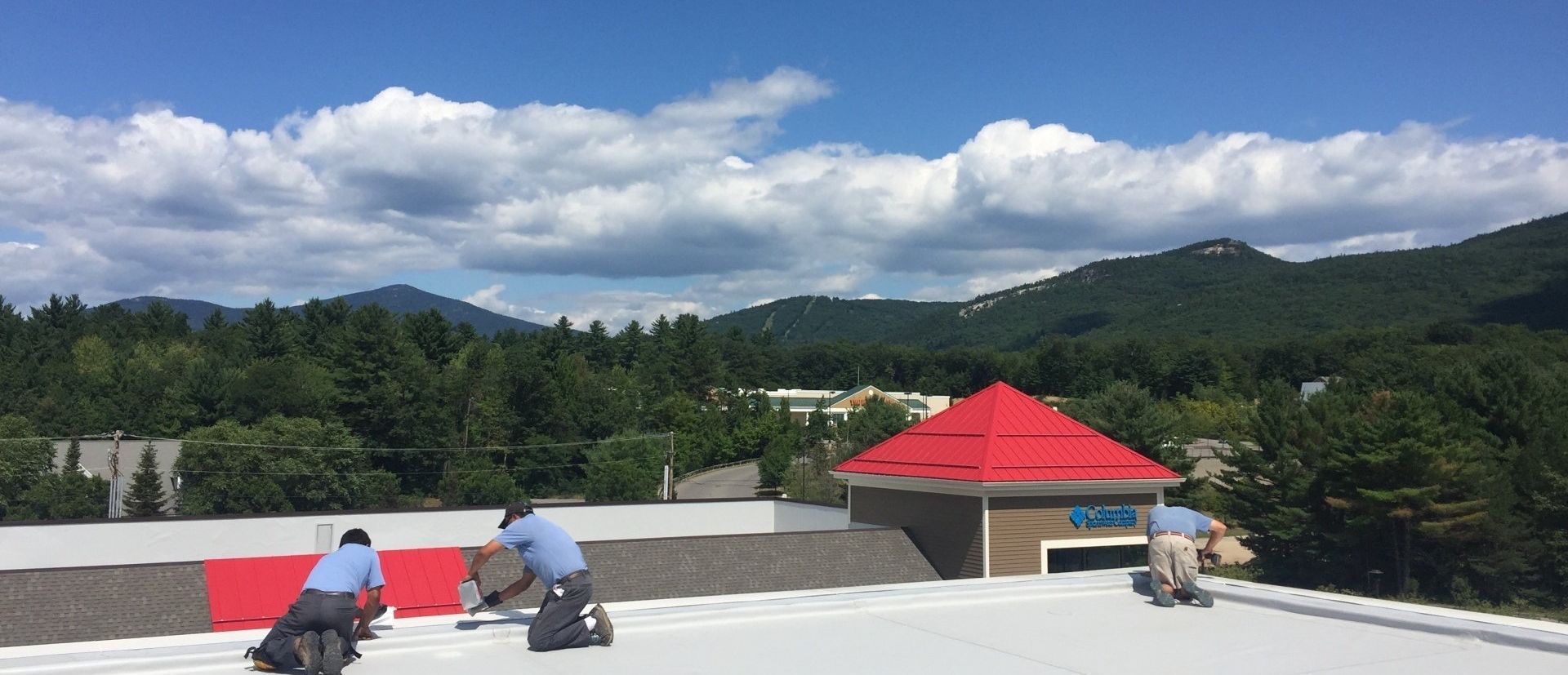
- Solar panel racks can be clamped into the seams of standing seam metal roofs, eliminating the need to breach the roof during installation.
EPDM Roofing
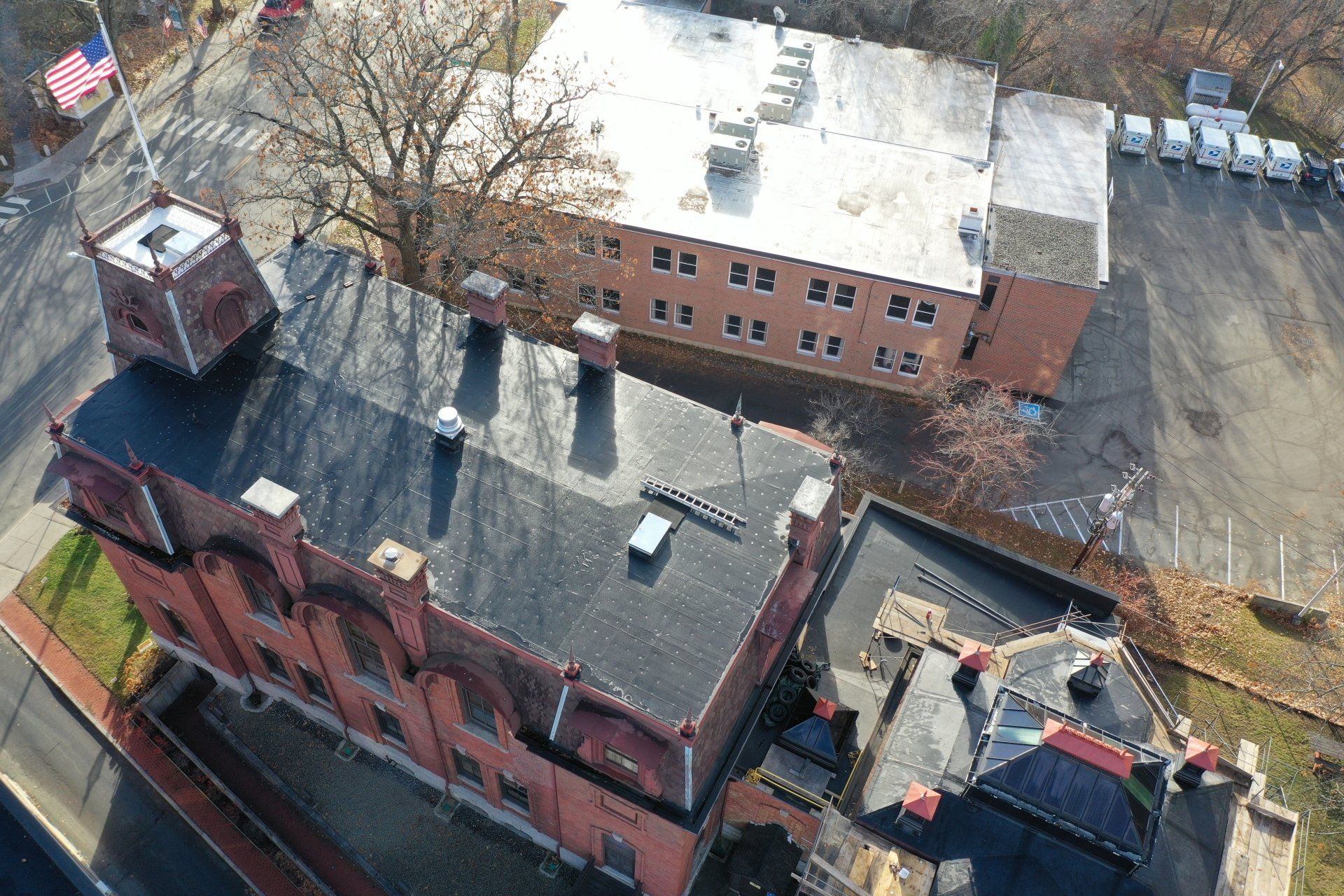
- Reflectivity has a particular white coating that helps to reflect UV rays, which could aid to improve solar production.
- EPDM (rubber) roofing is weather durable, resisting water, deterioration, mold, thermal shock, and impact damage.
- No penetration is required: When placing solar panels on an EPDM membrane, a weighted mounting mechanism is often employed to safeguard the roof's integrity. This approach is also more efficient and less expensive.
TPO Roofing
- In comparison to other roofing materials, it has a cheap starting cost.
- TPO is flexible enough to respond to the natural movement of the building, making it hard to crack.
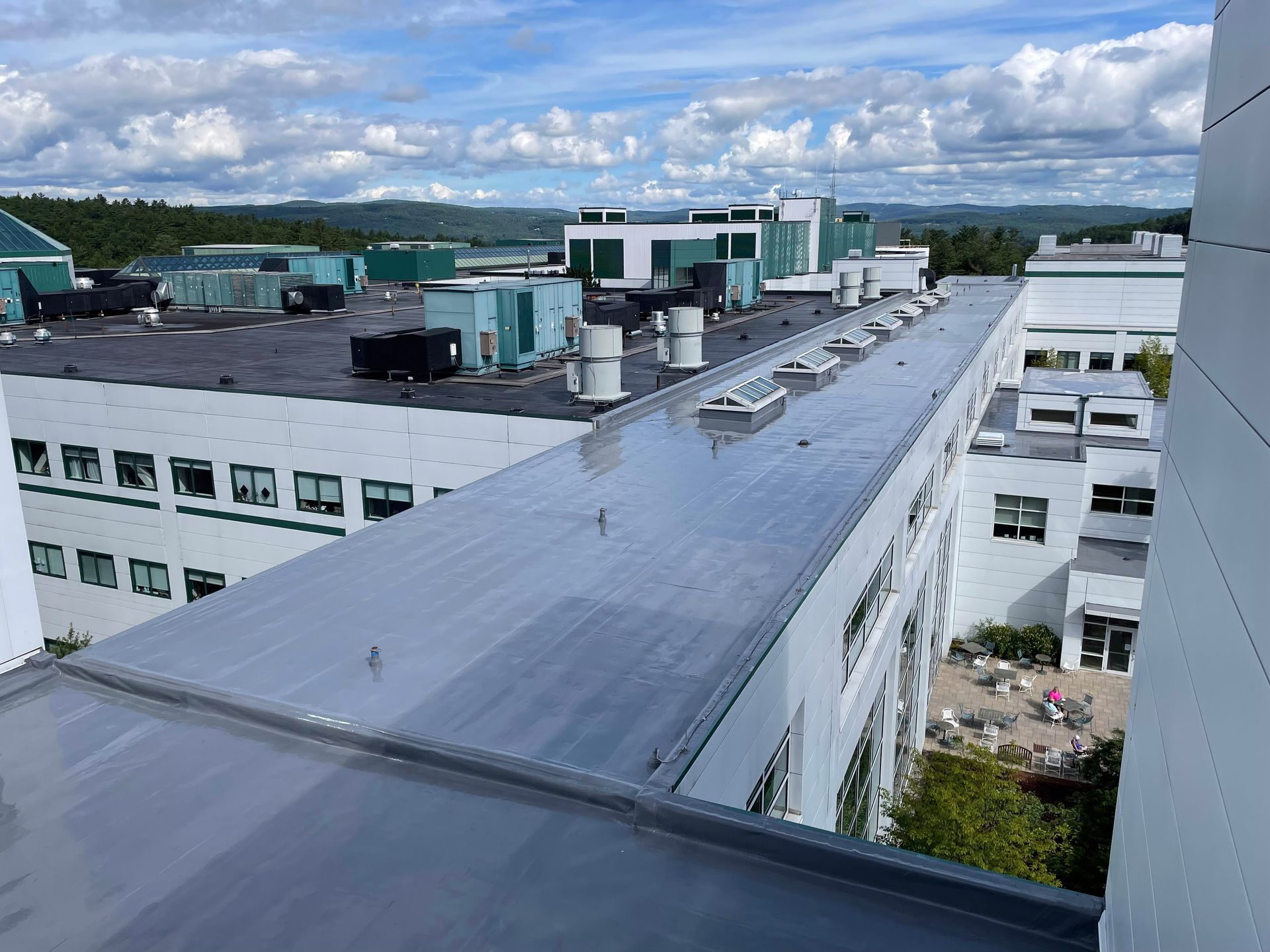
- When it comes to solar panels, flat roofs are preferable. The weighted mounting solution is faster, less expensive, and eliminates the need for holes, maintaining the roof's structural integrity.