Is My Roof Compatible With Solar Panels?
Things to consider about your roof and solar panels.
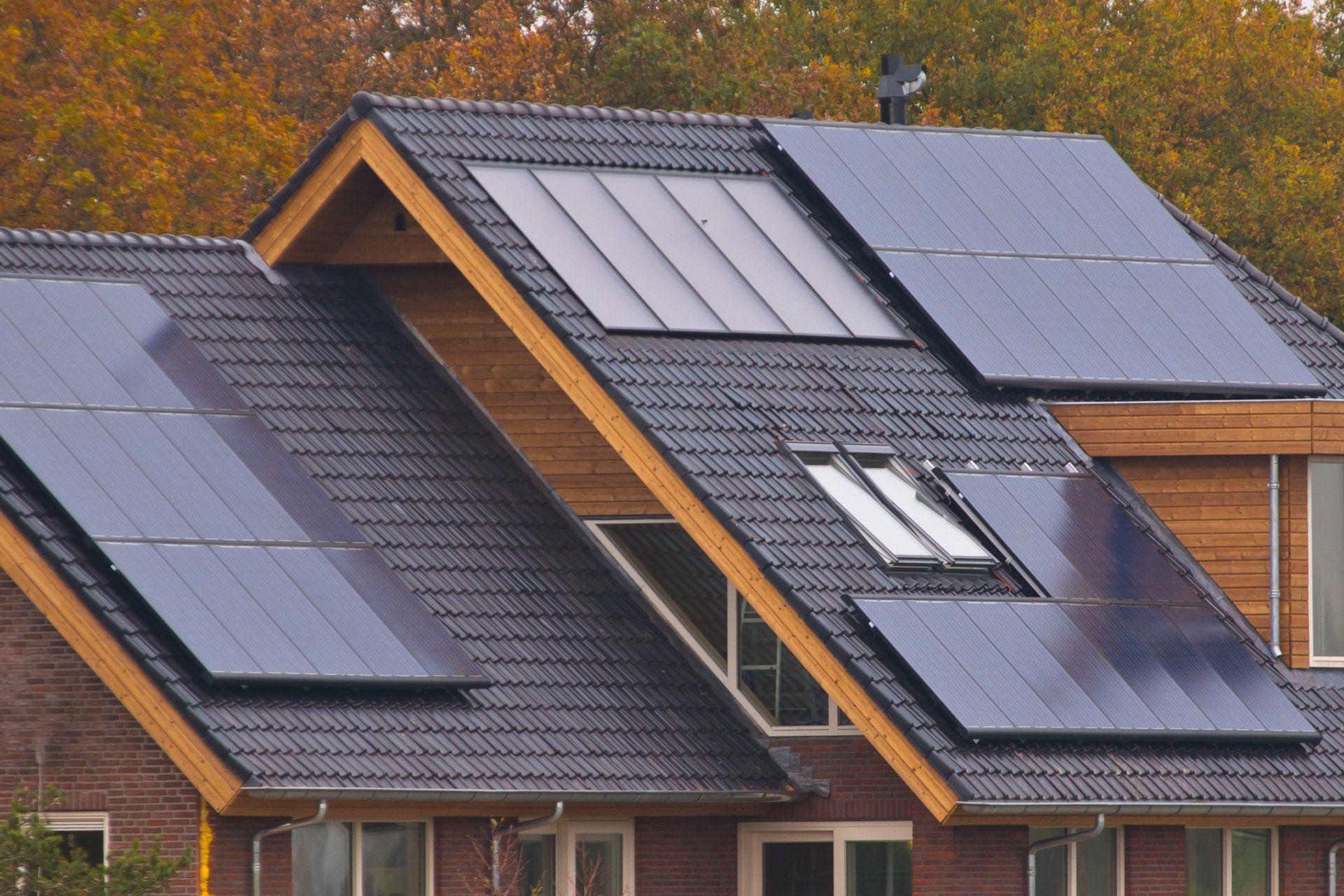
Whether you plan to install solar panels on your current roof or first re-roof, there are a few things to keep in mind to ensure that your roof can support solar panels. The good news is that solar panels may be installed on almost any style of roof. However, because most roofs nowadays aren't built with solar in mind, you may need to make some changes to your current roof. Alternatively, if you're installing a new roof, keep these considerations in mind to ensure that your new roof is solar-ready.
Aside from the roof's age and condition, the following factors influence its solar panel compatibility:
- Material
- Pitch
- Shape and size
- Orientation
- Amount of shade
Material of Roofing
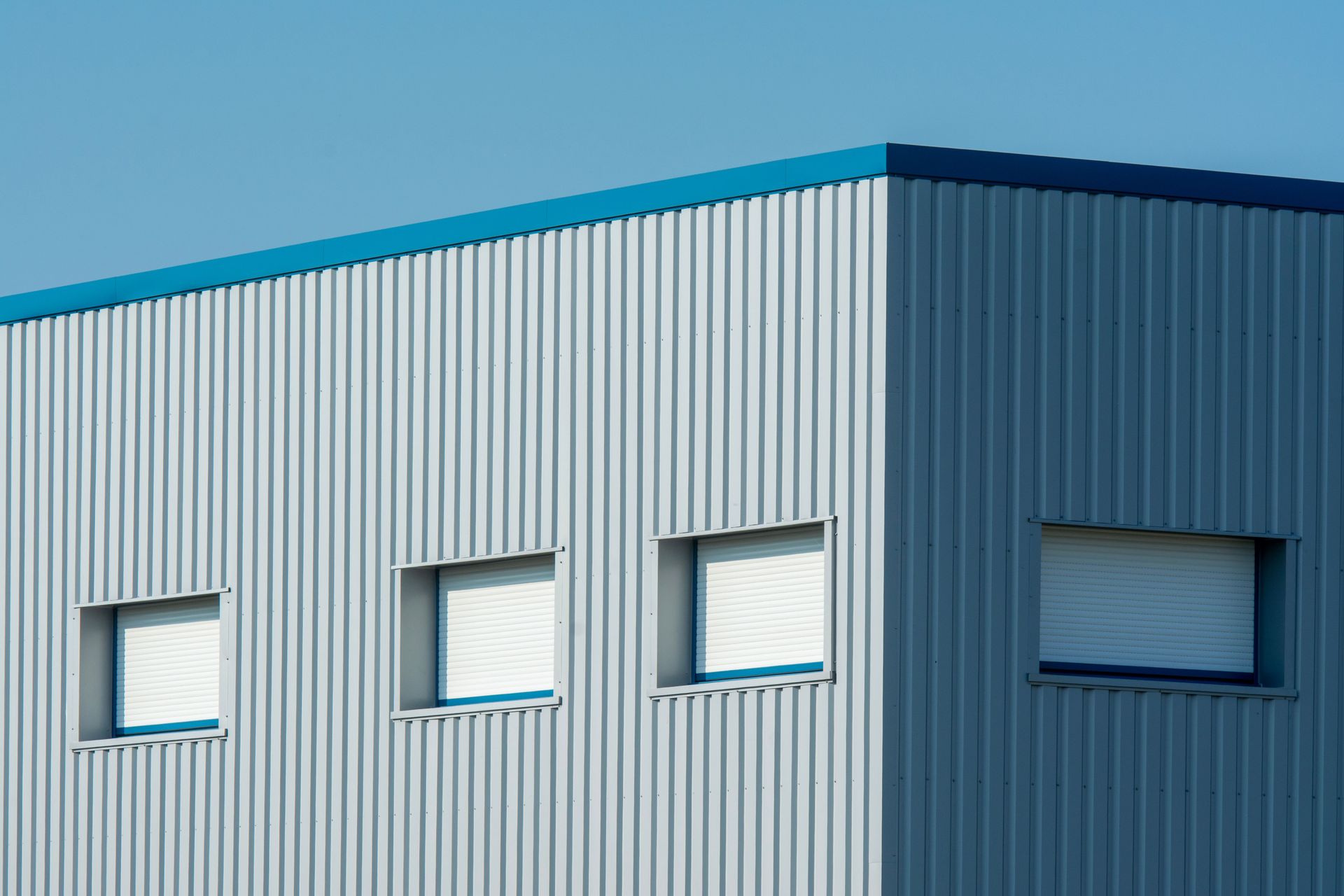
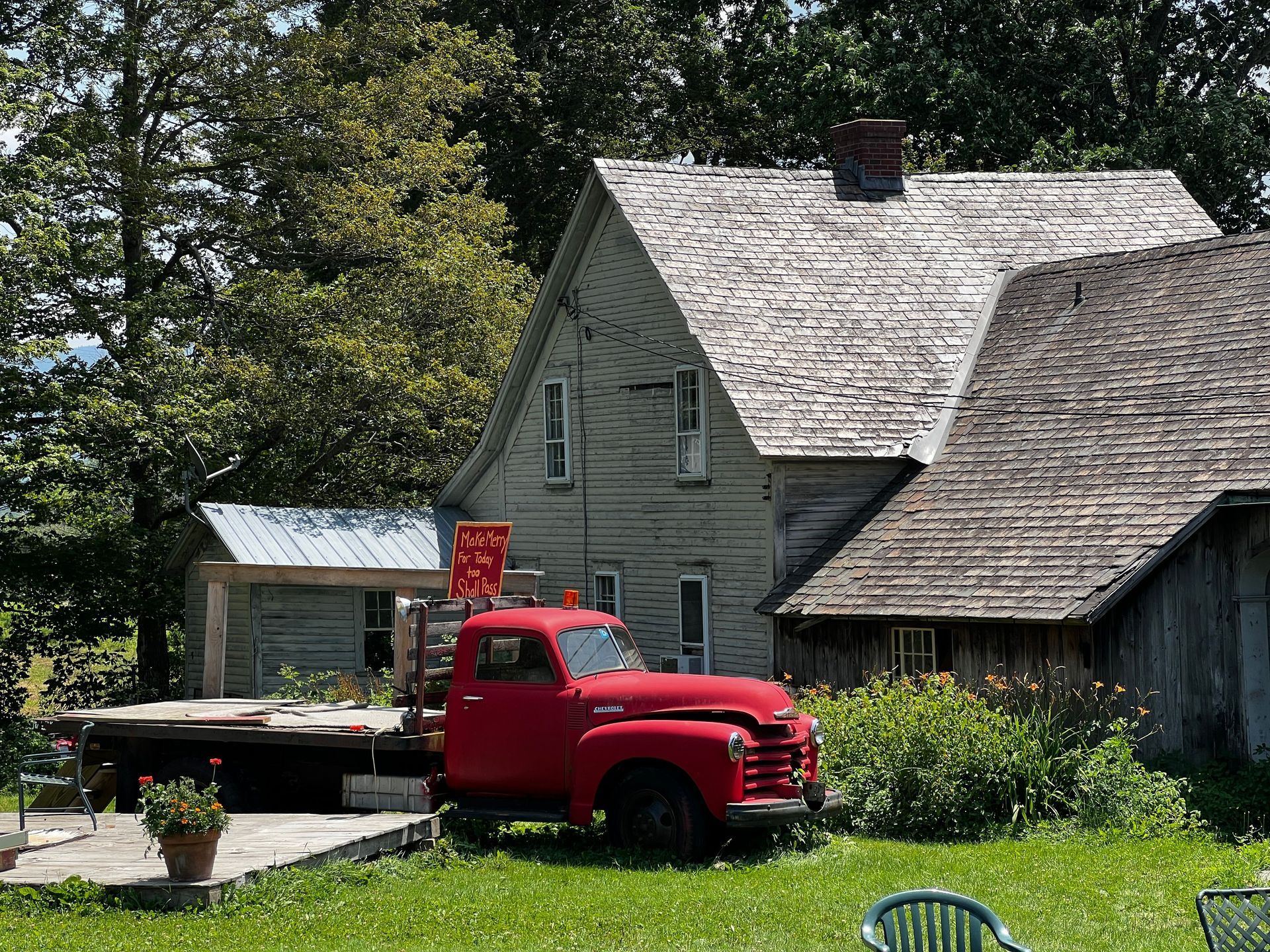
Many individuals are concerned about whether solar panels may harm their roof. Most roofing materials, fortunately, can handle a solar panel installation without causing damage to the roof. Let's start with the most popular roofing material: asphalt shingles, commonly known as composite roofing. Solar panels work well with asphalt shingle roofing, which is very easy to install. Solar panels are also well-suited to tile roofs, making them simple to install. A standing metal roof is the type of roof that is best for solar panels. Without drilling into the roof, the standing seam enables for a simpler and less expensive installation.
Wood and slate roofs are examples of roofing materials that aren't great for solar. For one thing, because these roofing materials are brittle, solar panel installers are unable to just walk around on the roof as they would usually. This makes the installation process more laborious and, as a result, more expensive. Another issue with solar panels on a shingle roof is that they can be a fire hazard.
Pitch of Roofing
Your roof's pitch, or angle, is also something to think about. The vertical rise divided by the horizontal run determines the roof pitch. The best angle for a solar panel, according to most people, is 30 degrees. This translates to a roof pitch of around 7/12, which means the height of the roof grows by seven inches for every 12 inches of horizontal area.
If your roof is steeper, solar panels will likely still operate and will have no impact on your energy production. When compared to 30 degrees, a tilt of 40 degrees should only reduce energy production by roughly one percent. Anything steeper than 40 degrees, on the other hand, is probably too much. Aside from the system's effectiveness, another major worry with steep roofs is that contractors may not be able to install the panels securely.
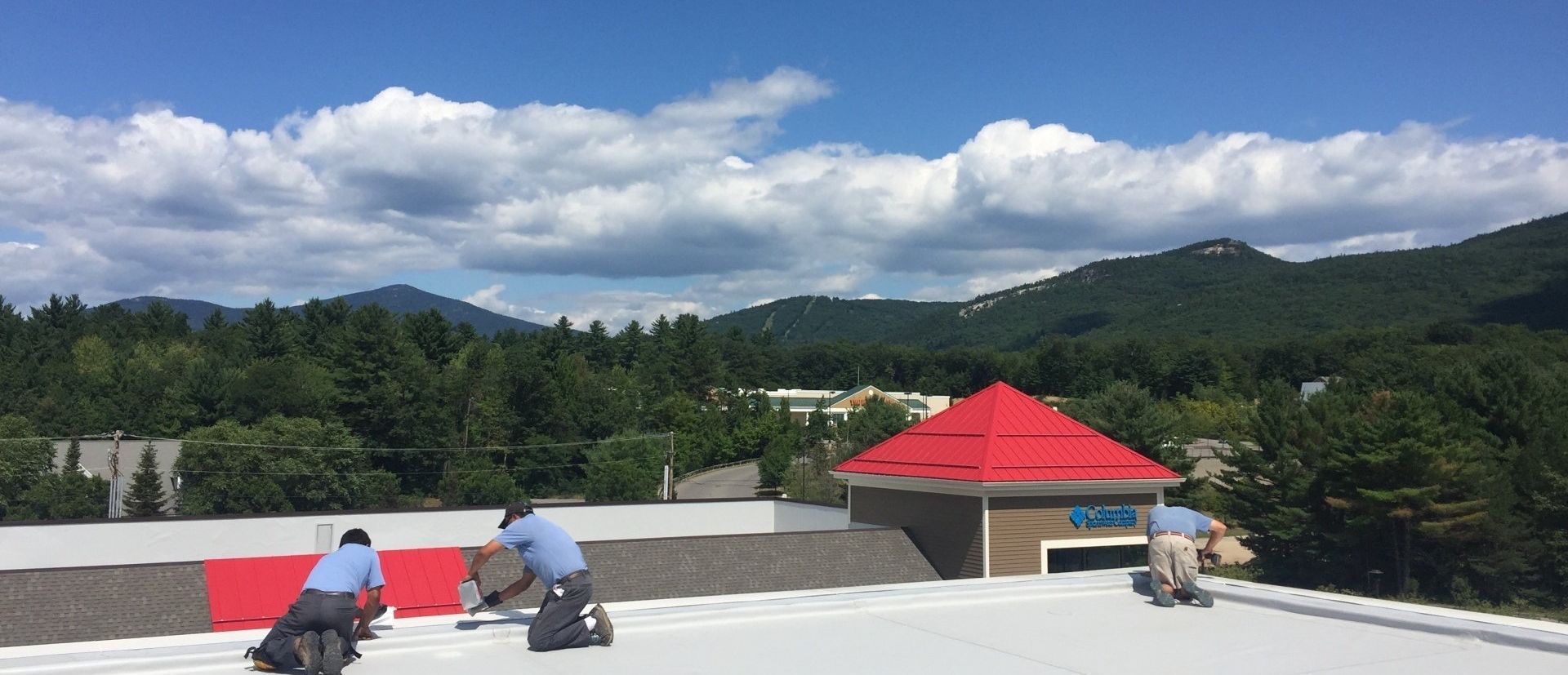
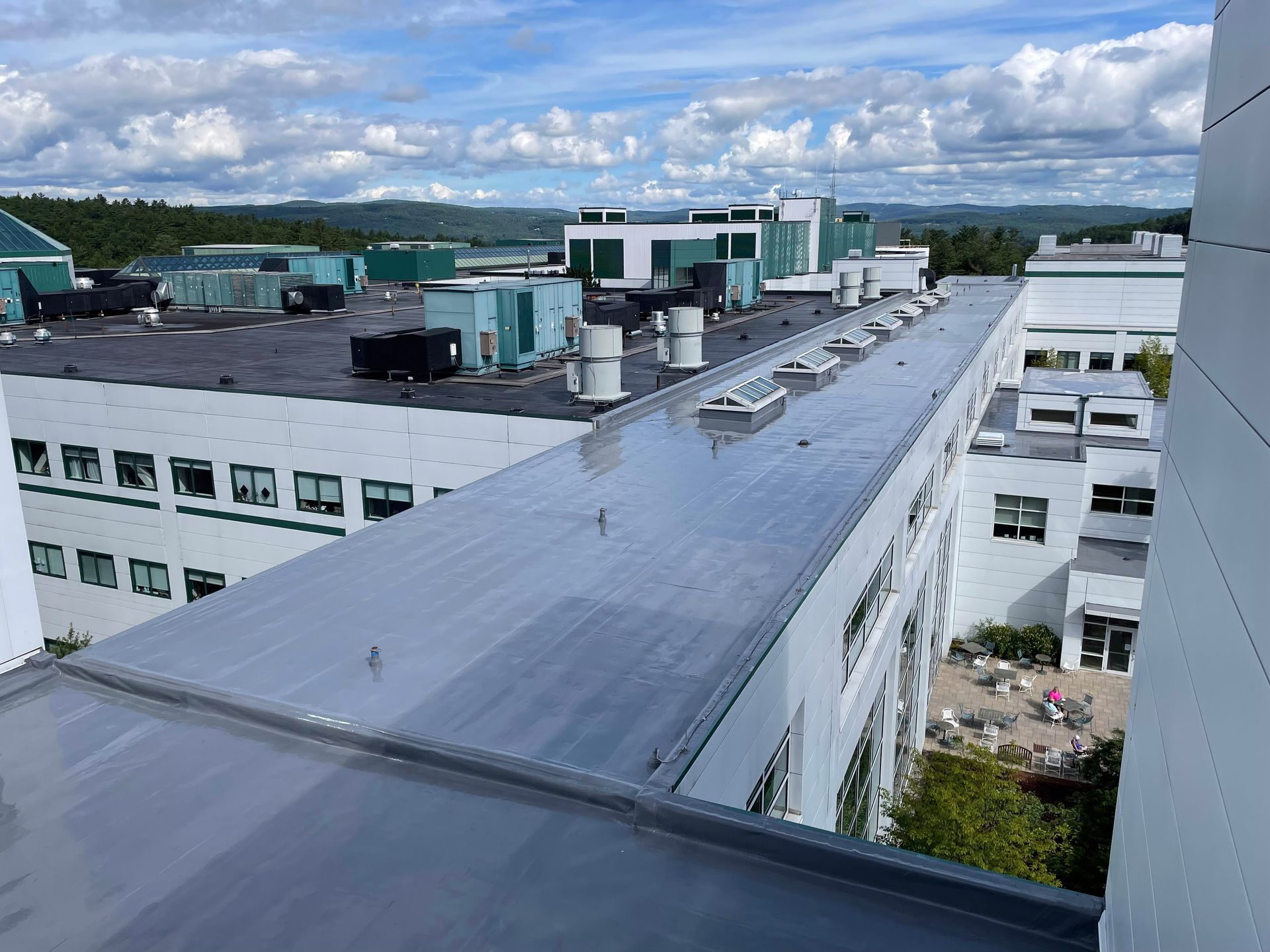
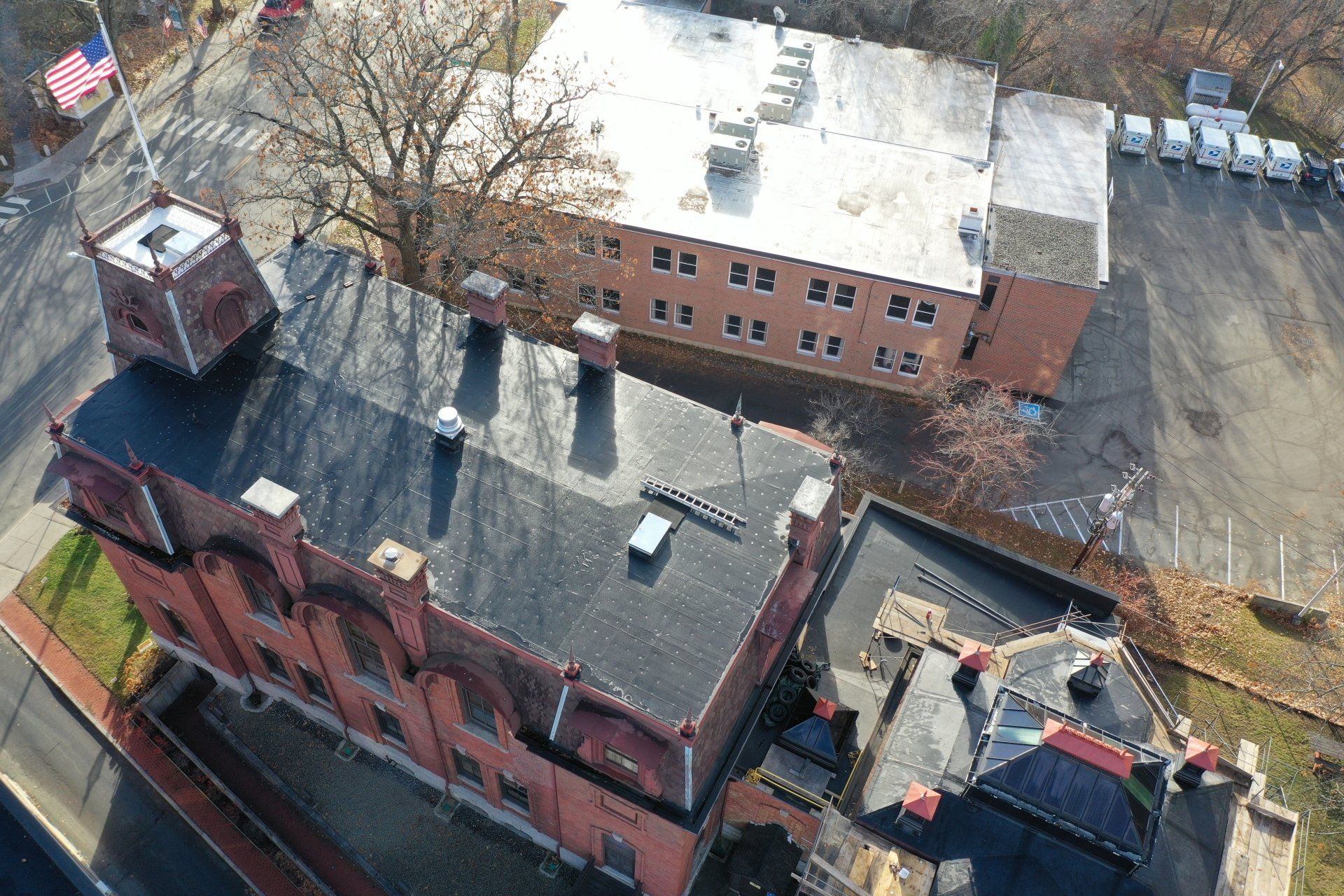
Even if your roof is flat, solar panels can be installed. Simply said, you'll have to employ brackets to angle the panels, which can be costly. The material also influences how solar panels are mounted on a flat roof.
Shape and Size of Roof
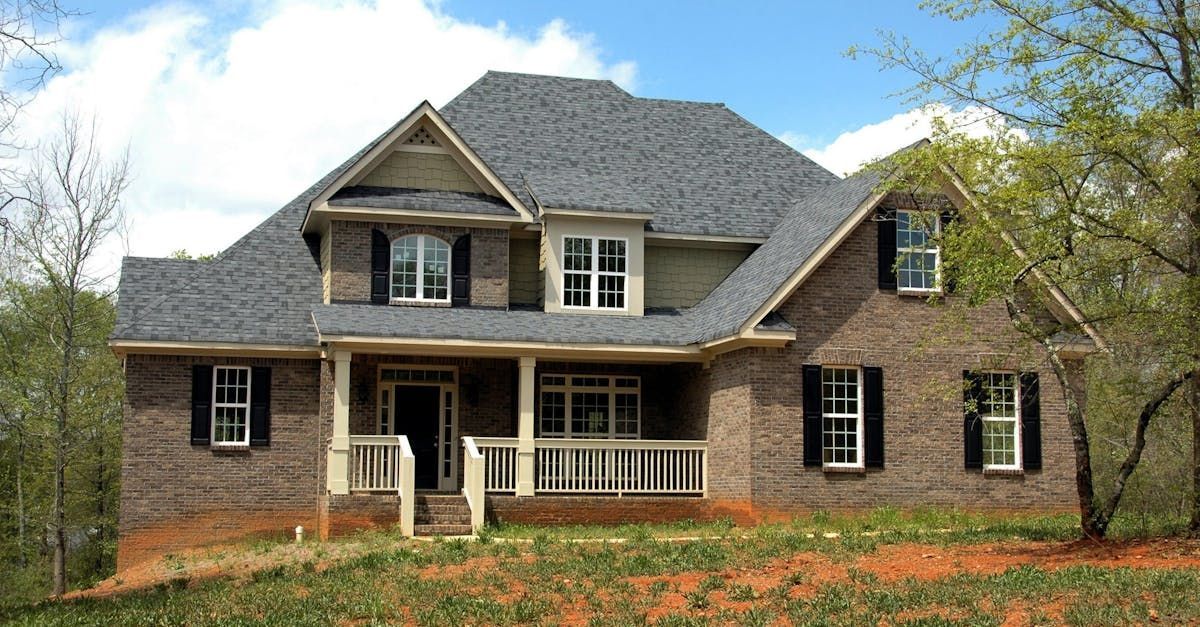
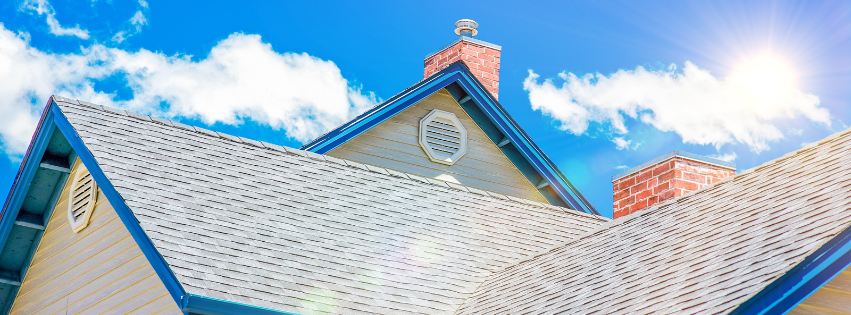
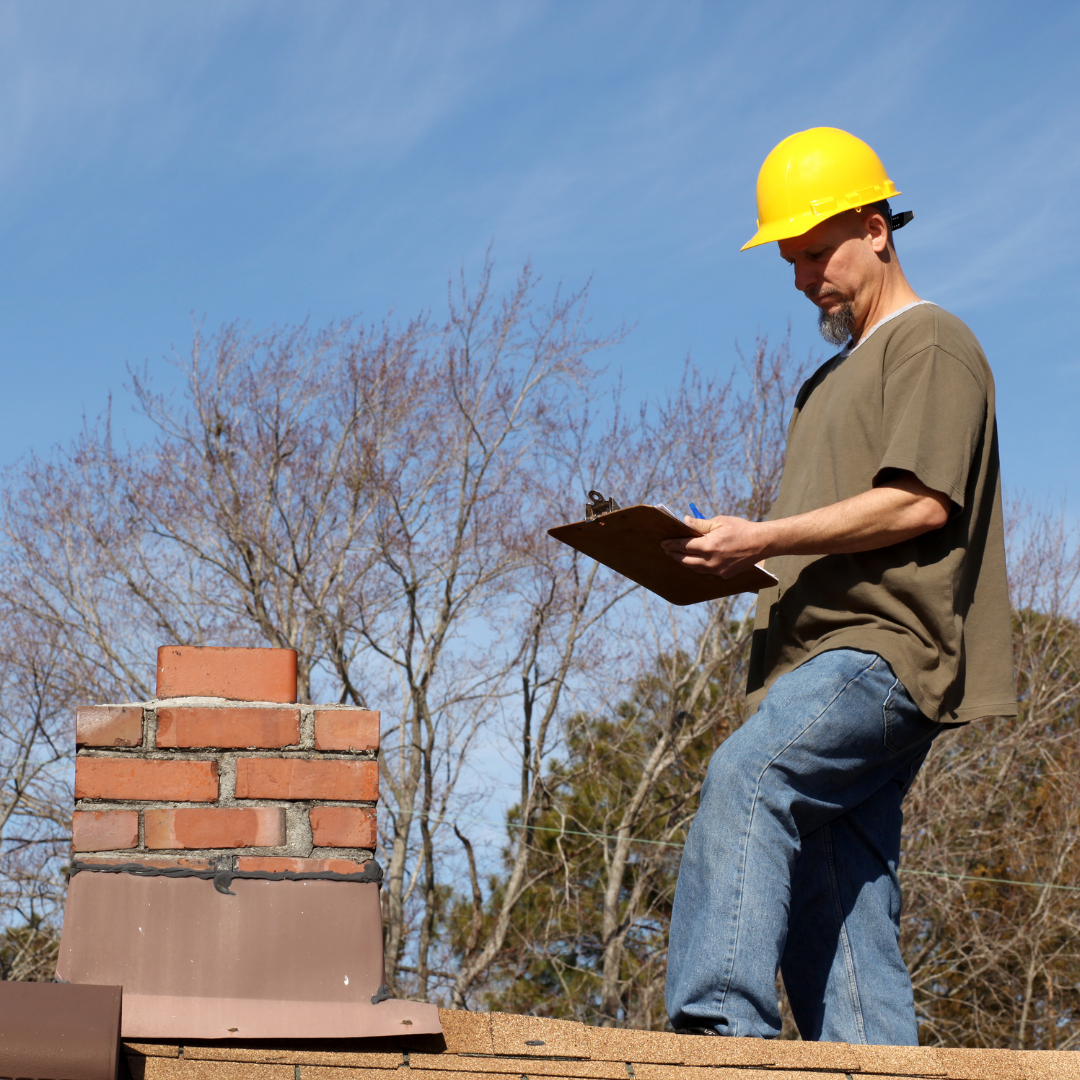
The form and size of your roof might also influence whether or not solar panels can be installed on it. The average solar system in the United States is 5 kilowatts, which requires at least 300 square feet of roof space. A wide, square roof is the optimal shape and size for solar panels because it allows for easy installation. Because anything that interrupts the surface of your roof, such as dormers, chimneys, and other structures, can alter your available area, a straight measurement of the size of your roof won't give you everything you need to know.
Because roofs come in an almost unlimited variety of shapes and sizes, you should consult a contractor who can assess your roof and advise you on whether solar panels would be a good match and how much of your roof surface can be covered by panels.
Orientation of Roof
Solar panels in the northern hemisphere perform best when facing true south. It's important to note that this is not the same as the magnetic south direction shown on a compass. Looking up your location on a platform like Google Maps is a wonderful method to figure out which way your house faces. This will tell you which way is true south and how your house's orientation compares.
Even if your house's position precludes you from facing your panels south, you can still have a lot of success with panels facing southwest or southeast, especially if you get a lot of sunlight. You can also request that your contractor set the panels on a rack so that you can adjust them. You can also request that your contractor install the panels on a rack so that you can modify their orientation.
Shade Around Roof
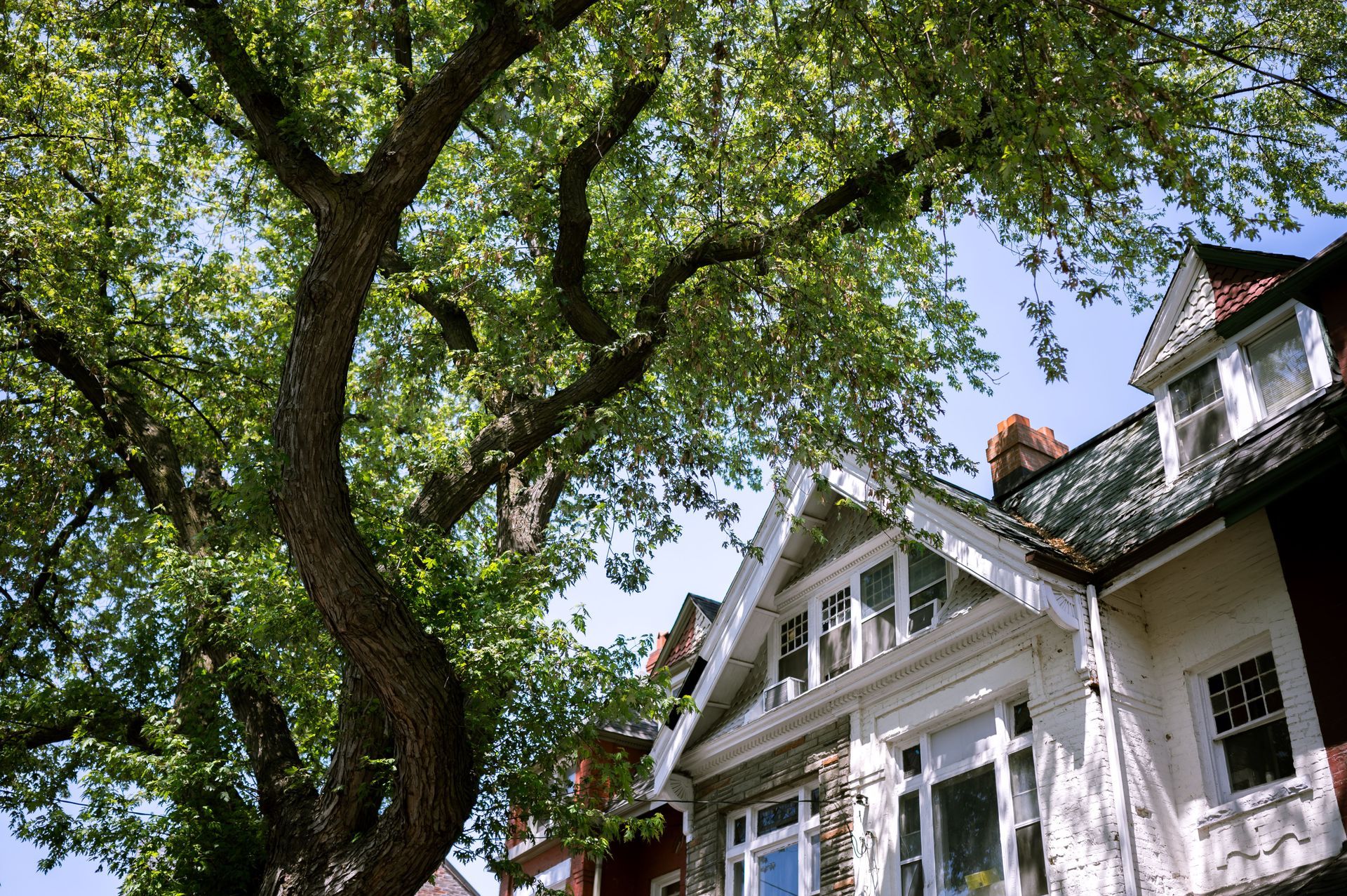
The amount of shade that your roof receives might also affect the efficiency of your solar panels. Shade cannot be changed in some circumstances. There isn't much you can do if your house is shaded by other structures, for example. Solar panels may not be a good choice for you if your roof receives little sunlight.
The amount of shade that falls on your roof might also affect the efficiency of your solar panels. Shade cannot always be changed. You can't do much about it if your house is shaded by other structures, for example. Solar panels may not be a good choice if your roof receives little sunlight.