Importance of Regular Roof Inspections
Why You Should Have Your Roof Inspected Often

Your roof is one of the most critical components of your home, protecting you and your loved ones from the elements year-round. While it may seem sturdy, it requires regular attention and maintenance to ensure its longevity and effectiveness. One of the essential aspects of roof care is scheduling regular inspections. In this blog post, we will highlight five compelling reasons why regular roof inspections are crucial. From detecting minor issues before they become major problems to maximizing your roof's lifespan, investing in regular roof inspections is a wise decision that brings significant benefits.
Early Detection of Roof Issues
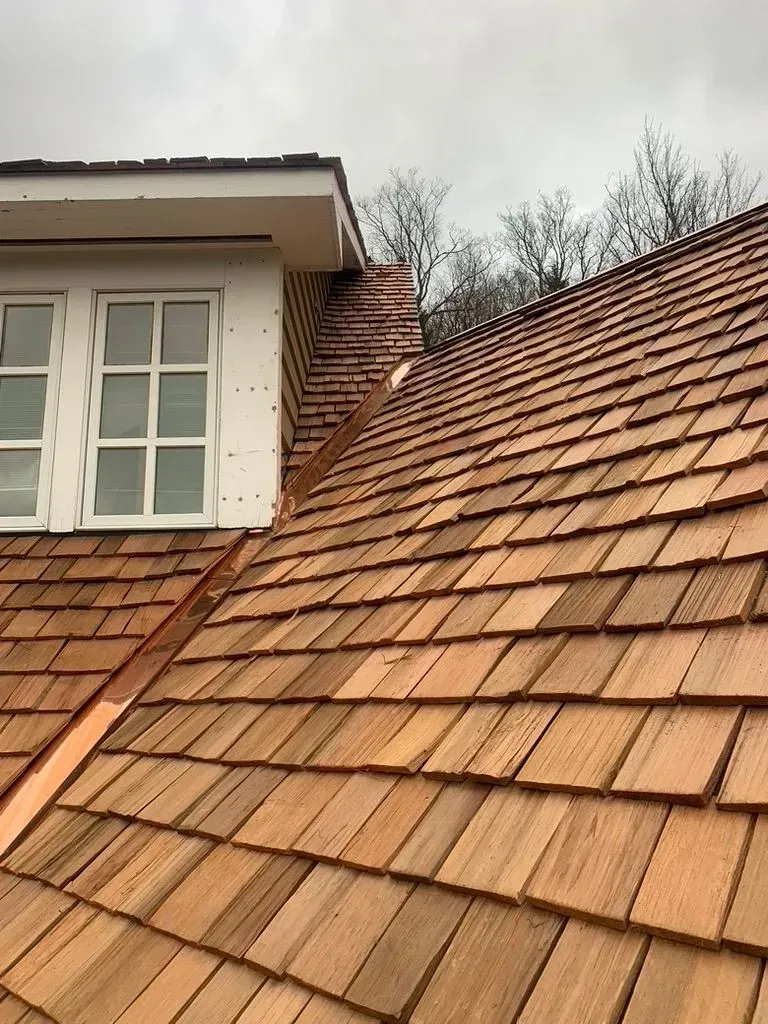
Regular roof inspections allow for the early detection of any potential issues. Trained roofing professionals have the expertise to identify minor problems that might go unnoticed by untrained eyes. Early detection allows for prompt repairs, preventing the problems from escalating into costly and extensive damage. By addressing issues such as loose or damaged shingles, cracked flashing, or clogged gutters in their early stages, you can avoid leaks, structural damage, and other serious consequences that could compromise your home's integrity.
Prolonged Lifespan
Your roof's lifespan is directly influenced by how well it is maintained. Regular inspections, along with timely repairs and maintenance, can significantly extend the lifespan of your roof. During inspections, roofing professionals can identify signs of wear and tear, moisture damage, or other factors that might compromise the roof's durability. By addressing these issues promptly, you can prevent premature deterioration and enjoy a longer-lasting roof.
Optimal Energy Efficiency
A well-maintained roof contributes to optimal energy efficiency in your home. During inspections, professionals can assess the roof's insulation, ventilation, and overall energy performance. Proper insulation and ventilation help regulate temperature and airflow within your home, reducing energy waste and lowering heating and cooling costs. Regular inspections enable you to identify any gaps in insulation, blockages in vents, or other issues that may be hindering your roof's energy efficiency. Addressing these concerns will improve your home's comfort levels and reduce your energy consumption.
Protection Against Weather Extremes
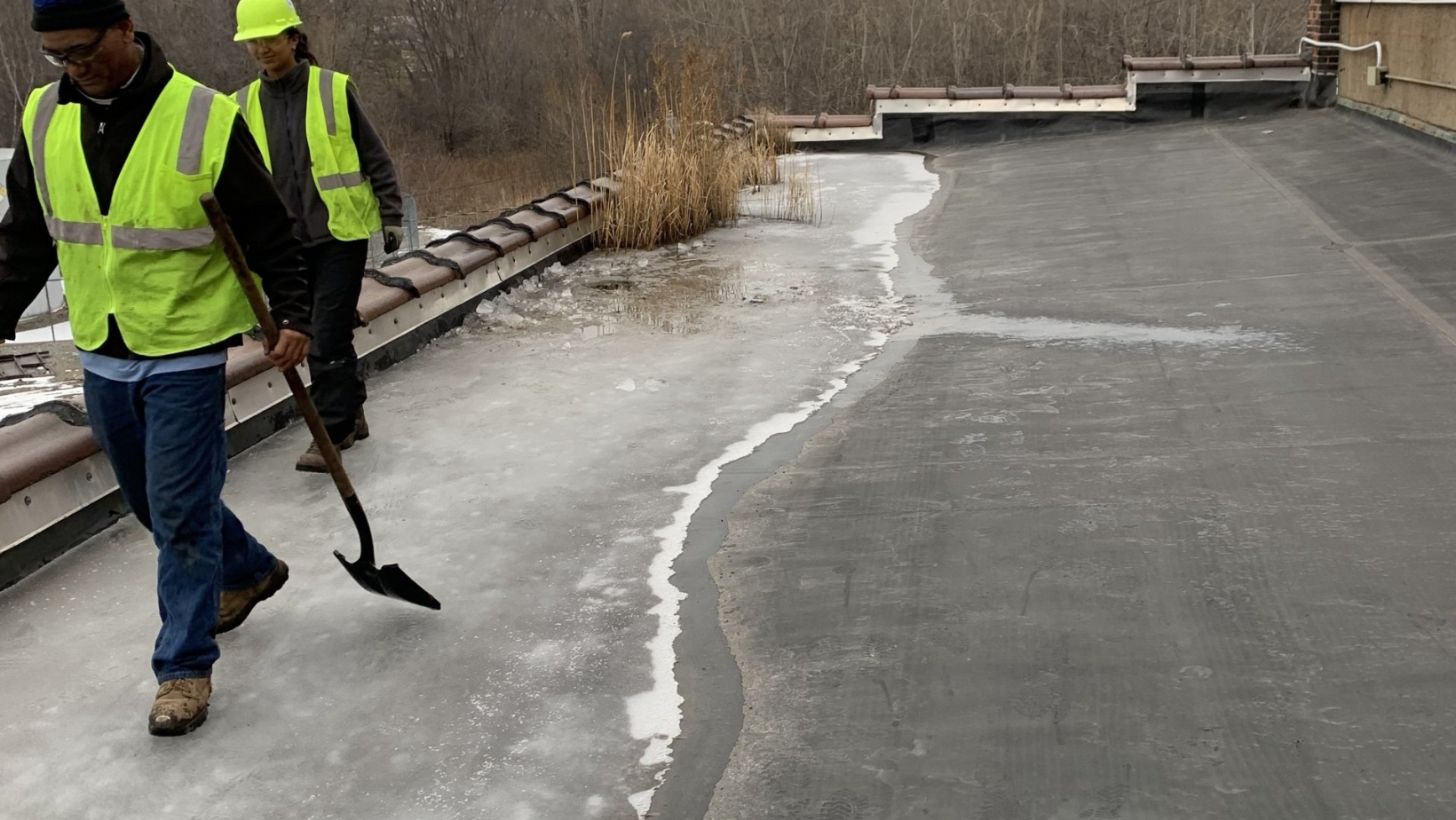
New England weather can be unforgiving, with snowstorms, heavy rains, and strong winds posing significant challenges to your roof's integrity. Regular inspections ensure that your roof is well-prepared to withstand these weather extremes. Roofing professionals can assess the roof's structural integrity, inspect for loose or damaged shingles, and identify potential weak points. By reinforcing vulnerable areas and making necessary repairs, you can fortify your roof against harsh weather conditions, reducing the risk of leaks, water damage, and other weather-related issues.
Compliance With Warranty Requirements
Many roofing materials come with warranties that cover specific periods. However, these warranties often require regular maintenance and inspections to remain valid. By scheduling regular roof inspections, you fulfill the warranty's maintenance requirements, ensuring that you remain eligible for potential claims or repairs within the warranty period. Regular inspections not only protect your investment but also provide peace of mind, knowing that your roof is maintained according to manufacturer guidelines.
Regular roof inspections are an essential part of responsible homeownership. From early issue detection to prolonged roof lifespan, optimal energy efficiency, protection against severe weather, and compliance with warranty requirements, the benefits of regular inspections are undeniable. By investing in professional roof inspections, such as those provided by Rodd Roofing in Vermont, you can identify and address minor problems before they escalate, ensure your roof's longevity, and protect your home and family from the elements.