Do's & Don'ts of Roof Replacement

A Guide To Success
What To Do And What to Avoid For A Roof Replacement
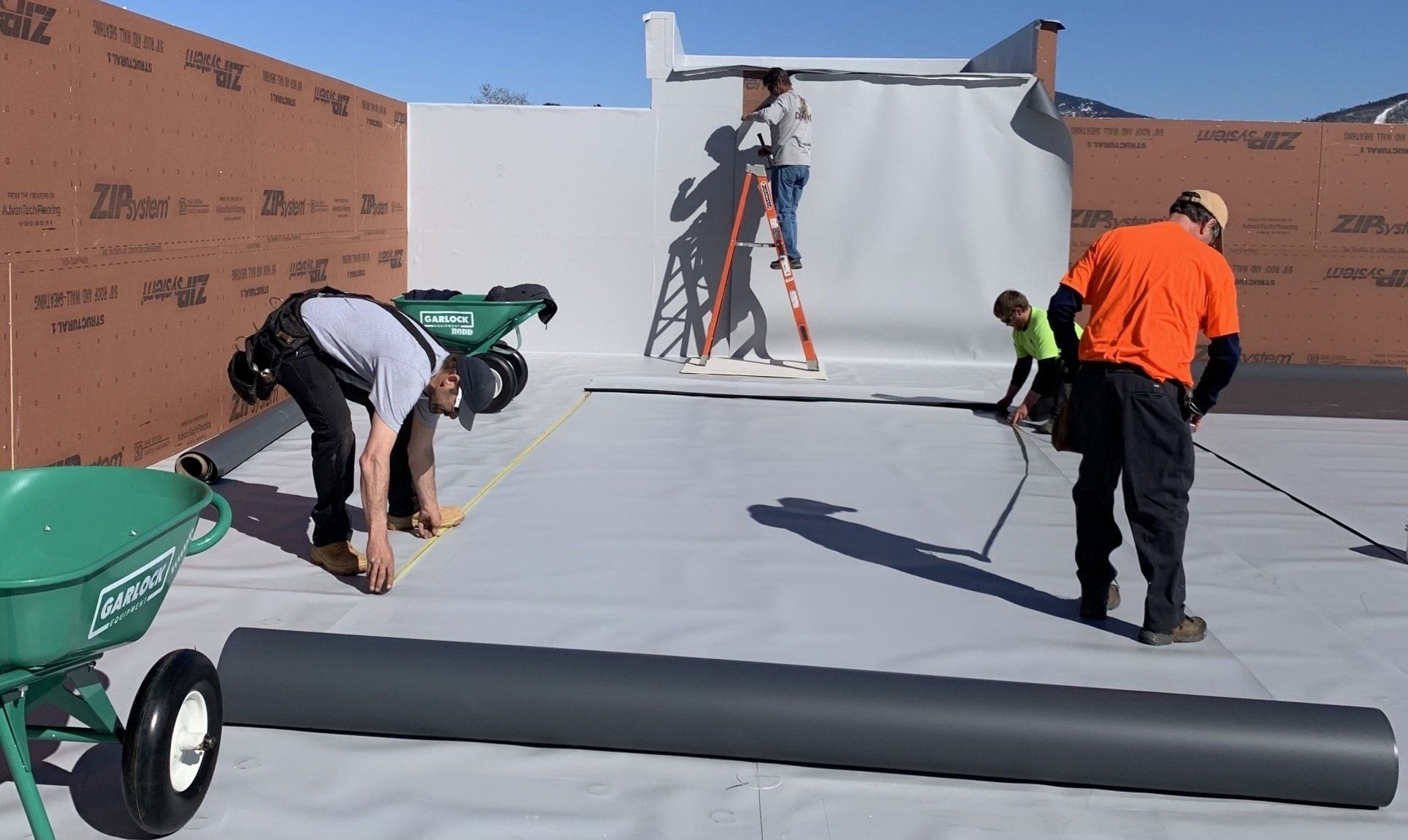
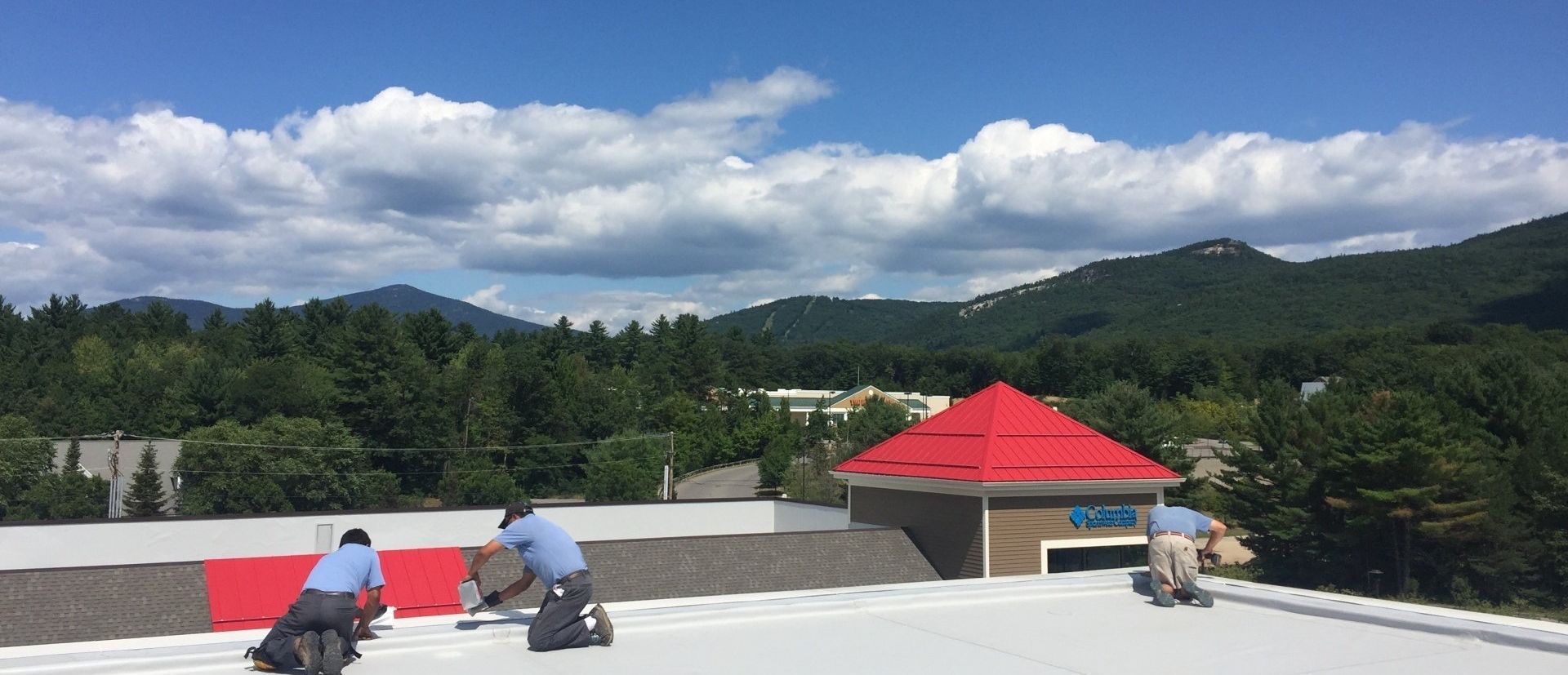
Replacing your roof is a significant investment in your home's protection and longevity. However, it's a project that requires careful planning and decision-making to ensure a successful outcome. In this blog post, we'll explore the do's and don'ts of roof replacement to help you make informed choices and achieve a durable, high-quality roof that will stand the test of time.
The Do's:
- Do Get Multiple Quotes: It's a good practice to obtain quotes from several roofing contractors to compare prices, services, and materials. This will help you make an informed decision and avoid overpaying.
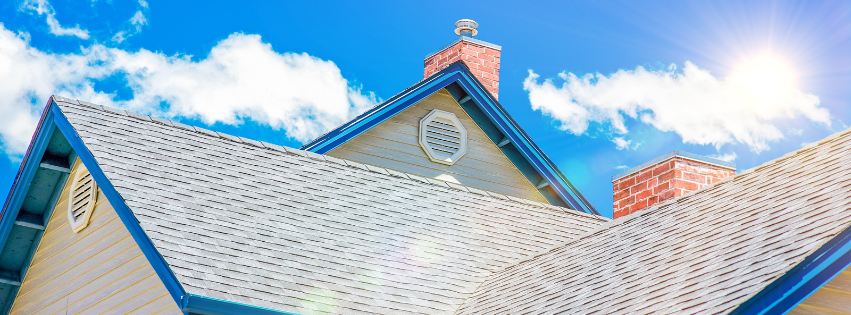
- Do Consider Ventilation: Proper attic ventilation is crucial for the longevity of your new roof. It helps regulate temperature and humidity, preventing issues like ice dams and mold growth. Ensure your contractor includes ventilation improvements in the project if needed.
- Do Check for Proper Licensing and Insurance: Ensure that the roofing contractor you choose is licensed, insured, and bonded. This provides protection for both you and the contractor in case of accidents or unforeseen issues.
- Do Plan for the Long Term: Think about the long-term performance and durability of your new roof. It's worth investing in high-quality materials and professional installation to maximize your roof's lifespan.
- Do Address Any Hidden Issues:
Before starting the replacement, your contractor should inspect the deck and structure beneath the old roof for any hidden issues, like rot or water damage, and address them before proceeding with the new installation.
The Don'ts:
- Don't Cut Corners: Cutting costs on materials or labor can lead to problems down the road. It's better to invest in quality materials and workmanship upfront to avoid costly repairs and replacements in the future.
- Don't Ignore Proper Permits: Ensure that your roofing project complies with local building codes and regulations. Neglecting this can result in fines or the need to redo the work.
- Don't Overlook Warranty Details: Pay attention to the warranties offered by both the roofing material manufacturer and the contractor. Understand what is covered and for how long, as this can provide valuable protection in the event of issues.
- Don't Rush the Decision: Roof replacement is a substantial investment, so take your time when making decisions. Rushing can lead to choices that you may later regret.
- Don't Neglect Cleanup: Roof replacement generates debris and waste. Confirm with your roofing contractor that they will handle the cleanup and disposal of old roofing materials as part of the project.
- Don't Forget About Maintenance: Once your new roof is in place, it's essential to establish a regular maintenance routine. Neglecting maintenance can shorten the life of your roof and lead to unexpected issues.
- Don't Skip a Thorough Inspection: After the replacement, ensure that your contractor conducts a final inspection to confirm that all work has been completed to your satisfaction and that there are no issues.
The do's and don'ts of roof replacement are essential guidelines to follow for a successful roofing project. Choosing the right material, hiring a professional roofer, getting multiple quotes, considering ventilation, checking for proper licensing and insurance, and planning for the long term are crucial steps. On the flip side, cutting corners, ignoring permits, overlooking warranties, rushing decisions, neglecting cleanup, forgetting about maintenance, and skipping inspections can lead to problems and dissatisfaction. By adhering to these guidelines, you can ensure that your new roof provides the protection and performance your home deserves.