The Benefits of Snow Guards on Residential Roofs
Need Winter Weather Protection for Your Roof?
Snow guards may be your solution to the threat of winter weather.
Winter brings a blanket of snow that transforms our surroundings into a picturesque wonderland, but with its beauty comes the challenge of protecting our homes from the potential hazards it poses. One vital aspect of safeguarding your residential roof during snowy seasons is the installation of snow guards. These unassuming devices serve a crucial role in preventing snow and ice accumulation from causing damage to your roof and creating safety hazards. In this blog, we'll explore the benefits of snow guards on residential roofs.
Prevents Ice Dams
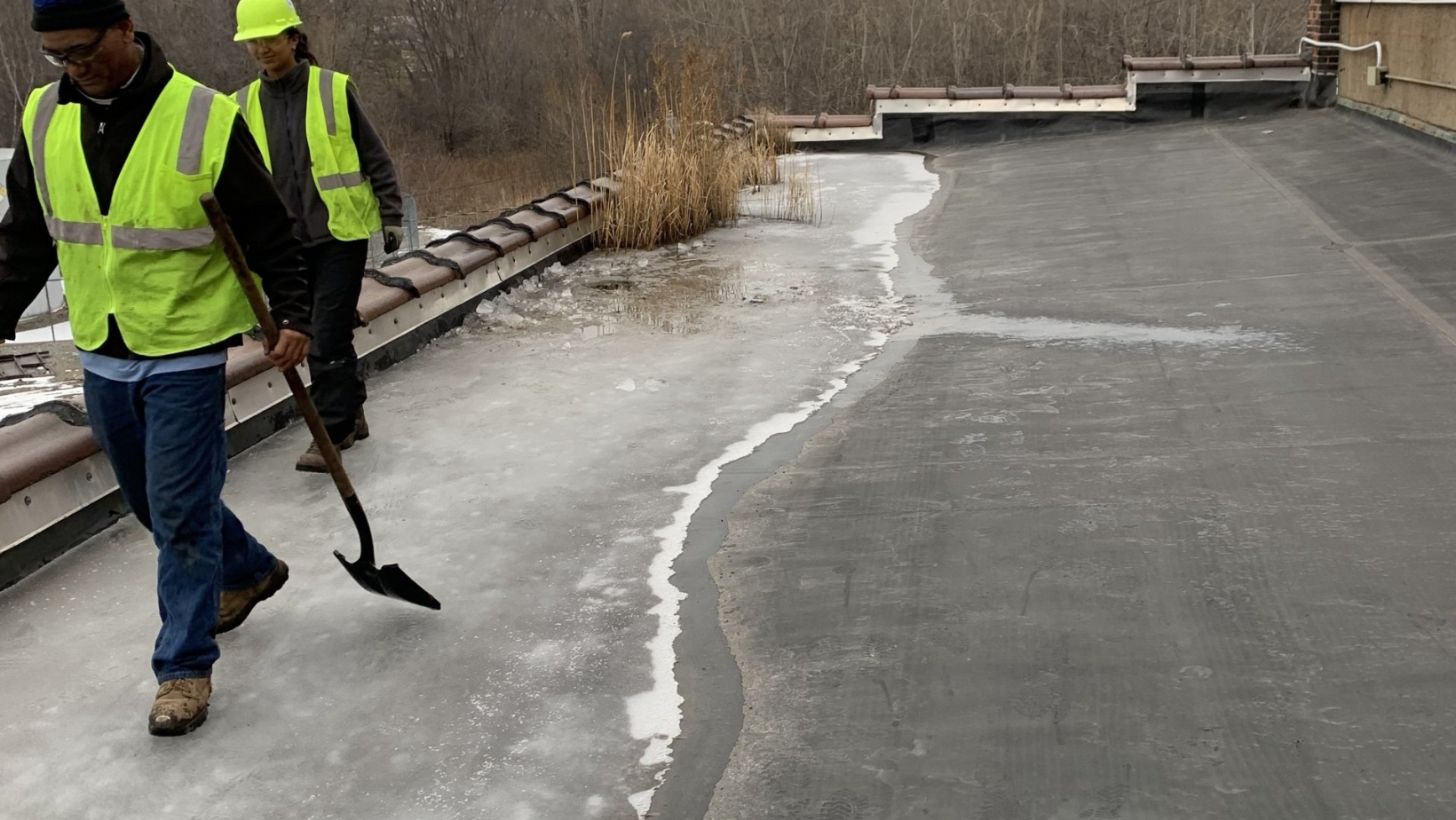
Ice dams are a common issue during the winter months, occurring when snow on the roof melts and then refreezes at the edge, forming a barrier that blocks further runoff. This can lead to water seeping beneath shingles, causing roof leaks and structural damage. Snow guards play a pivotal role in breaking up the snow and ice, preventing the formation of these damaging ice dams. By allowing a controlled flow of melting snow, snow guards help protect your roof and interior spaces.
Protects Against Falling Snow & Ice
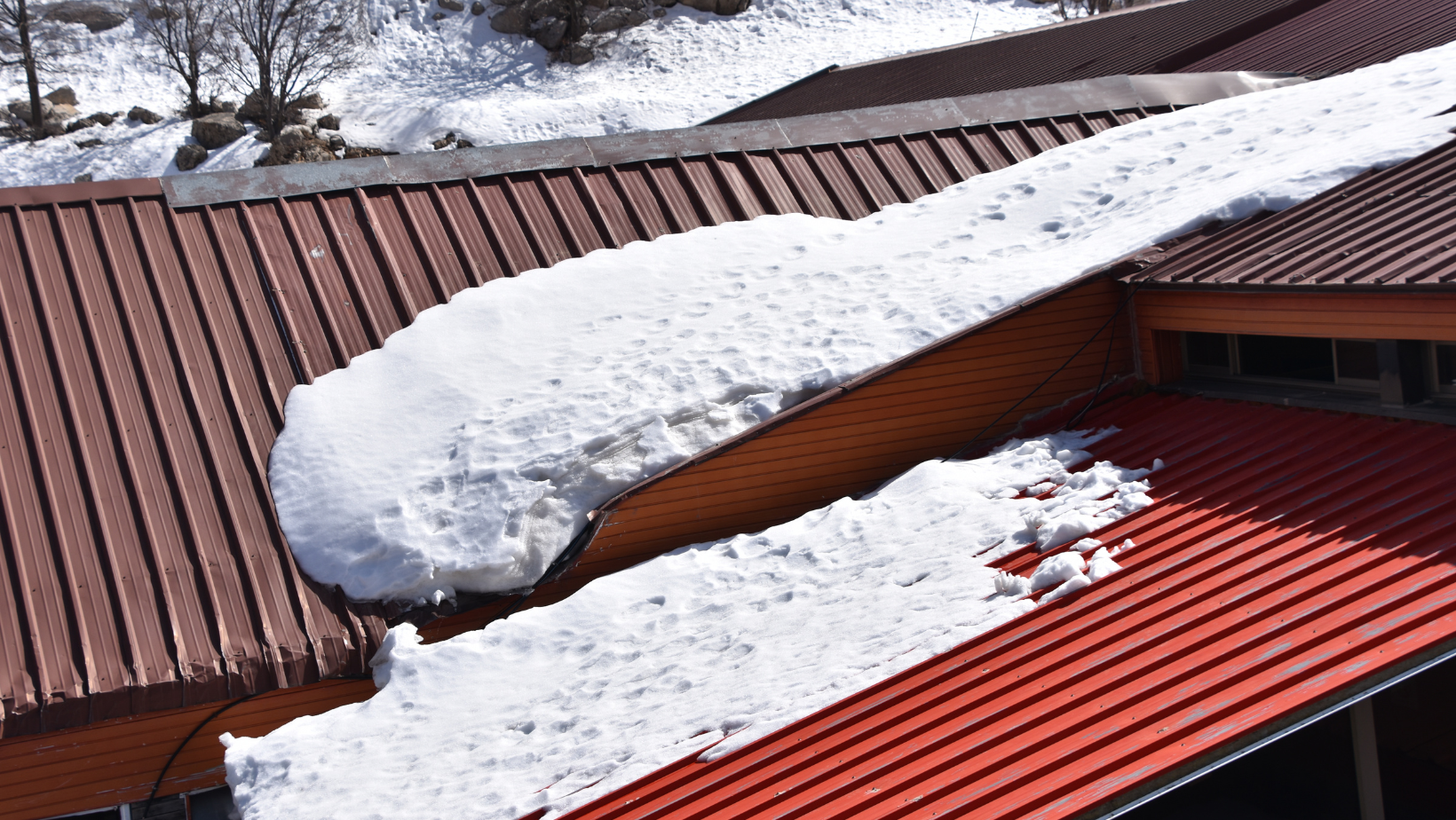
The accumulation of heavy snow and ice on your roof can pose a significant risk to the safety of your family and passersby. Snow guards work as a barrier, holding the snow and ice in place until it gradually melts and falls off in smaller, manageable pieces. This prevents sudden, dangerous avalanches of snow and icicles that could cause injury or damage to property.
Preserves the Roofs Structural Integrity
The weight of accumulated snow and ice can exert tremendous pressure on your roof's structure, potentially leading to structural damage or even collapse. Snow guards help distribute this weight more evenly, reducing the stress on your roof. By doing so, they extend the life of your roof and decrease the likelihood of costly repairs.
Protects Gutters & Eaves
Snow and ice buildup can be especially damaging to gutters and eaves. When snow melts and refreezes in your gutters, it can cause them to warp, crack, or become detached from the roof. Snow guards help prevent this by allowing melting snow to flow into the gutters in a controlled manner, reducing the risk of damage and prolonging the life of your gutter system.
Aesthetic Appeal
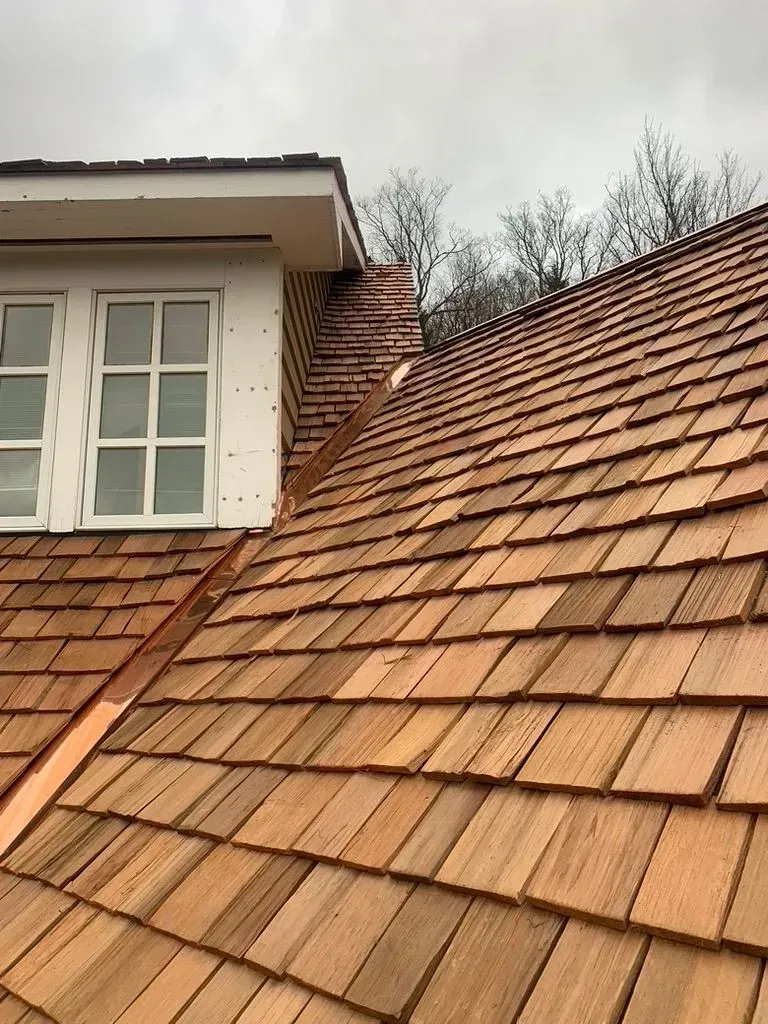
Snow guards come in a variety of styles and materials that can complement the overall design of your home. While they serve a practical purpose, they can also enhance the aesthetic appeal of your residential roof. With an array of choices available, you can select snow guards that seamlessly blend with your roof's design and color.
Increased Safety
One of the most significant benefits of snow guards is the enhanced safety they provide. In areas with heavy snowfall, falling snow and ice can be a genuine danger. Snow guards mitigate this risk, making your home and property safer for both residents and visitors. By preventing falling debris and ice dams, you can enjoy peace of mind during the winter months.
Long-term Cost Savings
While the initial installation of snow guards may incur some expense, the long-term cost savings are substantial. They help protect your roof from damage, reducing the need for costly repairs or premature roof replacement. Moreover, they extend the lifespan of your gutters and eaves, further reducing maintenance costs.
Snow guards are an essential addition to your residential roof, offering a range of benefits that protect your home, enhance safety, and save you money in the long run. To ensure the proper installation and selection of snow guards for your specific roof, it's essential to consult with a professional roofing contractor like Rodd Roofing. With the right snow guards in place, you can embrace the beauty of winter without worrying about its potential impact on your home.