Historic Homes: Choosing The Right Roof
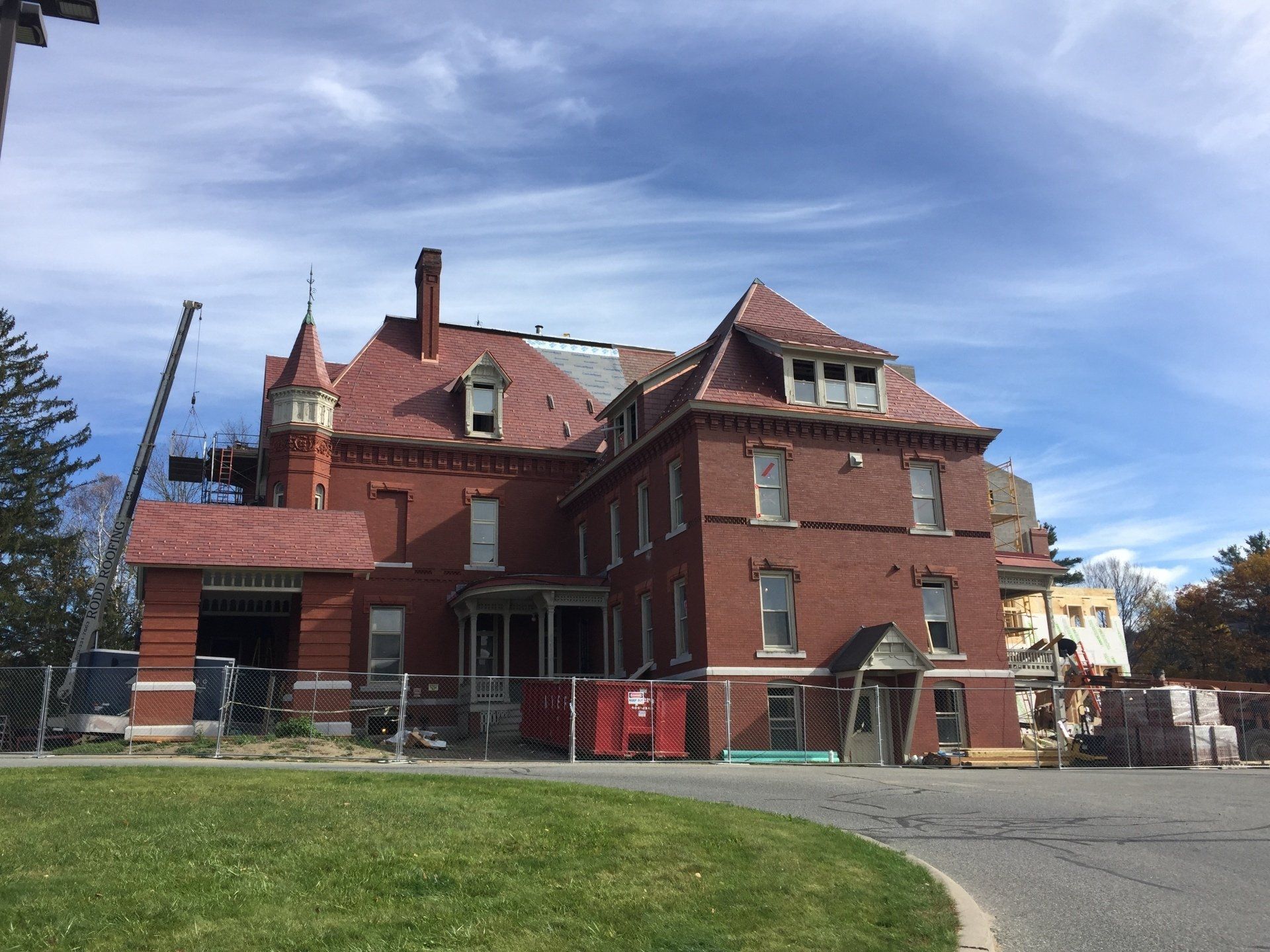
Preserving History
Roofing Options For Historic New England Homes
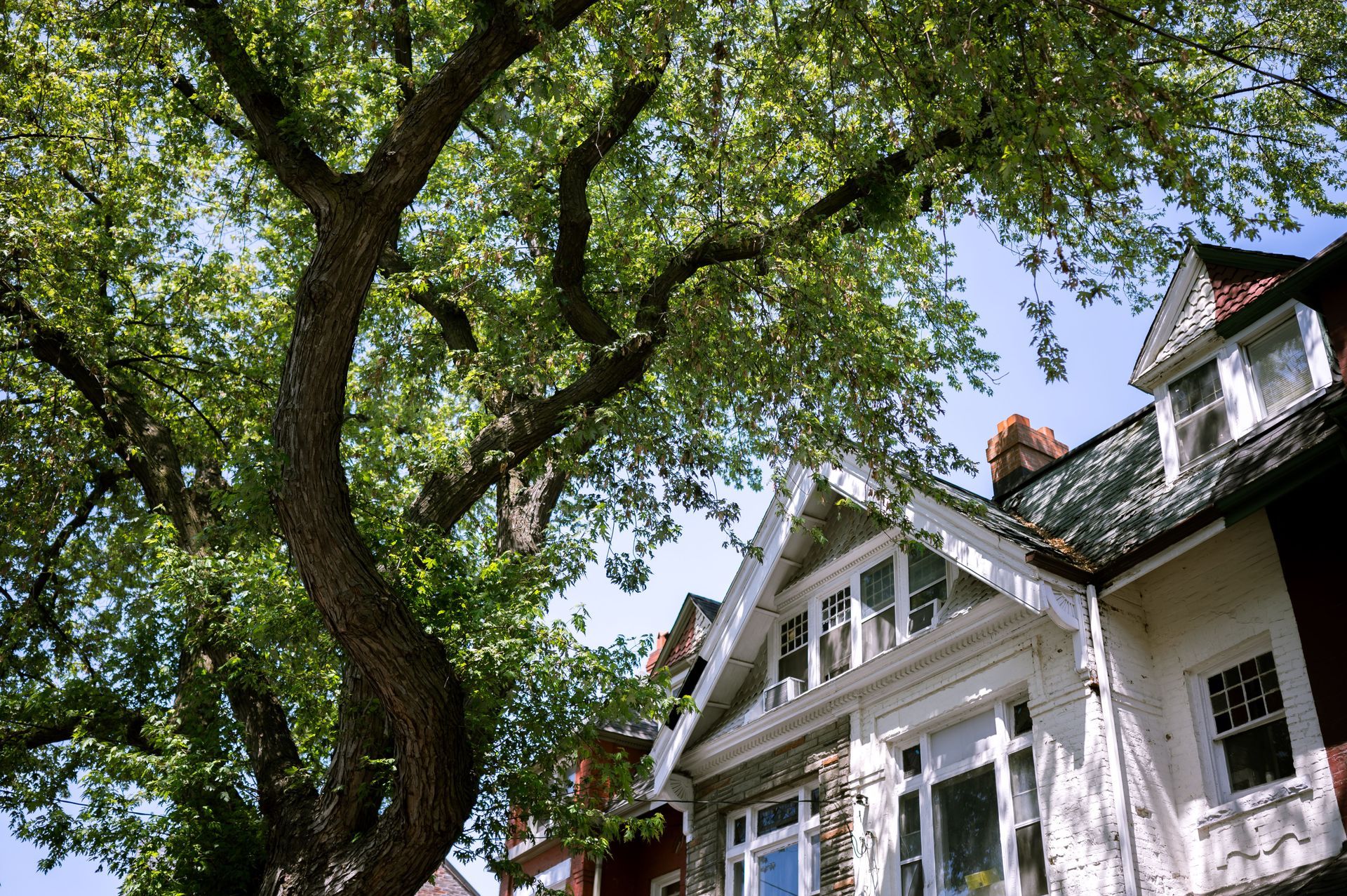
Historic homes exude a unique charm and character that's hard to replicate. From quaint cottages to grand estates, these architectural treasures are a testament to the craftsmanship of their era. However, maintaining a historic home comes with its own set of challenges, and selecting the right roof is a crucial decision. In this blog post, we'll explore the considerations and options for choosing the perfect roof for your historic home, preserving its authenticity and value.
Understand the Historical Period
The first step in selecting the right roof for your historic home is to understand its historical period and architectural style. Different eras and styles often had distinct roofing materials and designs. Research the specific time when your home was built, and consult local historic preservation organizations or experts to ensure historical accuracy.
Match the Original Roofing Material
Preserving the authenticity of a historic home is paramount. Whenever possible, aim to match the original roofing material. For example, if your home had cedar shakes or slate tiles originally, consider using similar materials for your new roof to maintain the historical aesthetic.
Consider Local Building Codes
Local building codes and historic preservation regulations may affect your roofing options. Be sure to check with your local authorities to ensure that your roofing choice complies with these guidelines. Many historic districts have strict rules governing the appearance of roofs.
Materials
Slate & Tile
Slate and tile roofs are common choices for historic homes, particularly in the Northeast and older urban areas. These materials offer a timeless and elegant look, as well as excellent durability. While they may be more expensive upfront, they can last for a century or more, making them a cost-effective choice in the long run.
Wood Shingles & Shakes
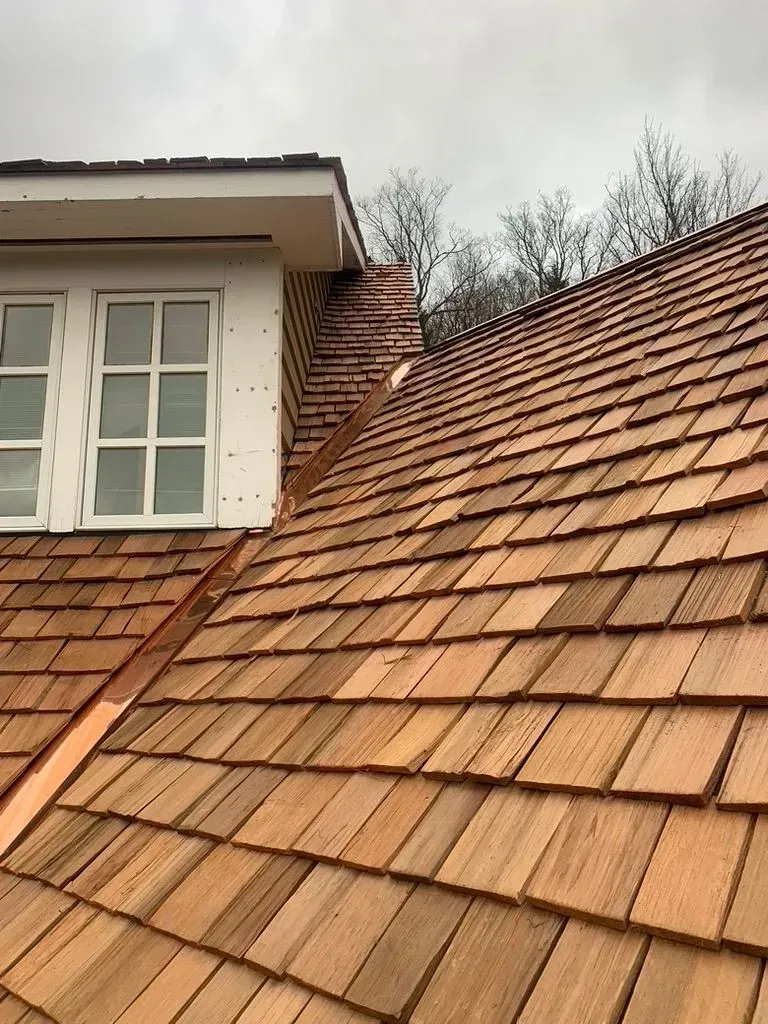
Wood shingles and shakes are a traditional choice for historic homes. They exude warmth and charm, but they may require more maintenance than other materials. If you choose wood, be prepared for regular inspections and treatments to prevent rot and decay.
Metal Roofing
Metal roofing has made a resurgence in recent years, and it can be a suitable option for historic homes. Its longevity and versatility make it an attractive choice. Metal roofing can be designed to mimic the look of traditional materials, such as slate or shingles, while providing modern durability.
Asphalt Shingles
While asphalt shingles may not be the most authentic choice for historic homes, they can be a cost-effective alternative for homeowners on a budget. High-quality asphalt shingles are available in various styles and colors, some of which can mimic the appearance of traditional roofing materials.
Considerations
Energy Efficiency
Consider the energy efficiency of your roofing material. Historic homes are often less energy-efficient than modern constructions. Choosing an energy-efficient roof can help you lower your utility bills and reduce your environmental footprint.
Maintanence & Repairs
Historic homes require regular maintenance, and your roof is no exception. Be prepared to invest in ongoing maintenance and repairs to keep your roof in excellent condition. Regular inspections by a professional roofer are essential to identify and address issues promptly.
Consult With Experts
Choosing the right roof for your historic home is a complex decision. It's advisable to consult with historic preservation experts and roofing professionals who have experience working with historic homes. They can provide guidance on suitable materials and designs that match your home's style and period.
Selecting the right roof for your historic home is a crucial decision that can impact its authenticity, value, and long-term maintenance. Understanding the historical period, matching the original roofing material, and complying with local regulations are essential steps in the process. Whether you opt for slate, tile, wood, metal, or asphalt, preserving the charm and character of your historic home is the ultimate goal. A well-maintained, historically accurate roof not only protects your home but also ensures that its unique character endures for generations to come.