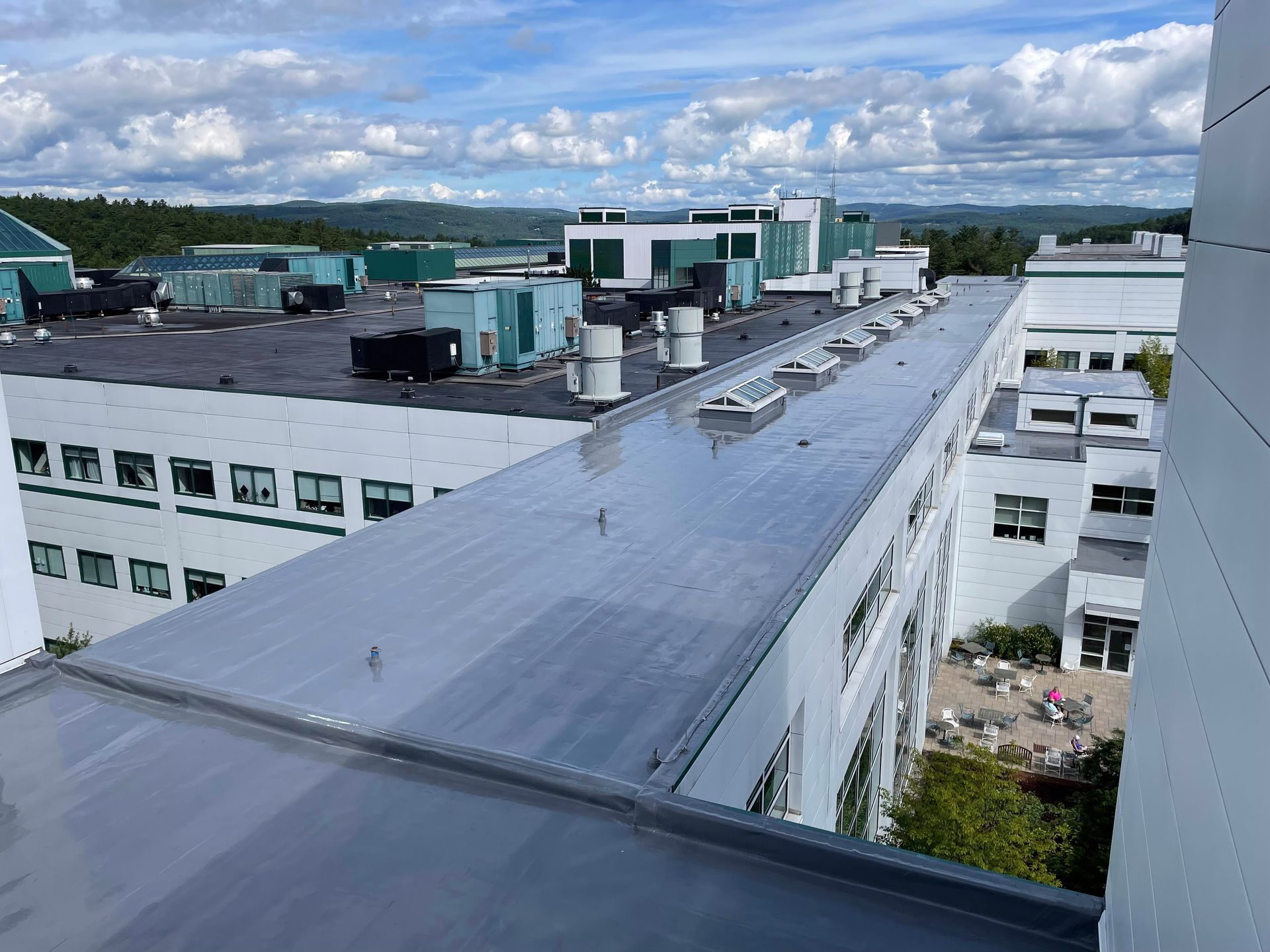

What Is the Process Like for Professional Flat Roof Installation?
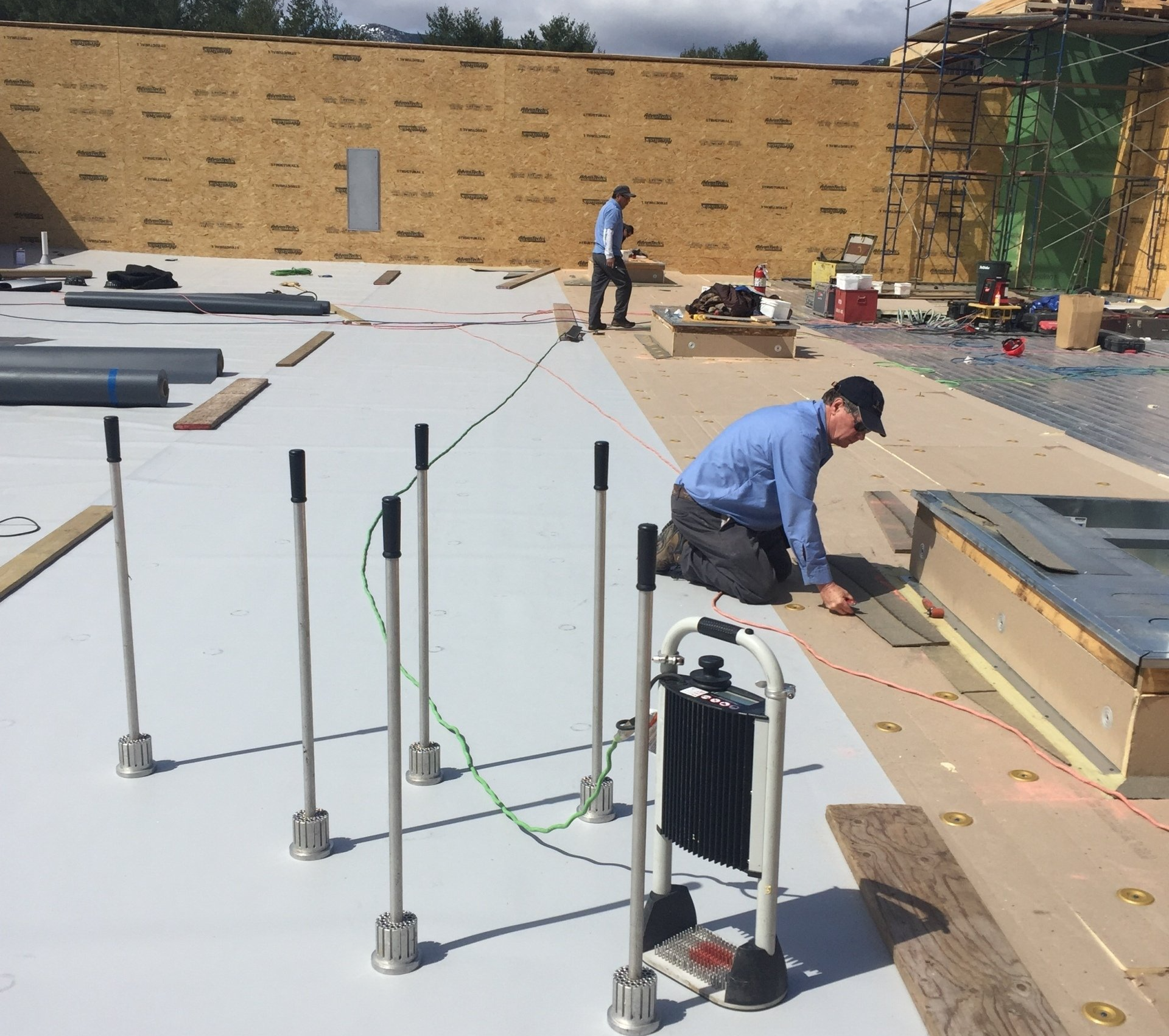
Flat Roofing Craftsmanship
Unveiling the Secrets of Expert Installation
Whether it's for a commercial or residential property, the success of the flat roof installation depends on a series of well-coordinated steps. In this blog, we'll delve into the detailed process of professional flat roof installation, providing insights into the key stages and considerations involved.
1: Initial Inspection & Assessment
2: Design & Planning
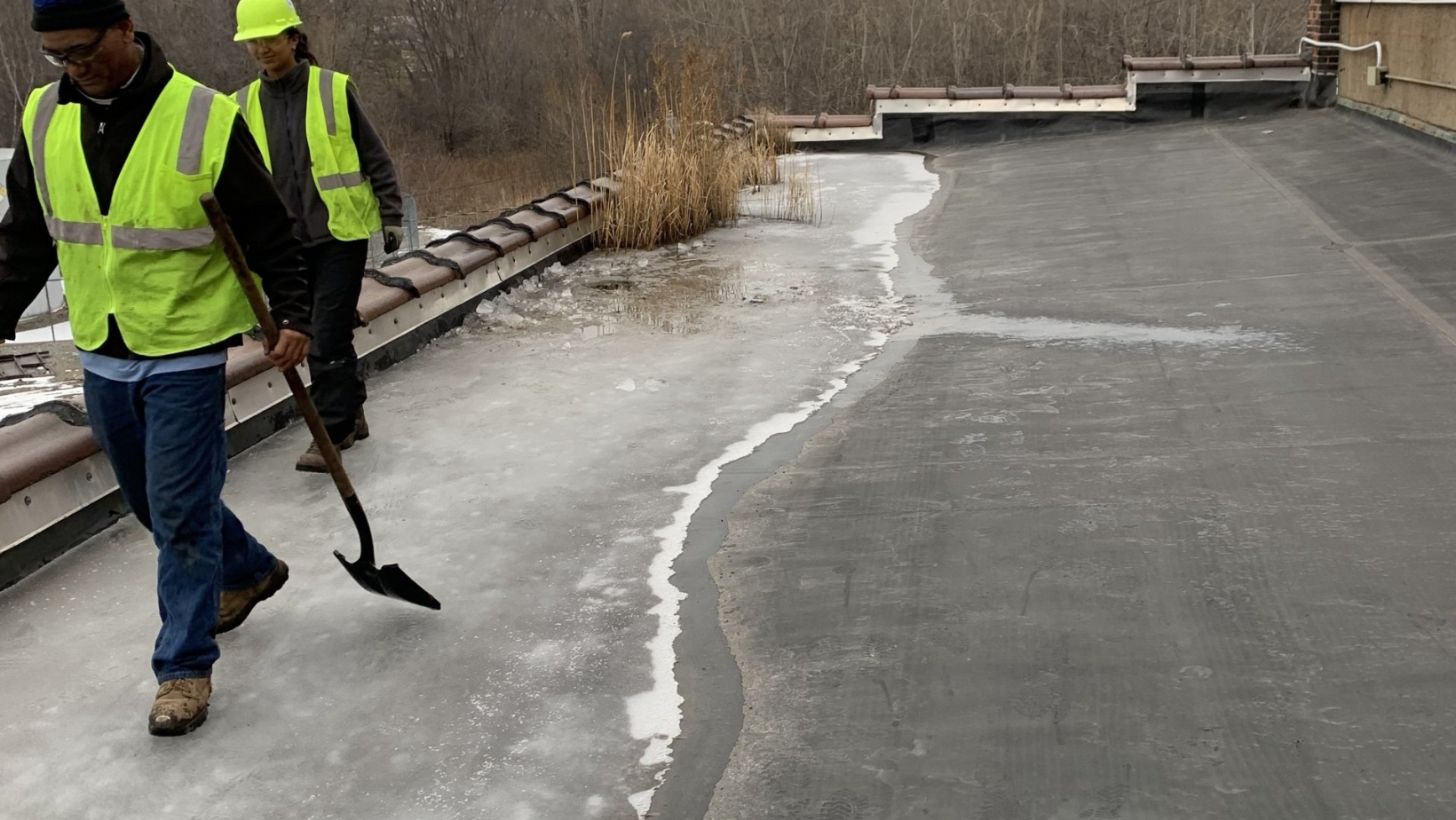
The first step in professional flat roof installation is a thorough inspection and assessment of the existing structure. This involves examining the roof's condition, identifying any underlying issues, and determining the suitability of the current roofing system. The inspection helps professionals understand the unique requirements of the project and enables them to plan accordingly.
Once the initial assessment is complete, the next phase involves designing and planning the flat roof installation. This includes selecting the appropriate roofing material, calculating the required slope for drainage, and ensuring compliance with local building codes. The design phase is crucial in determining the long-term effectiveness and efficiency of the flat roof.
3: Removal of Existing Roofing Material
4: Structural Repairs & Reinforcements
In many cases, professional flat roof installation requires the removal of the existing roofing material. This step involves stripping away old layers, identifying any structural issues, and preparing the substrate for the new roof. The removal process is carried out with precision to minimize any potential damage to the underlying structure.
With the old roofing material removed, the next step is addressing any structural repairs or reinforcements that may be necessary. This could involve repairing damaged sheathing, reinforcing the roof deck, or making adjustments to ensure proper load distribution. Structural integrity is paramount for a flat roof to withstand various weather conditions and other stress factors.
5: Installation of Insulation
6: Waterproofing & Membrane Installation
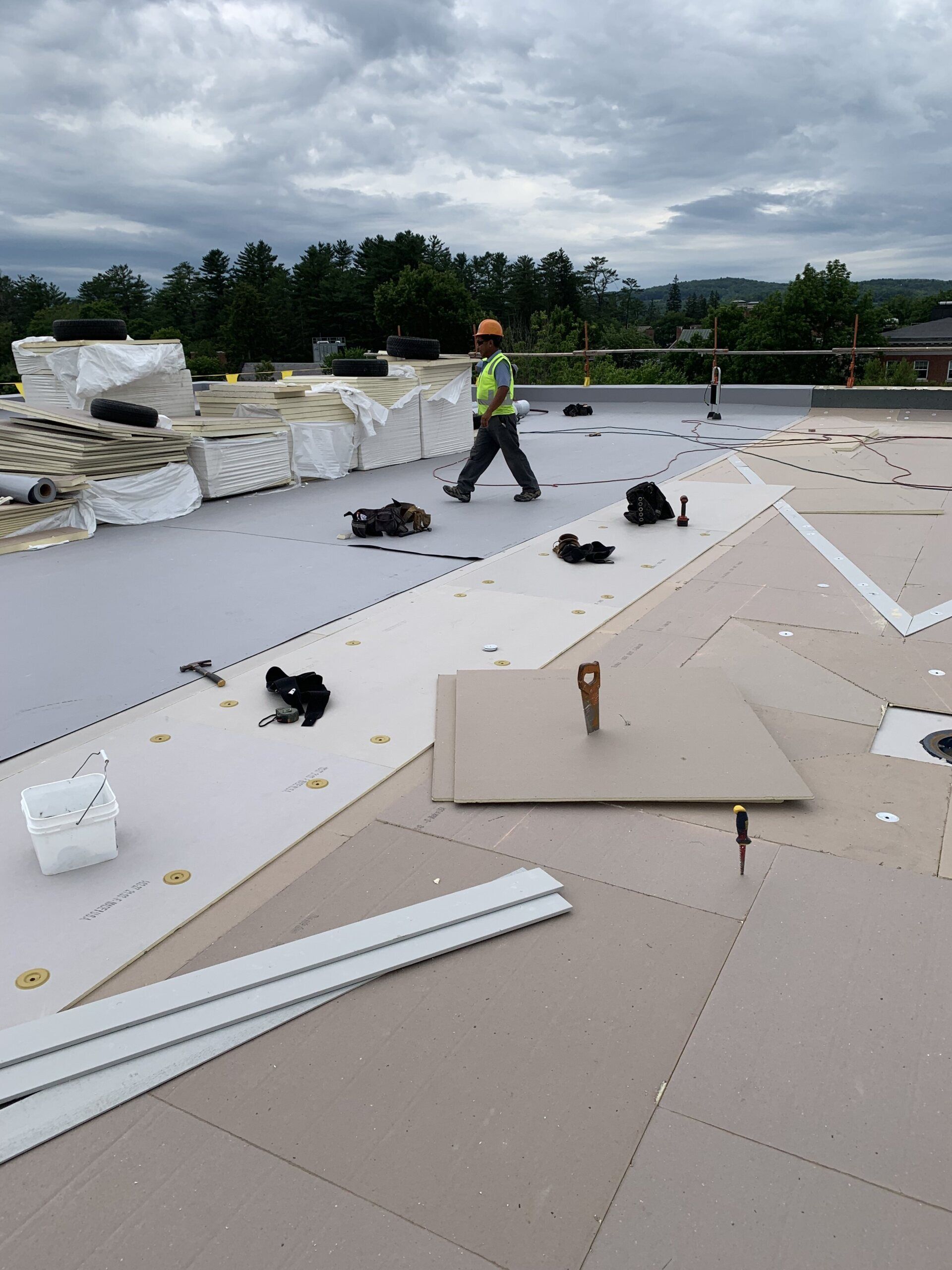
Proper insulation is crucial for flat roofs to provide energy efficiency and temperature control. During the installation process, professionals add insulation materials to the roof deck. This step not only enhances the building's thermal performance but also prevents issues such as condensation and moisture buildup.
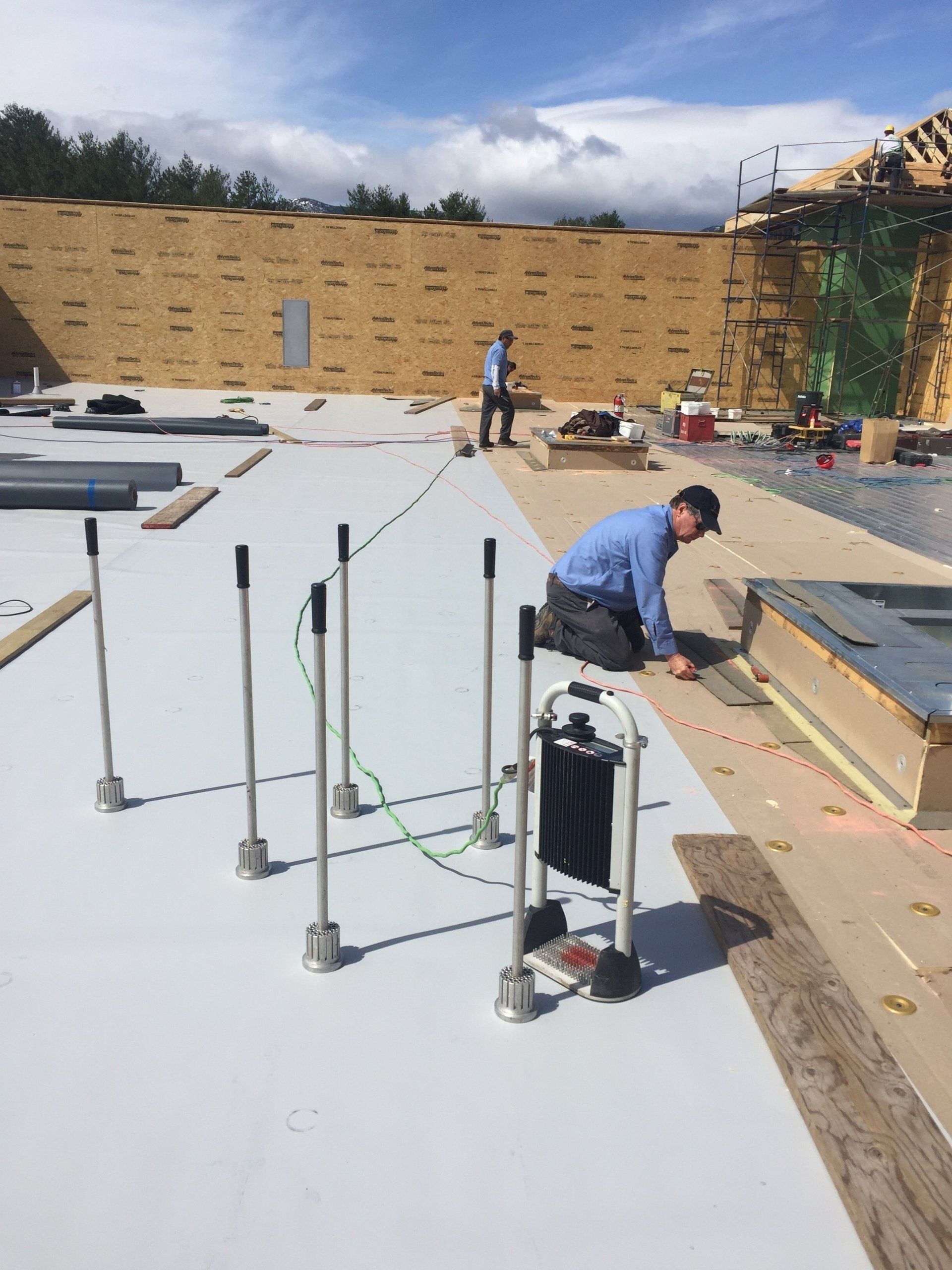
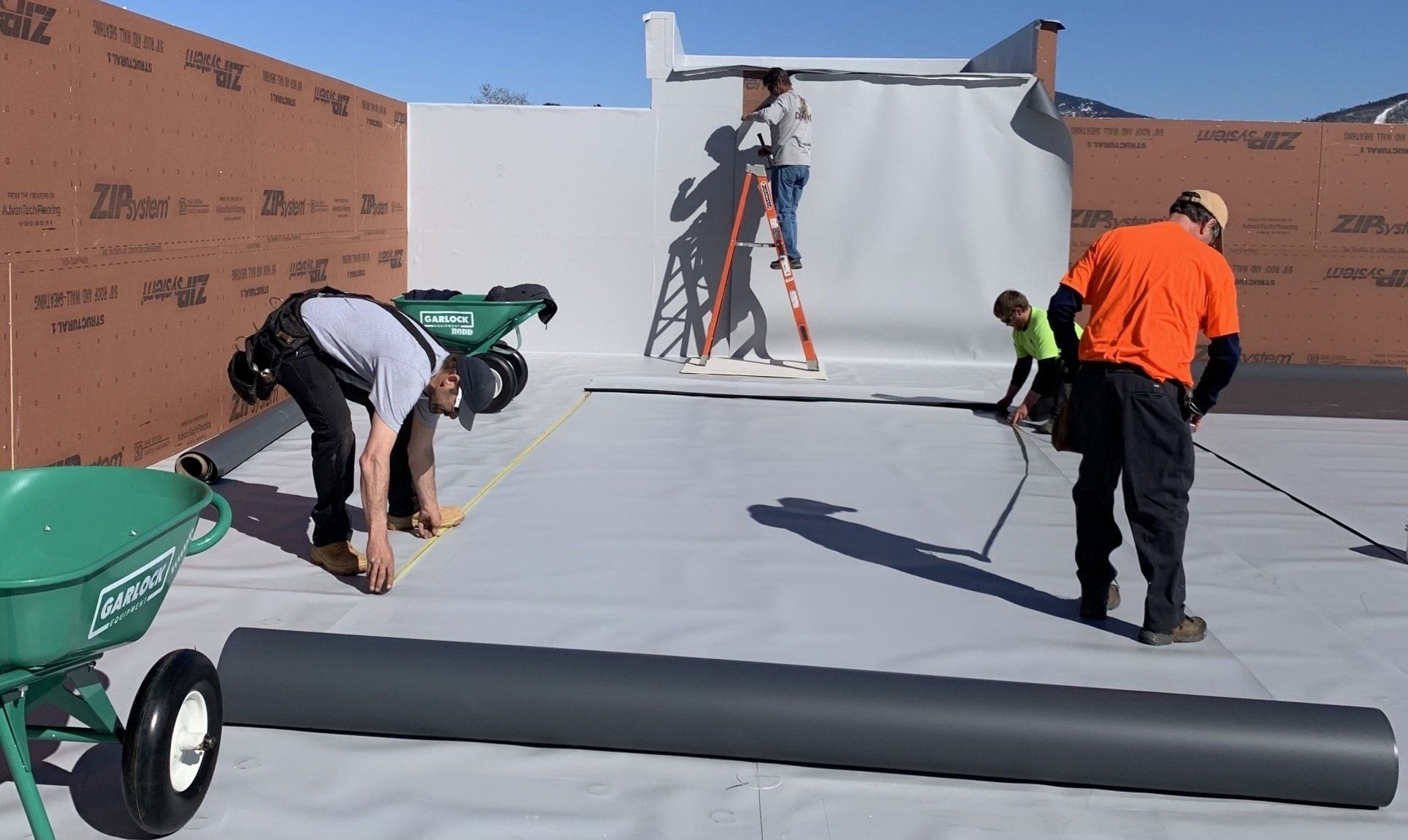
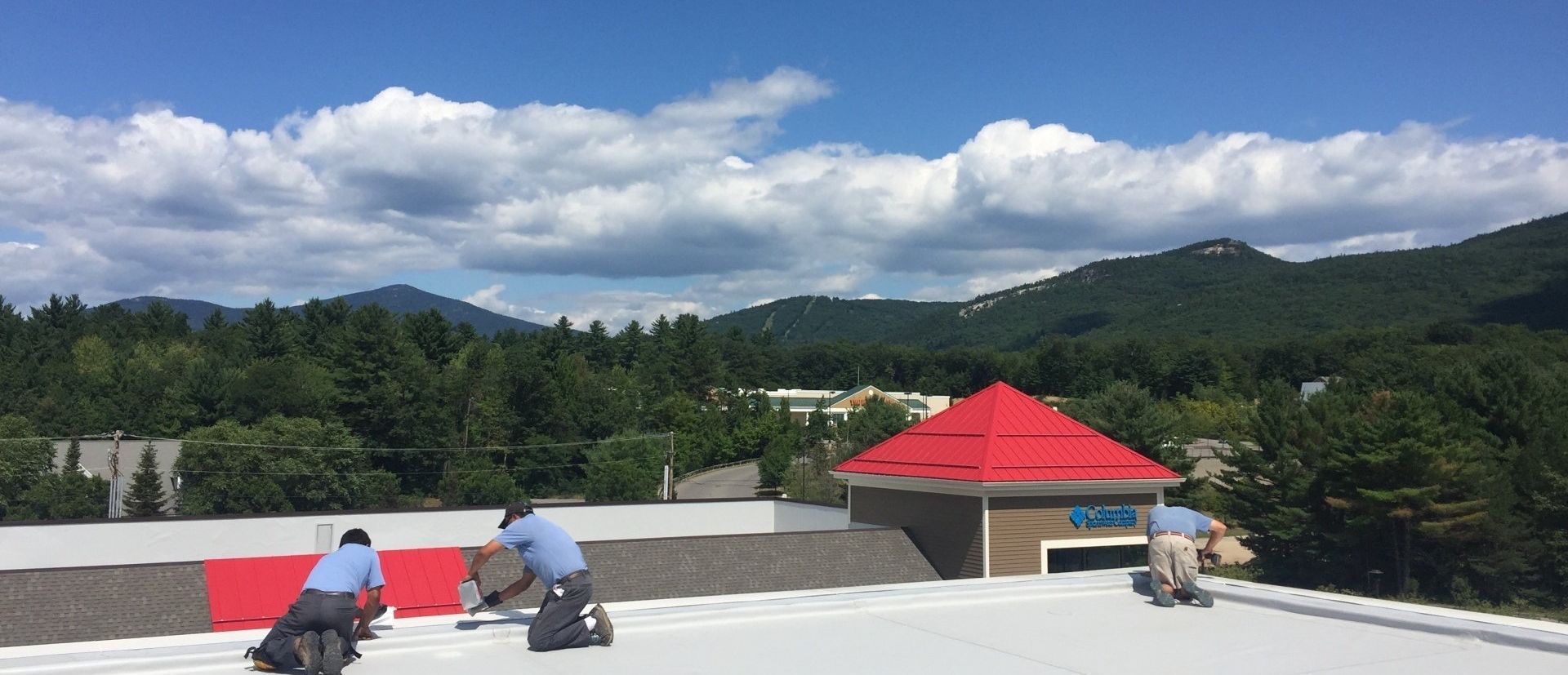
The core of any flat roof is its waterproofing system. Professionals install a waterproof membrane that acts as a barrier against water infiltration. This membrane can be made of materials such as modified bitumen, PVC, TPO, or EPDM, depending on the chosen roofing system. The installation is carried out meticulously, ensuring seams are properly sealed to prevent leaks.
7: Flashing & Edge Detail Installation
8: Final Inspection & Quality Assurance
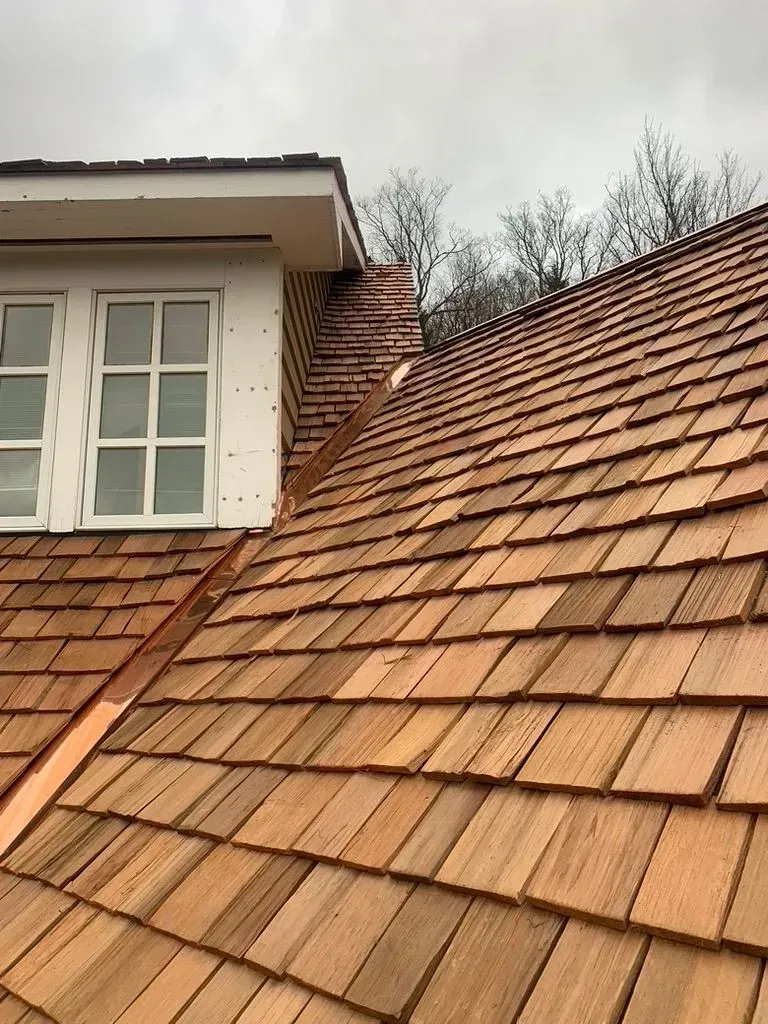
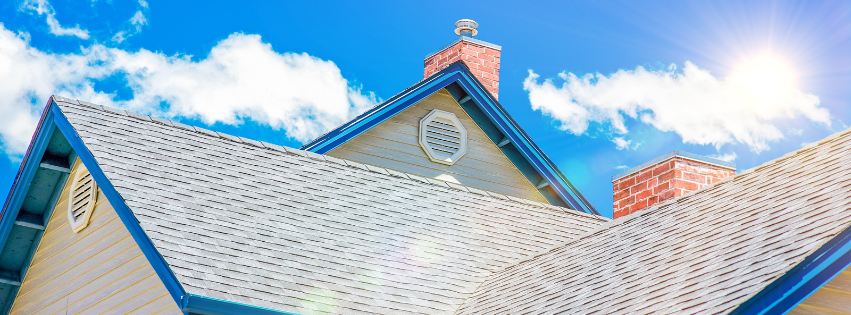
Flashing is installed around roof penetrations, such as vents and chimneys, to prevent water intrusion. Additionally, professionals pay close attention to the edge details, ensuring a secure and watertight seal along the perimeter of the roof. Properly installed flashing and edge details are critical for long-term performance.
Once the installation is complete, a final inspection is conducted to ensure that all components are in place and the flat roof meets quality standards. Professionals check for proper drainage, secure seams, and inspect flashing and edge details. This quality assurance step is essential to confirm the durability and reliability of the newly installed flat roof.New Paragraph
Professional flat roof installation is a comprehensive process that demands careful planning, skilled labor, and the use of high-quality materials. From the initial inspection and design phase to the final inspection and quality assurance, each step plays a crucial role in ensuring the longevity and performance of the flat roof. Property owners can rest assured that a well-executed professional installation will result in a durable and efficient flat roofing system that withstands the test of time.