
Spring Roof Inspection Checklist

Your Essential Roof Inspection Checklist
Spring is finally here, it's time to open the windows, shake off the winter dust, and tackle that to-do list of seasonal home maintenance. And what better way to celebrate than with a spring roof inspection? A thorough roof inspection is one of the best ways to catch problems early and protect your home from costly repairs down the line. Winter can be tough on a roof and can cause issues that aren’t visible from the ground, and we don't want to deal with any unpleasant surprises.
Not sure where to start? Here’s a simple, homeowner-friendly checklist to guide your spring roof inspection:
Start With a Visual Scan From The Ground
Take a walk around your property and look up at the roof. You’re checking for obvious signs of trouble: missing, curled, or cracked shingles, debris buildup, and sagging areas. Use binoculars if needed, but don’t climb up there! A professional roofer can take a closer look if anything seems off.
Inspect Gutters & Downspouts
Your gutters play a big role in protecting your roof. Check that they’re securely attached and free of leaves, twigs, and sediment. Clogged or sagging gutters can lead to water pooling on the roof or around your foundation. Make sure downspouts are directing water at least a few feet away from your home.
Check for Signs of Water Damage
Head up to the attic (if accessible) and look for signs of moisture: water stains, mold, mildew, or damp insulation. These are red flags that your roof may be leaking. Even a small leak can cause big damage if left unaddressed.
Look at Flashing & Chimneys
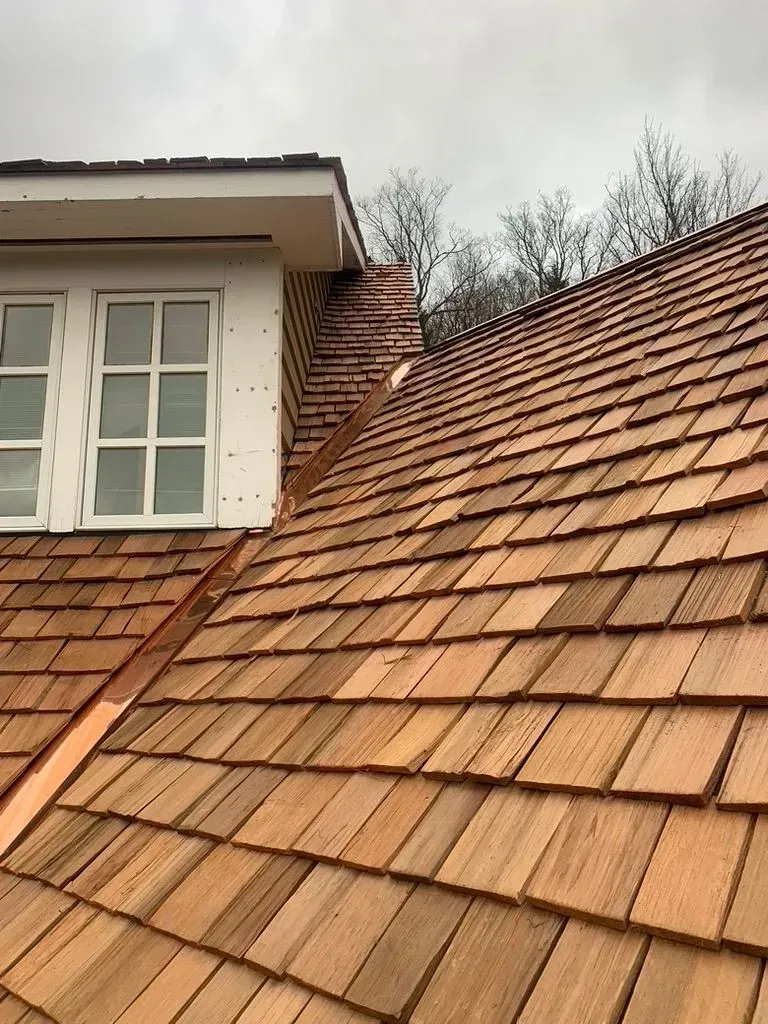
Flashing, those metal pieces around roof joints, chimneys, and vents, can take a beating during winter. Check for rust, cracks, or separation. Damaged flashing is a common source of leaks, so don’t ignore it.
While you're at it, inspect your chimney for missing mortar or loose bricks. Remember, leave it to the professionals to get up onto your roof for a closer look!
Trim Overhanging Branches
If trees are growing close to your home, make sure branches aren’t hanging over your roof. Not only can branches break off in storms and cause damage, but they also drop leaves and debris that clog gutters and trap moisture. Contact a pro for branches in high places!
Schedule a Professional Inspection
Even if everything looks fine, it’s still a good idea to get a professional roof inspection, especially if your roof is more than 10 years old. A trained eye can catch subtle signs of wear that homeowners might miss. Plus, you’ll get peace of mind knowing your roof is ready for the season ahead.
Stay Ahead of the Storm
Spring is all about fresh starts, and your roof deserves one too. A little time spent on inspection now can prevent expensive surprises later. If you’d rather not tackle it yourself, give us a call. We’re happy to handle your spring roof inspection so you can get back to enjoying the season.