Best Roofing Choices for Multi-Season Locations

Living in a region with distinct seasons—hot summers, freezing winters, heavy rains, and everything in between—means your roof has to withstand a lot. In Vermont and New Hampshire, where weather conditions fluctuate dramatically, choosing the right roofing material is crucial for long-term durability, energy efficiency, and protection.
In this guide, we'll break down the best roofing materials for multi-season climates to help you make an informed decision for your New England home or business.
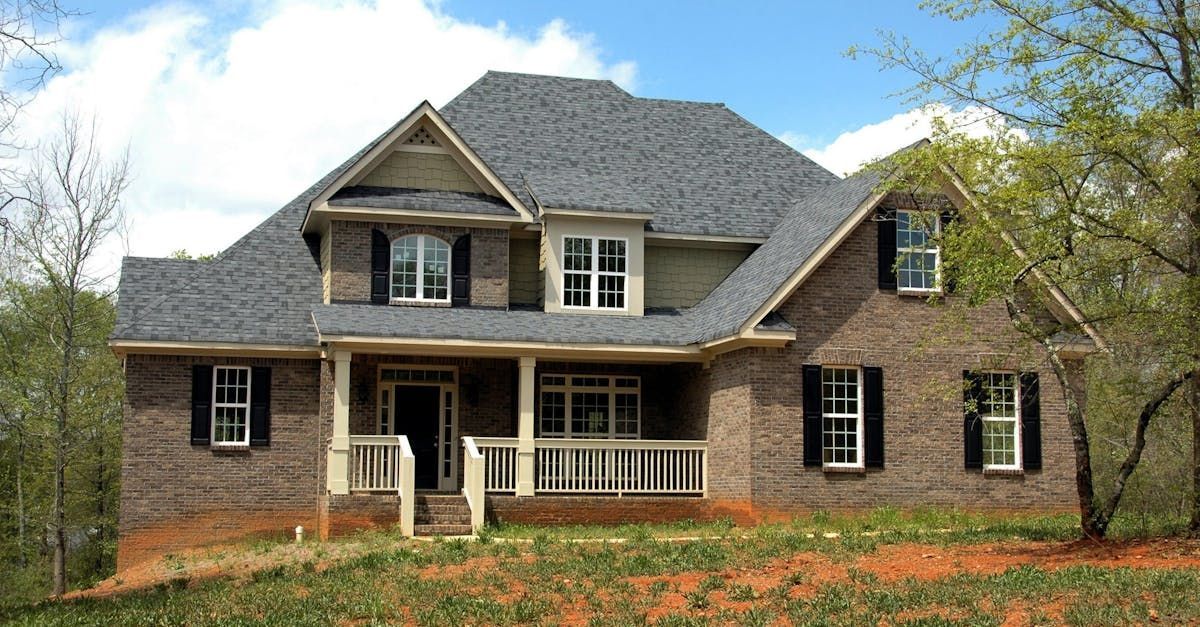
Asphalt Shingles: A Versatile and Affordable Option
Why Choose Asphalt?
- Cost-effective and widely available
- Designed to handle temperature fluctuations
- Available in a variety of styles and colors
- Some options offer impact and wind resistance
Best for: Homeowners looking for an affordable, reliable option that performs well in diverse weather conditions.
🔎 Considerations: Standard asphalt shingles have a lifespan of 20–30 years, but extreme weather can shorten their longevity. Upgrading to architectural or impact-resistant shingles can offer better durability.
Metal Roofing: Built for Harsh Weather
Why Choose Metal?
- Excellent durability (40-70+ year lifespan)
- Resists heavy snow, ice, and high winds
- Reflects sunlight to improve energy efficiency
- Low maintenance and fire-resistant
Best for: Homes and businesses in areas with heavy snow and ice. Metal roofing allows snow to slide off easily, reducing stress on the structure.
🔎 Considerations: Metal roofing has a higher upfront cost than asphalt but pays off in longevity and energy savings. Proper insulation is key to preventing condensation issues.
Slate Roofing: The Ultimate in Longevity
Why Choose Slate?
- Extremely durable (can last 100+ years)
- Highly resistant to fire, wind, and moisture
- Provides a timeless, high-end aesthetic
Best for: Business and homeowners looking for a long-lasting, premium roofing solution.
🔎 Considerations: Slate is heavy and requires a reinforced roof structure. It’s also one of the most expensive roofing options, but its durability makes it a worthwhile investment.
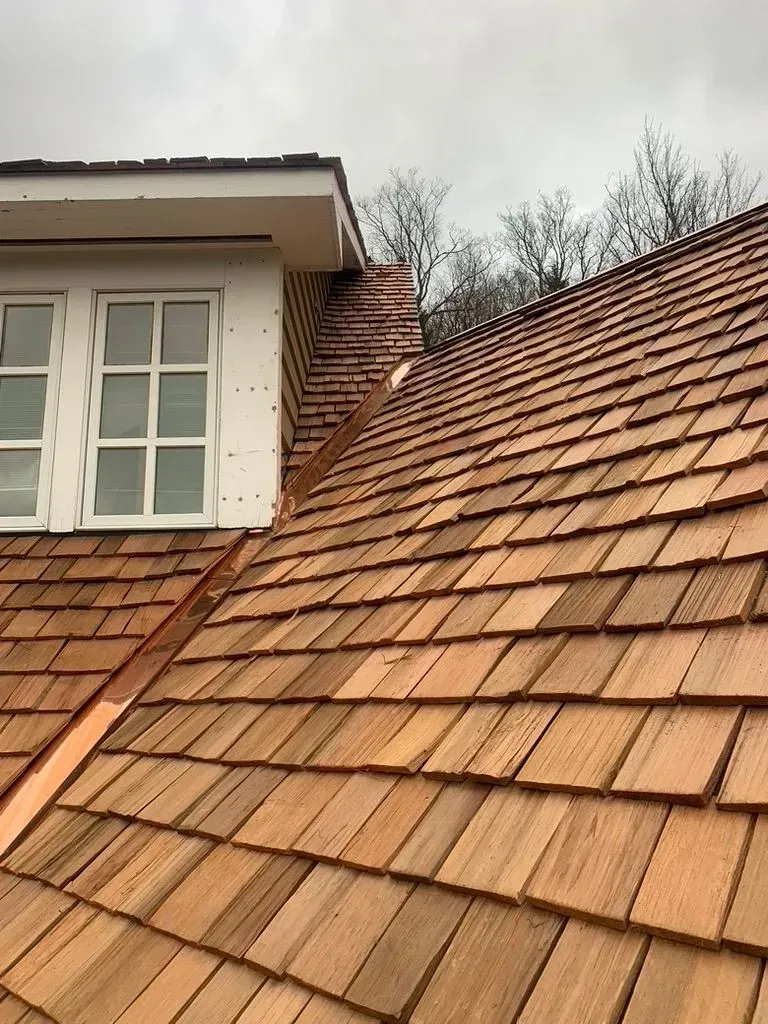
Cedar Shake Roofing: Natural Beauty and Insulation
Why Choose Cedar Shakes?
- Offers natural insulation, reducing energy costs
- Withstands wind, hail, and UV exposure
- Provides a rustic, natural aesthetic
Best for: Homeowners who want a natural, eco-friendly roofing option with excellent insulation properties.
🔎 Considerations: Cedar shakes require regular maintenance to prevent mold, moss, and rot. Proper installation and periodic treatments extend their lifespan.
Synthetic Roofing: Modern Durability
Why Choose Synthetic?
- Mimics the look of slate, wood, or tile without the weight
- Resistant to extreme temperatures, moisture, and impact
- Low maintenance and long-lasting
Best for: Homeowners who want the beauty of slate or wood without the high cost or maintenance.
🔎 Considerations: While synthetic materials are durable, they vary in quality. Choosing a reputable brand is key to ensuring longevity and performance.
Choosing the Right Roof for Your Climate
When selecting a roofing material for a multi-season climate, consider the following:
- Durability: Can the material withstand heavy snow, rain, wind, and temperature fluctuations?
- Energy Efficiency: Does it help regulate indoor temperatures throughout the year?
- Maintenance Needs: How much upkeep is required to keep it in good condition?
- Aesthetic Appeal: Does it complement your business or home's style?
- Budget: What's the initial cost vs. long-term value?
Let Rodd Roofing Help You Choose the Best Multi-Season Roof
With Vermont and New Hampshire's ever-changing climate, selecting the right roofing material is essential for protecting your home or business. At Rodd Roofing, we provide expert guidance and professional installation to ensure your roof stands the test of time.
Contact us today for a free consultation and find the perfect roofing solution for your needs!