Early Warning Signs of Roof Deterioration: What to Watch For
Detecting Roof Deterioration Before a Leak
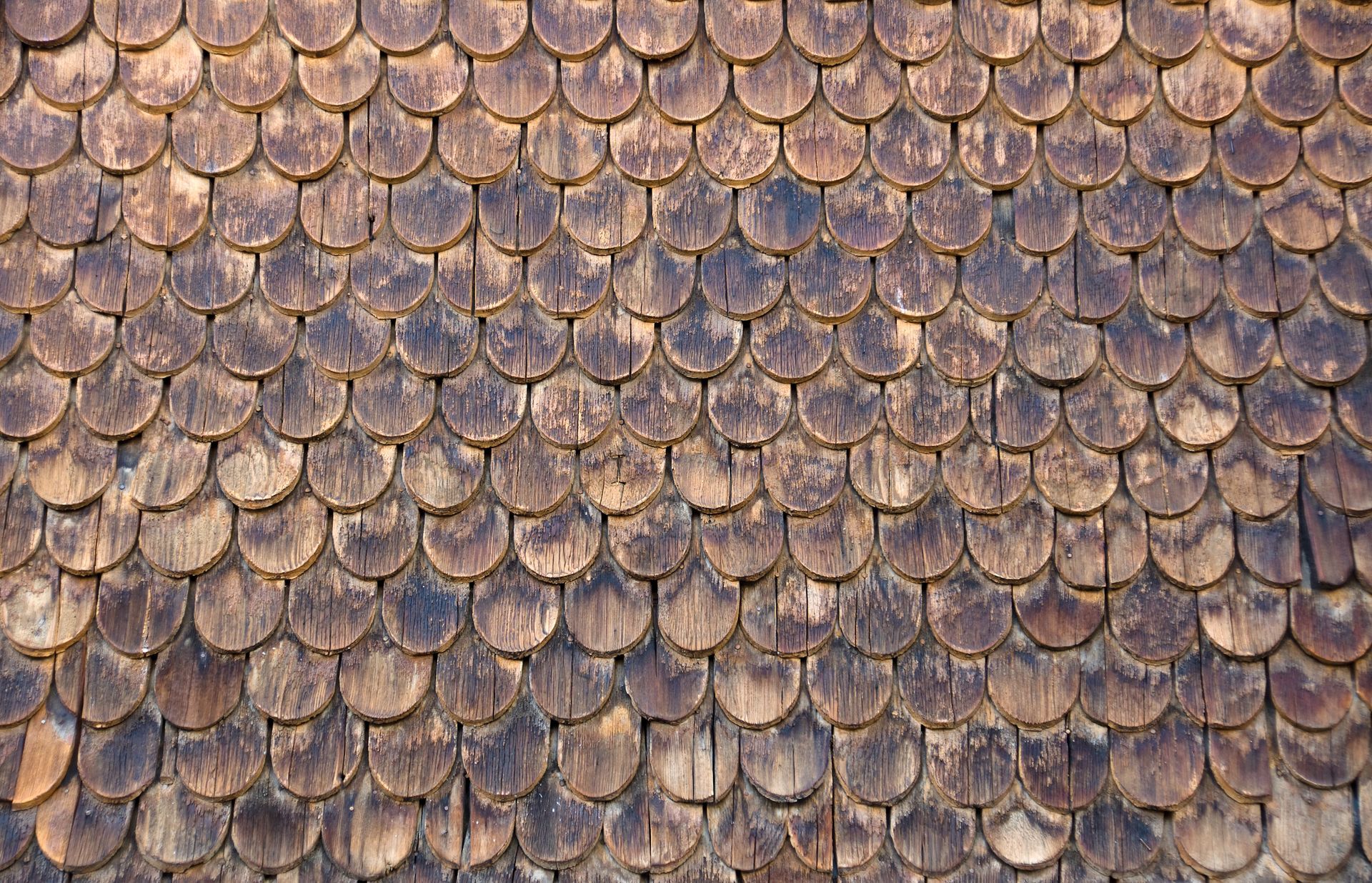
Your roof is your home's first line of defense against the elements, but deterioration isn't always immediately noticeable. Many homeowners don't realize there's a problem unless leaks appear or serious damage has already occurred. Catching issues early can save you from costly repairs or premature roof replacement. Here's what to look for and what to do if you spot a problem.
Curling, Cracked, or Missing Shingles
If your shingles are curling, cracked, or missing, it's a clear sign that your roof is aging or has been exposed to harsh weather. Missing shingles leave your roof vulnerable to leaks, while curling and cracking indicate that shingles are nearing the end of their lifespan.
🔎 What to do: Schedule a professional inspection to determine whether a repair or full replacement is needed.
Granule Loss and Bald Spots
Shingles are coated with protective granules that shield them from UV rays and weather damage. Over time, these granules can wear away, leading to bald spots. If you notice granules collecting in your gutters, your shingles may be deteriorating.
🔎 What to do: Check your gutters regularly for excessive granule buildup. If your roof is losing granules, consider replacing aging shingles.
Water Stains on Ceilings or Walls
Water stains inside your home are often a sign of a roof leak. Even a small stain can indicate a hidden issue, such as damaged flashing or underlayment failure.
🔎 What to do: Don’t ignore water stains! Contact a roofing professional to locate and repair the source of the leak before it worsens.
Sagging Rooflines
A roof should always have a straight, even slope. If you notice areas of sagging or dipping, it could indicate underlying structural issues, such as water damage or weakened decking.
🔎 What to do: A sagging roof is a serious problem that requires immediate attention. Call a roofing expert to assess the damage and discuss repair options.
Moss, Algae, or Mold Growth
Excessive moss or algae growth on your roof can trap moisture, leading to rot and decay. Mold inside your attic or along your ceiling could indicate hidden leaks.
🔎 What to do: Regular roof cleaning can help prevent moss and algae buildup. If you suspect mold, schedule an inspection to identify potential leaks.
Higher Energy Bills
If your heating and cooling costs have increased without explanation, your roof could be the culprit. Poor insulation, damaged roofing materials, or ventilation issues can cause your HVAC system to work harder.
🔎 What to do: Have your attic insulation and ventilation checked to improve energy efficiency and prevent further roof deterioration.
Protect Your Roof with Rodd Roofing
Early detection is key to maintaining a healthy roof and avoiding costly repairs. If you’ve noticed any of these warning signs, don’t wait—schedule a professional inspection with Rodd Roofing today!
Contact us now to book your free consultation and keep your roof in top condition.